
Glass Dreams – Transparent Designs That Blur Indoors & Out
Designs that incorporate glass not only enhance the aesthetic appeal of your space but also create a seamless connection between the indoors and outdoors. By utilizing transparent materials, you can maximize natural light and offer breathtaking views, effectively expanding your living area. However, consider the potential privacy issues and the need for energy efficiency to avoid excessive heat loss. Embracing glass in your designs can elevate your home, making it feel more open and inviting.
Transformative Aesthetics: The Art of Transparent Design
Transparent design has revolutionized how you perceive and interact with your environment. Utilizing glass in architecture creates fluidity between interior and exterior spaces, fostering a sense of openness and connection with nature. This art form emphasizes natural light, while providing stunning visual appeals that changes throughout the day, enhancing your living experience.
The Evolution of Glass Architecture
Glass architecture has evolved dramatically since the industrial revolution, transitioning from utilitarian factory windows to breathtaking skyscrapers and residential masterpieces. Early innovations, such as the Crystal Palace, showcased the potential of large glass structures. Today, advancements in technology and materials have enabled the creation of energy-efficient buildings, emphasizing both sustainability and aesthetics.
Iconic Examples of Transparent Structures
Several landmark glass structures showcase the remarkable capabilities of transparent design. Each builds a narrative of innovation, such as the Louvre Pyramid in Paris, which merges contemporary style with historical context. The Apple Park in Cupertino exemplifies a harmonious indoor-outdoor relationship, incorporating over 9,000 curved glass panels to create a seamless environment.
Among iconic examples, the Louvre Pyramid stands out with its juxtaposition of modernity and tradition, a glass entrance to the historic museum. Similarly, Apple Park features a stunning circular design, using cutting-edge technology that integrates glass walls to foster natural light. The Seattle Central Library, designed by Rem Koolhaas, uses glass to challenge conventional library concepts while promoting community engagement. These structures not only illustrate remarkable architectural prowess but also embody the ethos of transparency in design.
Blurring Boundaries: The Psychological Impact of Transparency
Transparency in design does more than create a modern aesthetic; it fundamentally alters your perception of space. By allowing light to flow freely and creating visual connections, you experience a sense of openness that can reduce feelings of confinement. Environments that feature extensive glass elements cultivate a harmonious relationship between indoors and outdoors, fostering a calming atmosphere that can enhance your overall well-being and productivity.
Enhancing Connection Between Indoors and Outdoors
Glass elements forge a seamless transition between your indoor space and the natural world outside. This connection not only brings in natural light but also offers changing views of the landscape, enhancing your emotional experience. You may find that this integration encourages you to engage more with your surroundings, whether it’s enjoying a morning coffee bathed in sunlight or marveling at the changing colors of the seasons.
The Influence on Well-being and Mood
The presence of glass in your home can significantly impact your mood and mental health. Studies have shown that natural light exposure increases serotonin levels, improving your mood and energy. Additionally, spaces designed with transparency can promote relaxation and reduce stress levels, allowing you to feel more at peace in your environment. This deliberate incorporation of natural vistas can lead to greater mindfulness and satisfaction as you navigate your daily life.
Research indicates that access to natural light and outdoor vistas through transparent designs can decrease symptoms of anxiety and depression. A study conducted by the University of Michigan revealed that individuals who spend time in naturally lit spaces report higher levels of happiness and motivation. By incorporating large glass windows or sliding doors, you can harness these benefits, creating environments that uplift your spirits and encourage a more active lifestyle, ultimately fostering a greater sense of harmony between your inner world and what lies beyond your walls.
Sustainability in Glass Design: The Environmental Perspective
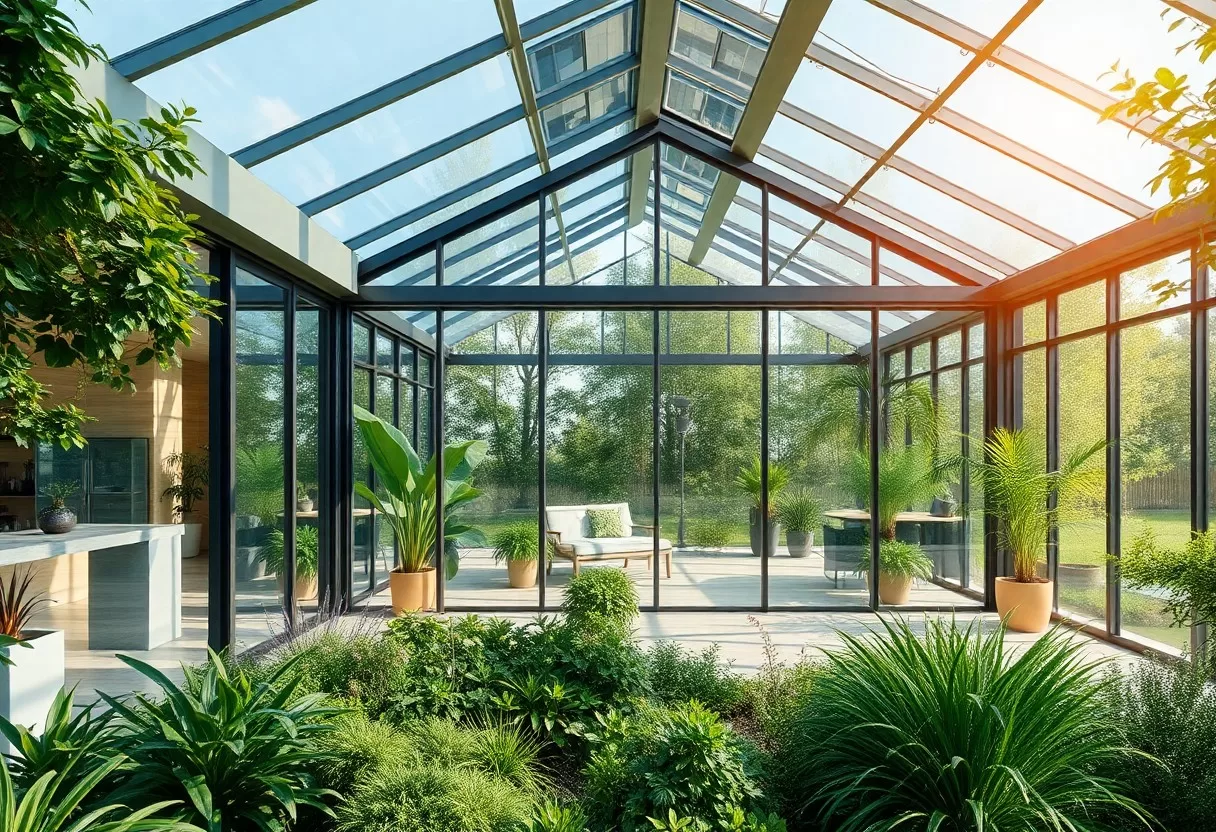
In modern architecture, the integration of glass is increasingly aligned with sustainability goals. You can appreciate how innovative glass designs minimize energy consumption while enhancing natural light flow, which reduces reliance on artificial lighting. Sustainable glass manufacturing focuses on lower carbon emissions and increased recycling rates, ultimately benefiting the environment. The push for eco-friendly designs reflects a growing commitment to addressing climate change and promoting responsible consumption.
Energy Efficiency and Innovative Materials
Your understanding of energy efficiency in glass design is enhanced by advancements in innovative materials. Low-emissivity (Low-E) glass, for instance, minimizes heat transfer, boosting thermal insulation without compromising transparency. By incorporating these materials, buildings can significantly lower their heating and cooling costs, creating a more sustainable footprint. Moreover, using recycled glass reduces waste and energy consumption during production, aligning efficiency with modern design principles.
Case Studies of Eco-friendly Glass Projects
Several pioneering projects illustrate the successful integration of eco-friendly glass practices. These case studies showcase remarkable achievements in sustainability, proving that innovative glass technologies can harmonize with environmental concerns. Through careful consideration of energy consumption, resource use, and sustainable materials, these examples serve as benchmarks for future glass design projects.
- The Edge, Amsterdam – employs triple-glazed Low-E glass, reducing energy costs by 70% compared to traditional buildings.
- Summit Tower, Tokyo – features solar control glass, cutting energy consumption by 40% through effective natural light management.
- Vancouver Convention Centre, Canada – uses recycled glass and generates 30% of its energy through solar panels integrated within its glass facade.
- Glass Farm, Netherlands – incorporates photovoltaic glass, providing 50% of the building’s energy needs through solar production.
- Centre Pompidou, Metz – utilized lightweight structural glass, decreasing material use by 25% while enhancing transparency.
Exploring the details of these illuminating projects reveals the transformative potential of eco-friendly glass. For instance, The Edge stands out with its triple-glazed Low-E glass that drastically lowers energy expenses. The Summit Tower exemplifies how solar control glass can actively manage heat and light, achieving remarkable energy savings. The Vancouver Convention Centre not only highlights the use of recycled materials but also showcases a successful blend of aesthetics and functionality through energy generation. Each case reinforces the commitment to sustainability while underscoring that innovative glass solutions can meet modern architectural demands.
Practical Tips for Incorporating Glass Elements in Your Home
Integrating glass elements into your home adds a touch of elegance and openness. To make the most of these features, consider the following tips:
- Choose energy-efficient glass for better insulation.
- Incorporate framed glass partitions to define spaces without losing light.
- Utilize frosted or tinted glass for privacy while maintaining transparency.
- Enhance lighting elements with glass fixtures that reflect and amplify brightness.
- Use glass shelving to showcase decor while keeping your space airy.
After thoughtfully selecting glass elements, you’ll create a harmonious blend of interior and exterior spaces.
Design Considerations and Challenges
When incorporating glass into your design, think about safety and maintenance. Choose tempered or laminated glass for durability and to avoid breakage. Ensure adequate structural support for larger installations, especially in high-traffic areas. Balancing natural light and privacy requires strategic placement of glass features, as some areas may need additional coverings or treatments.
Creative Applications for Various Spaces
Glass can enhance different areas of your home in unique ways. For kitchens, consider glass backsplashes, which add visual interest and are easy to clean. In living rooms, large sliding glass doors can create a seamless transition to outdoor spaces, promoting an open feel. For bathrooms, replace bulky walls with glass showers to create an expansive appearance. Even small spaces can benefit from glass accent tables or decorative elements that maintain light flow while providing utility.
The Future of Glass in Architecture: Trends to Watch
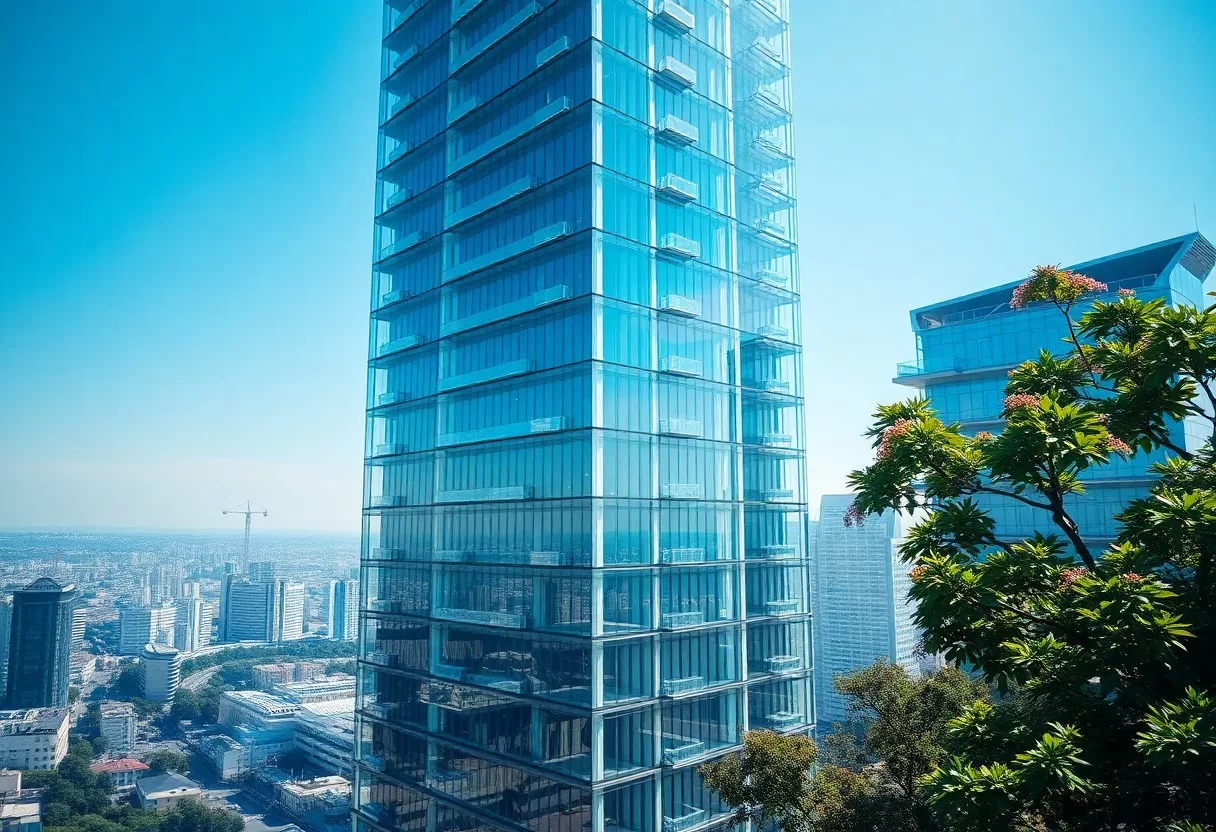
The future of glass in architecture is marked by a convergence of innovative technologies and sustainable practices. As designs increasingly prioritize energy efficiency and environmental harmony, architects are exploring new ways to utilize glass that enhance both aesthetics and function. Expect to see more dynamic facades, biophilic designs, and transparent solar technologies that will redefine how buildings interact with their surroundings, merging beauty with sustainability.
Advances in Smart Glass Technologies
Your experience of space will dramatically shift with the rise of smart glass technologies. This material can adjust its transparency based on light, temperature, or even your preferences, enhancing both comfort and energy efficiency. Features like electrochromic glass allow you to change opacity with a simple switch, while thermochromic glass reacts to heat, minimizing glare and maximizing natural light, leading to lower energy costs.
Forecasting the Integration of Nature and Technology
The integration of nature and technology in architecture is poised to reshape your living spaces. Projects will increasingly reflect a symbiotic relationship with the environment, where buildings not only coexist with nature but actively support it. This trend encompasses vertical gardens, green roofs, and glass designs that invite the outdoors in, fostering a deeper connection to your natural surroundings.
Long-term forecasts suggest that this integration will become standard practice as urban areas expand. Emphasizing transparency and sustainability, architecture will incorporate living elements, such as plants integrated into glass structures through biophilic design principles. This dynamic approach not only enhances aesthetic appeal but also promotes mental well-being and biodiversity, allowing you to enjoy nature within the urban landscape. Examples of this trend include the Bosco Verticale in Milan, showcasing how glass and greenery can unify forms, inviting nature into your everyday life while utilizing cutting-edge technology to improve building performance.
Conclusion
So, as you explore the world of glass designs that beautifully blend your indoor and outdoor spaces, you’ll find that transparency can enrich your living environment. By incorporating these innovative elements, you not only enhance your aesthetic appeal but also foster a sense of connectivity with nature. Your spaces can reflect elegance and sophistication while offering practical benefits that cater to your lifestyle. Embrace glass as a medium to elevate your home and create a harmonious atmosphere where the boundaries between inside and outside seamlessly fade away.
FAQ
Q: What are Glass Dreams and how do they enhance interior spaces?
A: Glass Dreams are innovative transparent designs that create a seamless connection between indoor and outdoor environments. They utilize large glass panels that allow natural light to flood spaces while providing unobstructed views of the exterior, enhancing the overall aesthetic and ambiance of interiors.
Q: Are Glass Dreams energy efficient?
A: Yes, Glass Dreams designs incorporate energy-efficient glazing technologies that help regulate indoor temperatures. These solutions minimize heat loss in winter and keep interiors cool in summer, which can lead to reduced energy costs and a lower environmental impact.
Q: How do I maintain the Glass Dreams installations?
A: Maintaining Glass Dreams installations involves regular cleaning to prevent dust and grime buildup. Use a soft, lint-free cloth and a gentle glass cleaner. It’s also recommended to check seals and frames periodically for wear and to ensure optimal performance.