
Garden Social Hubs – Designing Outdoor Spaces With Seating and Fire Pits
Social interactions thrive in well-designed outdoor spaces, and creating your own garden social hub can significantly enhance your experience. By incorporating comfortable seating and inviting fire pits, you can transform any garden area into a relaxing retreat for friends and family. Thoughtful placement of these elements not only fosters conversation but also encourages warmth and ambiance during evening gatherings. The right design choices will optimize your space, allowing you to enjoy the outdoors while maximizing both comfort and style.
Key Takeaways:
- Designing garden social hubs enhances community interaction by providing comfortable seating and fire pits as focal points.
- Incorporating natural elements and varying seating arrangements fosters a welcoming environment for diverse groups.
- Safety and accessibility should be prioritized in the layout to ensure usability for all participants.
Importance of Outdoor Social Spaces
Outdoor social spaces significantly enhance your quality of life by providing areas for relaxation, recreation, and social interaction. These environments foster a sense of community, enabling you to connect with friends, family, and neighbors in a comfortable, natural setting. Well-designed spaces encourage gatherings, events, and activities that enrich relationships and promote overall well-being.
Benefits of Garden Social Hubs
Garden social hubs offer numerous benefits that extend beyond mere aesthetics. They create inviting atmospheres that encourage outdoor activities and interactions, making it easier for you to host gatherings, parties, or casual meet-ups. With amenities like seating and fire pits, these spaces become multifunctional areas that cater to various occasions, enhancing both personal enjoyment and social bonds.
Enhancing Community Engagement
Garden social hubs play a vital role in enhancing community engagement by providing accessible spaces where people from diverse backgrounds can come together. These areas promote social cohesion, allowing you to participate in community events and activities that foster relationships and collaboration.
Research shows that communities with well-designed social spaces experience increased civic participation and lower crime rates. For example, parks featuring seating and fire pits often host events such as movie nights, markets, or workshops, drawing residents together and encouraging local involvement. By nurturing connections through shared experiences, garden social hubs strengthen the fabric of your community, making it a more vibrant and connected place to live.
Designing the Layout
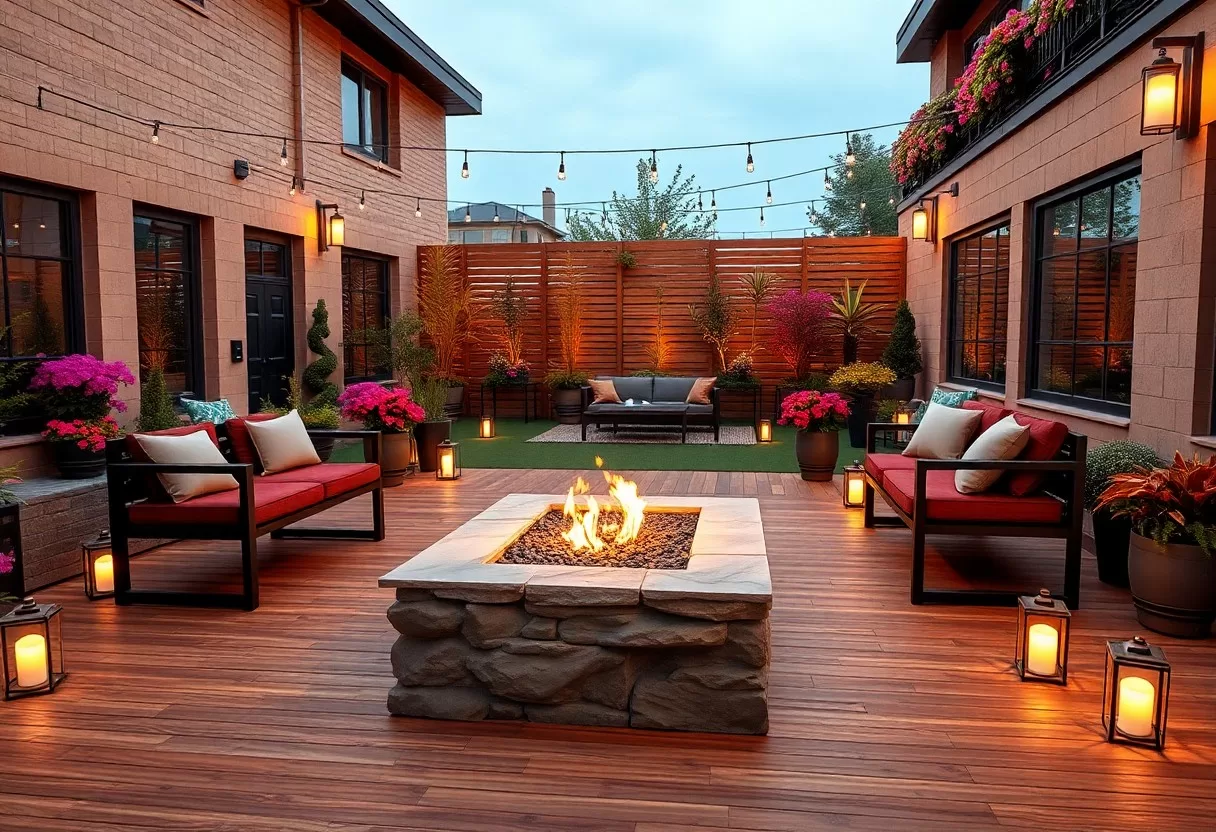
Creating an effective layout for your garden social hub involves strategically positioning seating areas and fire pits to foster interaction while ensuring privacy. Consider the flow of movement and sightlines; seating should encourage conversation, ideally arranged in small clusters. Aim for varied elevations with tiered seating or slight landscaping gradients to provide interest and intimacy.
Space Planning Considerations
Space planning requires a balance between functionality and aesthetics. Assess the available area and determine the maximum occupancy to guide the arrangement of seating and fire pits. Allow for comfortable circulation space of at least 3 feet around seating areas, which not only enhances safety but also promotes a sense of openness.
Integrating Natural Elements
Natural elements elevate the beauty and functionality of your outdoor space. Incorporating plants, trees, and water features not only creates a serene atmosphere but also encourages biodiversity, drawing in beneficial pollinators and wildlife.
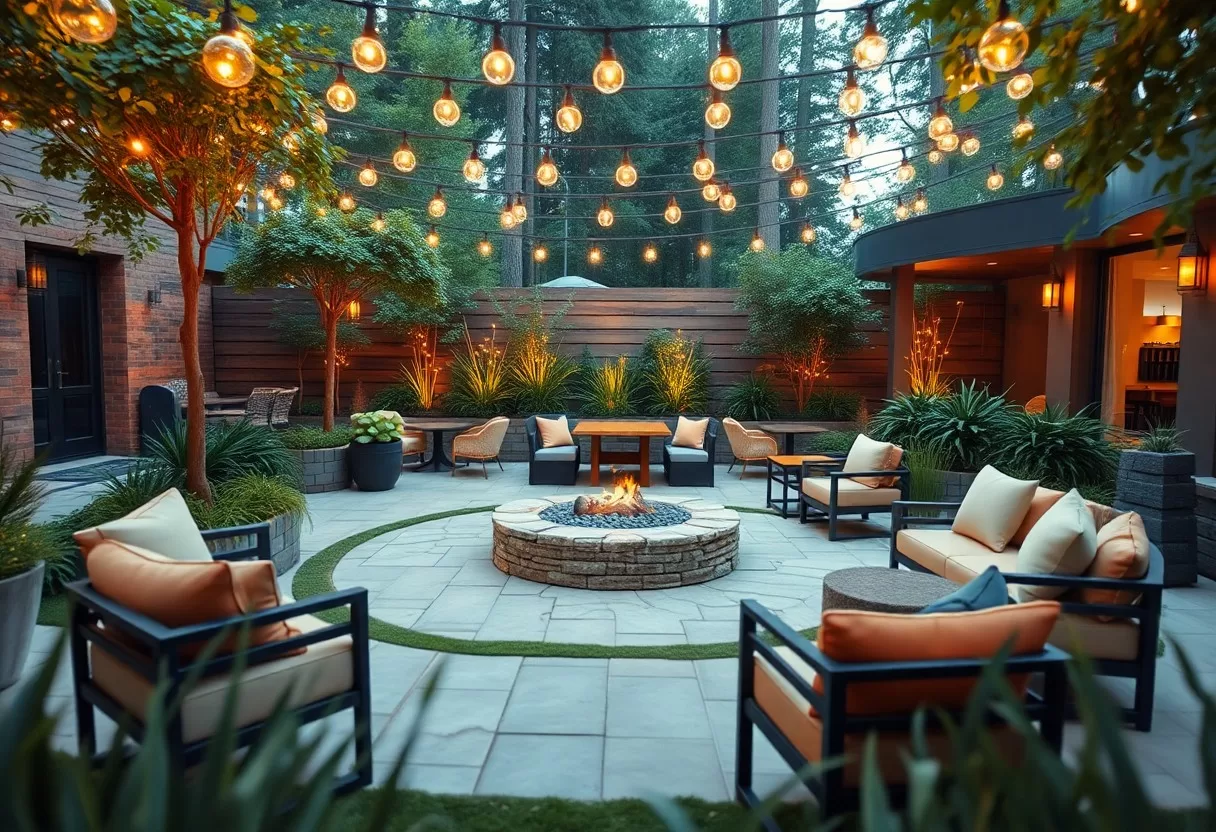
Using native plants can enhance your garden’s resilience against local pests and diseases, significantly reducing maintenance needs. Additionally, strategically placed trees can provide necessary shade during hot seasons, making the space comfortable year-round. Consider the incorporation of a small pond or fountain to introduce the soothing sound of water, further enhancing the inviting quality of your social hub. Choose materials for seating and fire pits that harmonize with the surrounding flora, ensuring a seamless blend of man-made and natural environments.
Choosing the Right Seating
Selecting the right seating for your garden social hub enhances not only the comfort but also the aesthetic appeal of the space. Think about how each seating choice can influence the atmosphere, drawing people together and encouraging relaxation. The key is to balance functionality with design, ensuring that the seating aligns with your outdoor vision while accommodating your guests thoughtfully.
Types of Seating Options
Various seating options can transform your outdoor area into a welcoming haven. Consider incorporating:
- Benches – great for larger groups
- Adirondack chairs – for a classic feel
- Portable seating – easy to move!
- Hammocks – for relaxation
- Outdoor sofas – for those who enjoy comfort
Assume that your seating selections should complement the fire pit and overall layout of your garden.
| Seating Type | Description |
| Benches | Ideal for grouping people together. |
| Adirondack chairs | Stylish and often foldable for storage. |
| Portable seating | Flexibility for changing social dynamics. |
| Hammocks | Encourages relaxation and a laid-back vibe. |
| Outdoor sofas | Luxurious and inviting for intimate gatherings. |
Comfort and Aesthetics
Creating an inviting atmosphere hinges on achieving both comfort and aesthetics in your seating design. Prioritize materials that withstand the elements while ensuring softness and support for enjoyable gatherings. Cushions in weather-resistant fabrics can enhance comfort while maintaining style. Aim for a cohesive look that ties in colors and materials from your home and surrounding landscape.
Popular materials for outdoor seating include teak, aluminum, and wicker, each offering unique aesthetic qualities and durability. For instance, teak provides a warm, classic appearance and ages beautifully, while aluminum is lightweight and modern. Pairing your seating with well-chosen accessories, such as throws and pillows, enhances both comfort and visual appeal, allowing your space to reflect your personal style. Opt for various seating heights and styles to cater to different preferences, encouraging guests to linger longer by the fire pit or in your garden sanctuary.
Incorporating Fire Pits
Fire pits serve as a focal point in garden social hubs, extending the usability of your outdoor space into the cooler months. They provide warmth, ambiance, and are perfect for gathering with friends or family. When dicking out a fire pit, consider factors such as size, style, and fuel type to ensure it complements your seating area and overall garden design.
Safety Considerations
Prioritize safety by choosing a fire pit with proper ventilation and a solid base to prevent tipping. Maintain a distance of at least ten feet from structures and flammable materials to minimize fire risks. You may even consider incorporating a fire pit screen or enclosure to contain embers and enhance safety.
Design and Material Choices
The design and materials of your fire pit can greatly influence the overall aesthetic of your garden. Opt for durable materials like stone or steel, providing both functionality and a stylish appearance. Consider shapes that align with your garden’s style—round for cozy gatherings or rectangular for a modern touch.
For a striking focal point, custom-built fire pits made of locally sourced stone or steel add character and longevity. Incorporating elements like seating walls or integrated wood storage not only enhances functionality but also creates a cohesive look in your garden. Combining materials, such as a brick base with a steel insert, allows for personal expression and adaptation to your existing landscape design. Additionally, consider color schemes that complement your garden’s flora, creating a harmonious outdoor atmosphere.
Lighting and Ambiance
Cleverly integrated lighting elevates outdoor spaces, enhancing both usability and mood. Strategic placement of lights around seating and fire pits creates visual interest while ensuring safety. The right lighting doesn’t just illuminate; it invites, making it crucial for those long summer nights and chilly autumn gatherings.
Types of Outdoor Lighting
Various outdoor lighting options can dramatically affect your garden’s ambiance. Consider the following:
- String lights for a festive atmosphere
- Spotlights highlighting specific features
- Path lights for safety and navigation
- Lanterns adding charm and warmth
- Downlighting creating a soft glow
Thou shall carefully choose the right types to effectively set the tone for your space.
| Type | Effect |
| String Lights | Creates a whimsical, festive atmosphere |
| Spotlights | Accentuates architectural features and plants |
| Path Lights | Enhances safety and guides guests |
| Lanterns | Adds character and warmth |
| Downlighting | Provides a subtle, soft light |
Creating a Cozy Atmosphere
A cozy atmosphere encourages guests to linger and enjoy each other’s company. Layering different types of outdoor lighting creates depth and interest while ensuring no corner feels neglected. Incorporating fire pits not only provides warmth but also an inviting focal point, perfect for storytelling. Use elements like cushions and blankets to enhance comfort further.
Layering lighting, such as combining string lights with soft lanterns, fosters a cozy feeling, while the flicker of a fire pit adds warmth and charm. Enhancing your space with cushioned seating and soft textiles creates an inviting atmosphere. Keep outdoor spaces alive with scents from candles or plants. Ensuring versatility, consider dimmable lights for varying occasions. Each detail contributes to a layered ambiance that captivates friends and family alike.
Maintenance and Sustainability
Integrating sustainable practices into your garden social hub ensures longevity and environmental responsibility. Regular upkeep includes cleaning fire pits and seating areas to maintain aesthetics and functionality. Utilize 14 Backyard Fire Pit Ideas to inspire both design and maintenance approaches that prioritize durability and efficiency.
Selecting Durable Materials
Select materials that withstand weather and wear for long-lasting outdoor seating and fire pits. Consider stainless steel or cast iron for fire pits due to their heat resistance and durability. For seating, look towards teak or composite materials that resist rot and require minimal maintenance, ensuring your investment endures.
Eco-Friendly Practices
Adopting eco-friendly practices enhances your garden’s sustainability. Choose native plants that require less water and are pest-resistant, which minimizes the need for chemical treatments. Utilize recycled materials for seating or fire pits to reduce your carbon footprint while adding unique charm to your space.
Your garden can thrive with eco-friendly practices that conserve resources and support local ecosystems. Implementing rainwater harvesting systems for irrigation helps reduce water usage. Additionally, using solar-powered lights for ambiance creates a warm environment while minimizing electricity costs. Organic mulching aids in soil nutrition, supporting plant life naturally, fostering a resilient and vibrant outdoor hub.
Summing up
Now that you understand the importance of designing outdoor garden social hubs with seating and fire pits, you can create spaces that foster connection and relaxation. By thoughtfully arranging seating areas and incorporating fire features, you enhance your garden’s aesthetic and functionality. These elements not only invite social interaction but also encourage you to enjoy the outdoors year-round. Take the insights shared and transform your garden into a welcoming hub for family and friends.
FAQ
Q: What are Garden Social Hubs?
A: Garden Social Hubs are specially designed outdoor spaces that incorporate seating and fire pits, fostering community engagement and social interactions.
Q: How can seating be effectively arranged in a Garden Social Hub?
A: Seating should be arranged to promote conversation and connection, often in circular or semi-circular formations, allowing for easy interaction among guests.
Q: What is the importance of fire pits in these outdoor spaces?
A: Fire pits create a focal point and provide warmth, enhancing the ambiance and making the space inviting for gatherings during cooler evenings.
Q: What materials are recommended for constructing seating and fire pits?
A: Durable materials like stone, concrete, or weather-resistant wood are preferred for longevity, while ensuring safety and aesthetic appeal in the design.
Q: How can I incorporate lighting in a Garden Social Hub?
A: Incorporating various lighting options, such as string lights, lanterns, or solar path lights, enhances visibility and creates a cozy atmosphere for evening use.