
From Zero to Lush – Turning a Dead Yard Into a Blooming Paradise
Over time, many homeowners face the challenge of transforming a neglected yard into a vibrant outdoor space. You may feel overwhelmed by the task, but with the right approach, you can revitalize your landscape into a flourishing garden. This guide will provide you with crucial tips and strategies to assess your yard’s condition, choose suitable plants, and implement effective maintenance practices, ensuring that your outdoor space becomes a thriving paradise you can enjoy for years to come.
Assessing the Landscape: Diagnosing Your Yard’s Potential
Understanding the current state of your yard lays the groundwork for transforming it into a lush paradise. Start by observing the existing elements like plants, trees, and soil, which offer valuable insights into your yard’s potential. Take note of environmental factors that can impact plant growth, such as sunlight exposure and water drainage. This diagnostic approach will help you make informed decisions about what to plant and where, ensuring that your blooming paradise thrives.
Identifying Soil Quality and Composition
Soil quality directly affects plant health; therefore, assessing it is key. Digging with a trowel, you can check for texture and structure. Healthy soil has a crumbly texture, indicating good aeration and drainage, while compacted soil can hinder root growth. Testing pH levels will inform you about nutrient availability. Aim for a range between 6.0 and 7.0 for most plants. Amending the soil with organic matter can significantly enhance its fertility and support your garden’s development.
Evaluating Sunlight and Water Drainage
Understanding sunlight patterns throughout the day is vital for selecting plants that will flourish in your yard. Observe how sunlight falls on various areas; shady spots might work well for plants that require less direct light, while sunny sections are ideal for blooming flowers. Equally important is assessing water drainage—poor drainage can lead to waterlogged soil, while areas that drain too quickly may dry out. Check for standing water after rain, and note which areas are consistently dry or soggy.
After evaluating the sunlight and water drainage, you may discover nuances that affect plant selection. For example, a corner of your yard that receives consistent morning sun might be perfect for vegetables, while areas with afternoon shade could be ideal for ferns or hostas. If certain spots show tendencies to pool water, implementing amendments like drainage tiles or swales can redirect excess moisture, simultaneously creating a balanced watering environment for diverse plants. This comprehensive assessment allows you to harmonize your planting strategy with the unique conditions of your landscape.
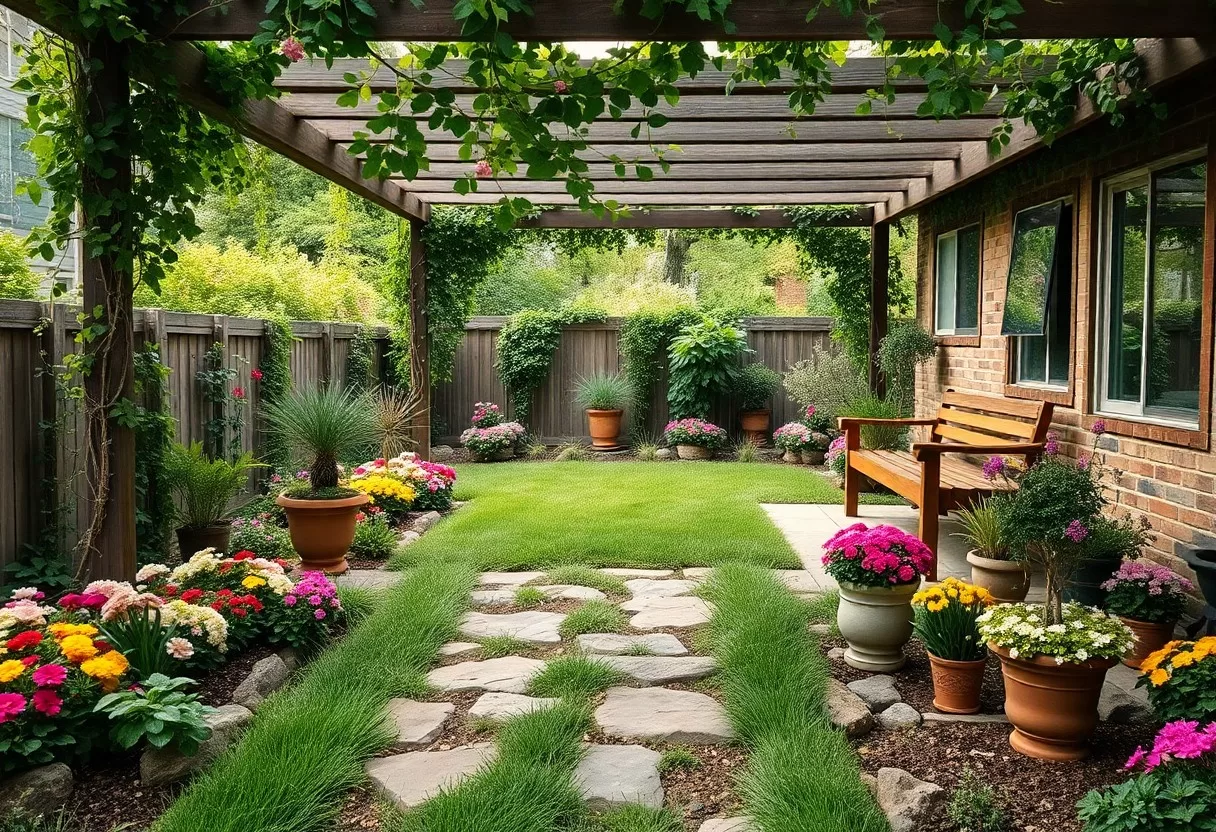
Crafting a Vision: Dreaming Up Your Ideal Outdoor Space
Visualizing your perfect outdoor oasis starts with imagination and a clear picture of what you desire. Consider how you want to utilize the space—whether it’s for relaxing with a good book, hosting backyard barbecues, or growing your own vegetables. Create a mood board, gathering images of plants, themes, and layouts that resonate with you, paving the way for your garden’s transformation.
Drawing Inspiration from Nature and Design Principles
Nature is a boundless source of inspiration for your garden design. Take cues from local landscapes or visit botanical gardens to observe plant combinations and hardscape materials that intrigue you. Incorporating design principles such as balance, harmony, and focal points will guide your selections, helping to create an outdoor space that feels cohesive and inviting.
Setting Realistic Goals for Your Garden Transformation
Establishing achievable goals for your garden renovation is imperative to guide your efforts effectively. Outline what you can realistically accomplish within your budget, skills, and time constraints. Factors like climate, soil conditions, and maintenance levels should inform your decisions as they directly impact the success of your garden.
By breaking down your garden transformation into manageable phases, you can avoid feeling overwhelmed. Determine which areas need immediate attention and prioritize those. For instance, starting with a small flower bed can yield instant gratification and motivate you to tackle larger projects down the road. Setting achievable milestones not only enhances your dedication to the project but also allows for ongoing adjustments as you learn what works best for your space.
The Art of Selection: Choosing the Right Plants
Finding the ideal plants for your yard involves understanding your space, climate, and personal preferences. Start by assessing your yard’s sunlight and soil types, as these factors significantly influence plant health. Consider the maintenance level you are comfortable with; some plants demand more attention and resources than others. Strive for a balance between aesthetics and practicality, ensuring your selections will thrive and enhance your outdoor space.
Native Plants vs. Exotic Species: What Works Best
Opting for native plants often proves beneficial due to their resilience and adaptability to local conditions. They require less water and maintenance, making them an eco-friendly choice. In contrast, exotic species, while sometimes stunning, can introduce challenges. These plants may struggle to acclimate and often need more care to flourish, making them riskier investments for your blooming paradise.
Seasonal Blooms and Year-Round Color: Getting the Timeline Right
Integrating plants with staggered flowering times creates a vibrant tapestry that changes with the seasons. Combining early bloomers, such as daffodils and tulips, with late-season perennials like asters ensures continual interest throughout the year. To achieve this effect, consider planting a mix of evergreens for winter structure alongside seasonal bloomers that will fill your yard with color in more temperate months.
Focus on layering your selections by incorporating bulbs, perennials, and shrubs that offer varying bloom cycles and foliage colors. For instance, pairing spring-flowering dogwoods with summer-blooming hydrangeas creates a stunning visual that transitions seamlessly from one season to the next. Add in some fall interest with asters and ornamental grasses, and you’ll enjoy a dynamic landscape that remains engaging all year. Timing your planting and knowing when each species will showcase its beauty will elevate the overall appeal of your yard dramatically.
Building a Strong Foundation: Soil Preparation and Amending
The journey to a thriving garden starts below the surface with healthy soil. Prepare your yard for success by thoroughly assessing and enhancing the soil quality. This involves removing any debris, aerating the soil, and adding vital organic materials. For those tackling a challenge like fixing a dead grass area in front yard, ensuring your soil is nutrient-rich sets the stage for a vibrant landscape.
Testing Soil pH and Nutrient Levels
Understanding your soil’s pH and nutrient levels is fundamental. Start by using a simple soil test kit available at garden centers to analyze pH, focusing on a neutral range (6.0-7.0) suitable for most plants. Keep in mind that nutrient deficiencies such as nitrogen, phosphorus, and potassium can limit plant growth. Knowing these levels enables you to tailor your amendments effectively.
Incorporating Organic Matter and Natural Fertilizers
Enhancing soil health requires integrating organic matter, like compost or well-rotted manure, which increases fertility, improves structure, and retains moisture. Couple this with natural fertilizers, such as bone meal or fish emulsion, to provide vital nutrients without the harsh effects of synthetic options. This combination builds robust soil that supports flourishing plants.
Mixing organic matter into your soil transforms it from lifeless to lively. Compost enriches the soil with microorganisms that stimulate plant growth while improving drainage and aeration. Natural fertilizers, derived from plant or animal sources, not only replenish nutrient levels but also promote sustainable gardening practices. As you apply these amendments, aim for a balance—too much fertilizer can lead to nutrient imbalances. The key is to create a rich, loamy texture that fosters root development and gives your plants the strongest start possible.

The Blueprint for Growth: Designing Your Garden Layout
A well-thought-out garden layout is instrumental in transforming your yard into a vibrant oasis. Consider defining specific areas that not only enhance functionality but also foster enjoyment. By carefully mapping out your garden’s design, you can create visually pleasing spaces that cater to various activities and plant needs, ultimately leading to a lush, well-balanced environment.
Creating Zones: Areas for Relaxation, Play, and Plants
Designating distinct zones within your garden allows you to harmonize different elements of your outdoor space. For relaxation, consider incorporating cozy seating areas surrounded by fragrant blooms or soothing water features. A designated play area, complete with soft grass or play equipment, can be made fun and safe for children. Finally, dedicating specific sections for plants—like a vegetable patch or a flower bed—will ensure each zone complements your lifestyle and enhances the garden’s overall appeal.
Implementing Effective Watering and Maintenance Strategies
A successful garden requires a reliable watering system and regular maintenance practices to thrive. Implement a watering schedule that aligns with your plant types and local climate, ensuring that you avoid overwatering while maintaining optimal moisture levels. Investing in a drip irrigation system can save time and resources, delivering water directly to the roots where it’s needed most. Regular mulching not only retains soil moisture but also suppresses weeds. Schedule seasonal maintenance tasks like pruning and fertilizing, helping your plants flourish year-round.
Establishing an effective watering strategy can greatly influence your garden’s health. Using a moisture meter can help you gauge when to water, minimizing waste. In addition, incorporating rain barrels can collect runoff water for sustainable irrigation. For maintenance, an easy-to-follow calendar can remind you of imperative tasks, such as fertilizing specific plants during their growing seasons. Keep a close eye on your plants for any signs of disease or pests, addressing these issues promptly to prevent serious infestations. Combining these practices will ensure your garden remains vibrant and lush throughout the seasons.
Final Words
As a reminder, transforming your dead yard into a blooming paradise is an achievable journey with the right strategies and commitment. You can gradually enrich the soil, select suitable plants, and implement sustainable practices to create a vibrant outdoor space. Each step you take not only enhances your yard but also contributes to a healthier environment. Embrace the process, and soon you’ll enjoy the fruits of your labor in a lush sanctuary that reflects your hard work and creativity.