
Fragrance First – Designing Outdoor Spaces Around Aromatic Plants
Just as you enhance the interiors of your home, consider how aromatic plants can elevate your outdoor spaces. By incorporating these fragrant plants, you can create a sensory experience that not only invigorates your garden but also promotes relaxation and well-being. Choosing the right plants can significantly transform your landscape, making it a delightful retreat. Explore the power of scent and learn how to design your outdoor haven effectively with aromatic elements.
Key Takeaways:
- Incorporating aromatic plants enhances sensory experiences in outdoor spaces.
- Designing around fragrance can improve overall well-being and relaxation.
- Aromatic plants attract beneficial pollinators, contributing to biodiversity.
The Allure of Aromatic Flora
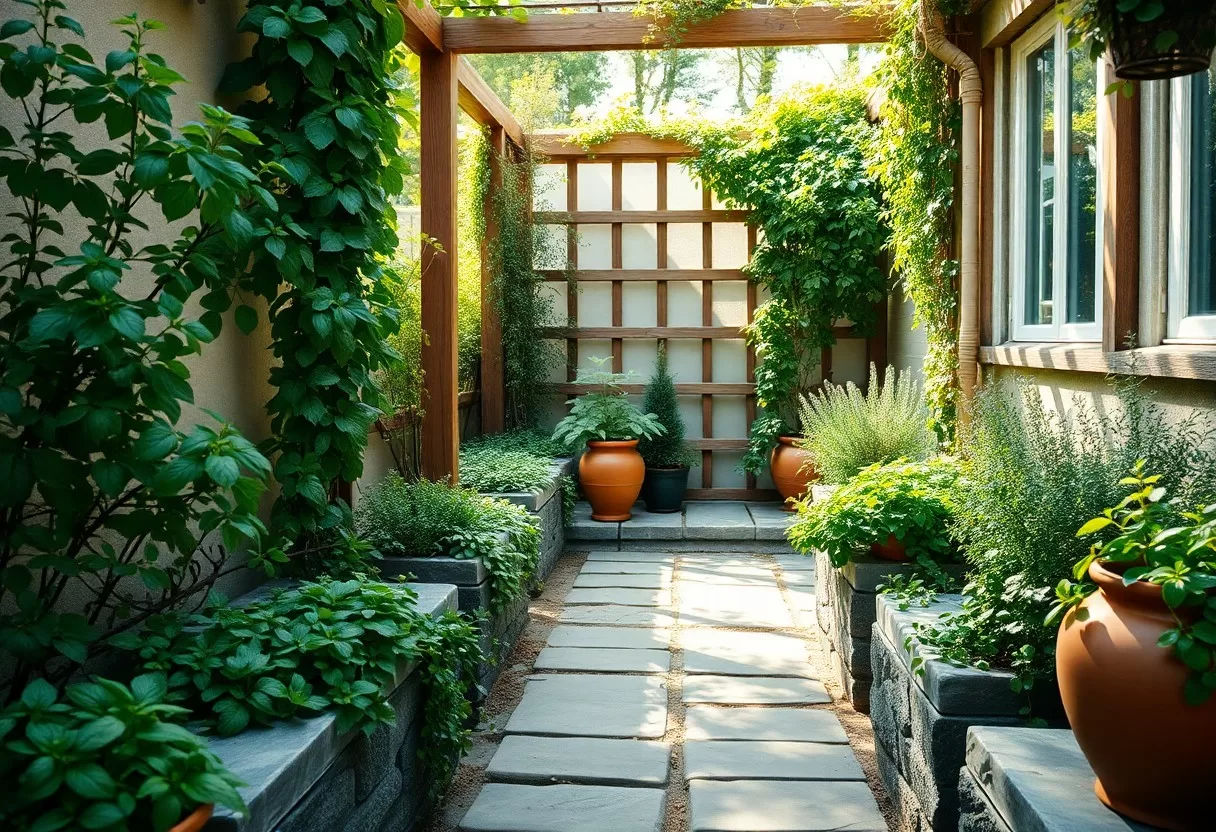
Aromatic plants bring a captivating layer of engagement to outdoor spaces, drawing you into their rich tapestry of scents. Varieties like lavender, rosemary, and jasmine not only look stunning but also release enticing fragrances that can evoke memories and emotions. You can design your garden to change its olfactory profile through the seasons, creating a dynamic sensory landscape that invites exploration and relaxation.
Sensory Impact: How Scents Shape Outdoor Experiences
Fragrance significantly enhances your outdoor experiences, transforming spaces into immersive environments. Scents can instantly trigger emotional responses, encourage relaxation, or invigorate your senses. Walking through a garden filled with citrus or mint not only refreshes your mood but often enhances social interactions, making each visit memorable and inviting. The captivating aromas can even draw you out for extended periods, inviting leisure and contemplation.
Psychological Benefits of Fragrance in Design
Incorporating fragrance into your outdoor spaces offers notable psychological advantages. The presence of pleasant scents like lavender or lemon balm can lower stress levels and promote happiness. Studies have shown that engaging with aromatic plants increases feelings of well-being and can even improve mental clarity and focus. You can create a sanctuary that nurtures your mind, enhancing productivity and relaxation through carefully selected fragrances.
Specific scents influence psychological responses and can have lasting effects on your mood. For instance, lavender is known for its calming properties, which can significantly reduce anxiety, making it an ideal choice for relaxation zones. On the other hand, citrus scents are invigorating and can increase energy and focus, perfect for areas meant for social interaction or gardening tasks. By designing your outdoor space with strategically placed aromatic plants, you can cultivate a healing environment that enhances your overall quality of life.
Selecting the Right Aromatic Plants
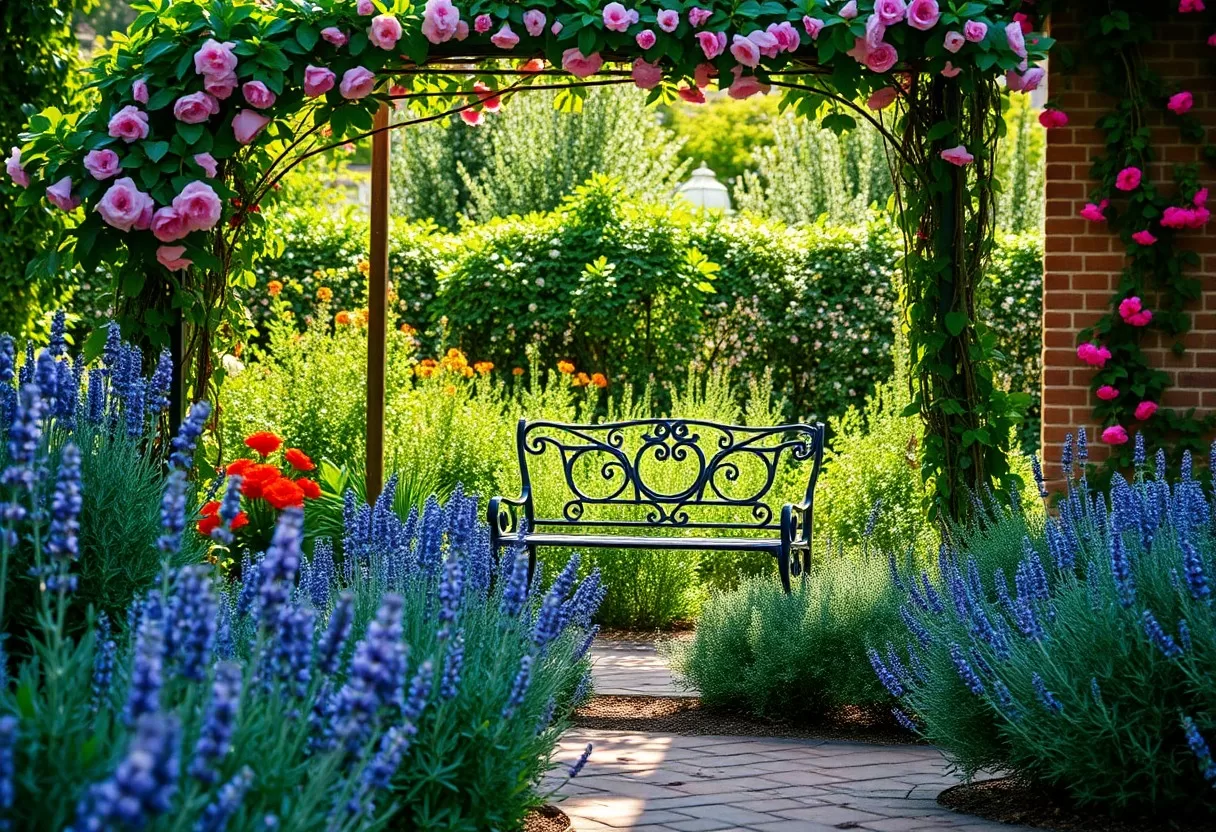
Choose aromatic plants that not only enhance your outdoor aesthetic but also thrive in your specific environment. Consider the plant’s fragrance intensity alongside its growth habits, to ensure they contribute positively to your space. Popular options include lavender, which offers a calming scent, and rosemary, with its invigorating aroma. Additionally, investigate native species that may require less maintenance and better adapt to local conditions, maximizing both scent and sustainability.
Climate Considerations: Choosing Flora for Your Environment
Your local climate significantly influences which aromatic plants will flourish. Temperature, humidity, and precipitation levels dictate plant resilience and scent production. For instance, Mediterranean herbs like thyme and sage thrive in dry, sunny areas, while peppermint prefers more moisture. Assessing your regional climate ensures that the plants you choose will not only survive but emit their fragrances effectively throughout the growing season.
Seasonal Scent Profiles: Planning for Year-Round Appeal
Incorporating a diverse selection of aromatic plants allows your outdoor space to maintain its fragrant allure throughout the year. Early spring blooms like jasmine offer vibrant scents, while summer brings the sweet notes of nectar-rich flowers. Autumn showcases spicy herbs such as cinnamon basil, and winter presents the invigorating scents of evergreen foliage and scented winter blooms. By layering these plants strategically, you can create a dynamic aromatic experience that evolves with the seasons.
Planning for seasonal scent profiles enables you to create an aromatic landscape that captivates you and your guests year-round. Consider mixing plants like lilac for spring, followed by eucalyptus in summer, chrysanthemums in fall, and wintergreen for the colder months. This approach not only provides diverse fragrances but also enriches your garden’s visual appeal, ensuring that your space remains inviting and engaging regardless of the season.
Innovative Layouts: Designing with Scent in Mind
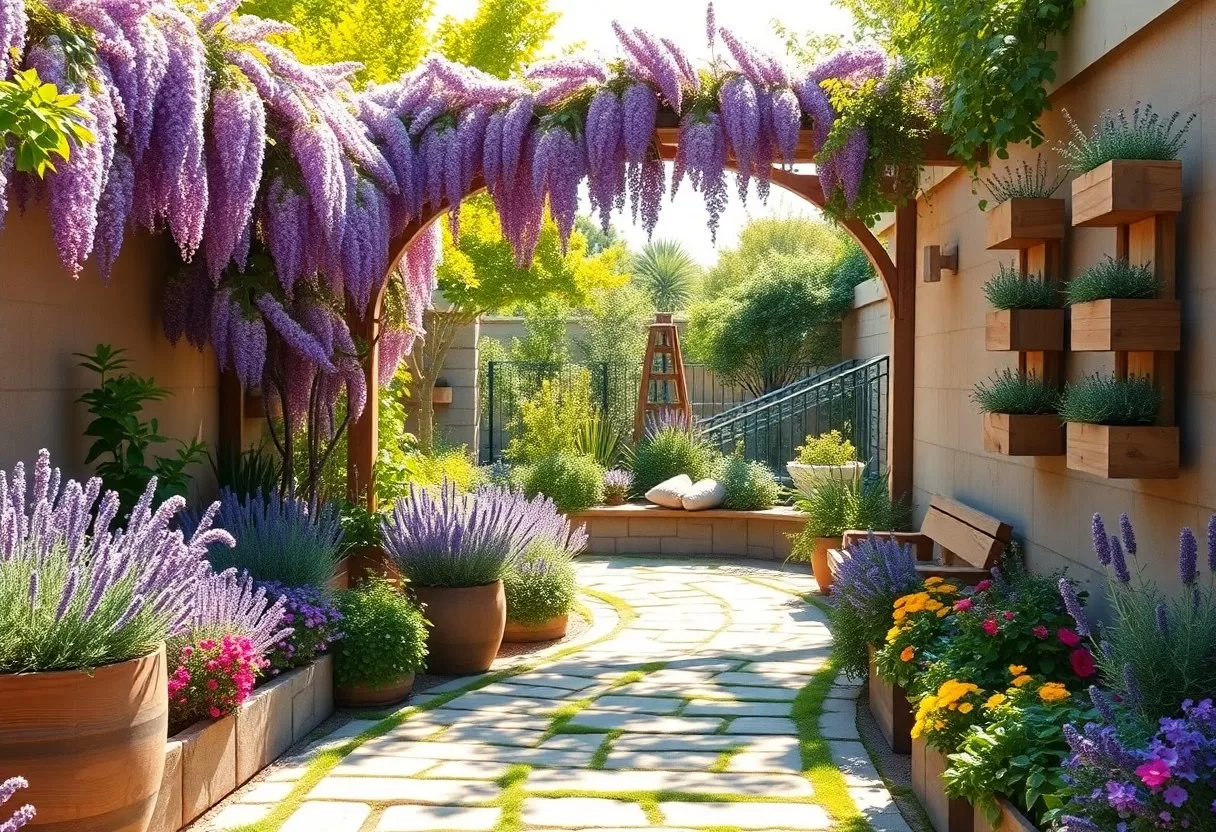
Designing outdoor spaces around aromatic plants involves more than just selecting fragrant species; it requires an innovative layout to maximize sensory experiences. Your approach should consider sightlines, elevation changes, and focal points, positioning aromatic plants to create memorable journeys through your garden. Utilizing varied textures, colors, and heights can enhance the visual appeal while ensuring that scents waft through the area, inviting exploration.
Creating Pathways: How to Guide the Nose through Spaces
Pathways can shape the sensory journey through your outdoor space. Incorporate winding paths bordered by aromatic plants to create a fragrant trail that entices you to wander. Choose plants like lavender, rosemary, or jasmine, which release their scents as you brush past them, guiding your nose along the walk. The interaction between movement and scent creates an immersive experience that deepens your connection to the garden.
Strategic Planting: Layering Aromatic Plants for Maximum Impact
Layering aromatic plants strategically enhances scent diffusion and visual interest. By placing taller plants like jasmine or rose at the back and low-growing herbs such as thyme and oregano in front, you create a dynamic and fragrant tapestry. This vertical approach not only maximizes space but also ensures that aromas mingle and become more pronounced, especially during breezy days.
To increase the impact of your aromatic garden, consider grouping plants with similar growing requirements while ensuring they bloom at staggered times for continuous fragrance. For instance, combine lavender and scented geraniums to enjoy varying scents throughout the seasons. Use companion planting techniques to improve health and vigor; herbs like basil can enhance the flavor of nearby plants while contributing pleasing aromas to the air. By dedicating specific areas to distinct aromatic families, you can also create “scent zones” that entice you to linger and explore.
Maintenance and Sustainability of Aromatic Gardens
Maintaining an aromatic garden involves a blend of regular care and sustainable practices to ensure long-lasting beauty and fragrance. You can minimize water usage while enriching your garden with organic mulch, which retains moisture and suppresses weeds. Regularly pruning back overgrown plants not only encourages healthy growth but also helps in enhancing their aromatic profiles. Implementing crop rotation with companion planting, particularly with pest-repelling herbs, supports biodiversity and enhances overall garden health.
Care Tips for Thriving Fragrant Plants
For fragrant plants to flourish, focus on these imperative care tips:
- Water plants deeply but infrequently to encourage root growth.
- Utilize organic fertilizers to promote healthy, aromatic foliage.
- Ensure well-drained soil to prevent root rot.
- Apply mulch to retain moisture and suppress weeds.
Recognizing the specific needs of each plant variety will lead to a garden bursting with fragrance.
Eco-Friendly Practices to Enhance Aroma without Harm
Utilizing eco-friendly practices not only boosts the aroma of your garden but also protects the environment. Choose natural pest deterrents like neem oil or insecticidal soaps instead of chemical pesticides. You can also foster beneficial insects, such as ladybugs and lacewings, by planting nectar-rich flowers nearby. Rainwater collection for irrigation reduces waste and promotes sustainability, while composting organic waste enriches your soil naturally, enhancing the health and scent of your aromatic plants.
Embracing eco-friendly techniques encourages a vibrant ecosystem within your garden. For instance, using homemade herbal sprays can keep pests at bay without introducing harmful chemicals. Incorporate native plants that naturally thrive in your region, as they require less water and maintenance. Choose biodegradable materials for garden borders and pathways to reduce plastic use. By prioritizing natural methods, you will cultivate a lush and fragrant space that benefits both your senses and the environment.
Transformative Spaces: Real-World Applications of Scent-Driven Design
Creating outdoor environments that prioritize aromatic plants can redefine experiences across various settings. Effective scent-driven design enhances not only the aesthetic of a space but also its emotional impact, transforming ordinary areas into immersive experiences. By strategically incorporating aromatic flora, you can create inviting atmospheres that resonate with users, fostering connection and tranquility.
Residential Environments: Making Homes Inviting
Your home can become a sanctuary by integrating fragrant plants into your landscaping design. Imagine stepping into a garden filled with the soothing scents of lavender and rosemary, creating a relaxing ambiance. Specific arrangements—such as placing highly fragrant plants near entryways or patios—can elevate your home’s welcoming feel, making every visit enchanting for you and your guests.
Commercial Spaces: Boosting Customer Experience through Aroma
Aromatic elements in commercial settings significantly enhance customer engagement. By incorporating scent into your business environment, challenges like stale air or uninviting atmospheres become a relic of the past. For example, using fragrances can evoke nostalgia or relaxation, thus encouraging longer visits and repeat patronage.
Research shows that scent influences consumer behavior, with up to 75% of emotions generated by smell. In a retail setting, introducing inviting aromas—like freshly brewed coffee or citrus—can increase foot traffic and stimulate sales. Brands such as Abercrombie & Fitch harness fragrance as a signature element, effectively appealing to emotional responses and enhancing brand identity. By thoughtfully selecting and integrating scents, you not only elevate customer experiences but also distinguish your space, fostering loyalty and satisfaction.
To wrap up
Upon reflecting, incorporating aromatic plants into your outdoor spaces not only enhances sensory experiences but also promotes connection with nature. By selecting the right fragrances, you can create a calming atmosphere that appeals to all your senses. Consider factors like climate, soil type, and maintenance needs to ensure your garden thrives. Ultimately, designing with aromatic plants enables you to craft an inviting environment that enriches your outdoor living and improves well-being.
FAQ
Q: What types of aromatic plants are best for outdoor spaces?
A: Popular aromatic plants include lavender, rosemary, mint, basil, and sage. These plants not only add fragrance but also attract beneficial insects and enhance the overall aesthetic of outdoor areas.
Q: How can I incorporate aromatic plants into my garden design?
A: Consider placing aromatic plants in key areas such as pathways, seating areas, or near windows to maximize scent diffusion. Grouping plants with complementary fragrances can create a more immersive aromatic experience.
Q: What are the maintenance requirements for aromatic plants?
A: Aromatic plants typically require well-drained soil and regular watering. Pruning and trimming are important for maintaining shape and maximizing fragrance. Be mindful of their sunlight needs, as most prefer full sun.