
Foodscaping Your Space – Growing Beauty & Bounty in One Garden
You can transform your outdoor space into a sustainable haven by foodscaping, blending ornamental plants with edible varieties. This innovative gardening approach not only beautifies your surroundings but also offers fresh produce right at your doorstep. By incorporating native plants and perennials, you promote biodiversity while enjoying lower maintenance. Embracing foodscaping allows you to create a visually appealing garden that enhances both aesthetics and functionality, leading to a more fulfilling gardening experience. Start your journey towards a garden that nourishes both the eye and the appetite.
Designing for Dual Purpose: Aesthetic Meets Edible
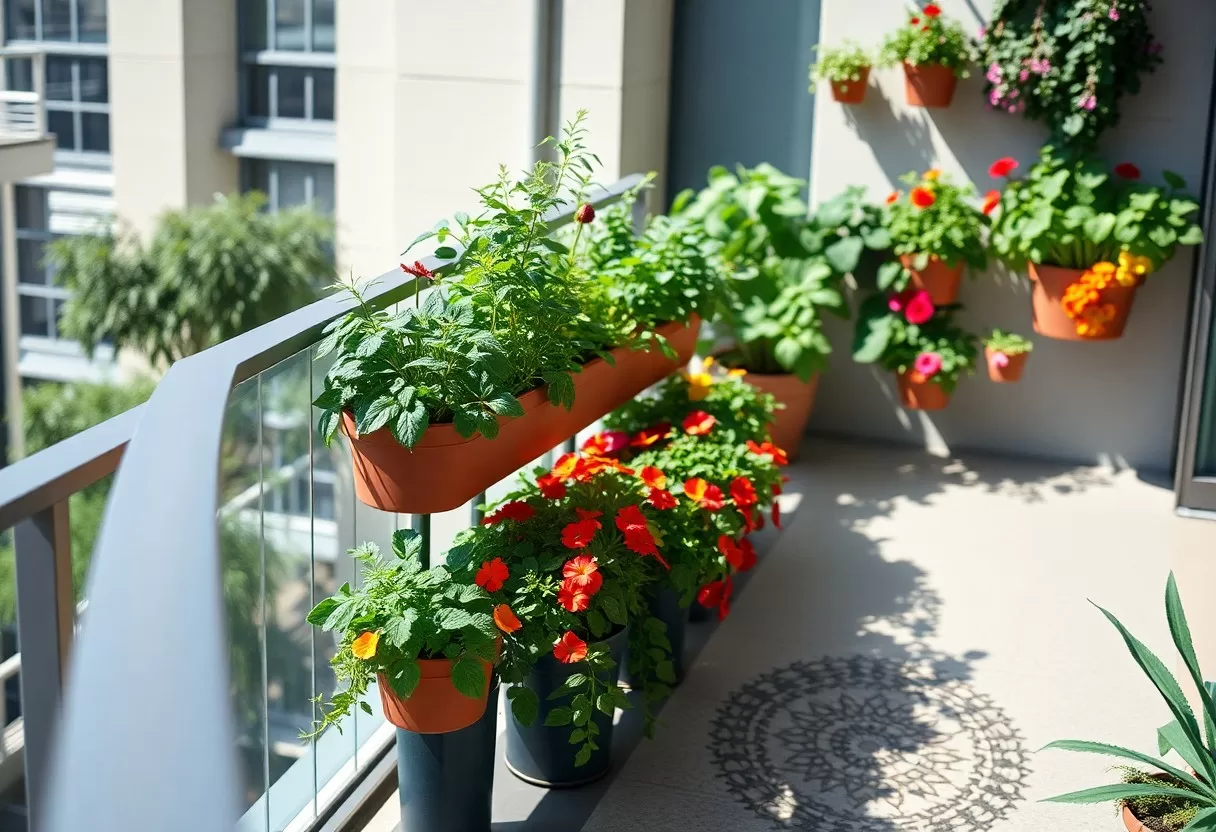
Creating a foodscape means merging beauty and utility into a cohesive design. Plan your garden layout to showcase the vibrant, colorful plants alongside traditional landscaping elements. By strategically integrating edible plants with ornamental choices, you can enhance both the visual appeal and productivity of your space, making it a source of beauty and nourishment.
Incorporating Color and Texture in Foodscaping
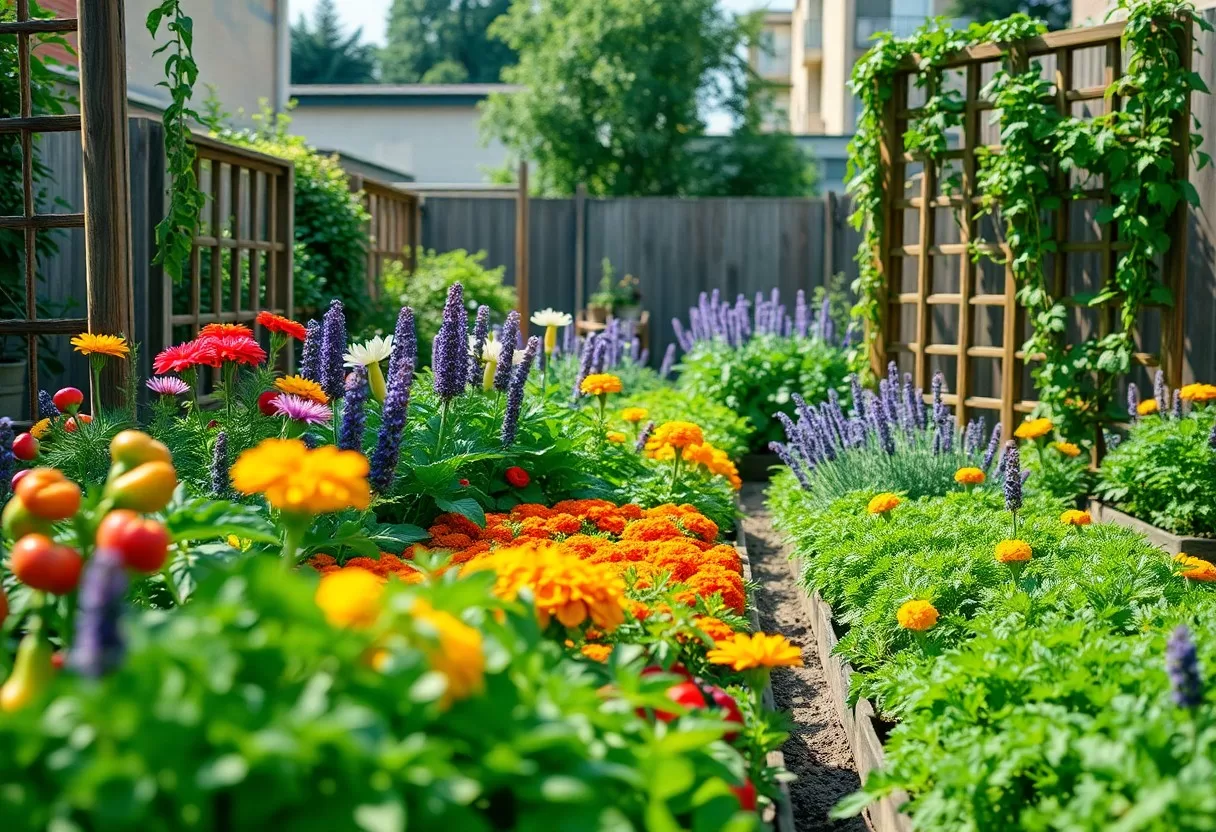
Your foodscape can be a feast for the eyes as well as the palate. Using a diverse palette of plants, you can create layers of color through vibrant fruits, rich greens, and seasonal flowers. Textural variety, such as the contrast between smooth basil leaves and the ruffled edges of kale, adds depth and interest, drawing the eye and inviting exploration.
Selecting the Right Plants for Visual and Culinary Appeal
Choosing the right plants involves balancing aesthetics and flavor. Aim for varieties that not only look appealing but also enhance your culinary creations. Select colorful fruits, aromatic herbs, and lush greens that thrive in your climate, ensuring both a stunning visual display and a flavorful harvest.
Consider planting heirloom tomatoes for their stunning colors and rich taste, or purple cauliflower that adds an eye-catching hue to your garden. Herbs like tricolor sage and variegated thyme can provide contrast while being useful in the kitchen. Tailor your selections to your cooking preferences, climate, and desired aesthetics, creating a garden that is as visually pleasing as it is functional. Using companion planting can enhance growth and help deter pests, maximizing both beauty and bounty in your foodscape.
Soil Science for Thriving Edibles and Beauties
Understanding Soil Health and Fertility
Your garden’s success hinges on healthy soil, rich in nutrients and microbial life. Soil fertility is defined by the availability of crucial nutrients, such as nitrogen, phosphorus, and potassium, that support plant growth. Understanding soil structure, pH, and organic matter content is vital for optimizing conditions for both your edible crops and ornamental plants. Regular soil testing can help you uncover specific needs, allowing you to tailor your amendments effectively.
Techniques for Enriching Garden Soil
Enhancing your garden soil involves various techniques that promote fertility and structure. Incorporating organic matter via compost, aged manures, or cover crops adds vital nutrients, encourages beneficial microorganisms, and improves drainage. Crop rotation and intercropping can prevent nutrient depletion and pest issues while ensuring your plants thrive. Utilizing mulch not only suppresses weeds but also maintains moisture levels and gradually enriches the soil as it decomposes.
Consider adding green manures like clover or rye during the off-season; these plants fix nitrogen and enhance soil structure when turned under. Implementing worm castings boosts microbial activity and nutrient availability, significantly benefiting your garden’s productivity. Alongside these practices, maintaining a balance of soil pH can unlock additional nutrient availability, ensuring your edibles and ornamental plants flourish together in harmony.
The Art of Plant Pairing: Companions and Contrasts
Mastering the art of plant pairing elevates your foodscape, enhancing both aesthetics and productivity. Utilizing companions like tomatoes and basil not only boosts flavor but also deters pests, while contrasts such as the vibrant greens of kale against the deep purple hues of eggplants create visual intrigue. By understanding the benefits of each plant’s unique qualities, you foster a garden that thrives harmoniously.
Harmonizing Flavors with Strategic Plant Selection
Selecting complementary flavors can transform your culinary experience. Pairing spicy peppers with sweet tomatoes not only offers a delightful taste contrast but also stimulates diverse pollinators, increasing yield. Certain herbs like rosemary and oregano can elevate the flavors of nearby vegetables while deterring harmful insects, ultimately creating a thriving ecosystem in your garden.
Visual Cohesion: Using Height and Foliage
Layering plants by height and contrasting foliage can create stunning visual appeal. Tall sunflowers provide a striking backdrop for low-spreading herbs like thyme, while the broad leaves of squash plants can fill in gaps, ensuring the garden is lush and full. This strategic layering not only enhances beauty but also maximizes sunlight exposure for all plants.
Utilizing height effectively not only creates a visually striking garden but also ensures that sunlight reaches all your plants. For example, the towering stalks of corn can act as natural support for climbing beans, while their large leaves provide shade for leafy greens. By integrating a variety of plant heights, you prevent overcrowding and boost air circulation, reducing disease risk. The lush textures and shapes also add depth, inviting curiosity as different layers reveal themselves over time, promoting a rich sensory experience.
Seasonal Strategies for Year-Round Harvest
Implementing seasonal strategies allows you to enjoy fresh produce throughout the year. By understanding your climate and seasonal patterns, you can select crops that thrive in varying conditions. Consider using cold frames or greenhouses to extend your growing season, ensuring that you always have something flavorful to harvest, even during colder months.
Planning a Diverse Garden Calendar
A diverse garden calendar is fundamental for continuous harvesting. List out your favorite vegetables and fruits, then categorize them into cool-season and warm-season crops. This will enable you to plant succession crops, ensuring there’s always something ready to pick. For instance, you could plant peas in early spring, followed by a summer crop of tomatoes.
Maximizing Space with Succession Planting
By employing succession planting, you can effectively maximize garden space and ensure a steady supply of fresh produce. Planting in intervals allows you to harvest crops in waves, rather than all at once. For instance, sowing a new batch of lettuce every two weeks leads to a consistent harvest that extends your growing season and reduces waste.
In practice, you could designate a 10-foot row for a crop like spinach. Plant seeds at the beginning of the season, and as you begin to harvest, replant empty spaces with another crop, like radishes or beets. This method not only keeps your garden productive but also increases biodiversity, as you experiment with different plants throughout the growing season. Transitioning between crops like these can lead to healthier soil and a varied diet, which is vital for both your garden and your table.
Sustaining Your Foodscape: Eco-Friendly Practices
To maintain a vibrant foodscape, adopting eco-friendly practices is vital. By implementing sustainable methods, you can improve soil health, reduce pests naturally, and conserve resources, ensuring your garden thrives while contributing positively to the environment. Techniques like composting and organic amendments enrich your soil, while water management strategies enhance efficiency in irrigation, fostering a flourishing and resilient garden. Embracing these practices not only benefits your plants but also supports biodiversity and minimizes your ecological footprint.
Organic Pest Management in an Edible Landscape
With organic pest management, you can protect your harvest without harmful chemicals. Utilizing methods like encouraging beneficial insects, companion planting, and employing natural repellents creates a balanced ecosystem in your garden. For example, planting marigolds can deter nematodes while attracting ladybugs to manage aphid populations. This holistic approach promotes a healthy edible landscape, ensuring pests are managed sustainably while safeguarding your plants.
Water Conservation Techniques for a Flourishing Garden
Effective water conservation techniques are vital for cultivating resilient plants while reducing waste. Implementing drip irrigation systems delivers water directly to the roots, minimizing evaporation losses. Utilizing mulch helps retain moisture in the soil, reducing the frequency of watering. Rain barrels can collect runoff, providing a sustainable water source for your garden, thus creating a self-sufficient ecosystem that allows your foodscape to thrive even in dry periods.
Incorporating further techniques can significantly enhance water efficiency in your foodscape. Employing techniques like greywater recycling channels excess water from sinks or showers back into your irrigation system, supporting your plants without additional resource consumption. Selecting drought-resistant plant varieties ensures a greener garden with lower water demands. Additionally, periodic soil testing can help maintain moisture levels, helping you optimize watering schedules based on specific plant needs while fostering a sustainable garden ecosystem.
To wrap up
The concept of foodscaping allows you to transform your garden into a harmonious blend of beauty and productivity. By incorporating edible plants alongside ornamental varieties, you can enhance your outdoor space aesthetically while also reaping the benefits of homegrown food. This approach not only maximizes your available area but also fosters a deeper connection to nature and your meals. Embrace the potential of your garden by designing a landscape that reflects your personal taste and culinary desires, ensuring that every plant serves a purpose, both visually and practically.
FAQ
Q: What is foodscaping, and how can it benefit my garden?
A: Foodscaping is the practice of integrating edible plants into traditional landscaping. This approach allows for both aesthetic beauty and functional food production in your garden. Benefits include enhanced biodiversity, reduced grocery costs, and the joy of growing your own fresh produce.
Q: What types of plants are best suited for foodscaping?
A: Ideal plants for foodscaping include herbs like basil and rosemary, fruits such as strawberries and blueberries, and a variety of vegetables like lettuce and peppers. Selecting plants that complement each other in terms of growth habits and aesthetics is vital for a harmonious garden.
Q: How can I design a foodscaping plan for my yard?
A: Start by assessing your available space and sunlight conditions. Create a layout that combines decorative and edible plants, considering height, color, and texture. Incorporate features like raised beds or vertical gardening to maximize space while ensuring accessibility for harvest and maintenance.