
This Common Mistake Could Be Killing Your Plants — Fix It in 2 Minutes
Mistake: Underestimating the importance of watering can lead to the untimely demise of your beloved plants. If you find your greenery drooping or browning, it’s likely due to inconsistent watering practices. In just two minutes, you can assess your watering technique and make simple adjustments that could restore vitality to your plants. Join us as we explore how a quick fix can transform your gardening success and ensure your plants thrive.

The Most Common Error That Plants Encounter
Many plant owners unknowingly contribute to their plants’ distress through improper watering practices, leading to detrimental health issues. A significant number of plants suffer from overwatering or underwatering, which can manifest in various ways, including yellowing leaves, wilting, and rodent infestations. Understanding the subtle signs and differences in your plants’ needs is vital to keeping them thriving and preventing tragic losses.
Identifying Overwatering vs. Underwatering
Overwatering typically presents symptoms such as yellow leaves, root rot, and a soggy soil texture, while underwatering leads to crispy, brown leaf edges and dry soil. Assessing your plant’s moisture needs can determine whether your watering technique is at fault. For instance, succulents thrive in drought conditions, while ferns prefer consistently moist soil.
The Impact of Poor Drainage on Plant Health
Poor drainage dramatically affects plant health by trapping water around the roots, leading to oxygen deprivation and root rot. As roots begin to decay, your plant loses its lifeline, resulting in stunted growth, wilting, or even death. Ensuring proper drainage can mean the difference between a flourishing plant and a dried-up husk.
Using pots with drainage holes is an effective strategy to prevent water from accumulating and suffocating the roots. Additionally, consider incorporating materials like perlite or coarse sand into your soil mix to enhance aeration and drainage. Monitoring the moisture levels after watering and allowing excess water to escape will set your plants up for a healthier life, ultimately showcasing their vibrant, natural beauty.
Quick Fixes: Revive Your Plants in 2 Minutes
Reviving your plants doesn’t have to be a lengthy process. With just two minutes of your time, you can implement a couple of quick fixes that will make a noticeable difference. Start by assessing the drainage situation around your plants and making necessary adjustments. Next, fine-tune your watering schedule to cater to the specific needs of each plant. These steps can breathe new life into your greenery, ensuring they flourish rather than suffer from over or under-watering.
Simple Draining Solutions You Can Use
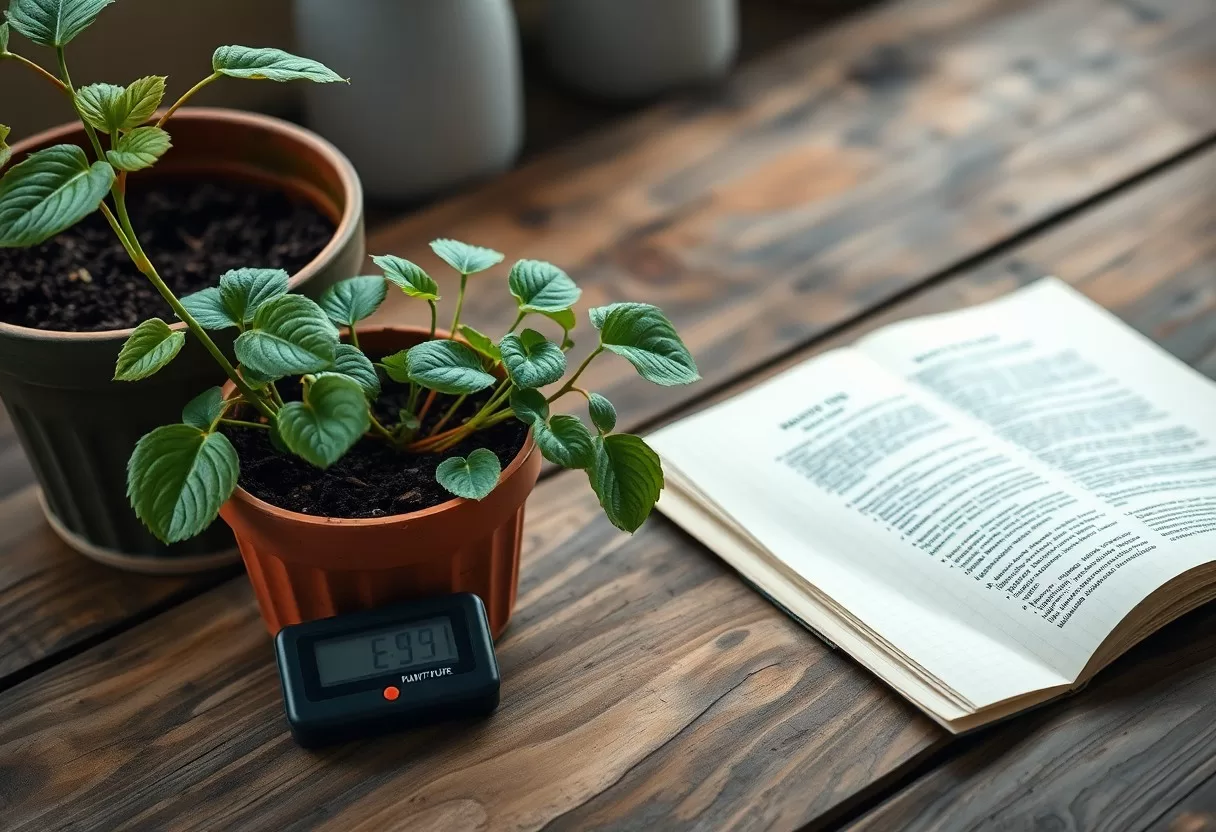
If your plant’s roots are sitting in soggy soil, consider elevating the pot using small rocks or making use of a pot with drainage holes. You can also add a layer of gravel to the bottom of the pot to facilitate better water flow. Using a moisture meter can help you gauge when it’s time to water, preventing the water-logged conditions that lead to root rot and other issues.
Adjusting Your Watering Schedule for Optimal Growth
Every plant has its own unique watering needs based on its type, size, and environmental conditions. Observing changes in your plants can guide you in adjusting your watering schedule. For instance, succulents prefer to dry out completely between waterings, while ferns thrive in consistently moist soil. Utilize a calendar or smartphone reminders to keep your watering consistent and tailored to seasonal variations, enhancing your plants’ overall growth and vitality.
Understanding and adapting your watering schedule requires some observation. Monitoring the moisture level of the soil and noting your plant’s response to watering can eliminate guesswork. For example, if you notice drooping leaves after a few days of no water, it’s time to reassess your intervals. On the flip side, yellowing leaves can signal over-watering. Keeping a journal of your observations can help tailor your routine and ensure that each plant’s needs are met specifically, optimizing their health and growth.
Beyond Watering: Other Care Mistakes to Avoid
Watering isn’t the only factor affecting your plants’ health; there are several other care mistakes that could be holding you back from cultivating a thriving garden. Overlooking the importance of light, nutrients, and soil conditions can lead to stunted growth and even death for your plants. Understanding what your plants really need goes beyond just hydration — it requires a full-spectrum approach to their care for optimal growth and vitality.
The Role of Lighting and Positioning
Light exposure directly impacts your plants’ ability to photosynthesize, which in turn affects their growth and overall health. Positioning plants where they can receive the right amount of sunlight—whether that’s direct, indirect, or filtered light—is vital. Too little light can cause spindly growth, while too much can scorch leaves, leading to critical stress.
Nutrient Deficiencies You Might Not Notice
Even a well-watered plant can suffer if it isn’t given adequate nutrients. Signs of nutrient deficiencies often go unnoticed until they manifest as yellowing leaves or stunted growth. Essential nutrients like nitrogen, phosphorus, and potassium, as well as trace minerals, are vital for robust plant health; a lack can seriously impede your plants’ development.
Nutrient deficiencies can be subtle yet damaging. For instance, yellowing leaves often indicate a nitrogen deficiency, while dark green, curling leaves may signal a potassium shortage. Conducting regular soil tests can be invaluable in diagnosing these issues before they escalate. Additionally, choosing a balanced fertilizer tailored to your plant species can help replenish their nutrient levels, ensuring they have everything they need to flourish.
Adapting Care Techniques to Different Plant Species
Understanding that not all plants have the same needs is imperative for ensuring their vitality. Different species thrive under specific conditions, which means that adjusting your care techniques accordingly can make a significant difference. For instance, a plant’s light requirement varies greatly between a sun-loving cactus and a shade-preferring fern. Consequently, creating an individualized care regimen for each species in your collection will lead to healthier plants and a more vibrant garden.
Tailoring Practices for Succulents vs. Tropical Plants
Succulents typically thrive in well-draining soil and require minimal watering, making them ideal for dry environments. Conversely, tropical plants necessitate more moisture and humidity, which means you should check their soil regularly and ensure they’re in a warm, humid location. Customizing your watering schedule and lighting exposure for each plant type will promote optimal growth and prevent issues like rot or wilting.
Resources for Further Plant-Specific Guidance
Not every care approach will work for every plant species, so accessing tailored resources is invaluable. Online platforms such as gardening forums, specific plant care websites, and social media groups can offer guidance catered to individual plants. Books dedicated to specific plant families or types also serve as excellent references, providing you with critical best practices to ensure successful growth.
Plant care resources are abundant and often offer firsthand experiences from other plant enthusiasts. For example, websites like the Royal Horticultural Society provide detailed guides on the care needs of specific species, focusing on aspects like soil type, watering frequency, and light requirements. Utilizing a diverse array of these resources allows you to refine your practices, making it easier to anticipate the needs of your plants and respond effectively to changes in their health and environment.
Transforming Your Plant Care Routine for Longevity
Revamping your plant care routine can significantly improve the lifespan of your greenery. Start by ensuring you are not just watering them but that you’re doing it correctly. For instance, you’re making a watering mistake that could be killing… your potted plants. Comprehensive care routines tailored to each species, perfect lighting, and the right soil mix will dramatically enhance your plants’ growth and hardiness.
Building Consistent Care Habits
Forming a routine is foundational for your plant care success. Schedule regular checks to ensure your plants receive the right moisture, light, and nutrients. By establishing this behavior, you naturally become attuned to your plants’ subtle changes, which can indicate distress or improvement.
Tools and Apps to Enhance Plant Monitoring
Embrace technology to enhance your monitoring efforts. Numerous apps are designed to help you track watering schedules, light exposure, and humidity levels. For instance, some allow you to input your specific plant species and receive tailored care tips, ensuring you’re always a step ahead.
Apps like PlantSnap or Flora can become your best allies in plant care. They can identify plant species, suggest optimal conditions, and remind you when to water or fertilize. Moreover, devices like smart moisture meters take the guesswork out of watering by providing real-time data about your plants’ moisture levels. Utilizing these resources enables you to provide consistent and informed care, ultimately leading to thriving plants.
Final Words
Considering all points, addressing this common mistake can significantly improve the health of your plants. By simply adjusting your watering habits and ensuring proper drainage, you can provide your plants with the optimal environment they need to thrive. Taking just two minutes to assess and correct these issues can lead to lush, vibrant greenery in your home or garden. Your plants will thank you with their beauty and resilience, making your effort worthwhile.