
Fire-Resistant Landscaping – Protecting Your Home with Smart Yard Design
There’s a growing need to consider fire-resistant landscaping as a means to safeguard your home. By strategically designing your yard with flame-resistant materials and plants, you can significantly reduce the risk of fire damage while enhancing your property’s curb appeal. Utilizing fire-resistant plants, creating defensible space, and maintaining proper maintenance practices are all vital steps in using smart yard design to protect your home from potential wildfires. With the right approach, your landscape can provide both beauty and safety.
Key Takeaways:
- Utilize fire-resistant plants and materials in landscaping to reduce the risk of fire spread to structures.
- Design a defensible space by creating buffer zones with low-flammability vegetation and hardscape features.
- Maintain regular yard upkeep, including clearing debris and trimming overgrown plants, to enhance fire safety.
Understanding Fire-Resistant Landscaping
Fire-resistant landscaping involves strategic planning and plant selection to create a defensible space around your home. By utilizing fire-resistant materials and designs, you can significantly reduce the vulnerability of your property to wildfires, protecting not only your home but also the surrounding ecosystem.
The Importance of Fire-Resistant Design
Implementing fire-resistant design is vital for safeguarding your home from potential wildfire threats. It creates a barrier against flames and reduces the chances of embers igniting your property. Well-designed landscapes can not only protect your home but enhance its overall aesthetic, making it an invaluable investment.
Key Principles of Fire-Resistant Landscaping
Incorporating fire-resistant landscaping principles means focusing on three key aspects: plant selection, spacing, and material use. Choose native and drought-resistant plants that retain moisture and are less likely to ignite. Maintain proper spacing between plants to reduce fire spread and use non-combustible materials for hardscapes and structures.
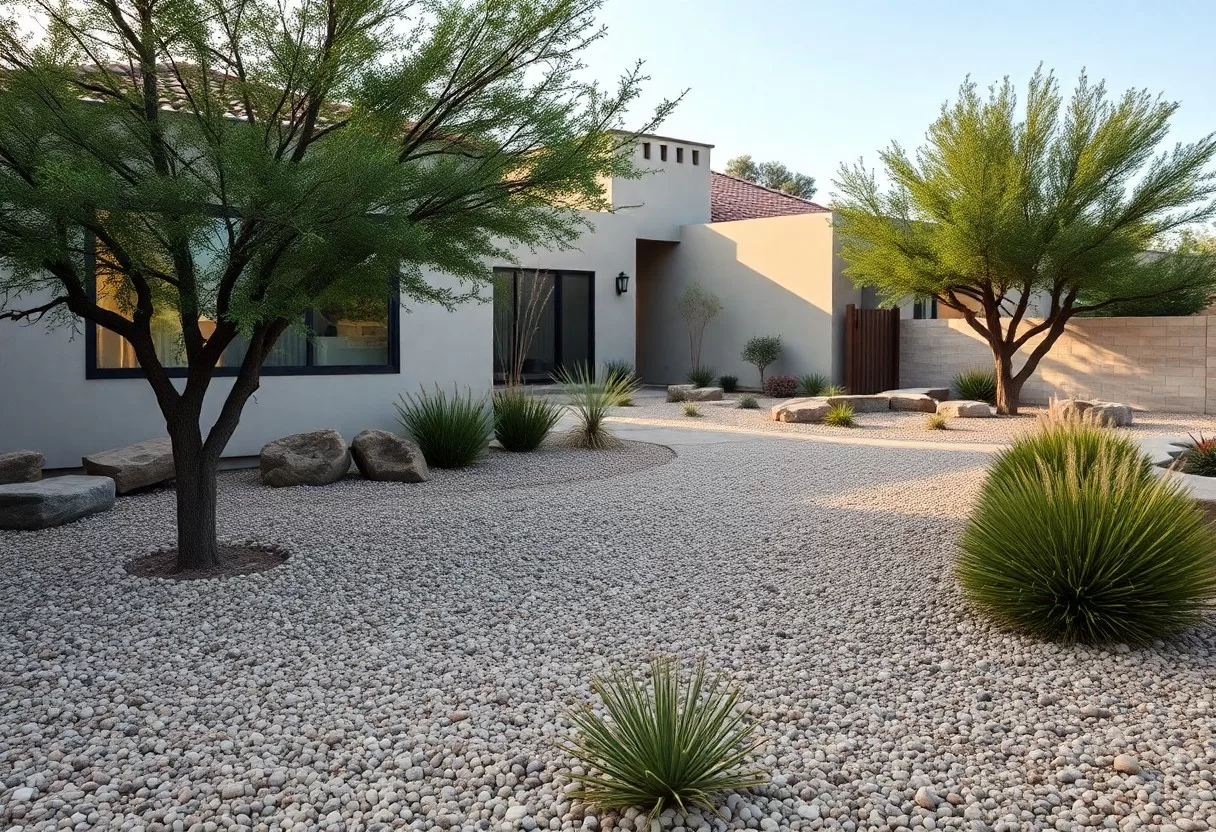
Selecting the right plants is vital; consider species such as lavender or succulents that offer beauty and resilience against fires. Maintain clear zones around your home by implementing irrigated landscaping, which helps keep vegetation healthy and reduces flammable material. Additionally, using rocks, gravel, and concrete for walkways and patios can further minimize fire risks. Creating a well-planned landscape not only enhances your home’s safety but also contributes to its aesthetic charm.
Selecting Fire-Resistant Plants
Choosing the right plants is imperative for reducing fire risk around your home. Opt for species that are naturally more resistant to flames and heat. For guidance, check out resources like Create a Fire Smart Yard. Native plants are often a great choice, as they are adapted to local environments and typically require less maintenance and watering.
Recommended Plant Species
Some excellent fire-resistant options include lavender, rosemary, sage, and ornamental grasses. These plants not only withstand heat but also provide aesthetic appeal. Choosing drought-tolerant natives like California lilac or manzanita further enhances your landscape’s resilience against fire.
Strategic Plant Placement
Placement of plants can greatly impact their effectiveness in fire prevention. By grouping your fire-resistant plants at least 30 feet away from your home and incorporating gravel or stone landscaping in between, you create a barrier that slows fire spread. Keep the landscape well-maintained and free from dead vegetation to minimize risk.
When designing your yard, consider the layout of your plants in relation to your home’s structure. Arrange denser, low-growing fire-resistant plants closer to your house while placing larger shrubs and trees further away to create a protective zone. This separation can help create a defensible space, enabling firefighters to do their job more effectively if a fire occurs. Additionally, ensure proper irrigation to keep these plants healthy and enhance their fire resistance.
Hardscaping and Non-Combustible Materials
Integrating hardscaping into your landscaping design significantly enhances fire resistance. Utilizing materials like concrete, stone, and brick helps create a barrier against fire, diminishing the risk of flames spreading to your home. Pathways, patios, and retaining walls made from non-combustible materials can provide crucial firebreaks while also offering aesthetic appeal and functionality to your yard.
Incorporating Fire-Resistant Hardscapes
When you select fire-resistant hardscapes, opt for materials that can withstand high temperatures without igniting. Use pavers, gravel, and metal fixtures to create a safe space around your home. Surrounding your property with a non-combustible periphery, like stone borders or concrete walkways, not only enhances visual appeal but also reduces fire risk significantly.
Benefits of Non-Combustible Materials
Choosing non-combustible materials for your yard design offers numerous advantages. These materials provide enhanced fire resistance, lower maintenance costs over time, and increased durability against weather elements. Using non-combustible options also helps you maintain compliance with local fire codes, making your property safer and more attractive to potential buyers should you consider selling in the future.
By incorporating non-combustible materials, you create a landscape that is both aesthetically pleasing and functionally protective. For instance, non-combustible materials can greatly decrease the overall risk of property damage during wildfires, as they don’t ignite easily and can help contain flames. Additionally, they require significantly less upkeep, as they aren’t susceptible to rot, decay, or insect damage like traditional wood materials, making them a long-term investment in your home’s safety and beauty.
Creating Defensible Space
Establishing defensible space around your home is vital in minimizing fire risk. This area serves as a buffer, allowing you to protect your property from wildfires. A well-designed defensible space ensures that flammable vegetation, debris, and other hazards are kept at bay, significantly increasing your home’s chances of survival during a fire. With a strategic layout, you can enjoy your landscape while enhancing safety.
Zones of Defensible Space
Your defensible space is typically divided into three zones, each with specific requirements. The first zone, extending up to 30 feet from your home, should consist of non-combustible materials and fire-resistant plants. The second zone, from 30 to 100 feet, can include more vegetation, but it must be spaced appropriately to reduce fire spread. The third zone, beyond 100 feet, allows for natural landscaping, focusing on maintaining healthy distances between trees and shrubs.
Maintenance Practices for Defensible Areas
Regular maintenance within your defensible space is vital for its effectiveness. Keep grass mowed to a maximum height of around 4 inches, remove dead vegetation, and create a clear zone free of flammable materials. Additionally, trim tree branches to a height of at least 6 to 10 feet off the ground and ensure that all vegetation is well spaced to minimize fire propagation.
Among the best practices for maintaining defensible areas, conducting seasonal inspections is key. During the spring and fall, check your landscape for excess debris and overgrown vegetation. Regularly remove any accumulation of dead leaves, pine needles, and branches that could serve as fuel. Clear a 5-foot radius around your home by keeping flowerbeds, shrubs, and trees well-trimmed and away from windows and vents. This ongoing effort not only helps protect your home but also creates a visually appealing landscape that you can enjoy year-round.
Irrigation and Water Management
Incorporating effective irrigation and water management techniques into your landscape design significantly bolsters fire resistance by maintaining healthier plant life and reducing dry, flammable materials. By ensuring a consistent moisture level in your landscape, you can discourage the growth of fire-prone vegetation and promote a thriving environment that can better withstand heat.
Effective Irrigation Systems
Implementing drip irrigation systems is an excellent way to target water directly to plant roots, minimizing evaporation and runoff. This method not only conserves water but also keeps your plants healthier, which in turn reduces the fire risk associated with parched foliage.
Water-Saving Landscaping Techniques
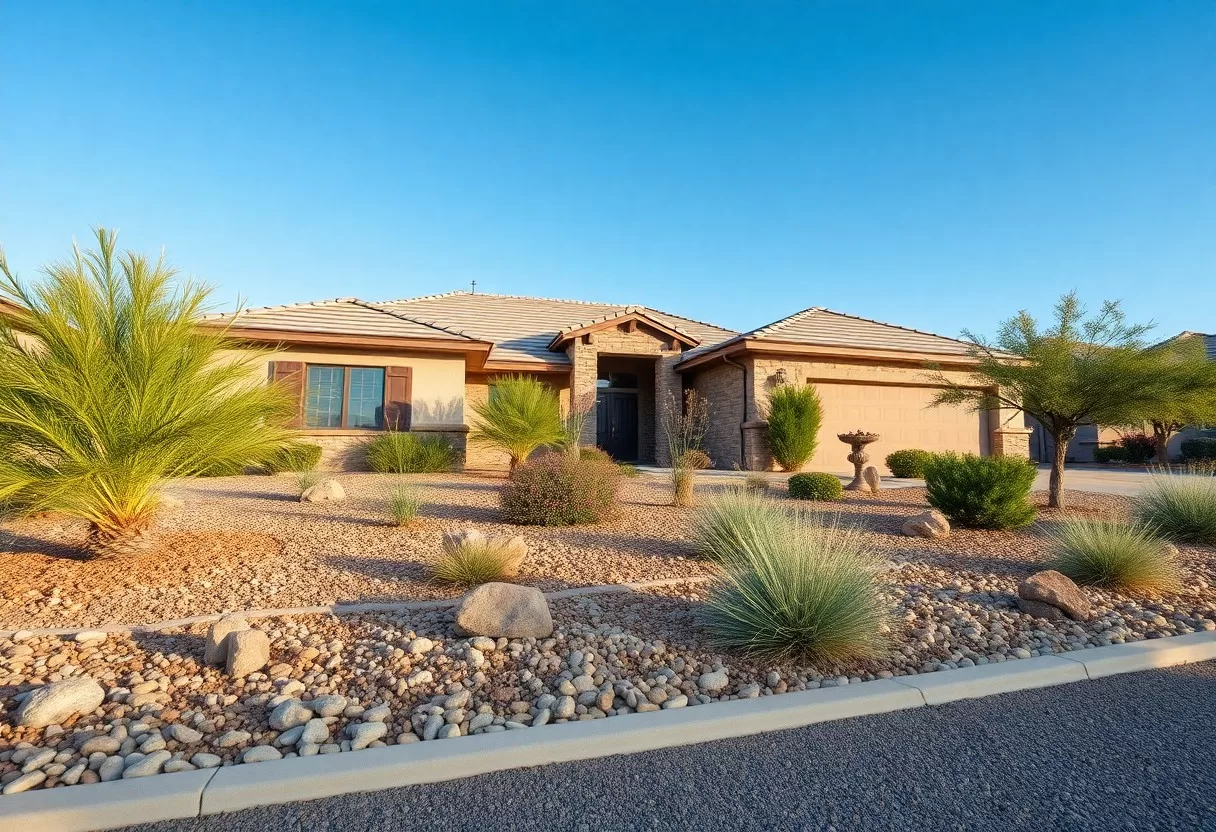
Employing xeriscaping principles can drastically reduce your water usage while creating an aesthetically pleasing landscape. By selecting drought-resistant plants, utilizing mulch, and designing efficient irrigation layouts, you improve the resilience of your yard against fire hazards.
Water-saving landscaping techniques extend beyond simply choosing the right plants. Implementing strategies such as using organic mulch retains soil moisture, while grouping plants with similar water needs can optimize irrigation efficiency. Rainwater harvesting systems can capture natural precipitation for later use, further enhancing your landscape’s defense against fire risks by keeping vegetation hydrated. By actively managing water resources, you promote a sustainable landscape that contributes to overall fire resilience.
Community Efforts and Resources
Engaging in community efforts can amplify your fire-resistant landscaping endeavors. When neighborhoods come together, you can share knowledge, resources, and strategies for creating Fire Smart Landscape Basics. Collaborative workshops and educational programs often provide practical insights, enabling you to strengthen both your home and your community’s defenses against wildfires.
Collaborating with Neighbors
Coordinate with your neighbors to landscape with fire resistance in mind. By sharing responsibilities, you create a unified buffer zone that collectively lowers fire risk. Organize community clean-up days to remove flammable debris, or establish a neighborhood plant exchange for fire-resistant plant species that thrive in your climate, enhancing your efforts while fostering strong community bonds.
Local Resources and Programs
Explore local resources to enhance your landscaping strategy. Many municipalities offer programs aimed at fire prevention, providing you with incentives for implementing fire-resistant designs. Additionally, agricultural extensions or environmental organizations may offer workshops and resources on drought-tolerant and fire-safe plants specific to your region’s ecology.
Local organizations often have funding opportunities to assist with fire-resistant landscaping initiatives. For instance, some programs may reimburse residents for installing firebreaks or offer free consultations for creating defensible spaces. Stay informed about these programs through local government websites or community bulletins. Engaging in these initiatives not only protects your home but also promotes environmental stewardship within your community.
Summing up
The implementation of fire-resistant landscaping is important for protecting your home from wildfire threats. By strategically designing your yard with fire-resistant plants, hardscaping, and proper spacing, you can significantly reduce the risk of fire damage. Prioritizing these measures not only enhances your property’s safety but also contributes to the overall resilience of your community against wildfires. Investing time and resources into smart yard design can provide peace of mind, knowing that you have taken proactive steps to safeguard your home.
Q: What types of plants are considered fire-resistant for landscaping?
A: Fire-resistant plants typically include those with high moisture content, thick leaves, and low resin content. Examples are succulents, flowering perennials like daylilies, and shrubs such as manzanita. These plants are less likely to ignite and can help create a safer environment around your home.
Q: How can hardscaping contribute to fire-resistant landscaping?
A: Hardscaping involves using non-combustible materials like stone, brick, or concrete in your landscape design. By incorporating paths, patios, and walls made from these materials, you can effectively create barriers that reduce the risk of fire spreading to your home while also enhancing the aesthetic appeal of your yard.
Q: What design strategies enhance fire-resistance in yard layout?
A: Effective design strategies include creating defensible space by placing plants at least 30 feet away from structures, using clusters of plants with space in between for airflow, and incorporating fire breaks, such as gravel or rock. Additionally, arranging plants in zones based on their flammability can minimize risk while promoting natural beauty.