
Keeping Cities Cool: Europe’s Response to Rising Temperatures
Europe is facing record-breaking heatwaves that put your health and daily life at risk, with temperatures soaring above 46°C in some regions. As these extreme conditions intensify wildfires and strain infrastructure, cities are adopting innovative strategies to protect you and your community. From shaded Cool Spots in Antwerp to Valencia’s expanding network of climate shelters, there are practical solutions designed to give you relief during hotter days.
Urban Innovations: Belgium’s Cool Hotspots
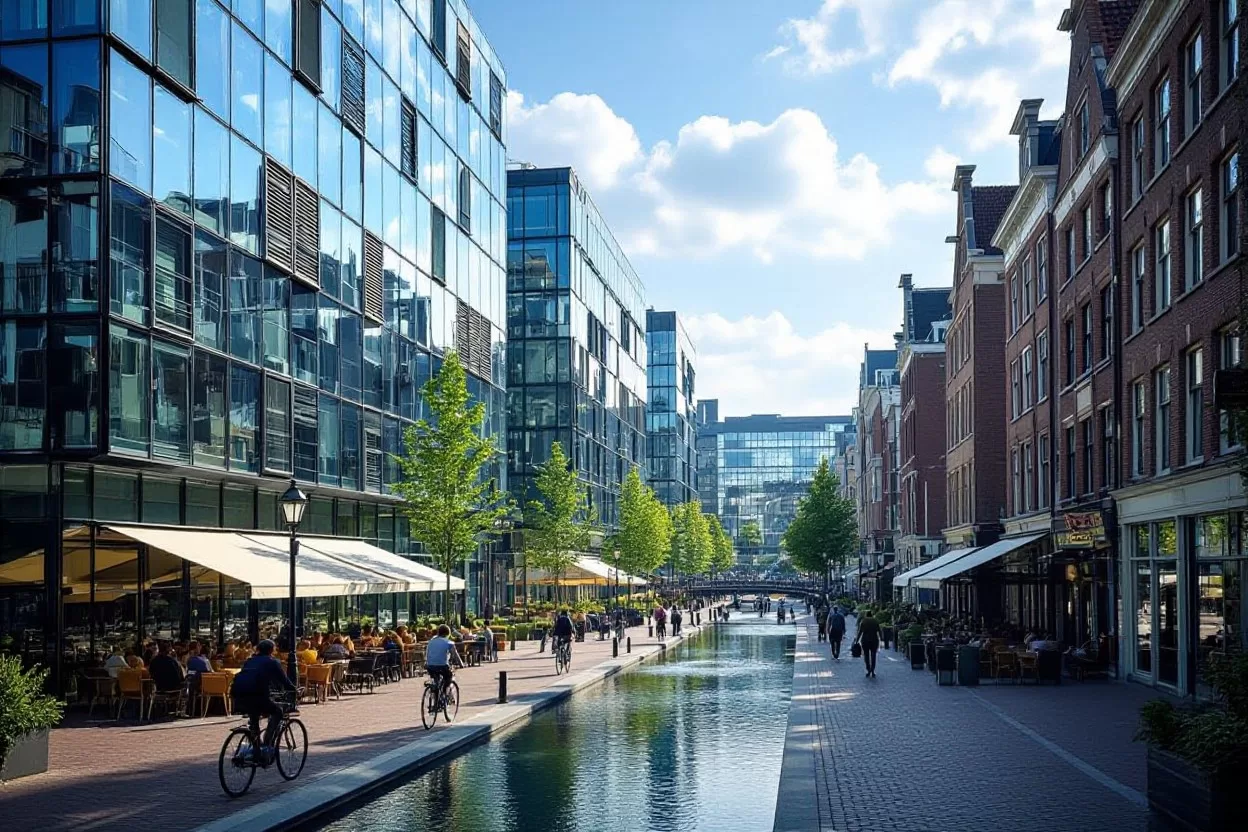
Belgian cities are deploying inventive strategies to cool urban spaces and shield residents from soaring temperatures. Antwerp and Ghent stand out with their complementary approaches: Antwerp’s Cool Spots deliver immediate shade and respite during heatwaves, while Ghent’s Green Routes foster long-term sustainability and connectivity through extensive green corridors. Both leverage scientific data and community involvement to prioritize vulnerable neighborhoods and enhance urban biodiversity. These initiatives illustrate how you can experience tangible relief now, while contributing to broader ecological resilience that mitigates heat effects citywide.
Antwerp’s Cool Spots: Crafting Urban Oasis
Antwerp’s Cool Spots transform small public areas—each at least 200 m² with over 80% tree canopy—into accessible, shaded refuges offering seating and drinking water. Sites like the redesigned Den Bell square showcase how replacing paved surfaces with vegetation and water features can reduce local temperatures significantly. Guided by heat mapping and the Wet Bulb Globe Temperature index, these oases prioritize vulnerable groups such as children and the elderly, ensuring you can find immediate relief within a short walk from home, especially during the hottest days.
Ghent’s Green Routes: A Path to Sustainability
Ghent is connecting its cityscape through an ambitious network of Green Routes, designed to increase tree cover, improve air quality, and facilitate cooler pedestrian and cycling pathways. These corridors not only reduce urban heat islands but also promote sustainable mobility, inviting you to walk or bike through shaded, natural environments. This nature-based infrastructure integrates parks, riverbanks, and street-side greenery, turning the city into a resilient, breathable habitat for residents and wildlife alike.
Expanding over dozens of kilometers, Ghent’s Green Routes interlink diverse neighborhoods with continuous stretches of trees and green spaces, doubling as ecological corridors that support biodiversity while countering heat stress. The city incorporates rain gardens and permeable surfaces along these routes to manage stormwater and mitigate flooding risks intensified by climate change. By embedding nature into everyday commutes and leisure walks, Ghent actively reduces surface temperatures by up to 3°C in key zones, inviting you to experience a cooler, healthier urban environment year-round.
Spain’s Strategic Climate Response
Spain is intensifying efforts to protect residents from extreme heatwaves by combining infrastructure upgrades and community-focused interventions. Cities like Valencia and Getafe are pioneering initiatives that go beyond emergency responses, embedding climate resilience into urban fabric. This strategic approach ensures vulnerable populations can access safe, cool environments while structural adaptations reduce overall heat exposure. For a detailed overview of these innovative city programs, see Cooling the City: How European Cities are Adapting to Extreme Heat.
Valencia’s Climate Shelters Network: A Safety Net for Citizens
Valencia’s Climate Shelters Network transforms public buildings into cool refuges during lengthy heatwaves. Operating beyond alert periods, these shelters offer air conditioning or natural ventilation alongside drinking water and vital amenities. Since its 2022 launch, the network has activated 10 shelters and plans to double this by 2025, providing equitable thermal comfort for vulnerable groups. Community-led training programs like Coolturate enhance local capacity, combining low-tech cooling solutions with energy poverty awareness to effectively protect residents.
Getafe Rehabilita: Reviving Urban Spaces for Resilience
Getafe Rehabilita targets urban heat by upgrading building insulation and integrating green infrastructure within vulnerable neighborhoods. Partnering with universities and NGOs, the project pilots interventions in Margaritas and La Alhóndiga, addressing both energy poverty and extreme heat. Passive cooling methods and façade retrofits reduce indoor temperature peaks, while outdoor shading and vegetation improve neighborhood thermal comfort. This cross-sector collaboration transforms your urban environment into a more climate-resilient space.
This initiative’s breadth includes a comprehensive action catalogue scaling lessons from the UIA EPIU Healthy Homes project. It features detailed techniques such as façade insulation materials optimized for heat reflection, rainwater harvesting systems supporting urban greenery, and community workshops fostering climate-conscious practices. The pilot neighborhoods serve as living labs, allowing monitoring and refinement before citywide roll-out. By synchronizing building renovation with urban greening, Getafe Rehabilita exemplifies how you can reduce your city’s heat vulnerability through integrated, evidence-based strategies.
France’s Fresh Perspectives on Heat Management
French cities are pioneering inventive heat adaptation strategies combining immediate relief with long-term urban transformation. In Toulouse, the Toulouse + fraîche plan launched in 2023 integrates 30 experimental measures, from innovative shading prototypes to ambitious tree planting campaigns aiming for over 100,000 new trees by 2030. These efforts focus on protecting vulnerable groups and reshaping public spaces. Alongside this, the broader French approach includes operational adjustments like extended pool hours, adapted staff schedules, and incentivizing public transport use on hot days, forging a multifaceted, community-centered heat resilience framework.
Toulouse + Fraîche: Engaging Communities in Thermal Solutions
You’ll find Toulouse testing shading structures such as canvas pergolas, Andalusian-style shade sails, and inflatable mobile shades across streets and squares, identifying which work best for various urban contexts. Combining these with substantial greening, notably planting around schools and care facilities, the plan prioritizes vulnerable populations. Municipal adaptations like longer swimming pool hours and discounted public transport encourage heat-avoidance behaviors while fostering community engagement. This blend of experimental design and social measures places residents at the heart of sustainable heatwave response.
The Swimmable Cities Alliance: New Paradigms for Urban Water Use
The Swimmable Cities Alliance is reshaping how you experience urban waterways by promoting their restoration as cool, accessible refuges during soaring temperatures. Ahead of the 2024 Paris Olympics, over 100 organizations in 59 cities across 22 countries pledged to reclaim rivers, canals, and harbors to meet bathing water standards, transforming them into livable, climate-resilient public assets that tackle heat and enhance urban wellbeing.
By centering the Right to Swim as a symbol of environmental justice and social equity, the alliance’s Swimmable Cities Charter outlines ten principles emphasizing universal access, ecological stewardship, and inclusive urban design. The movement goes beyond ecological restoration — it integrates swimming into city life as a powerful climate adaptation tool. Numerous initiatives retrofit waterfronts with safe swimming zones, water quality monitoring, and related infrastructure, creating vibrant social spaces that cool urban heat islands while reconnecting communities to natural elements.
The Power of Green Infrastructure: Lessons from Europe
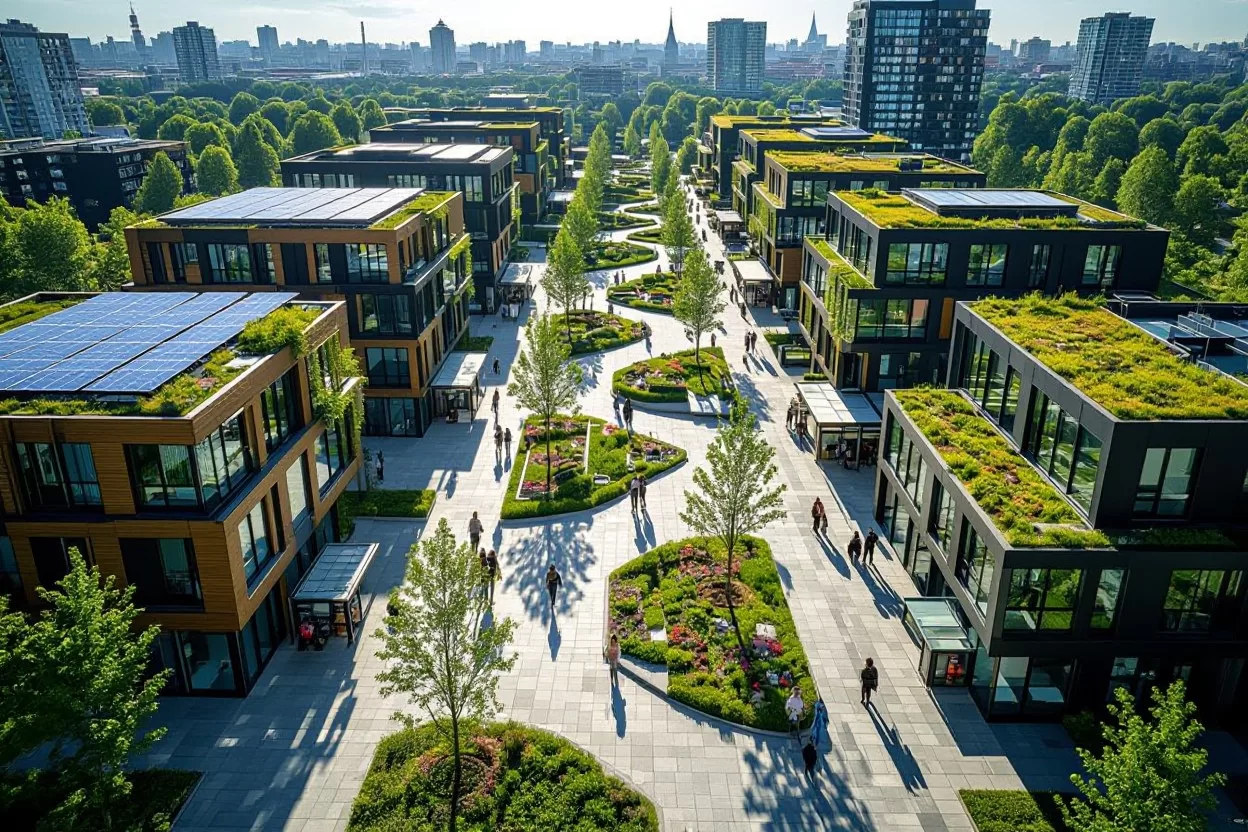
Green infrastructure is proving its value as a frontline defense against Europe’s escalating heatwaves. By integrating vegetation, shaded spaces, and water elements throughout urban areas, cities reduce ambient temperatures and improve air quality. Initiatives like Antwerp’s Cool Spots and Guimarães’ Green Radial Strategy demonstrate how nature-based solutions not only offer immediate cooling relief but also strengthen ecosystem services and community well-being. For a global perspective on urban heat resilience, these global cities are better prepared for heatwaves, showcasing adaptable practices you can explore further.
Guimarães’ Radial Green Strategy: A Blueprint for Urban Cooling
Guimarães links its heritage preservation with climate action through the Green Radial Strategy, weaving green corridors that restore river habitats and expand tree cover. This approach creates urban forests and rain-fed meadows that lower temperatures, support biodiversity, and manage flood risks. The plan aligns with the city’s 2030 climate neutrality goals by designing interconnected nature-based solutions that combat the urban heat island effect while enhancing public spaces for residents.
Innovative Approaches to Urban Heat through Nature
Cities across Europe are embracing novel nature-based methods to cool their streets—from shaded pergolas in Toulouse to passive cooling and green façades in Getafe. These interventions combine technical design, resident participation, and ecological insight to provide effective heat relief while fostering social equity. Integrating green infrastructure with urban planning creates multifunctional environments that adapt over time, proving that natural solutions are crucial tools in your city’s climate resilience arsenal.
Beyond typical tree planting, innovators are deploying techniques like porous pavements, green roofs, and water retention basins to enhance microclimates. For example, Getafe’s façade insulation paired with urban greenery reduces indoor temperatures, lowering reliance on energy-intensive air conditioning. Meanwhile, Toulouse experiments with mobile shading structures that adapt to different public spaces, offering flexible, immediate comfort during heat peaks. These strategies highlight how combining nature with technology and community knowledge creates resilient urban environments equipped to handle unprecedented heat levels.
Reflecting on the Future of Urban Climate Resilience
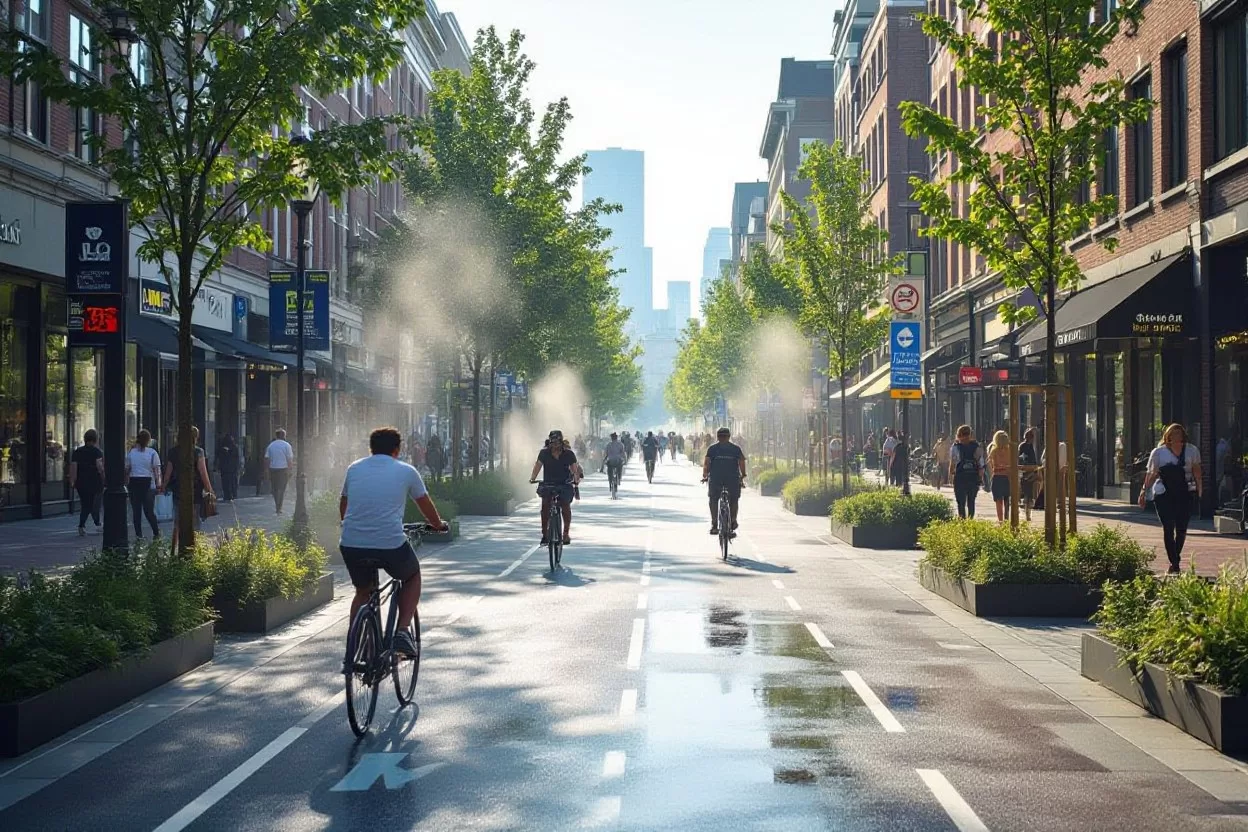
Europe’s cities are rapidly evolving their responses as record-breaking heatwaves redefine urban living. You witness innovative models like Antwerp’s Cool Spots and Valencia’s Climate Shelters demonstrating how targeted design, data-driven planning, and proactive management can drastically improve heat resilience. However, scaling these solutions to meet increasing demand requires sustained investment, regional coordination, and integrating cooling strategies into all aspects of urban development. Building upon pilot projects with measurable impacts, such as Toulouse’s aim to plant 100,000 trees by 2030, you understand that urban climate resilience is a dynamic, long-term challenge demanding adaptive governance and community engagement.
The Role of Public Participation in Sustainable Initiatives
Your involvement shapes the success of urban cooling projects, as seen in Antwerp’s co-designed Garden Streets and Valencia’s Coolturate training programs. Local knowledge and community-led action are vital in ensuring cooling interventions address specific vulnerabilities, from elderly populations to energy-poor households. Collaborative frameworks linking residents, NGOs, and city planners foster equitable implementation and encourage stewardship of green spaces. Engaging you directly creates ownership and supports behavior changes, like adopting low-tech cooling solutions, which together amplify the impact beyond physical infrastructure.
Challenges and Opportunities in a Warming World
Confronted with increasingly frequent heatwaves—such as the 46°C peak recorded on the Iberian Peninsula—urban centers must navigate the tension between urgent adaptation needs and resource constraints. Overburdened power grids, heightened wildfire risks, and social inequalities amplify these challenges but also open pathways for innovation. By integrating nature-based solutions like Guimarães’ Green Radial Strategy and retrofitting buildings with insulation as in Getafe, cities transform crises into opportunities for sustainable growth and social equity. Your continuous support accelerates this transition toward climate-smart urban environments.
Extreme heat events strain critical infrastructure, pushing cities to rethink energy consumption, water management, and emergency preparedness. Public transport discounts during hot days in Toulouse incentivize greener mobility, while urban forests not only cool but enhance biodiversity. Nevertheless, balancing upfront costs, technical feasibility, and inclusive access requires coordinated policy frameworks. The expanding wildfire season—exemplified by evacuations of over 50,000 residents near Izmir—demands integrated land management and proactive risk communication. Adapting urban habitats without sacrificing cultural heritage, as Guimarães demonstrates, exemplifies how historic preservation and climate resilience can align effectively.
To wrap up
Conclusively, as temperatures rise across Europe, you can see that cities are actively deploying diverse strategies to keep urban areas cool and resilient. From Antwerp’s greening and Cool Spots to Valencia’s climate shelters, and Toulouse’s shading innovations, these measures combine immediate relief with long-term adaptation. By engaging community participation and integrating nature-based solutions, your city can effectively reduce heat risks, improve public health, and enhance quality of life amid growing climate challenges. Staying informed and supporting these initiatives empowers you to contribute to a cooler, more sustainable urban future.