
Low-Maintenance Plants Every Beginner Should Have in Their Garden
There’s a world of possibilities when it comes to gardening, but if you’re just starting out, choosing low-maintenance plants can make your journey much easier and enjoyable. You want a garden that looks vibrant without consuming all your time and effort. In this blog post, you’ll discover various plants that thrive with minimal care, allowing you to focus on enjoying your green space rather than stressing over it. Whether you have a small balcony or a backyard, these beginner-friendly options will help you cultivate a flourishing garden with ease.
Key Takeaways:
- Succulents are an excellent choice for beginners, as they require minimal watering and can thrive in various lighting conditions.
- Choosing native plants can simplify gardening, as they are adapted to the local climate and usually require less care.
- Herbs like rosemary, mint, and thyme not only add flavor to meals but are also easy to grow and maintain.
- Consider drought-resistant plants, which need less water and are well-suited for low-maintenance landscaping.
- Group plants with similar care needs together, making it easier to manage watering and maintenance routines.
The Top Low-Maintenance Plants for Beginners
Enhance your garden effortlessly with these top low-maintenance plants designed specifically for beginners. Each option provides a good balance of beauty and ease, allowing you to enjoy gardening without the stress. These plants not only beautify your space but require minimal effort in terms of care, making them perfect for anyone just starting out.
Succulents: Nature’s Stress-Free Beauties
Succulents are a favorite among beginners for their unique shapes and vibrant colors. They demand little attention and can thrive in various lighting conditions, making them versatile additions to your garden. With their ability to store water in their fleshy leaves, you’ll only need to water them occasionally, allowing you to enjoy their beauty without the usual gardening woes.
Snake Plants: Resilient Green Companions
Snake plants are nearly indestructible, making them ideal for novice gardeners. These hardy plants tolerate low light and infrequent watering, thriving even in neglectful environments. With their striking upright leaves, they add an intriguing architectural element to your space while purifying the air around you.
Famous for their resilience, snake plants only need watering every 2-6 weeks, depending on the season. They can survive in direct sun or low light, ensuring you can place them in various spots throughout your home. Their ability to filter toxins from the air is an added benefit, making them not just easy to care for, but also enhancing your indoor environment.
Pothos: The Vine That Thrives Everywhere
Pothos are a fantastic choice for beginners with their trailing vines and heart-shaped leaves. This adaptable plant can grow in low light but flourishes in brighter conditions, making it a true chameleon in your garden. With minimal watering needs, you can watch your pothos thrive while you focus on other aspects of your gardening journey.
Allowing pothos to cascade over shelves or hang in baskets creates a stunning visual appeal that can brighten any space. Their rapid growth means you can propagate them easily, creating even more plants without much fuss. As you care for your pothos, you’ll appreciate how they bring life to rooms while requiring only occasional watering and pruning.
Watering Wisely: The Secrets to Plant Survival
Your watering routine can make or break your plants. Striking the right balance between too much and too little is important for their health. Instead of following a strict schedule, it’s wise to adjust your watering based on climate, soil type, and the specific needs of each plant. Most low-maintenance plants thrive on infrequent watering, allowing the soil to dry out between sessions. This not only conserves water but also encourages deeper root growth, resulting in more resilient plants.
The Art of Infrequent Watering
Infrequent watering helps develop a robust root system, promoting drought resistance. Allow the soil to dry out completely before you water again. This method suits many beginners as it simplifies plant care. Aim for a watering routine that aligns with the plant’s needs, usually every one to two weeks, or when the top two inches of soil feel dry to the touch. Adopting this approach not only eases your gardening responsibilities but also keeps your plants thriving.
Signs of Overwatering to Avoid
Overwatering can drown your plants, leading to a variety of issues. Look for yellowing leaves, a mushy stem, or soil that remains soggy for long periods. Wilting leaves, despite ample water, and root rot are other alarming signs that indicate you may be providing too much moisture.
It’s critical to stay vigilant for these signs, as overwatering can cause irreversible damage. For instance, yellow leaves may suggest the roots are deprived of oxygen due to waterlogged soil, while a mushy stem often indicates a risk of rot. Avoid letting pots sit in standing water, and consider providing drainage solutions. Adjust your watering schedule immediately upon noticing any of these symptoms, as quick action can help your plants recover and establish healthier growth patterns.
Soil and Sunlight: Crafting the Perfect Environment
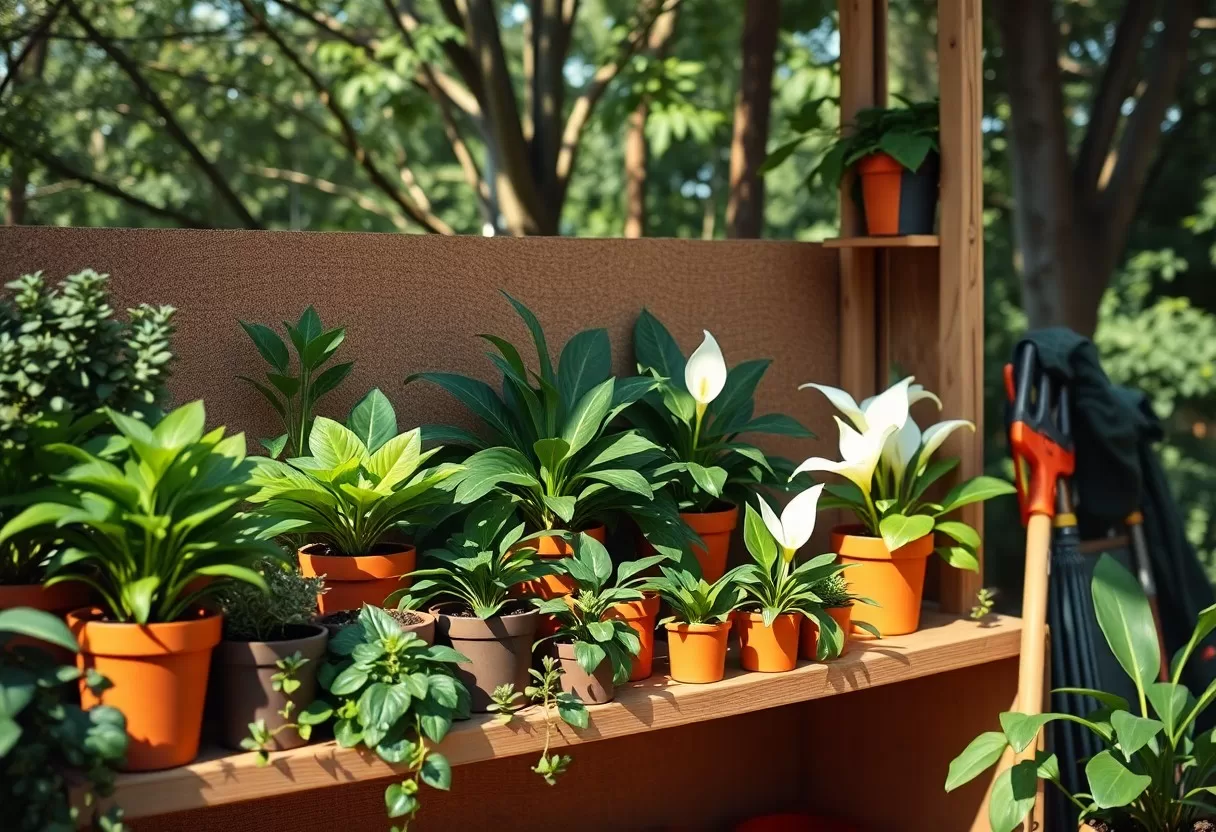
Creating a welcoming environment for your plants involves understanding the interplay between soil quality and sunlight. Each plant species has unique requirements, so it’s crucial to match its needs to your garden conditions. Healthy, nutrient-rich soil paired with the right amount of sunlight will not only support growth but also encourage vibrant blooms and lush foliage. Assessing your garden’s sun exposure and choosing the appropriate potting mix ensures a thriving ecosystem right from the start.
Selecting the Right Potting Mix
A good potting mix can make a significant difference in your plant’s success. Opt for a blend that contains organic matter, good aeration, and proper drainage. These characteristics help retain moisture without suffocating your plant’s roots. Look for pre-mixed options or create your own by combining peat moss, perlite, and compost. This tailored mixture delivers the optimal conditions for growth, promoting a strong root system and vibrant foliage.
Understanding Sun Exposure Needs
Identifying the sun exposure needs of your plants allows you to position them optimally in your garden. Full sun plants require at least six hours of direct sunlight daily, while partial sun/sheer shade plants thrive with only four to six hours of bright, indirect light. Notably, certain varieties can adapt to more shaded areas, making them ideal for less sunny spots in your garden. Assess your outdoor space at various times throughout the day to ensure that each plant receives its desired sunlight, ultimately leading to robust growth.
To gauge sunlight exposure effectively, observe your garden throughout the day and take note of how shadows change. Areas that receive morning sun may have different light qualities than spots that receive afternoon rays, due to heat intensity. If your plants require full sun, find those south-facing areas free from tree cover. Furthermore, plants like hostas and ferns can tolerate shade but may flourish with dappled sunlight. Balancing your garden’s sun exposure will create a thriving environment beneficial for all your plant choices.
Common Pitfalls: What to Avoid in Your Garden Journey
Every gardening novice faces challenges, often due to common mistakes that could easily be avoided. Awareness of these pitfalls allows you to navigate your gardening journey more effectively, ensuring your plants thrive instead of languishing. Not only will you save time and effort, but you’ll also cultivate healthier plants and a more rewarding experience overall.
Ignoring Drainage: The Silent Killer
Poor drainage can suffocate your plants and lead to root rot, a common yet devastating issue in gardening. Standing water not only disrupts necessary oxygen flow but also creates a breeding ground for pests and diseases. Ensuring that pots and garden beds have adequate drainage is a necessity to cultivate a thriving garden.
Choosing the Wrong Size Pots
Selecting pots that are either too small or too large can impede plant growth. A pot that is too small will restrain root development, leading to stunted plants, while an oversized pot may retain excessive moisture, causing root rot. Ideally, you should choose pots that allow room for growth without overwhelming the plant. A general rule is to go for pots that are about 2-4 inches larger in diameter than the current root ball to provide a balanced environment for healthy growth.
Maintenance in Minimalism: Essential Tasks for Success
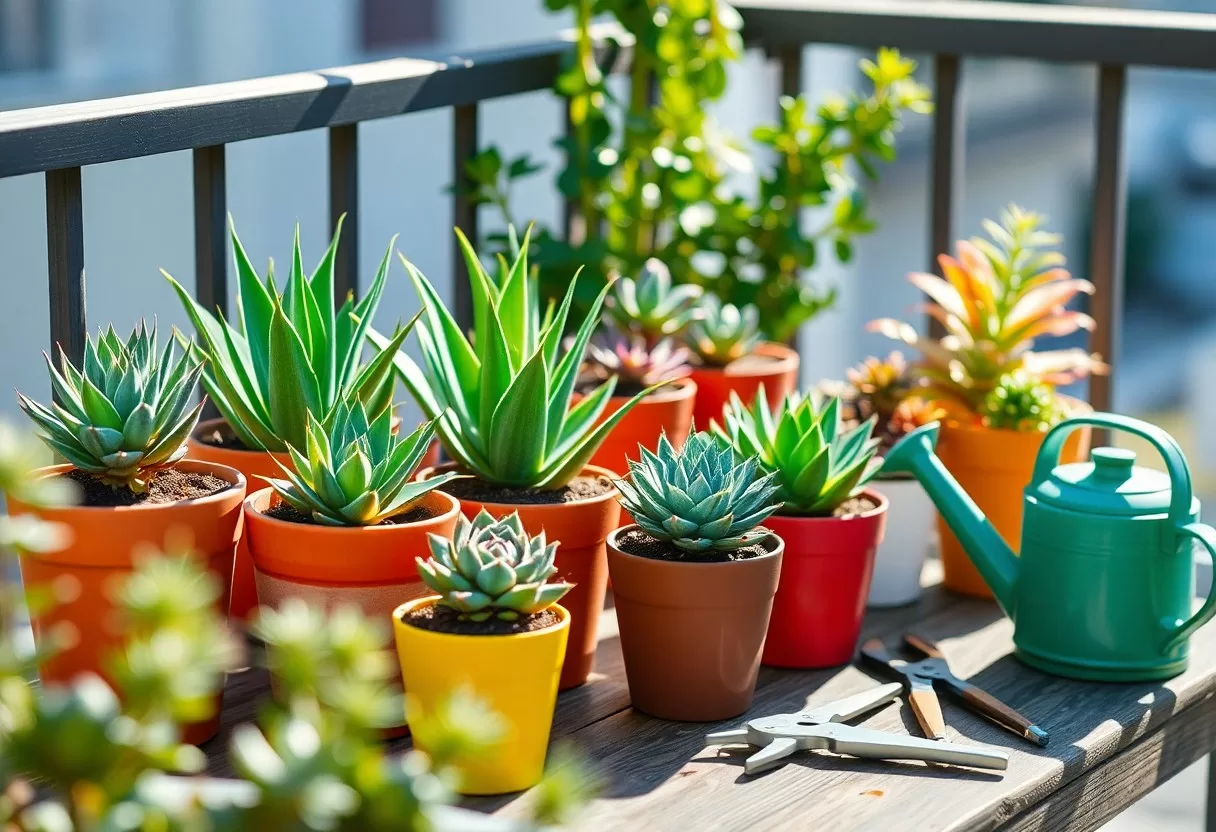
Your success as a gardener relies on a few important maintenance tasks that keep your plants thriving while minimizing your efforts. Focus on a consistent routine that includes monitoring for pests, inspecting for diseases, and addressing any soil deficiencies. Dedicating a little time each week will help maintain both the health and appearance of your garden without overwhelming your schedule, making gardening a joy rather than a chore.
Pruning Basics: Keeping Your Plants Healthy
Pruning is a straightforward yet effective way to ensure your plants remain healthy and vibrant. Removing dead or diseased branches not only improves aesthetics but also promotes better airflow and sunlight penetration. You can prune many low-maintenance plants during their dormant season, helping them rejuvenate for the coming growth cycle. Simple tools like pruning shears can make this task quick and easy.
Fertilizing Without Fuss: A Simple Guide
Fertilizing your plants can seem daunting, but it doesn’t have to be complicated. Start with a slow-release fertilizer to provide consistent nutrients over time without the stress of frequent applications. Aim for a balanced formula with equal parts nitrogen, phosphorus, and potassium, and apply it during the growing season for optimal results. Just a few steps can ensure your garden flourishes with minimal effort.
Opting for organic fertilizers adds an extra layer of ease to the process. Products like compost or worm castings not only enrich your soil but also promote healthy microorganisms. A light application every couple of months will often suffice for most low-maintenance plants. By utilizing these straightforward strategies, you’ll maintain a lush garden while keeping your workload light and enjoyable.
To wrap up
Conclusively, incorporating low-maintenance plants into your garden is a wise choice for beginners looking to build confidence in their gardening skills. By selecting hardy options like succulents, lavender, or ornamental grasses, you can create a vibrant outdoor space without the stress of constant upkeep. These plants not only enhance the beauty of your garden but also allow you to enjoy the process without feeling overwhelmed. Embrace these easy-care options, and you’ll find gardening can be a rewarding and satisfying hobby that fits seamlessly into your lifestyle.
FAQ
Q: What are low-maintenance plants suitable for beginners?
A: Low-maintenance plants that are great for beginners include succulents, snake plants, pothos, ZZ plants, and lavender. These plants are known for their ability to thrive with minimal care, making them perfect choices for new gardeners.
Q: How often should I water low-maintenance plants?
A: Generally, low-maintenance plants require less frequent watering compared to others. For most, watering once every 1-3 weeks is sufficient, depending on the plant type, season, and light conditions. Always check the soil moisture before watering to avoid overwatering.
Q: Can low-maintenance plants thrive indoors?
A: Yes, many low-maintenance plants can thrive indoors. Plants like snake plants and pothos are particularly well-suited for indoor environments as they adapt well to low light conditions and require minimal attention.
Q: What are some common mistakes beginners make with low-maintenance plants?
A: Some common mistakes include overwatering, placing plants in inappropriate light conditions, and neglecting to repot them when they outgrow their containers. Understanding the specific needs of each plant can help avoid these issues.
Q: How can I enhance the growth of my low-maintenance plants?
A: To enhance growth, ensure your plants receive adequate light, avoid overfertilizing, and choose the right soil for your plants. Periodically dusting the leaves can also improve sunlight absorption and overall health.