
Edible Ornamentals – Plants That Feed You and Beautify Your Yard
Ornamentals can transform your garden into a vibrant sanctuary while also providing delicious, nutritious food. By incorporating edible ornamentals like colorful leafy greens, herbs, and fruit-bearing shrubs, you not only enhance your landscape but also enjoy fresh produce right from your yard. Be aware that some ornamental plants can be toxic, so always research before planting. Choosing the right varieties ensures that you can create a visually appealing and functional space perfect for relaxation and culinary enjoyment.
Key Takeaways:
- Edible ornamentals combine aesthetics with functionality, providing beautiful landscapes while yielding fruits, vegetables, and herbs.
- Many decorative plants, like flowering kale and ornamental peppers, are not only visually appealing but also safe for consumption.
- Incorporating edible plants into landscaping promotes sustainability and encourages healthy eating habits through easy access to fresh produce.
Gorgeous Greens: The Aesthetics of Edible Ornamentals
Edible ornamentals bring vibrant color and texture to your garden, seamlessly blending beauty with utility. Varieties such as Swiss chard, kale, and colorful peppers can enhance your landscape while serving a purpose. Incorporating these plants adds layers of interest and invites pollinators, creating a dynamic and inviting environment throughout the seasons.
Visual Appeal and Seasonal Changes
With their varied shapes and hues, edible ornamentals offer visual intrigue year-round. As seasons shift, the foliage of plants like red-leafed lettuce or purple basil adds striking contrasts against the changing backdrop of your garden. This ever-evolving display nurtures not only the aesthetics of your outdoor space but also your connection to nature’s rhythms.
Focal Points and Landscaping Versatility
Edible ornamentals can serve as eye-catching focal points in your landscaping design. Grouping plants like sunflowers or fig trees creates stunning visual anchors, while herbs like rosemary and lavender provide both fragrance and form. These versatile plants integrate seamlessly into traditional and modern gardens alike, allowing you to personalize your space according to your taste.
Utilizing edible ornamentals as focal points amplifies your garden’s aesthetic impact. Position a cluster of colorful chard near a seating area to draw the eye and encourage contemplation, or use tall, dramatic plants like artichokes or ornamental peppers to create structure in flower beds. These choices enhance visual depth, texture, and color while offering practical benefits, such as producing edible harvests. Incorporate varying heights and growth patterns for a landscaped area that not only stands out but also provides continual yields and interest, merging beauty with your culinary interests.
Nutritional Benefits of Cultivating Edible Plants
Growing edible plants not only enhances your garden’s beauty but also significantly improves your nutritional intake. Freshly harvested fruits, vegetables, and herbs deliver a spectrum of crucial vitamins, minerals, and antioxidants, supporting overall health. Incorporating these foods into your daily diet can aid in disease prevention and promote vitality, offering a holistic approach to wellness right from your backyard.
The Role of Fresh Produce in a Balanced Diet
Integrating fresh produce into your meals ensures you are getting a wide variety of nutrients crucial for bodily functions. Leafy greens, colorful fruits, and aromatic herbs provide fibers, phytonutrients, and healthy compounds that help in maintaining energy levels and overall well-being. Consuming a diverse array of seasonal offerings will not only enhance the flavor of your dishes but also elevate your nutrition.
Emotional and Mental Health Perks of Gardening
Gardening brings numerous emotional and mental health benefits, functioning as a therapeutic activity that reduces stress and anxiety. Interacting with nature stimulates endorphins, promoting feelings of happiness and relaxation. Studies have shown that spending time in green spaces can lead to decreased levels of cortisol, the stress hormone, significantly enhancing your mood and mental clarity.
The act of nurturing plants in your garden fosters a sense of purpose and responsibility, contributing to improved self-esteem. Immersing yourself in the rhythmic tasks of planting, weeding, and harvesting allows for meditative moments, creating a flow of mindfulness that can alleviate feelings of depression. Research indicates that individuals who engage in gardening experience notable declines in anxiety levels and report an increased sense of belonging to their environment, making it a fulfilling pursuit that benefits both the mind and body.
Top Edible Ornamentals That Elevate Any Garden
Transform your garden with a selection of top edible ornamentals that are as functional as they are beautiful. Choosing the right plants not only adds visual interest but also provides homegrown produce that enhances culinary experiences. From vibrant foliage to striking blooms, these plants contribute flavor, texture, and color to your outdoor spaces, allowing you to enjoy the benefits of gardening while creating a stunning aesthetic.
Vibrant Vegetables: From Kale to Peppers
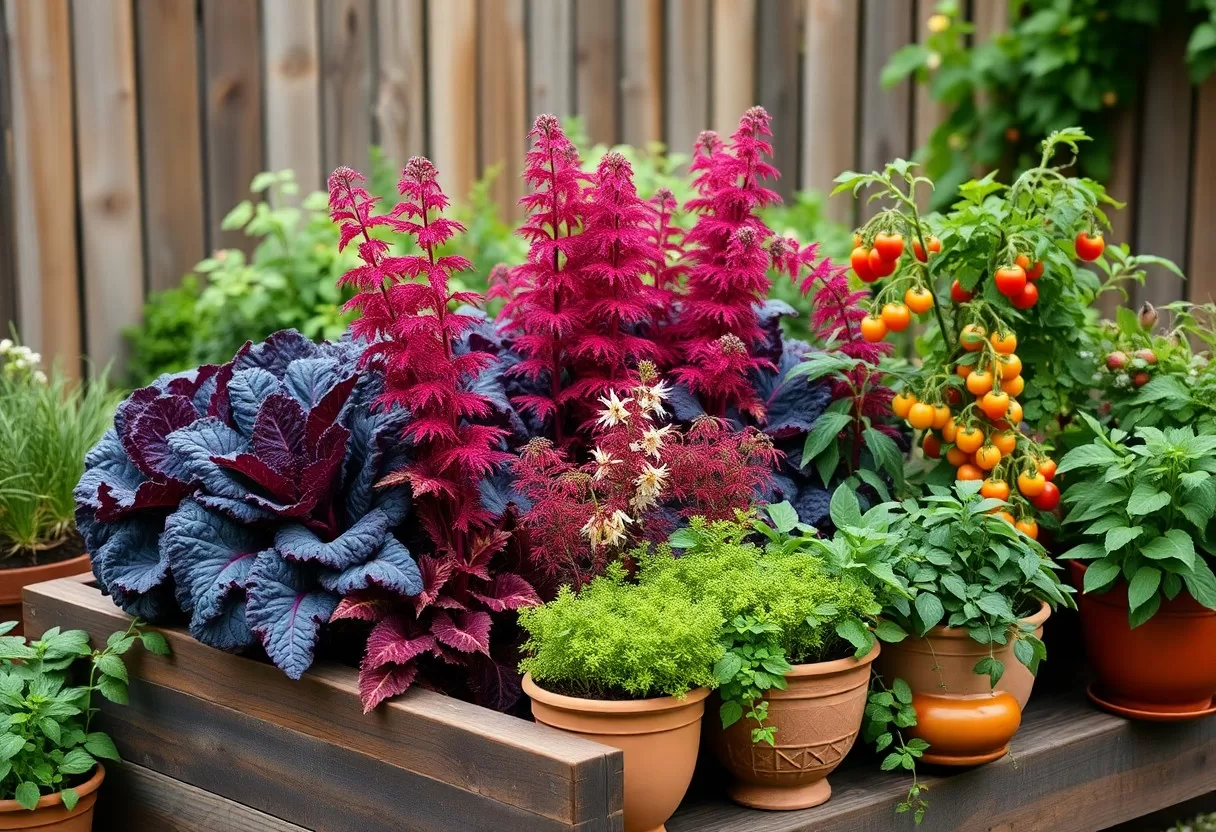
Your garden can be both a feast for the eyes and the palate with vibrant vegetables like ornamental kale and colorful bell peppers. Ornamental kale, with its ruffled leaves in shades of purple and green, adds a striking element, while peppers bring pops of red, yellow, and orange. Planting these options not only attracts pollinators but also ensures you have delicious ingredients on hand for your meals.
Culinary Herbs That Double as Decorative Plants
Culinary herbs such as basil, oregano, and thyme serve dual purposes in your garden. Not only do they enhance your culinary repertoire, but their lush foliage and delightful fragrances also provide aesthetic appeal. Planting herbs in strategic locations can create a sensory garden experience, offering beauty while ensuring fresh ingredients are always within reach.
Many herbs, like lavender and rosemary, also attract beneficial insects, enhancing your garden’s ecosystem. Their contrasting colors and textures can create visually appealing borders or mixed plantings, adding depth to your landscape. Integrating herbs into your ornamental designs means you can enjoy their culinary benefits year-round while enriching your outdoor space with fragrant, aromatic plants that visually delight.
Cultivation Techniques for Maximum Impact
Maximize the beauty and productivity of your edible ornamentals through strategic cultivation techniques. Start by selecting appropriate varieties that suit your climate and desired aesthetic. Employ methods like intercropping and vertical gardening to optimize space and create visually appealing arrangements. Utilize organic fertilizers and mulching to enhance soil health, retain moisture, and suppress weeds. Consistent pruning and deadheading not only improve the appearance of your plants but also encourage more prolific growth, ensuring both beauty and bounty in your yard.
Soil and Sun Requirements: The Essentials
Optimal growth of edible ornamentals hinges on the right soil conditions and sunlight exposure. Most thriving varieties prefer well-draining soil rich in organic matter, such as compost. Aim for a pH level between 6.0 and 7.0 to promote nutrient availability. Sunlight is equally important; most plants require at least 6 hours of direct sunlight daily. Assess your yard’s sun patterns and amend your soil accordingly to create the best growing conditions for your plants.
Companion Planting: Enhancing Both Beauty and Yield
Companion planting pairs certain plants to enhance growth, deter pests, and even boost flavor. By strategically grouping flowers like marigolds with vegetables such as tomatoes, you not only create a vibrant aesthetic but also promote beneficial insect activity and reduce harmful pests. Consistently planting herbs such as basil alongside peppers can enhance their taste while providing visual interest in your landscape.
Incorporating companion planting into your garden design offers multiple benefits. For instance, planting nasturtiums with cucumbers deters pests while providing bright, edible flowers. The scent of basil can confuse insects and protect nearby tomato plants, improving yield by up to 20%. Consider planting garlic near roses to repel aphids naturally, which not only preserves the health of your ornamental plants but also creates a lovely aromatic environment. These combinations not only enhance the garden’s beauty but also encourage a thriving, sustainable ecosystem in your yard.
The Sustainable Advantage: Reducing Your Carbon Footprint
Embracing edible ornamentals significantly reduces your carbon footprint by eliminating the need for transportation of store-bought produce. By growing your own food, you minimize greenhouse gas emissions associated with shipping and packaging. Additionally, local cultivation means you can use organic practices, further decreasing the reliance on chemically-intensive agriculture that harms the environment. Your garden not only provides nourishment but actively contributes to a more sustainable lifestyle.
Local Food Production and Environmental Benefits
Producing food locally through edible ornamentals cuts down on the carbon emissions associated with long-distance shipping. By cultivating your own fruits and vegetables, you gain fresh produce right at your fingertips, leading to healthier meals with less environmental impact. This reduction in food transport contributes to lower reliance on fossil fuels, nurturing both your health and the planet.
Biodiversity and Ecosystem Support
Integrating edible ornamentals into your garden enhances biodiversity, which is vital for healthy ecosystems. By choosing a variety of plants, you attract pollinators and beneficial insects that support the natural balance of your garden, promoting soil health and pest control. This method of gardening fosters resilience among local flora and fauna, creating a thriving habitat that can withstand environmental changes.
Choosing a range of edible ornamentals, such as herbs, fruits, and flowering plants, enriches your garden’s biodiversity. Attracting species like bees, butterflies, and beneficial insects forms a complex web of life, enhancing pollination and pest management. For instance, planting lavender not only provides culinary uses but also draws in pollinators. A diverse plant selection can mitigate the risks associated with monocultures, fostering a strong ecosystem that supports both plant growth and wildlife. This interconnectedness ultimately leads to a healthier garden environment and greater resilience against pests and diseases.
Summing up
Summing up, incorporating edible ornamentals into your landscape not only enhances the beauty of your yard but also provides you with fresh, nutritious produce. By selecting a variety of plants that serve both aesthetic and culinary purposes, you can enjoy the benefits of gardening while transforming your outdoor space into a vibrant, functional area. Embrace the versatility of these plants to enrich your lifestyle, foster sustainability, and create an inviting environment that delights both you and your guests.
Q: What are edible ornamentals?
A: Edible ornamentals are plants that serve dual purposes: they are visually appealing and produce edible parts such as fruits, vegetables, or herbs. Examples include ornamental pepper plants, which produce vibrant peppers, and flowering herbs like basil or rosemary that also enhance garden aesthetics.
Q: How can I incorporate edible ornamentals into my garden?
A: You can incorporate edible ornamentals by mixing them with traditional ornamental plants in flower beds, using them as border plants, or placing them in containers on patios. Choose plants that have compatible growing needs and complement each other’s visual appeal.
Q: Are there any maintenance considerations for edible ornamentals?
A: Edible ornamentals require similar care to non-edible plants, including regular watering, proper sunlight, and pest management. Additionally, you should ensure that any fertilizers or pesticides used are safe for edible crops to maintain plant health and safety.