
Building A Sustainable Home – Top Eco-Friendly Materials For Your Next Decor Project
You can transform your living space into a sustainable haven by choosing the right materials for your décor projects. Utilizing eco-friendly materials not only benefits the environment but also enhances the aesthetic appeal of your home. In this guide, we will explore innovative options such as bamboo, reclaimed wood, and recycled metal, which are prudent choices for your next project. Embrace sustainability and make a positive impact while creating a stylish and healthy living environment.
Key Takeaways:
- Incorporating reclaimed materials can significantly reduce waste and add unique character to your home decor.
- Consider using natural fibers such as organic cotton or bamboo for textiles, as they are sustainable and help create a healthier indoor environment.
- Opt for non-toxic paints and finishes to ensure that your home is not only eco-friendly but also safe for your family and pets.
The Green Building Blocks: Essential Eco-Friendly Materials
Your sustainable home starts with choosing the right materials. Eco-friendly choices not only support the environment but also enhance your interior design with unique textures and aesthetics. Utilizing materials like reclaimed wood, bamboo, and recycled metal can have a significant impact on the sustainability of your decor projects and contribute to a healthier living space.
Reclaimed Wood: The Beauty of Upcycling
Reclaimed wood, sourced from old barns or discarded furniture, provides a rich history and unique character that new materials simply can’t replicate. Used in flooring, furniture, or accent walls, it boasts a stunning, rustic charm while minimizing deforestation and reducing landfill waste.
Bamboo: A Fast-Growing Wonder
Bamboo stands out as a renewable resource, growing up to 39 inches within a single day. This versatile material can be crafted into everything from flooring to cabinetry, offering strength and flexibility that rival hardwood. By choosing bamboo, you’re supporting a sustainable forestry alternative while enjoying a stylish decor choice.
Beyond its speed of growth, bamboo’s natural durability makes it an excellent option for both indoor and outdoor applications. It’s resistant to moisture, pests, and even decay, which ensures longevity in your projects. Additionally, it absorbs more carbon dioxide compared to trees, further contributing to a healthier environment. Choosing bamboo helps you innovate with your design while making a positive impact on the planet.
Recycled Metal: From Junk to Jewel
Recycled metal has emerged as a trendy option for decor, turning industrial waste into stunning design elements. From furniture to lighting fixtures, repurposed metals not only save energy—up to 95% less than producing new metal—but also add a modern, edgy look to your space.
Utilizing recycled metal isn’t just an aesthetic decision; it’s a smart environmental choice. The processing of new metals involves intensive mining and energy use. By opting for recycled materials, you’re reducing greenhouse gas emissions and conserving natural resources. Metal pieces often come with unique textures and finishes, ensuring that each item tells its own story while adding a striking visual element to your home decor.
Natural Insulation Solutions for Energy Efficiency
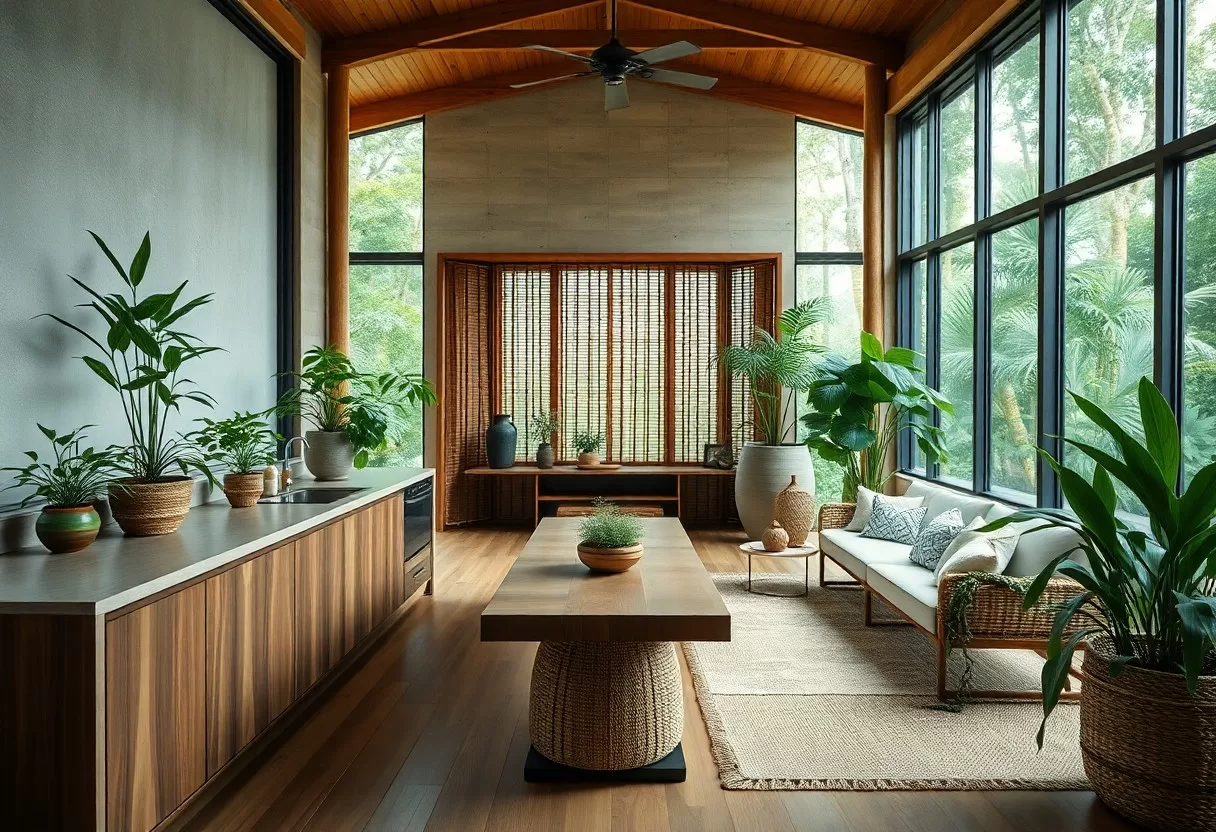
Investing in natural insulation materials not only enhances your home’s energy efficiency but also minimizes your environmental footprint. These eco-friendly options provide exceptional thermal performance and tackle issues such as moisture control and soundproofing, making your living space more comfortable while reducing energy consumption.
Cellulose Insulation: The Paper Trail to Sustainability
Made from recycled paper products, cellulose insulation boasts an impressive sustainability profile. It is treated with fire retardants and is typically installed using a blow-in technique, allowing for thorough coverage and minimizing air leaks. You can expect significant energy savings thanks to its superior thermal performance.
Sheep’s Wool: Nature’s Thermal Blanket
Sheep’s wool is not just for cozy sweaters; it provides exceptional insulation, regulating both temperature and humidity. This natural material can absorb moisture without losing its insulating properties, which is vital for maintaining a comfortable indoor atmosphere.
Embracing sheep’s wool in your home offers the benefit of a renewable resource that is biodegradable and non-toxic. With its remarkable thermal performance, sheep’s wool can keep your home warm in winter and cool in summer. Plus, its ability to absorb and release moisture contributes to maintaining optimal indoor humidity levels, creating a healthier living environment. By choosing wool, you not only reduce reliance on synthetic materials but also support sustainable agricultural practices.
Hempcrete: A New Era of Building Blocks
Hempcrete, made from the woody core of the hemp plant mixed with lime, is revolutionizing eco-friendly construction. This material is lightweight, provides excellent insulation, and contributes to carbon sequestration by absorbing CO2 during its lifespan.
Utilizing hempcrete in your building projects promotes a sustainable future, as it is both renewable and non-toxic. With a compressive strength that allows it to be used as infill between structural frameworks, hempcrete assists in regulating indoor temperatures, making your home more energy-efficient. Additionally, its ability to breathe helps to manage moisture, thus reducing the risk of mold and ensuring a healthy indoor environment. Embracing hempcrete not only enhances energy efficiency but also supports a greener construction industry.
Sustainable Finishes That Transform Spaces
Enhancing your home with sustainable finishes not only beautifies your space but also contributes to a healthier environment. By opting for eco-friendly options, you create an inviting atmosphere while minimizing your ecological footprint.
Low-VOC Paints: A Breath of Fresh Air
Selecting low-VOC (volatile organic compounds) paints allows you to refresh your interiors without compromising air quality. These paints emit fewer toxins than traditional options, ensuring a safer environment for you and your family while still providing vibrant color choices.
Natural Stone: Earth’s Enduring Aesthetic
Natural stone, such as slate or granite, brings a timeless appeal that enhances any space. This durable material is not only beautiful but also an excellent choice for sustainability, as it requires minimal processing. You’ll appreciate its long-lasting beauty and unique patterns, making every piece truly one-of-a-kind.
Opting for natural stone allows you to embrace nature’s artistry within your decor. From countertops to flooring, each slab offers distinctive variations that reflect the earth’s palette. The strength and low maintenance of natural stone contribute to its sustainability, as you’ll spend less on replacements and repairs over time. By selecting local stone options, you further reduce the carbon footprint associated with transportation.
Linoleum: A Resilient, Green Alternative
Linoleum is an exceptional sustainable flooring option crafted from natural materials like linseed oil, cork dust, and wood flour. This eco-friendly alternative is durable, biodegradable, and comes in a variety of colors and patterns, making it both functional and stylish.
This versatile flooring option stands out due to its resilience and low environmental impact. Linoleum’s durability means it can withstand heavy foot traffic without loss of appearance, making it ideal for homes with families or pets. Additionally, it’s easy to maintain and doesn’t accumulate dust or allergens, promoting better indoor air quality. When it’s time for a change, you can recycle linoleum, closing the loop on its life cycle and supporting a greener future.
The Role of Smart Technologies in Sustainable Design
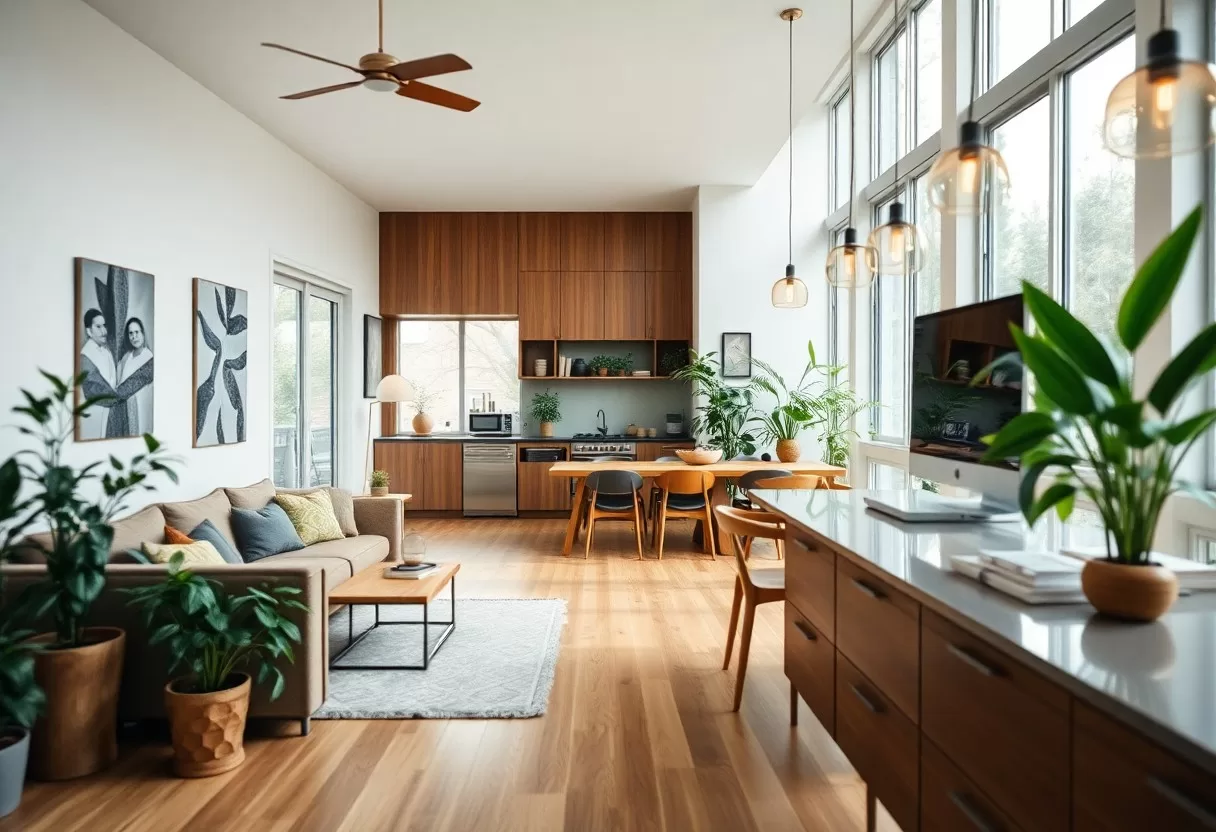
Integrating smart technologies in your home significantly enhances its sustainability. Innovations in energy management, automation, and efficiency lead to a substantial reduction in resource consumption. By connecting various technologies, you can create a well-rounded approach to eco-friendly living, ultimately minimizing your carbon footprint while increasing your home’s functionality.
Energy-Efficient Appliances: Saving Resources
Upgrading to energy-efficient appliances can cut your energy consumption by up to 50%. These appliances use advanced technology to optimize electricity usage while maintaining performance standards. You’ll not only save on utility bills but also contribute to a more sustainable environment.
Smart Home Systems: A Step Towards Innovation
Smart home systems allow you to streamline resource management in your living space. By automating energy usage through smart thermostats and lighting, you can optimize performance based on your daily habits, ensuring minimal waste.
Implementing smart home systems provides you with the ability to control all aspects of your energy consumption. For instance, smart thermostats can learn your schedule and adjust heating or cooling to save energy when you’re not home. Moreover, smart lighting can automatically dim or turn off when rooms are unoccupied. These advancements not only enhance convenience but also align your living habits with responsible energy usage, making sustainable living effortlessly achievable.
Measured Consumption: Monitoring for Sustainability
With smart meters and energy monitors, you can track your consumption patterns in real-time. This data empowers you to make informed decisions about your resource use, enabling you to identify areas for improvement.
Having access to your real-time energy consumption allows you to pinpoint where you can cut back. For instance, if you notice that energy usage spikes during certain hours, you can adjust your habits, like running appliances during off-peak times. Additionally, many smart meters come with reports that analyze your usage trends over time, fostering a greater understanding of your impact and aiding in smarter resource management decisions. By actively engaging with this information, you become a proactive participant in your sustainable journey.
The Psychological Benefits of Eco-Friendly Decor
Transforming your living space with eco-friendly decor not only benefits the environment but also significantly enhances your mental well-being. Research shows that natural materials and sustainable design choices can boost your mood, reduce stress, and improve overall happiness. By surrounding yourself with sustainable elements, you foster a sense of connection to the environment that can lead to a more fulfilling and balanced lifestyle.
Biophilic Design: Connecting with Nature
Biophilic design emphasizes your innate connection to nature by integrating organic elements into your home. This approach inspires serenity and promotes well-being through natural light, plants, and textures that mimic the outdoors. You can create a more tranquil space by bringing the outside in, effectively bridging the gap between your indoor environment and the natural world.
Color Psychology: The Impact of Natural Hues
Utilizing colors drawn from nature in your decor can create a profound emotional impact. Natural hues like greens, browns, and soft blues can foster feelings of calm and tranquility while stimulating your senses. These earthy tones can transform your living space, making it feel more inviting and peaceful.
Incorporating natural colors into your decor can influence your mood and productivity. Studies suggest that green shades are associated with renewal and growth, while soft blues can evoke feelings of peace and stability. By choosing a color palette inspired by nature, you create an atmosphere that not only looks appealing but also nourishes your mental well-being. Whether it’s a subtle sage green accent wall or warm terracotta tones for your furnishings, these natural hues foster a sense of calm and connection to the earth.
Mindfulness in Design: Creating Calm Spaces
Mindful design focuses on creating spaces that promote relaxation and clarity. By carefully selecting furnishings, colors, and layouts, you can craft environments that encourage a sense of peace and well-being. Elements such as open spaces, natural light, and minimalist decor can contribute to an atmosphere conducive to mindfulness.
Incorporating mindfulness into your design can significantly enhance your living experience. By choosing furniture that promotes comfort and simplicity, while also utilizing soft lighting and organized layouts, your space becomes a sanctuary for relaxation. Reducing clutter and prioritizing calm aesthetics will foster emotional clarity and enhance your ability to unwind after a long day. This mindful approach to design not only heightens your appreciation for sustainable materials but also enables you to connect more deeply with your home as a nurturing space for both body and mind.
Conclusion
Conclusively, incorporating eco-friendly materials into your home decor not only contributes to a healthier environment but also enhances the aesthetic appeal of your space. By choosing sustainable options like bamboo, reclaimed wood, and recycled metals, you can create a stylish and responsible living area that reflects your values. As you commence on your next decor project, let these materials inspire you to build a home that is not only beautiful but also contributes to a sustainable future for you and the planet.