
Eco-Friendly Cleaning: Sustainable Practices for a Healthier Home
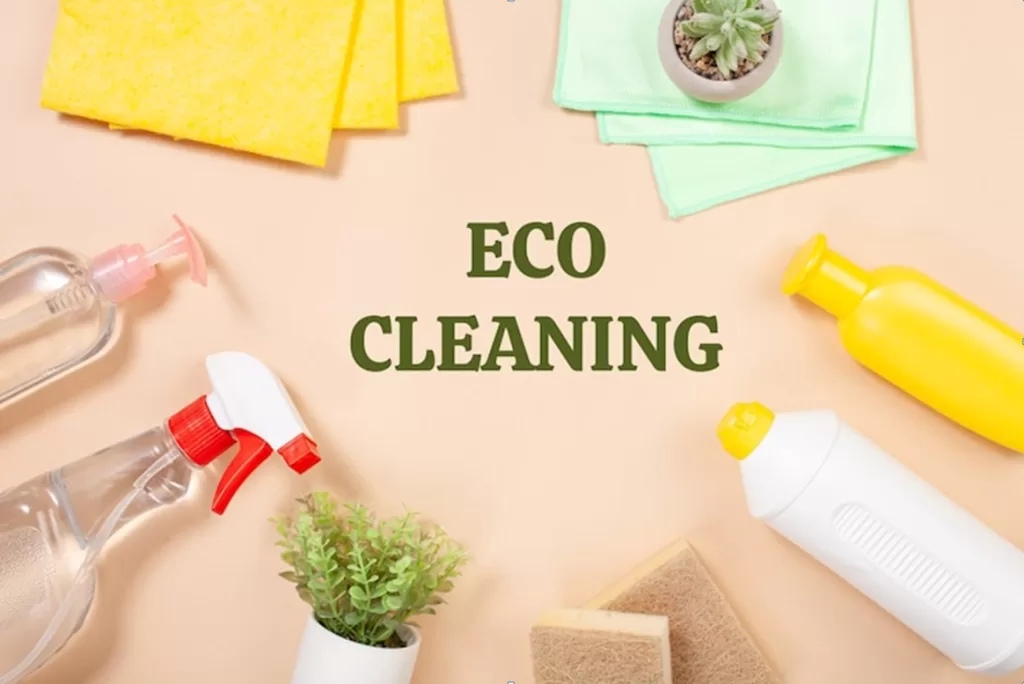
Let’s be honest, cleaning isn’t exactly most people’s favorite thing to do. But when you start learning about how your everyday cleaning products could be affecting your health and the planet? That’s when things get interesting. Or at least… motivating.
If you’ve ever looked at the back of a cleaning bottle and couldn’t pronounce half the ingredients, you’re not alone. A lot of traditional cleaners are packed with chemicals that aren’t great for the environment or for your lungs. But the good news? You don’t need a science degree to clean your home the eco-friendly way. It’s actually way easier (and cheaper) than you might think.
So grab a cup of tea or your favorite snack and let’s talk about how to keep your home squeaky clean without hurting the planet (or your sinuses).
Why Eco-Friendly Cleaning Matters
Let’s start with the big picture. Why go green with your cleaning routine in the first place?
Well, conventional cleaning products often contain harsh chemicals like ammonia, bleach, and synthetic fragrances. They might do a great job on your bathtub, but they’re not doing your health any favors. Breathing in those fumes regularly? Not ideal. If you’ve ever felt a headache or sore throat after a big cleaning session, those chemicals could be the reason.
And then there’s the environmental impact. Every time you rinse chemicals down the drain, they don’t just disappear. They end up in our waterways, affecting wildlife and polluting the ecosystems that keep our planet healthy.
Eco-friendly cleaning is about being kind to yourself, your family, your pets, and Mother Earth.
Step 1: Ditch the Harsh Stuff
The first step to creating a more sustainable cleaning routine is pretty straightforward: get rid of the toxic stuff.
Start by taking a look at your current stash of cleaning supplies. Anything that has warnings like “harmful if inhaled,” “wear gloves,” or “keep away from children”? Those are red flags. And let’s be real, if it’s dangerous enough that you need to gear up before using it, maybe it doesn’t belong in your home.
You don’t need to toss everything all at once (waste isn’t eco-friendly either), but as things run out, try replacing them with gentler alternatives. Look for products labeled:
- Biodegradable
- Non-toxic
- Fragrance-free or naturally scented
- Plant-based
You can also check for third-party certifications like EcoLogo, Green Seal, or EPA Safer Choice.
Step 2: Learn to Love DIY Cleaners
Homemade cleaners are where it’s at. Not only are they super budget-friendly, but you’ll also know exactly what’s in them.

Here are a few of my go-to recipes:
1. All-Purpose Cleaner
Mix in a spray bottle:
- 1 cup white vinegar
- 1 cup water
- A few drops of essential oil (lemon, lavender, or tea tree are great)
Shake it up, and you’ve got yourself a natural, powerful cleaner that works on counters, sinks, and even glass. Just avoid using vinegar on stone surfaces like granite or marble, it’s too acidic.
2. Toilet Bowl Cleaner
Sprinkle baking soda into the bowl, then pour in a splash of white vinegar. Let it fizz and bubble for a bit, scrub with a toilet brush, and rinse. Done!
3. Glass Cleaner
In a spray bottle, combine:
- 2 cups water
- 2 tablespoons white vinegar
- 1 tablespoon rubbing alcohol
Use a microfiber cloth to wipe away streaks. Works like magic.
4. Wood Polish
Mix:
- 1/2 cup olive oil
- 1/4 cup lemon juice
Apply with a soft cloth and buff your wood furniture to a beautiful shine.
You don’t need a separate cleaner for every room. Keep it simple, and your cabinet (and wallet) will thank you.
Step 3: Make Smarter Shopping Choices
If DIY isn’t your thing, no worries. There are lots of fantastic eco-friendly brands out there now. Look for ones that:
- Use recyclable or refillable packaging
- Avoid artificial dyes and fragrances
- Offer concentrated formulas (less plastic waste!)
- Don’t test on animals
A few popular and reliable options include:
- Seventh Generation
- Ecos
- Method
- Mrs. Meyer’s Clean Day
- Dr. Bronner’s
Don’t be afraid to do a little research. A company that’s truly eco-conscious will be transparent about their ingredients and practices.
Step 4: Reduce Plastic Wherever You Can
Cleaning supplies are often wrapped in a lot of plastic. Bottles, triggers, wipes, packaging, it adds up fast.
Here are a few ways to cut down:
- Buy in bulk or refill stations. Some local shops now offer refillable cleaning products. Bring your own bottle, fill up, and go.
- Try solid or concentrated cleaners. These come in bar, pod, or tablet form and use way less packaging.
- Skip disposable wipes. Microfiber cloths, old T-shirts, or washable rags are perfect for dusting and wiping.
- Use glass spray bottles. They last forever and look kinda cute on your shelf.
Every little swap helps.
Step 5: Be Mindful of Water Use
Let’s not forget about water. It’s one of our most precious resources, and cleaning can use a lot of it.
Some simple ways to save water while cleaning:
- Turn off the tap when scrubbing dishes or brushing your teeth.
- Use buckets for mopping instead of running water.
- Sweep floors before mopping to avoid needing multiple passes.
- Spot-clean small messes instead of washing the whole floor or counter every time.
Being eco-friendly isn’t just about what you use-it’s also about how you use it.
Step 6: Go Natural with Air Fresheners
You know those plug-ins and sprays that promise “mountain air” or “fresh linen”? Yeah… they’re usually full of synthetic fragrances, phthalates, and other questionable ingredients.
You can freshen up your space in much more natural ways:
- Simmer a pot of water with citrus peels and herbs like rosemary or mint.
- Use a diffuser with essential oils.
- Open your windows for a real breath of fresh air.
- Keep a bowl of baking soda in musty areas (like closets) to absorb odors.
Bonus tip: houseplants like spider plants, snake plants, and peace lilies can help purify the air naturally. Plus, they look amazing.
Step 7: Tackle the Forgotten Areas
It’s easy to forget that some parts of our homes are major dust and allergen traps like carpets, drapes, and air ducts. Keeping these clean can make a big difference in indoor air quality.
Every once in a while, consider professional air duct cleaning to help remove built-up dust, pet dander, and other debris that can get recirculated through your home.
And when it comes to vacuuming, look for models with HEPA filters. They trap the tiny stuff most vacuums miss, which is a big win for anyone with allergies or asthma.
Step 8: Don’t Forget Laundry and Dishes
Laundry detergent and dish soap are big culprits when it comes to hidden chemicals and plastic waste.
Here are a few swaps to try:
- Laundry strips or pods from eco-brands-super convenient and plastic-free
- Soap nuts—natural and reusable, although not everyone loves the smell
- Wool dryer balls—replace single-use dryer sheets and can be scented with essential oils
- Plant-based dish soaps—gentler on hands and waterways
Also, if you have a dishwasher, run it only when it’s full to save water and energy.
Step 9: Declutter with Purpose
While you’re revamping your cleaning habits, why not declutter a little too?
A tidy home is way easier to clean. But instead of tossing everything in the bin, think about:
- Donating clothes and household items
- Repurposing containers for organizing
- Recycling old papers, plastics, and electronics properly
The goal is to send less to the landfill. Plus, having fewer items makes cleaning way faster and less stressful.
Step 10: Keep It Going!
Okay, so you’ve made some swaps, tried a DIY cleaner or two, and maybe even cleaned your ducts (nice work!). Now what?
Sustainable living isn’t about being perfect. It’s about making better choices when you can and keeping those habits going. If something doesn’t work for you, try something else. There’s no one-size-fits-all here.
And don’t forget to spread the word! The more people who jump on the eco-cleaning train, the bigger the impact we can make.
Final Thoughts
Cleaning green doesn’t have to be overwhelming. Start small. Maybe swap out your all-purpose cleaner this week. Next week, try making your own glass cleaner. Little by little, it adds up.
Your home should be your safe space, not a place full of mystery chemicals and unnecessary waste. With a few changes, you can create a cleaner, healthier environment for you and your family. And hey, the planet will thank you too.