
Gardening for Busy Homeowners – Easy and Low Maintenance Ideas
Homeowners often struggle to maintain a lush garden while juggling their hectic schedules. Fortunately, you can still enjoy the beauty and benefits of gardening by adopting easy and low-maintenance practices. In this post, you’ll discover strategies that require minimal effort, from selecting the right plants to implementing efficient watering systems. Embrace these ideas to transform your outdoor space without overwhelming your busy lifestyle, while also enhancing your home’s curb appeal and promoting a peaceful retreat right outside your door.
Key Takeaways:
- Opt for low-maintenance plants such as succulents, perennials, and native species that require minimal care and can thrive in various conditions.
- Utilize container gardening to simplify plant management and optimize space, allowing for easy relocation and maintenance as needed.
- Implement efficient irrigation systems, like drip irrigation or self-watering pots, to conserve time and ensure plants receive consistent moisture without daily attention.
Transforming Your Space with Minimal Effort
Creating a beautiful garden doesn’t require a lot of time or effort. Small, thoughtful changes can bring about significant transformations. By selecting the right plants, utilizing existing structures, or incorporating design elements that need minimal upkeep, you can enhance your outdoor space. Simple adjustments such as adding mulch for weed control or installing a few easy-to-care-for features can completely change the atmosphere of your garden without consuming your busy schedule.
Low-maintenance Plants for Every Environment
Choose low-maintenance plants that suit your environment, such as succulents for dry areas or ferns in shaded gardens. These plants thrive with little attention, allowing you to enjoy a lush landscape without constant care. Varieties like lavender or ornamental grasses not only require minimal watering but also elevate your garden’s aesthetic without demanding much time.
Utilizing Container Gardening for Flexibility
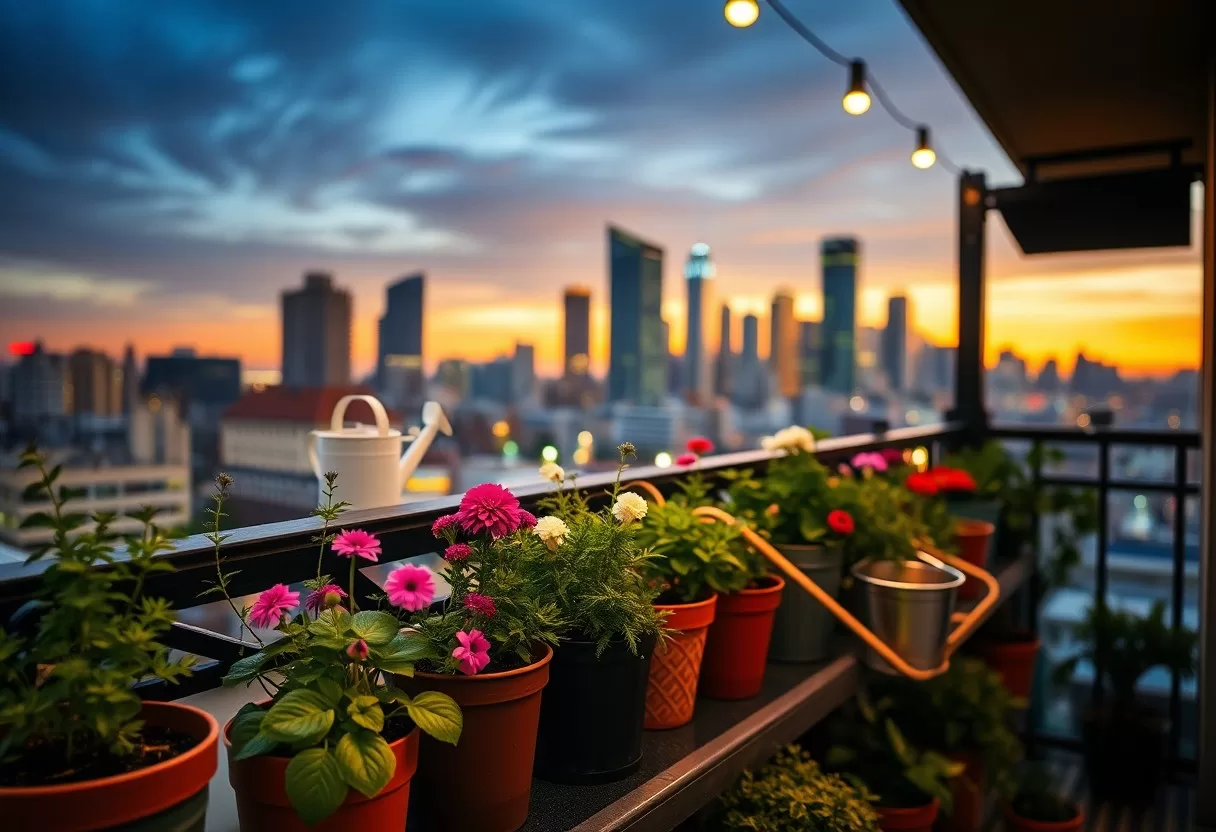
Container gardening is an ideal solution for busy homeowners seeking flexibility. It enables you to create a garden anywhere, from patios to balconies, even when space is limited. Containers come in various sizes and styles, allowing you to mix and match plants with ease, plus they make watering and maintenance much more manageable. You can easily rearrange or replace plants without digging up your yard, adapting your space to suit your tastes or seasonal changes effortlessly.
Practicality and aesthetics meet in container gardening. With options like self-watering pots and lightweight materials, maintaining your plants becomes hassle-free. You can combine flowers, herbs, and even small vegetables, bringing both beauty and functionality to your outdoor space. This method not only enhances visual appeal but also allows for easy mobility if you want to shift your plants based on sunlight or climatic conditions.
Smart Strategies to Reduce Gardening Time
Implementing strategic techniques can significantly reduce the time you spend on gardening tasks. Focus on selecting plants that require minimal upkeep, utilizing efficient tools for maintenance, and scheduling tasks smartly to streamline your gardening routine. Combining these methods not only makes cultivating your garden easier but also allows you to enjoy your outdoor space more fully without the overwhelming burden of constant care.
The Benefits of Mulching and Ground Covers
Mulching is an effective technique to minimize weeds and retain soil moisture, significantly cutting down your time spent on weeding and watering. Additionally, ground covers can replace traditional lawns, offering a low-maintenance layer that suppresses weeds while enhancing visual appeal. Options like clover or creeping thyme not only fill empty spaces but also reduce your gardening workload over time.
Incorporating Automated Watering Systems
Automated watering systems, such as drip irrigation or smart sprinklers, can revolutionize your gardening routine. These systems minimize manual watering efforts while ensuring your plants receive consistent moisture, tailored to their specific needs. With technology that adjusts watering schedules based on weather conditions, you actively prevent over- or under-watering without lifting a finger.
Investing in automated watering systems can be transformative for your garden. For instance, drip irrigation delivers water directly to the plant roots, reducing evaporation and run-off, which is particularly beneficial in arid climates. Smart irrigation controllers utilize weather forecasts and moisture sensors to optimize watering schedules, saving you both time and resources. By setting these systems up, you can enjoy a lush garden with far less hassle, freeing you up for other priorities without sacrificing your outdoor oasis.
Sustainable and Cost-effective Gardening Hacks
Incorporating sustainability into your gardening practices not only benefits the environment but also enhances your garden’s resilience and reduces costs. By implementing a few smart hacks, you can create a thriving garden that requires minimal upkeep. For instance, composting kitchen scraps and yard waste turns organic materials into rich, natural fertilizer. Furthermore, rain barrels can capture water runoff, providing a cost-effective and eco-friendly irrigation solution. These practices not only help you save time and money but also contribute to a greener planet.
Using Native Plants to Lower Maintenance
Choosing native plants for your garden can significantly reduce maintenance requirements. Native species are adapted to your local climate and soil conditions, meaning they thrive with minimal intervention. Once established, these plants often require less water, fertilizers, and pest control, allowing you to enjoy a lush yard without the constant upkeep. Consider incorporating local flora such as native grasses, wildflowers, or shrubs to enhance biodiversity and attract beneficial wildlife.
DIY Solutions for Pest Control
Adopting DIY pest control methods not only saves money but ensures you use safe, non-toxic options in your garden. Simple solutions such as using a mix of soap and water can effectively deter aphids, while introducing beneficial insects like ladybugs can naturally keep pest populations in check. Additionally, planting herbs like basil and mint can repel certain pests, creating a healthier garden ecosystem.
Exploring DIY pest control can be both rewarding and effective. You might find that a homemade garlic spray or diatomaceous earth sprinkled around your plants can deter unwanted visitors without harmful chemicals. A mixture of water and crushed garlic sprayed on your plants once a week can repel aphids, while the gritty texture of diatomaceous earth can deter soft-bodied insects. This not only keeps your garden thriving but also promotes a sustainable approach to maintaining a healthy and pest-free environment.
Creating a Garden That Works for You
Designing a garden that fits your lifestyle is key to maintaining a vibrant outdoor space without the stress. Focus on low-maintenance plants that thrive in your local climate and choose features that require minimal upkeep. Assess your available time and select elements that enhance your outdoor environment while aligning with your busy schedule. By thoughtfully curating your garden space, you can enjoy the beauty of nature without feeling overwhelmed.
Time-efficient Garden Layouts
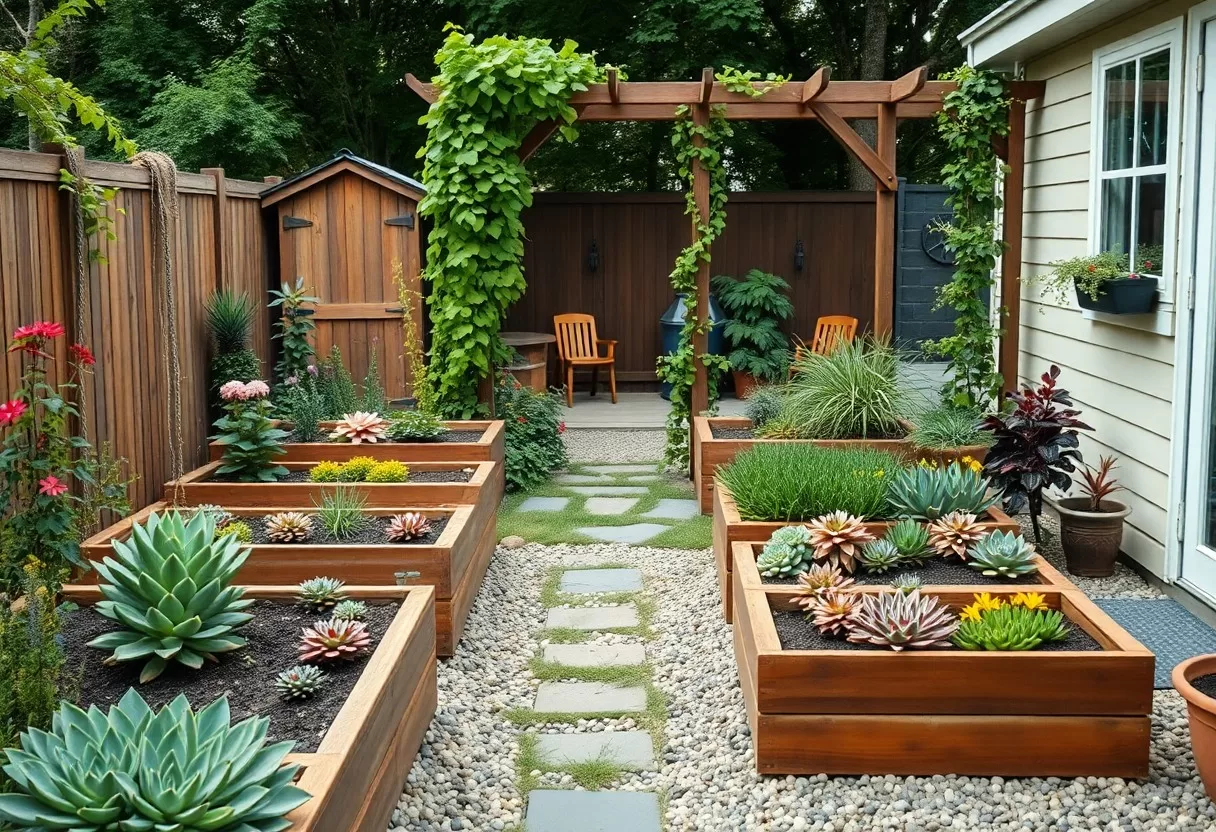
Opt for layouts that allow for easy access and maintenance. Consider creating beds that are no wider than 4 feet, enabling you to reach plants without stepping into the soil, which helps prevent soil compaction. Incorporate raised beds or containers, as they not only save time on weeding but also facilitate better drainage and fewer pests, giving you more time to simply enjoy your garden.
The Power of Perennials for Long-term Enjoyment
Perennials offer a sustainable solution for busy homeowners, providing beauty year after year with minimal replanting. Many perennials require less care and can withstand changing weather conditions, making them ideal for your low-maintenance garden. Select varieties that are native to your area for even greater ease, as these plants typically flourish without extra attention.
Investing in perennials means fewer planting decisions over time and sustained garden enjoyment. For example, plants like lavender, echinacea, and daylilies thrive with basic care, returning every spring and adding vibrant color with minimal effort. Consider grouping perennials by bloom time for continuous color and interest throughout the season. With the right combinations, your garden can flourish with a diverse palette while demanding less of your attention.
Finding Balance: Gardening and Time Management
Striking a balance between your garden and a busy schedule can enhance your overall well-being. Prioritizing specific gardening tasks and time management will allow you to enjoy the benefits of nature without feeling overwhelmed. By integrating your gardening activities into your lifestyle efficiently, you can achieve a gorgeous outdoor space that complements your home rather than complicates it.
Scheduling Quick Gardening Tasks
Short bursts of gardening can be effectively integrated into your schedule. Consider setting aside just 10 to 15 minutes a day for imperative tasks, such as watering plants or pulling weeds. This compact approach keeps your garden healthy and progresses step by step, making it manageable even on a tight timeline. Utilizing weekend mornings or evenings can also significantly boost productivity without feeling like a chore.
Involving the Family in Gardening Activities
Engaging family members in gardening can transform the experience into a fun and collaborative endeavor. Each person can take charge of specific roles, from planting flowers to watering the garden. This not only lightens your workload but also fosters a sense of teamwork. Family bonding over gardening can result in laughter, learning, and a shared appreciation for nature, enriching both relationships and your outdoor space.
When you invite your family into the garden, you imperatively create a shared project that everyone can take pride in. Start by assigning age-appropriate tasks, such as letting younger kids plant seeds or older ones design their own flower beds. You can even create a weekly gardening schedule where everyone contributes their time, making it easier to manage the workload. Celebrating small victories, like a blooming flower or a harvest-ready vegetable, reinforces the idea that gardening is a fun and rewarding shared responsibility. Not only will your garden thrive, but the bond with your loved ones will flourish as well.
Final Words
Drawing together the ideas explored, you can easily cultivate a beautiful garden that fits your busy lifestyle. By choosing low-maintenance plants, utilizing smart gardening techniques, and incorporating efficient tools, you can enjoy the benefits of gardening without overwhelming your schedule. Whether it’s container gardening, raised beds, or drought-resistant plants, there are countless ways to create a thriving garden that reflects your style while requiring minimal effort. Embrace these simple strategies to enhance your outdoor space and bring tranquility to your home.
Q: What are some low-maintenance plants that are ideal for busy homeowners?
A: Busy homeowners looking for low-maintenance plants should consider options such as succulents, which require minimal watering and thrive in bright light. Perennials like daylilies and hostas are also excellent choices, as they come back year after year with little effort. Ornamental grasses, like blue fescue, are drought-tolerant and can beautify any garden without demanding much attention. Additionally, herbs such as rosemary and thyme are not only easy to care for but also useful for cooking.
Q: How can I simplify garden maintenance tasks to fit a busy lifestyle?
A: To simplify garden maintenance, start by creating a realistic gardening schedule that allocates small time slots for tasks throughout the week rather than overwhelming yourself with large projects. Implementing mulch can significantly reduce weeding by suppressing weeds and retaining moisture. Choosing automated irrigation systems can save time and ensure your plants receive consistent watering without daily effort. Additionally, grouping plants with similar water and light requirements can streamline care routines.
Q: What are some easy landscaping ideas for homeowners with limited time?
A: For homeowners with limited time, incorporating hardscaping elements such as gravel paths, stone borders, or wooden decks can reduce the area needing upkeep. Creating a tiered garden with raised beds can also limit maintenance by defining areas and making access easier. Utilizing ground cover plants instead of traditional lawns can minimize mowing and weeding. Implementing container gardening allows for easy rearrangement and care, making small outdoor spaces versatile and manageable.