
Earth-Sheltered Homes – Why Subterranean Design Is Rising
Many homeowners are discovering the benefits of earth-sheltered homes, a design that integrates structures into the landscape for enhanced energy efficiency and sustainability. By utilizing natural soil insulation, you can significantly lower your heating and cooling costs while minimizing your carbon footprint. These homes offer natural disaster protection, with increased resilience against severe weather events. As climate concerns grow and energy prices rise, subterranean design emerges as a viable solution for modern living. Explore how this innovative approach can transform your lifestyle and environmental impact.
Key Takeaways:
- Earth-sheltered homes provide superior energy efficiency by leveraging natural insulation and temperature stability from the surrounding earth.
- These designs often utilize sustainable materials and reduce the environmental impact, aligning with eco-friendly building trends.
- Subterranean living offers increased protection from extreme weather events and enhances privacy compared to traditional homes.
Climate Resilience: Why Earth-Sheltering is a Smart Choice
Earth-sheltered homes offer significant advantages in climate resilience, enabling you to withstand harsh weather conditions while maintaining comfort and sustainability. By utilizing natural terrain and materials, these designs not only enhance your energy efficiency but also reduce your environmental footprint. This innovative approach allows you to mitigate heating and cooling costs throughout the year, ultimately adapting to the effects of climate change.
Advantages of Natural Insulation
Natural insulation is a standout feature of earth-sheltered homes, providing temperature regulation that significantly lowers heating and cooling needs. Surrounded by earth, the walls maintain a stable temperature, allowing you to enjoy a consistently comfortable indoor climate. This reduces reliance on artificial heating and cooling systems, ultimately leading to lower energy costs and a decreased carbon footprint.
Protection from Extreme Weather Events
Earth-sheltered homes offer robust protection against extreme weather events, from hurricanes to heavy snowfall. The underground placement and thick, earthen walls act as a natural barrier, shielding your home from strong winds and debris. In fact, studies show that these homes can withstand wind forces up to 140 mph, making them significantly safer during storms than traditional structures.
This protective design is especially valuable in areas prone to natural disasters. Flood-resistant features are inherent due to strategic placement below ground level, and in regions experiencing severe snowstorms, the weight of snow is less concerning when your home is built into the earth. The thermal mass of the surrounding soil helps to prevent freeze-thaw cycles, enhancing durability. With such resilience, you can feel secure in your investment while contributing to a more sustainable future. Your peace of mind comes from knowing that your home is not only energy-efficient but fortified against the unpredictable forces of nature.
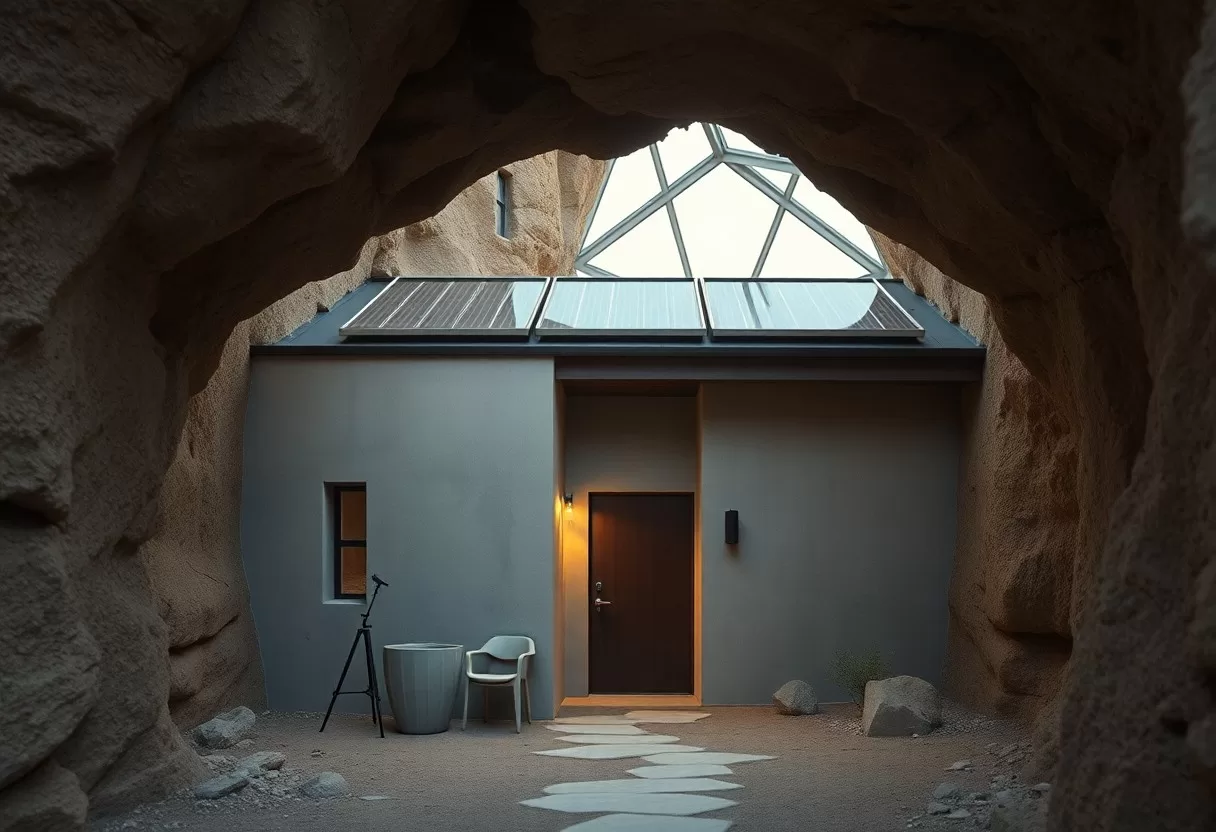
Economic Benefits of Subterranean Living
Investing in an earth-sheltered home offers compelling economic advantages, particularly in long-term financial planning. The initial costs may be comparable to traditional homes, but reduced energy bills, maintenance expenditures, and insurance premiums can lead to significant savings over time. Many homeowners find that the benefits far outweigh any initial investment when they consider the overall lifecycle costs associated with subterranean living.
Long-term Energy Savings
Subterranean homes provide exceptional energy efficiency, dramatically lowering your utility bills. By maintaining a stable internal temperature year-round, these homes can require up to 50% less energy for heating and cooling compared to conventional homes. This reduction not only saves you money but also contributes positively to the environment by decreasing your carbon footprint.
Reduced Maintenance and Lower Insurance Costs
Lower maintenance requirements for earth-sheltered homes translate into further economic benefits. The robust, protected structure minimizes weather-related wear and tear, which can lead to significantly reduced repair costs. Additionally, many insurers recognize the reduced risk associated with subterranean dwellings, resulting in lower insurance premiums that add to your overall savings.
As a homeowner in an earth-sheltered residence, you benefit from fewer maintenance headaches due to natural protection from elements like wind, rain, and snow. The durable materials often used in construction are less susceptible to damage over time, leading to intervals of maintenance stretching much longer than in conventional houses. Insurers also adjust their rates based on lower claims filed by subterranean homeowners, making these properties not only cost-effective but also financially stable for the long term.
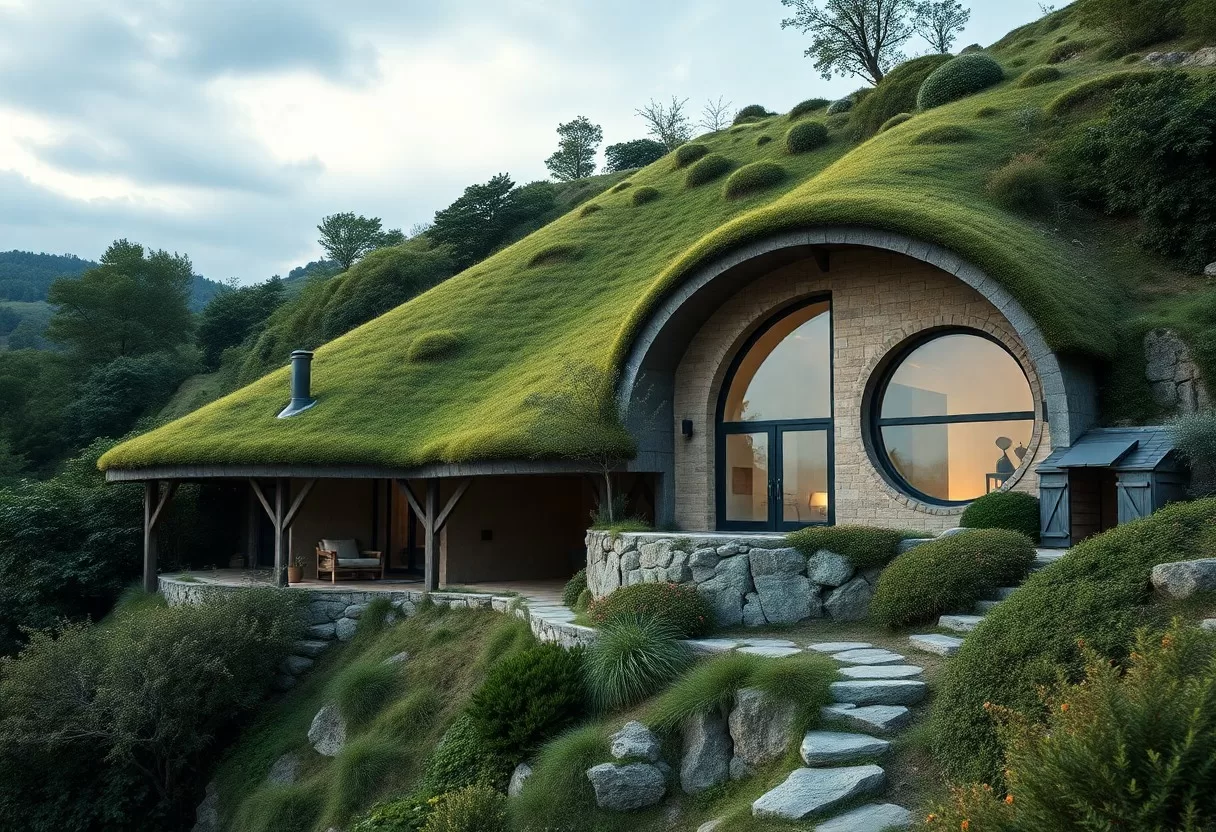
The Aesthetic Appeal of Buried Architecture
Earth-sheltered designs challenge conventional notions of beauty, seamlessly integrating with their surroundings. You may find their gentle slopes and natural contours create a harmonious connection between the home and landscape, resulting in a striking yet unobtrusive presence. The earthy materials often used, such as stone and wood, enhance this appeal, evoking a sense of warmth and familiarity that typical structures may lack.
Blending with the Landscape
Integrating your home with the natural terrain offers unique aesthetic benefits. By utilizing native plants and local materials, your earth-sheltered home can mimic the environment, creating a seamless transition between indoor and outdoor spaces. This technique not only enhances beauty but also promotes biodiversity, as the landscape becomes a living extension of your home.
Innovative Design Possibilities
Earth-sheltered homes invite an array of innovative design opportunities that challenge traditional architecture. With less exposure to the elements, you can explore unique shapes and layouts, prioritizing open floor plans and expansive windows that draw in natural light. Creative use of geothermal heating and cooling systems further enhances your home’s efficiency, while artistic expressions can flourish through the incorporation of sculptural elements that elevate aesthetics while maintaining functionality.
Custom features, such as curved walls and skylights, allow for creativity while ensuring excellent thermal performance. You can implement biophilic design elements, such as indoor plant walls that enhance air quality and connect you to nature even indoors. Additionally, incorporating sound-proof materials can provide a serene ambiance, making your earth-sheltered home a sanctuary. This innovative approach not only redefines your living space but also serves as a statement of sustainability and aesthetic originality.
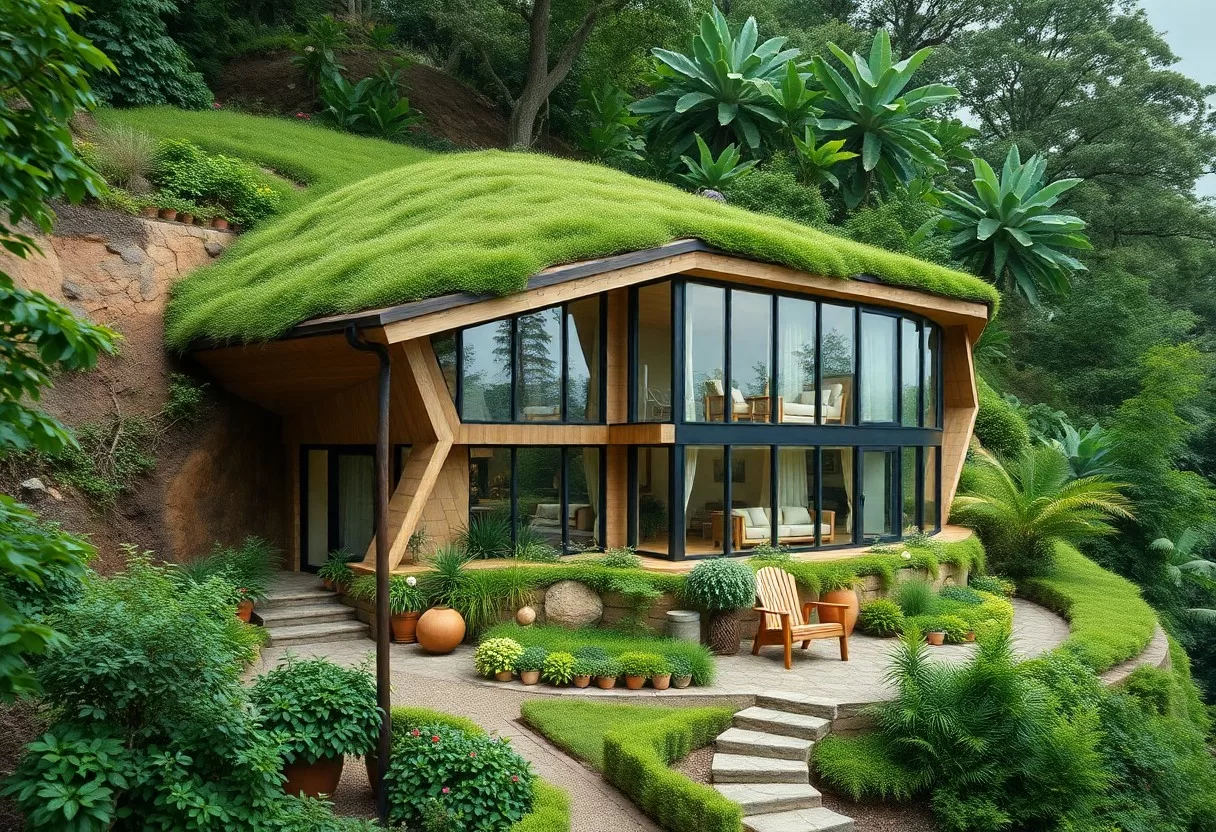
Overcoming Common Misconceptions
You may have encountered several misconceptions about earth-sheltered homes that can deter you from considering this innovative design. One of the main myths suggests these homes are dark, cramped, and cave-like. In reality, they can be designed to incorporate ample natural light and spacious living areas, creating inviting environments. Additionally, many believe that earth-sheltered homes are prohibitively expensive; however, the long-term energy savings and durability often offset the initial investment.
Addressing Safety and Ventilation Concerns
Safety is a top priority for homeowners, and earth-sheltered designs address this through strategic planning. Proper engineering ensures structural integrity, while advanced ventilation systems maintain air quality. Implementing features such as automated ventilation and energy recovery ventilators can enhance safety, providing you with a fresh and comfortable indoor environment, even when surrounded by earth.
Dispelling Myths About Moisture and Mold
Concerns about moisture and mold are common but often unfounded in well-designed earth-sheltered homes. By utilizing effective drainage systems and moisture barriers, these homes can minimize the risk of water accumulation. Continuous air circulation and humidity control measures further enhance indoor air quality, ensuring a healthy living environment.
Many assume that being partially underground increases the likelihood of mold growth due to dampness. However, proper site analysis and design can significantly mitigate this issue. Materials like waterproof membranes and correctly sloped landscaping direct water away from your home. Furthermore, modern dehumidifiers and HVAC systems can monitor and adjust humidity levels, making it possible to maintain an atmosphere similar to traditional homes. This proactive approach helps you enjoy a comfortable, mold-free environment without sacrificing the benefits of earth-sheltering.
A Vision for Sustainable Communities
Subterranean design aligns with the growing demand for sustainable communities, encouraging a shift in how we think about housing and urban development. By integrating earth-sheltered homes into community planning, you not only reduce energy consumption but also create harmonious living environments that blend with nature. This innovative approach fosters resilience against climate change and promotes a lifestyle that values conservation and sustainability.
Influencing Urban Planning
Earth-sheltered homes can significantly influence urban planning by promoting compact, efficient growth. Cities that incorporate this design reduce urban sprawl and enhance green space, thereby lowering infrastructure costs. Your participation in such planning efforts leads to denser, more walkable communities that prioritize accessibility and environmental responsibility.
Promoting Eco-friendly Lifestyle Choices
Choosing earth-sheltered living encourages you to adopt eco-friendly lifestyle choices that benefit both your lifestyle and the planet. From utilizing renewable resources to reducing waste, every aspect of your home can reflect a commitment to sustainability. Engaging with local sustainability initiatives often accompanies this housing trend, further enhancing your impact.
Beyond energy efficiency, earth-sheltered homes promote a myriad of eco-friendly lifestyle choices. Living underground naturally regulates temperature, reducing reliance on heating and air conditioning, which in turn lowers your carbon footprint. Utilizing materials like recycled steel and concrete not only minimizes waste but also supports local economies. You might even consider landscaping with native plants that require less water and maintenance, fostering biodiversity and resilience in your surroundings. This holistic approach enables your household to serve as a model of sustainability, encouraging neighbors and local businesses to follow suit.
Final Words
Now, as you consider the rising trend of earth-sheltered homes, it’s clear that their subterranean design offers you energy efficiency, sustainability, and a unique living experience. By choosing this innovative approach, you can enhance your home’s comfort while reducing environmental impact. Embracing this design not only reflects a commitment to eco-friendly living but also positions you at the forefront of modern architectural trends, offering both aesthetic and practical benefits that align with contemporary values.
FAQ
Q: What are the main benefits of earth-sheltered homes?
A: Earth-sheltered homes offer energy efficiency, natural insulation, and protection from extreme weather. Their design can reduce heating and cooling costs, provide a quieter living environment, and utilize minimal land disturbance, contributing to a sustainable lifestyle.
Q: How do earth-sheltered homes blend with the environment?
A: These homes are typically built into hillsides or buried beneath soil, allowing them to blend seamlessly with the surrounding landscape. This integration minimizes visual impact and helps preserve natural habitats, promoting ecological balance.
Q: Are earth-sheltered homes suitable for all climates?
A: Yes, earth-sheltered homes can be designed for various climates. Their thermal mass provides inherent insulation, making them effective in both cold and hot environments. With proper engineering, they can withstand diverse weather challenges while maintaining comfort and efficiency.