
Digital‑Detox Gardens – Offline Community Spaces for Connection
With the rise of screen time impacting mental health, Digital-Detox Gardens offer you a unique opportunity to reconnect with nature and foster meaningful relationships. These offline community spaces encourage you to step away from devices, promoting real-life interactions and enhancing your sense of belonging. By immersing yourself in a tranquil environment, you can reduce stress, enhance creativity, and cultivate a healthier lifestyle. Embrace the shift towards community and connection, allowing these gardens to help you rejuvenate your mind and spirit.
Key Takeaways:
- Digital-detox gardens provide a sanctuary for offline interactions, fostering deeper connections among community members.
- These spaces encourage mindfulness and reduce screen time, promoting mental well-being and social engagement.
- Design elements in these gardens are focused on creating an inviting atmosphere that encourages relaxation and conversation.
The Concept of Digital-Detox Gardens
Definition and Purpose
Digital-detox gardens are specially designed outdoor spaces that encourage people to disconnect from technology and engage with nature and one another. These environments promote mindfulness and foster real-world connections through communal activities, gardening, and social interactions. The primary purpose is to create a retreat where individuals can relax, rejuvenate, and rediscover the profound benefits of being offline.
Benefits for Community Engagement
Establishing digital-detox gardens brings people together, enhancing community bonds and fostering collaboration. Engaging in communal gardening activities encourages teamwork and shared responsibility, while regular events like workshops or potlucks create opportunities for socializing without digital distractions. These interactions can lead to stronger neighborhood ties and instill a sense of belonging among residents.
Community engagement in digital-detox gardens can significantly enhance social cohesion. For instance, studies show that neighborhoods with gardens report a 40% increase in social interactions among residents. Organizing activities such as planting days or educational workshops cultivates skills and friendships while tackling common issues like food insecurity. Moreover, these spaces often attract diverse groups, promoting inclusivity and facilitating connections that bridge generational and cultural gaps, further enriching your community experience.
Designing a Digital-Detox Garden
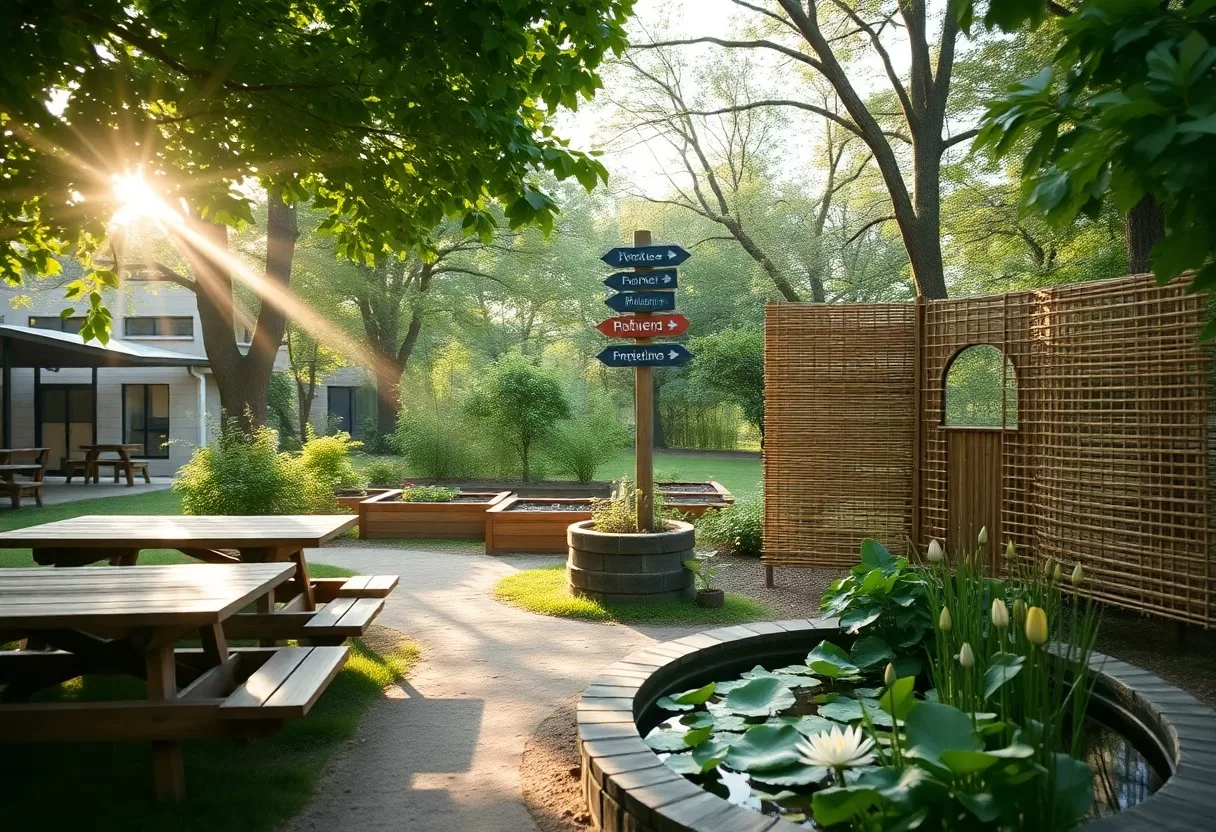
Envisioning a digital-detox garden involves creating a harmonious environment that draws individuals away from screens and into nature. Layouts should facilitate relaxation and engagement, with spaces for solitary reflection and group interaction. Consider incorporating elements such as comfortable seating, shaded areas, and sensory pathways to foster a connection with the natural surroundings. Utilizing native plants not only enhances the aesthetic appeal but also supports local ecosystems, enriching the overall experience and encouraging biodiversity.
Features and Elements
Essential features include seating areas made from sustainable materials, meditative spaces for reflection, and interactive installations that engage the senses. Adding sensory gardens with fragrant plants, textured surfaces, and calming water features can enhance the immersive experience, promoting mindfulness and reducing stress levels. Incorporate educational elements, like local flora signage, to enrich visitors’ understanding of nature and its benefits.
Accessibility and Inclusivity
Designing digital-detox gardens should prioritize accessibility for all individuals, including those with mobility challenges and sensory sensitivities. Pathways need to be wide and smooth, ensuring easy navigation. Plant selections should consider sensory variety, accommodating diverse preferences, and providing peaceful spaces that cater to different needs for relaxation and interaction.
Inclusivity in design fosters community engagement and ensures that everyone feels welcome. Integrating features like raised garden beds allows those with limited mobility to participate in gardening activities. Providing signs in multiple languages and incorporating Braille can assist individuals with varied language proficiencies and visual impairments. Community input during the planning phase can also highlight specific needs and preferences, promoting steady public interest and shared ownership of the space. Ultimately, these strategies ensure that your digital-detox garden serves as an inviting haven for diverse community members, enhancing connection and well-being for all.
The Role of Nature in Digital Detox
Engaging with nature allows you to break free from the incessant pull of digital devices. By immersing yourself in green spaces, the sights and sounds of the natural world foster a sense of tranquility. This shift not only helps ease your mind but also transforms your emotional landscape, offering a refreshing escape from technology-induced stress.
Psychological Benefits
Nature significantly enhances your psychological well-being by reducing feelings of anxiety and depression. Studies show that spending time outdoors can lower cortisol levels, the stress hormone, promoting a more balanced mood. The peaceful ambiance of gardens and parks encourages mindfulness, allowing you to reconnect with your thoughts and feelings.
Physical Health Advantages
Connecting with nature leads to several physical health advantages, including improved cardiovascular function and enhanced immune response. Regular outdoor activities promote physical fitness, which can help you maintain a healthy weight and reduce chronic disease risk. Even moderate exposure to nature can have restorative effects on your body.
Research indicates that individuals who spend at least two hours per week in nature experience significant health benefits. For instance, simple activities like walking or gardening can boost your heart health and reduce the risk of stroke and heart disease. Nature also encourages you to be more active, with studies evidencing that people are more likely to engage in physical activity when surrounded by green spaces, which contributes to overall fitness and well-being.
Community Involvement and Programming
Your digital-detox garden thrives on active community involvement, fostering a sense of belonging and shared purpose. By creating a space where members can gather offline, you cultivate relationships that enhance the garden’s ecosystem. Regular programming, including workshops and events, encourages engagement and nurtures connections, making the garden a vibrant hub for creativity and collaboration.
Workshops and Events
Participating in diverse workshops and events transforms your digital-detox garden into an educational haven. You can learn skills like organic gardening, herbal medicine, or sustainable practices while forging bonds with fellow attendees. These activities not only offer hands-on experiences but also promote personal growth and community resilience.
Volunteer Opportunities
Getting involved through volunteer opportunities allows you to contribute meaningfully to your digital-detox garden. You can take part in maintenance tasks, event organization, or outreach efforts, reinforcing the garden’s role as a community asset. Collaborating with others, you share in the rewards of nurturing this unique space.
Volunteering in your digital-detox garden can deepen your connection to the community and nature. By dedicating just a few hours each week, you play a vital role in its upkeep, from planting to event setup. Examples include leading children in educational activities or maintaining paths and plants. Engaging with others while you work amplifies the garden’s dual purpose of fostering social ties and providing a restorative natural environment, making your contributions invaluable.
Case Studies of Successful Digital-Detox Gardens
Exploring a variety of successful digital-detox gardens illustrates their transformative power in fostering community connections and enhancing mental well-being. These case studies provide compelling evidence of how designated spaces can effectively reduce screen time and promote meaningful interactions.
- Central Park, New York: Hosts over 12 million visitors annually, providing 843 acres for relaxation and unplugged socializing.
- Botanical Gardens, Sydney: Reports a 40% increase in visitors during digital detox workshops, showing demand for offline experiences.
- Forest Therapy, Japan: Facilitated over 300 forest therapy sessions, contributing to improved participant mood ratings by 60%.
- Eco-Parks in Finland: Documented a 50% reduction in reported stress levels among participants after an afternoon spent in nature.
Examples from Around the World
Globally, numerous digital-detox gardens have emerged, each showcasing unique approaches to offline engagement. In Germany, urban community gardens have led to a significant decrease in social isolation, with a reported 30% rise in social cohesion among participants. Meanwhile, Australia’s ‘Nature Play’ initiatives have attracted families, successfully drawing over 100,000 participants since inception, underscoring the demand for outdoor, device-free activities.
Lessons Learned and Best Practices
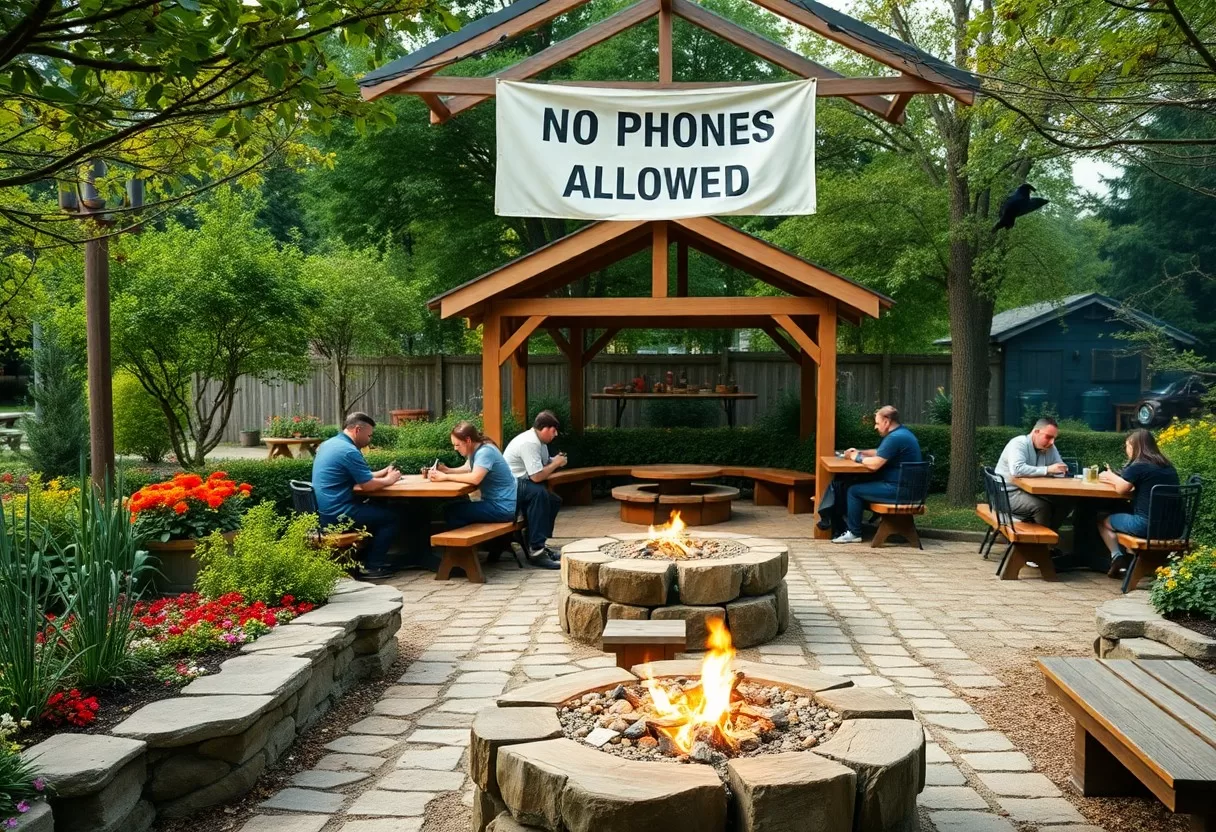
Key insights from successful digital-detox gardens emphasize the importance of accessibility and diverse program offerings. Gardens that integrate varied activities—from mindfulness training to communal gardening—maximize participation and appeal to broader demographics. Clear signage promoting device-free zones can further enhance the landscape of connection, fostering positive interactions among visitors.
Effective digital-detox gardens demonstrate the power of thoughtful design and community involvement. By providing spaces that prioritize interaction over technology, you can cultivate environments where individuals feel comfortable disconnecting from their screens. Engaging participants through a range of activities, offering clear guidelines for device usage, and creating an inviting atmosphere are all critical elements. Regular assessment and adapting to visitor feedback can ensure that the garden meets the evolving needs of your community, enhancing both well-being and social connection.
Challenges and Considerations
Establishing a digital-detox garden presents several challenges. You may encounter issues related to funding, community interest, and ongoing maintenance. Addressing these considerations early will enhance the garden’s sustainability and impact, ensuring it thrives as a space for authentic connections.
Funding and Maintenance
Securing adequate funding is vital for your digital-detox garden. Explore options like community grants, local business sponsorships, and crowdfunding campaigns to gather resources. Additionally, enlist volunteers to help with ongoing maintenance, ensuring the space continues to flourish without overwhelming costs.
Overcoming Resistance to Offline Spaces
Resistance to offline spaces often arises from entrenched habits and a perception that online interactions are more convenient or meaningful. You may need to showcase the benefits of in-person connections, emphasizing how these environments foster deeper relationships and enhance mental well-being. Highlight success stories from existing gardens, demonstrating their positive impact on community cohesion and individual mental health. Engaging local influencers and hosting introductory events can also help shift perceptions and draw people into these revitalizing spaces.
Summing up
Considering all points, embracing Digital-Detox Gardens allows you to reconnect with nature and foster genuine relationships in your community. These offline spaces encourage mindfulness and provide a haven from digital distractions. Engaging in these gardens can enhance your well-being and strengthen your social bonds. To further explore the concept of digital detoxification, you can Discover the Best Offline Escapes for a Screen-Free Summer. By prioritizing these experiences, you’ll create a balanced lifestyle that values meaningful connections.
FAQ
Q: What is a Digital-Detox Garden?
A: A Digital-Detox Garden is a dedicated outdoor space designed to encourage individuals to disconnect from digital devices and engage in face-to-face interactions and community-building activities.
Q: How can Digital-Detox Gardens promote mental well-being?
A: These gardens provide a tranquil environment that fosters relaxation and mindfulness, reducing stress and anxiety by promoting nature immersion and social engagement without digital distractions.
Q: What activities are typically organized in Digital-Detox Gardens?
A: Activities may include gardening workshops, yoga sessions, art classes, group picnics, and community events that encourage interaction and cooperation among participants.
Q: Can anyone participate in activities at Digital-Detox Gardens?
A: Yes, Digital-Detox Gardens are open to all individuals, regardless of age or background, fostering inclusivity and community connection.
Q: How do I find a Digital-Detox Garden near me?
A: You can search online for local community gardens, wellness centers, or social organizations that promote digital detox initiatives, or consult community boards for information about nearby spaces.