
Designing for Neurodiversity – Home Environments for Autism, ADHD and Sensory Needs
Over time, understanding the diverse needs of individuals with autism, ADHD, and sensory sensitivities has become increasingly important in creating effective home environments. By incorporating tailored design strategies, you can significantly enhance comfort, functionality, and well-being for those affected. From choosing soothing color palettes to minimizing sensory overload, this guide will empower you to design a space that caters to unique neurodiverse needs, fostering a nurturing atmosphere that promotes positive connections and ensures everyone feels safe and supported at home.
Key Takeaways:
- Incorporate sensory-friendly materials and colors to create calming environments for individuals with sensory sensitivities.
- Utilize flexible spaces that can be adapted for various activities, promoting comfort and reducing overwhelm.
- Ensure that natural light and quiet areas are accessible, supporting emotional well-being and focus for neurodiverse individuals.
Understanding Neurodiversity
Defining Neurodiversity
Neurodiversity refers to the natural variation in human cognition and behavior, recognizing that conditions like autism, ADHD, dyslexia, and others are part of the human experience rather than deficits. This perspective promotes the understanding of these differences as unique strengths and challenges that require tailored approaches in various aspects of life, including home design. You can create environments that embrace and support these variations, enhancing comfort and functionality for individuals with diverse neurological profiles.
The Spectrum of Autism and ADHD
The spectrum of autism and ADHD illustrates the wide range of experiences within each condition. Autism can manifest in various forms, affecting communication, social interaction, and behavior differently across individuals. Similarly, ADHD presents in inattentive, hyperactive, and impulsive forms, demonstrating diverse traits. These spectrums highlight the importance of personalized strategies in living environments, enabling each individual to thrive according to their specific sensory and cognitive needs.
Understanding the spectrum is necessary; for instance, approximately 1 in 54 children in the U.S. are diagnosed with autism, which exhibits diverse characteristics, from non-verbal to highly articulate individuals. ADHD affects about 5% of the global population, showcasing varying levels of focus and impulsivity. By recognizing these differences, you can design spaces that cater to specific sensory preferences, such as calming colors for those with autism or designated study areas for individuals with ADHD, ultimately promoting well-being and functionality in their everyday lives.
Key Sensory Considerations
Understanding Sensory Processing
Sensory processing varies significantly among individuals, particularly in neurodiverse populations. For those with autism or ADHD, sensory input can be either overstimulating or under-stimulating, leading to challenges in daily functioning. You might notice that certain sounds, lights, or textures can evoke strong reactions, making it necessary to understand your sensory profile to create an effective home environment.
Creating a Sensory-Friendly Space
A sensory-friendly space prioritizes comfort and adaptability by minimizing overwhelming stimuli while incorporating elements that promote positive sensory experiences. Use soft lighting, soundproofing, and calming colors to reduce distraction. Additionally, integrate tactile materials, such as plush rugs or textured wall panels, to offer sensory engagement. The goal is to create a space that nurtures focus and relaxation.
In a sensory-friendly space, consider zoning different areas for various activities. For instance, a quiet nook with soft furnishings can provide a retreat for relaxation, while a vibrant, tactile play corner encourages exploration and engagement. You can incorporate adjustable lighting and sound control to allow for personalization based on sensory needs. Accessories like weighted blankets or fidget tools can further enhance the sensory experience, providing comfort and focus when needed. By understanding and optimizing these elements, you create a supportive home environment that accommodates your unique sensory requirements.
Design Principles for Neurodiverse Homes
In constructing a home that accommodates neurodiverse needs, effective design principles prioritize comfort, safety, and functionality. Your space should foster a sense of belonging while minimizing sensory overload. This involves thoughtful choices in materials, layout, and the overall environment, ensuring each area serves a clear purpose that supports daily activities and routines.
Color and Lighting Choices
Selecting appropriate colors and lighting is vital in creating a soothing environment. Soft, muted tones can reduce overstimulation, while variations of natural light-both bright and dim-help cater to different sensory preferences. Incorporating adjustable lighting solutions enables you to tailor brightness levels to suit your mood or tasks.
Space Organization and Flexibility
Effective space organization should include a variety of areas tailored for different activities. Flexible layouts allow you to modify your environment according to your needs, whether it’s creating a quiet nook for relaxation or an open area for social interaction. Utilizing modular furniture can easily transform your space and adapt to changing requirements.
Consider the dimensions of each room to ensure adequate flow and accessibility. By organizing areas with multifunctional zones, you support different sensory experiences and activities, accommodating both focused work and social gatherings. This flexibility promotes independence and personal choice, crucial for managing anxiety and overstimulation. Strategic placement of sensory-friendly items, such as weighted blankets or calming visuals, enhances the comforting atmosphere of your home, allowing for a balance between structure and fluidity.
Creating Zones for Different Activities
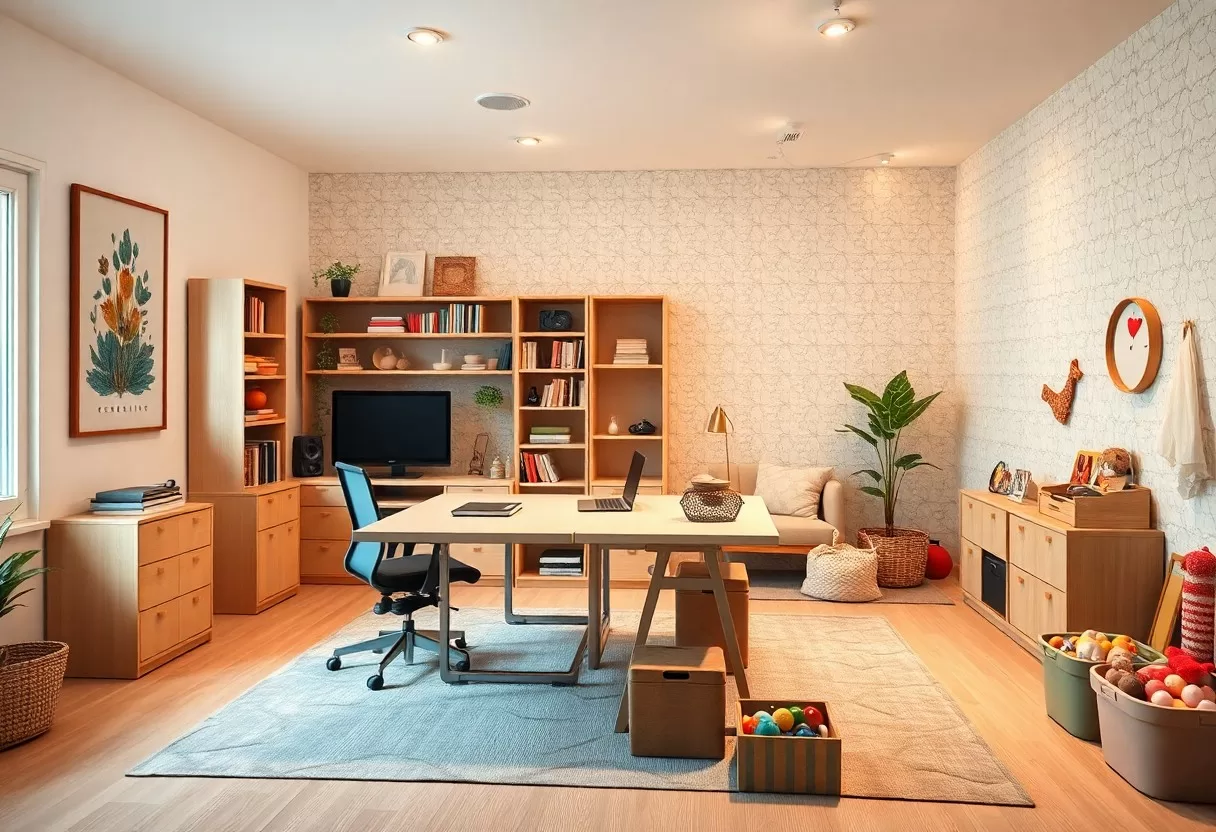
Establishing distinct areas within your home empowers individuals with autism, ADHD, or sensory sensitivities to engage in various activities tailored to their needs. By designing specific zones for play, work, and relaxation, you create an environment that responds to sensory inputs effectively. Refer to this Sensory Responsive Environments: A Qualitative Study on … for insights on effective spatial arrangements.
Focus Areas
Your focus areas should prioritize minimal distractions while enhancing concentration. Use elements like adjustable lighting and sound-absorbing materials to create a calming atmosphere conducive to productivity. Additionally, integrating organizational tools helps keep the space tidy, reducing visual clutter.
Relaxation Spaces
Incorporating relaxation spaces ensures individuals have a designated area to decompress and recharge. These quiet zones can feature comfortable seating, soft lighting, and sensory-friendly materials like bean bags or weighted blankets, enabling a soothing retreat from overstimulation.
Relaxation spaces should incorporate calming elements, such as nature-inspired decor or soothing scents, which significantly enhance their effectiveness. Providing choices like fidget toys or relaxation apps can also help tailor these environments to individual preferences. By prioritizing comfort and security, you offer a sanctuary for managing sensory overload, encouraging self-regulation and emotional balance.
Incorporating Technology in Design
Integrating technology into home design can significantly enhance the living experience for neurodivergent individuals. Utilizing resources such as Sensory-Friendly Home Design for Neurodivergent Families provides vital insights. From smart lighting systems that adjust based on mood to soundproofing technologies that minimize distractions, the right tech can create a more serene and accommodating environment.
Smart Home Solutions
Smart home solutions offer versatile options for managing sensory environments. Devices like programmable smart lights allow you to control brightness and color, tailoring the atmosphere to your needs. Similarly, smart thermostats keep temperature regulation seamless, enhancing comfort. This adaptability can reduce anxiety and promote a sense of safety.
Assistive Technologies
Assistive technologies play a vital role in supporting everyday tasks and improving quality of life. Voice-activated systems, for example, enable hands-free communication and control of home devices, making it easier for individuals with ADHD or sensory sensitivities to navigate their spaces.
Innovations in assistive technologies extend beyond basic functionalities. Tools such as wearable devices can monitor stress levels, providing feedback to help you manage overwhelming situations. Applications that aid in organization and time management are also invaluable, particularly for those with ADHD, offering reminders and tailored schedules. By selecting the right assistive technologies, you create a more empowering environment that accommodates both everyday living and specific sensory needs.
Collaborating with Neurodiverse Individuals
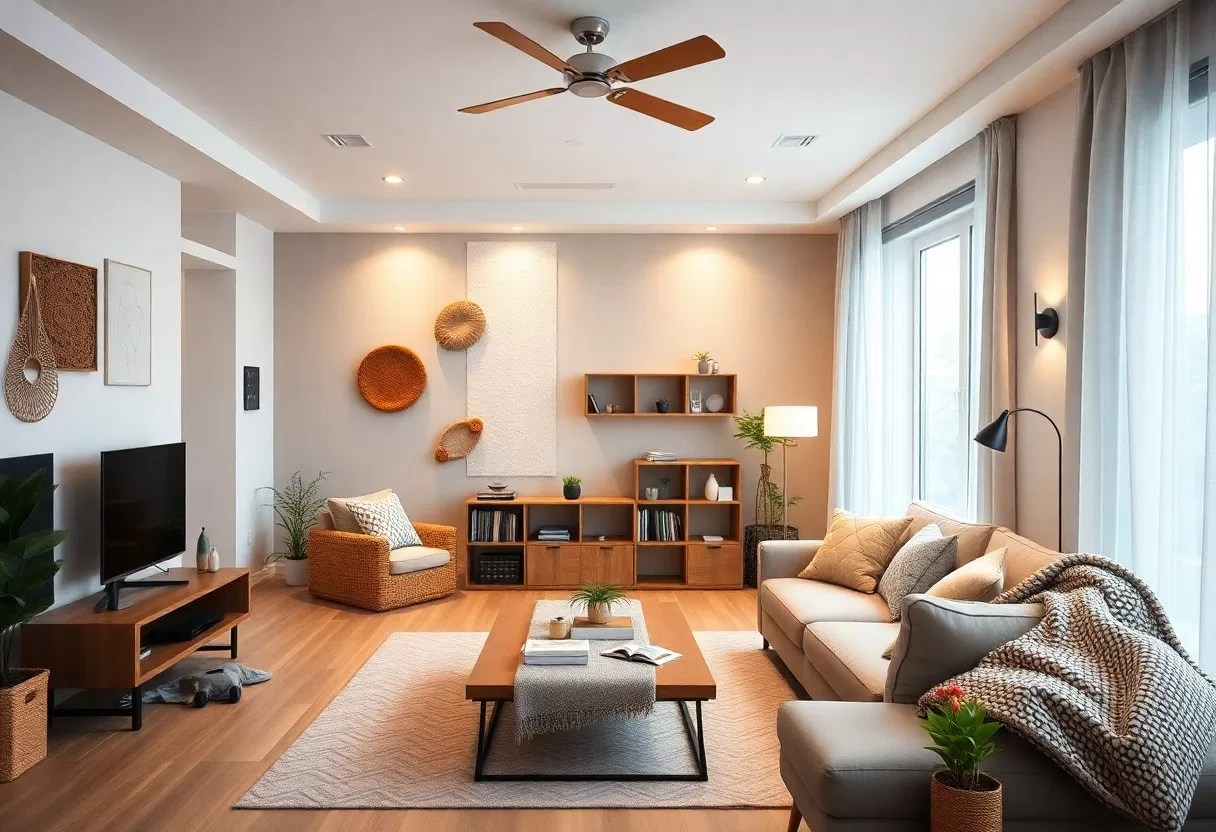
Effective collaboration with neurodiverse individuals requires a deep understanding of their unique perspectives and experiences. Engaging those with autism, ADHD, and sensory sensitivities in the design process enables you to create spaces that truly meet their needs. By actively involving them, you can ensure that your designs reflect personal preferences and requirements, fostering environments that feel safe, comfortable, and functional.
Importance of Input and Feedback
Gathering input and feedback from neurodiverse individuals is vital for designing spaces that suit their sensory and emotional needs. This process allows you to uncover specific preferences regarding lighting, color schemes, and layout. Through *surveys, interviews, and workshops*, you can tap into valuable insights that inform your decisions and promote a sense of ownership over their environments.
Customizing Environments
Customizing environments based on individual feedback ensures that spaces are tailored specifically to neurodiverse needs. This personalization can involve choices like adjustable lighting, varied textures, and strategically placed furniture. Providing options for flexibility can significantly enhance comfort, making the environment more conducive to productivity and relaxation.
Take the concept of adjustable lighting, for instance. Many neurodiverse individuals may prefer natural light during the day but require softer, controlled lighting in the evening to reduce overstimulation. Additionally, incorporating tactile elements, such as different surface textures or sound-absorbing materials, can create a more comfortable atmosphere. By customizing these elements, you ensure that every area supports not only function but also well-being and emotional safety, ultimately fostering a nurturing environment tailored to specific needs.
Summing up
Considering all points, designing home environments that cater to autism, ADHD, and sensory needs requires you to prioritize flexibility, comfort, and sensory-friendly elements. Your approach should include creating adaptable spaces, incorporating calming colors, and utilizing sound-absorbing materials to minimize distractions. By focusing on the unique needs of neurodiverse individuals within your design, you enhance daily living experiences, promote well-being, and foster a sense of security. Ultimately, your efforts can lead to more inclusive and harmonious home environments that truly support diverse sensory requirements.
FAQ
Q: What are some key design elements for creating a sensory-friendly home environment for individuals with autism?
A: Important design elements include the use of soft lighting to reduce glare, the incorporation of soundproofing materials to minimize auditory distractions, and the selection of calming color palettes. Textures should be soft and varied to promote comfort, and the layout should provide open spaces to avoid overwhelming sensations.
Q: How can I effectively organize a home for individuals with ADHD?
A: Organizing a home for ADHD involves creating clear, defined spaces for different activities. Use labels and color coding to help with organization. Ensure that frequently used items are easily accessible while minimizing clutter. Additionally, incorporating timers and visual schedules can enhance focus and time management.
Q: What strategies can be implemented to accommodate sensory needs in living spaces?
A: To accommodate sensory needs, consider using adjustable lighting options, such as dimmer switches and natural light sources. Incorporate elements like weighted blankets and noise-cancelling headphones. Designate quiet areas for retreat, and provide sensory tools, such as fidget toys or calming scents, within easy reach.