
Designing Multi-Generational Homes – Privacy and Togetherness in One Layout
Design your multi-generational home to foster both privacy and togetherness, catering to the diverse needs of each family member. You can achieve this by incorporating distinct living spaces while maintaining communal areas that encourage interaction. Consider adding soundproof features and separate entrances to ensure personal space, while shared kitchens and living rooms can help strengthen family bonds. This balance can create a harmonious environment where everyone feels valued and comfortable in their own sanctuary.
Key Takeaways:
- Incorporating separate living spaces within multi-generational homes promotes privacy while encouraging family interaction.
- Common areas should be designed to foster togetherness without compromising the comfort of individual family members.
- Flexible layouts and adaptable features can accommodate changing needs as family dynamics evolve over time.
Understanding Multi-Generational Living
Defining Multi-Generational Households
Multi-generational households consist of at least two adult generations living under one roof, often including grandparents, parents, and children. As of 2021, nearly 20% of the U.S. population resides in such arrangements, reflecting societal shifts and economic pressures. Your home design should accommodate varying needs and lifestyles for effective coexistence.
Benefits of Multi-Generational Living
Living in a multi-generational household offers multiple financial, emotional, and social benefits. You share resources, reduce overall housing costs, and foster close-knit family relationships while providing crucial support to one another.
The financial advantages are particularly significant; pooling resources can lead to decreased living expenses, allowing for investments in property modifications or amenities that cater to everyone’s needs. Additionally, emotional support is amplified by having family members around, which can enhance mental well-being. Socially, your children benefit from intergenerational relationships, gaining wisdom and skills from grandparents while engaging in a richer family culture, paving the way for a more resilient family unit.
Key Design Principles for Multi-Generational Homes
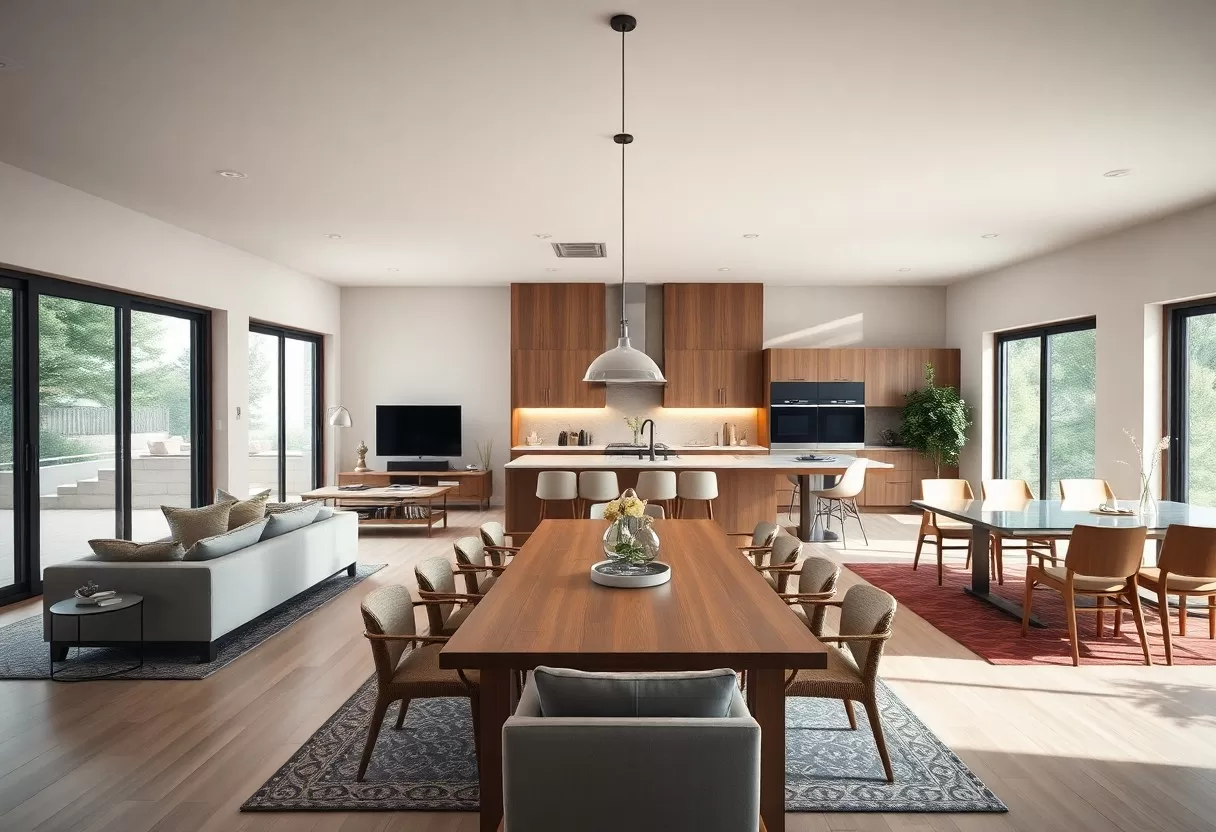
Effective design prioritizes both privacy and togetherness for families sharing a home across generations. Thoughtful layouts can create distinct areas that allow for personal space while retaining opportunities for shared family activities. Consider using open spaces combined with dedicated private zones to meet diverse needs, ensuring every family member feels comfortable and connected.
Balancing Privacy and Togetherness
Finding the right balance requires you to design spaces that cater to varying levels of interaction. Separate entrances, soundproof walls, and strategically placed common areas can help maintain personal retreats while encouraging family gatherings. This duality fosters a harmonious living environment where everyone thrives.
Flexible Spaces for All Ages
Creating flexible spaces is necessary for accommodating different age groups and lifestyles within a multi-generational setting. You can design adaptable rooms that serve multiple functions, such as a guest suite that can transform into a playroom, or a basement that doubles as a quiet office and recreation area. These versatile spaces not only enhance the utility of your home but also promote inclusivity, allowing family members to choose how they use shared areas according to their needs.
Incorporating features like movable walls, foldable furniture, and multi-purpose rooms allows each space to evolve with your family dynamics. For instance, a large dining area can remain open for family dinners, yet can be sectioned off for quiet studying or hobbies when needed. Additionally, consider incorporating universal design principles to ensure that spaces are accessible for all ages, from toddlers to seniors, enhancing safety, function, and comfort throughout the home.
Essential Features for Multi-Generational Homes
Designing a home for multiple generations requires a careful balance of privacy and connection. You need to consider various important features that enhance both individual comfort and communal living. These elements ensure that residents can enjoy their own space while still fostering togetherness, creating a harmonious living environment for everyone.
Separate Entrances and Living Areas
Incorporating separate entrances and dedicated living areas allows different generations to maintain their independence. Think of an entrance that offers direct access to a suite designed for grandparents or adult children, creating a sense of autonomy while still being part of the family unit. This setup not only enhances privacy but also facilitates personal routines without disruption.
Soundproofing and Acoustics
Implementing effective soundproofing measures is important in multi-generational homes. Acoustic panels, insulated walls, and soundproof doors can buffer noise between living spaces, ensuring that activities in one area do not disturb others. This attention to acoustics promotes peaceful coexistence while allowing each generation to engage in their preferred lifestyle without intrusion.
Consider adding acoustic insulation within walls, which can reduce sound transmission effectively. Materials like mass-loaded vinyl or sound-absorbing panels can significantly minimize disturbances, providing a quieter atmosphere. Using rugs and heavy drapes can also absorb sound and enhance comfort. By paying attention to these details, you foster a tranquil environment conducive to relaxation and focus, allowing families to enjoy their time together while respecting personal boundaries.
Outdoor Living Spaces
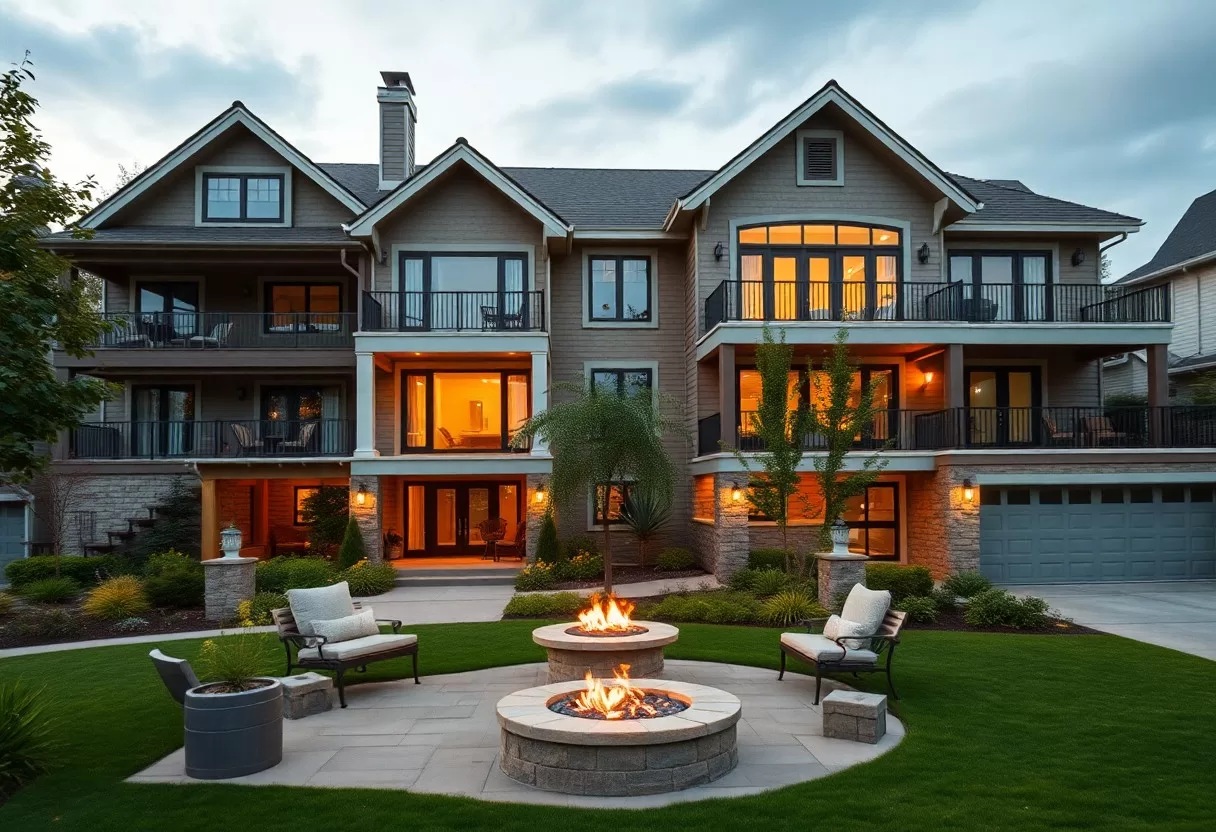
Your outdoor living spaces can wonderfully enhance the experience of multi-generational living by providing areas for both shared activities and solitude. Creating defined outdoor zones fosters togetherness while allowing for personal retreats. Explore ways to blend these elements seamlessly in your design. For more insights, check out Multigenerational House Plans: Bring Family Together & Respect Privacy.
Shared vs. Private Outdoor Areas
Incorporating both shared and private outdoor areas enables family members to enjoy activities together, such as barbecues or gardening, while also having the option to retreat to their own space. A communal patio can serve as a hub for gatherings, whereas a secluded garden nook caters to those wanting a quiet escape. This design strategy respects individual needs and fosters harmony.
Landscaping for Community and Solitude
Effective landscaping serves dual purposes: it creates inviting communal spaces and offers serene spots for solitude. Carefully placed trees, shrubs, and garden features can delineate boundaries while maintaining an open feel. Paths that lead to cozy benches or hammocks can encourage peaceful moments away from the bustle of family life.
Strategically planned landscaping can enhance both community interaction and personal reflection. For instance, utilizing native plants establishes a lush backdrop for group activities while creating a natural barrier that fosters privacy. Additionally, incorporating a variety of textures and colors not only beautifies the environment but also encourages exploration and engagement among family members. Elevating both aesthetics and functionality in your outdoor spaces allows everyone to enjoy quality family time and moments of tranquility.
Incorporating Technology for Convenience
Utilizing technology in your multi-generational home can greatly enhance convenience and comfort for all family members. Features such as advanced home automation systems allow for seamless control of lighting, temperature, and security from a central app, enabling you to adjust home settings effortlessly. Voice-activated devices also facilitate easy communication and accessibility, making daily routines smoother for everyone in the household.
Smart Home Features
Integrating smart home features elevates the living experience by promoting efficiency. Consider installations like smart thermostats that learn your preferences, automated lighting systems to enhance safety, and security cameras for peace of mind. These technologies not only simplify daily life but also support independent living for seniors while keeping them connected with younger family members.
Accessibility Enhancements
Accessibility enhancements are vital in ensuring all generations can enjoy your home comfortably. Incorporating adjustable countertops, wider door frames, and lever-style door handles makes daily tasks manageable for individuals with mobility issues. These alterations promote inclusivity, allowing family members of all ages to navigate the space freely.
Enhancing your home’s accessibility involves thoughtful design choices tailored to accommodate diverse needs. For instance, installing grab bars in bathrooms and utilizing non-slip flooring dramatically reduce fall risks for seniors and individuals with mobility challenges. Elevators or stairlifts can further improve access to multi-level homes, ensuring that everyone can participate in family activities without barriers. Such improvements reflect a commitment to fostering a supportive environment for all family members, allowing independence while ensuring safety.
Case Studies of Successful Multi-Generational Homes
Examining real-world examples provides valuable insights into effective multi-generational home designs, highlighting how practical and functional they can be. These case studies illustrate the integration of shared spaces and private areas, allowing for both togetherness and independence within the same household.
- Example 1: A 3,200 sq. ft. home in California featuring 4 bedrooms and 3 separate living areas designed for a family of eight, enhancing comfort and privacy.
- Example 2: A 2,800 sq. ft. duplex in Texas, allowing two families to maintain independence while sharing a common yard, with energy efficiency ratings better than 30% above standard.
- Example 3: A 3,500 sq. ft. modular home in Florida incorporates sustainable materials and offers tech features like smart home systems for added convenience, reducing living costs by 25%.
For further insights, explore this resource on Designing and Creating a Multigenerational Home.
Innovative Designs from Around the World
Across the globe, innovative designs for multi-generational homes adapt to cultural themes and lifestyles. For example, in Japan, homes often feature compact layouts with shared or communal spaces that promote family interaction while ensuring privacy through sliding doors and flexible room arrangements. In contrast, Australia emphasizes outdoor living and open spaces, effectively blending indoor and outdoor environments.
Lessons Learned from Experience
Analyzing successful multi-generational homes reveals crucial lessons. Homeowners should prioritize shared community spaces while ensuring private areas are well-defined, balancing interaction and solitude. Incorporating technology can streamline daily routines and improve communication among family members.
These lessons emphasize the importance of understanding individual needs while creating designs that promote harmony. Flexibility in layout allows for future adjustments as family dynamics shift, ensuring that your home remains functional long-term. Realizing the significance of shared memories and distinct privacy, you can create spaces that foster connection and support for all generations living under one roof.
Final Words
Upon reflecting on the balance of privacy and togetherness in multi-generational home designs, you can create spaces that accommodate diverse lifestyles while fostering connection. Thoughtfully arranged layouts and designated areas allow each generation to thrive independently, yet close enough to maintain familial bonds. Incorporating flexible spaces and privacy-enhancing features ensures that your home is both inclusive and functional. As you commence on this journey, focus on designing a harmonious environment that meets the unique needs of every family member, ultimately enriching your shared living experience.
FAQ
Q: What design elements can enhance privacy in multi-generational homes?
A: To enhance privacy, consider implementing separate living areas for different generations, such as distinct wings or sections within the home. Utilizing soundproof materials and strategically placed windows can minimize noise and visual intrusion. Additionally, incorporating private outdoor spaces like patios or gardens can provide personal retreats for family members.
Q: How can communal spaces foster togetherness in a multi-generational home?
A: Communal spaces should be designed to encourage interaction. Open floor plans with interconnected living, dining, and kitchen areas promote socialization. Incorporating features like large dining tables, seating arrangements conducive to conversation, and versatile spaces for activities can strengthen family bonds and create a welcoming environment.
Q: What role does accessibility play in designing a multi-generational home?
A: Accessibility is vital for accommodating diverse needs. Features such as wide hallways, zero-step entries, and single-floor living options can make the home more functional for all ages. Consider incorporating ramps and grab bars in bathrooms to ensure safety and comfort for elderly members, while also providing adaptable spaces that can evolve as family needs change.