
Antique Market Finds – Decorating Modern Interiors with Vintage Treasures
With a discerning eye you can blend antique market finds into contemporary rooms to create layered, personal spaces; when hunting, assess condition, authenticity and structural safety to avoid costly repairs or hazards, and prioritize pieces that offer unique craftsmanship and patina to add instant character. You should test for lead paint, pests or unstable wiring, negotiate for value, and place statements where they complement your modern lines without overwhelming them.
Key Takeaways:
- Blend vintage pieces with modern lines to add character without clutter-choose a focal antique and echo its style through finishes, textiles, or colors.
- Prioritize scale and function: select antiques that fit room proportions and serve practical roles (storage, lighting, seating) so they integrate seamlessly.
- Use patina and mixed textures to create depth; balance aged finishes with contemporary materials and neutral backdrops for a cohesive look.
Understanding Antique Styles
When you assess a piece, focus on era-specific cues: silhouette, ornament, materials and manufacture. Georgian and Regency pieces favor mahogany and classical restraint, Victorian leans toward heavy carving and veneering, Art Deco shows chrome and lacquer from the 1920s-30s, while Mid‑century (1945-1965) uses teak and molded plywood. You should use joinery, finish and wear patterns alongside documented provenance to place an item accurately and decide how it will sit with your modern palette.
Key periods, materials and identifying features
Compare features: Georgian (1714-1830) often has straight lines, bracket feet and mahogany; Victorian (1837-1901) shows elaborate carving, rosewood veneers and heavy silhouettes; Art Deco (1920s-30s) favors geometric chrome and Bakelite; Mid‑century (1945-1965) emphasizes teak, bent plywood and minimalist form. Check for hand-cut dovetails (pre‑1860) versus machine-cut joints, tool marks, original finishes and characteristic hardware to pinpoint date and origin.
Assessing authenticity, value and provenance
Start with visible markers: hallmarks on silver, maker’s labels, stamped inventory numbers and paper tags; these often establish origin and date. Be alert to over-restoration that can severely cut value and to skilful forgery traits like artificially induced patina or modern adhesives. You should request condition reports, compare auction records and treat clear documentary provenance as a premium driver when negotiating price.
To dig deeper, examine undersides, joints and screw types-cut nails and hand-tool marks indicate age; Phillips screws and modern glues indicate later work. Use a UV light to reveal modern fillers or retouches, consult maker directories and auction databases (LiveAuctioneers, Invaluable) for comparables, and obtain a written condition report or specialist appraisal. Expect buyers to pay a 10-30% premium for well-documented provenance; when in doubt, hire a trusted conservator or certified appraiser before committing.
Integrating Antiques into Modern Layouts
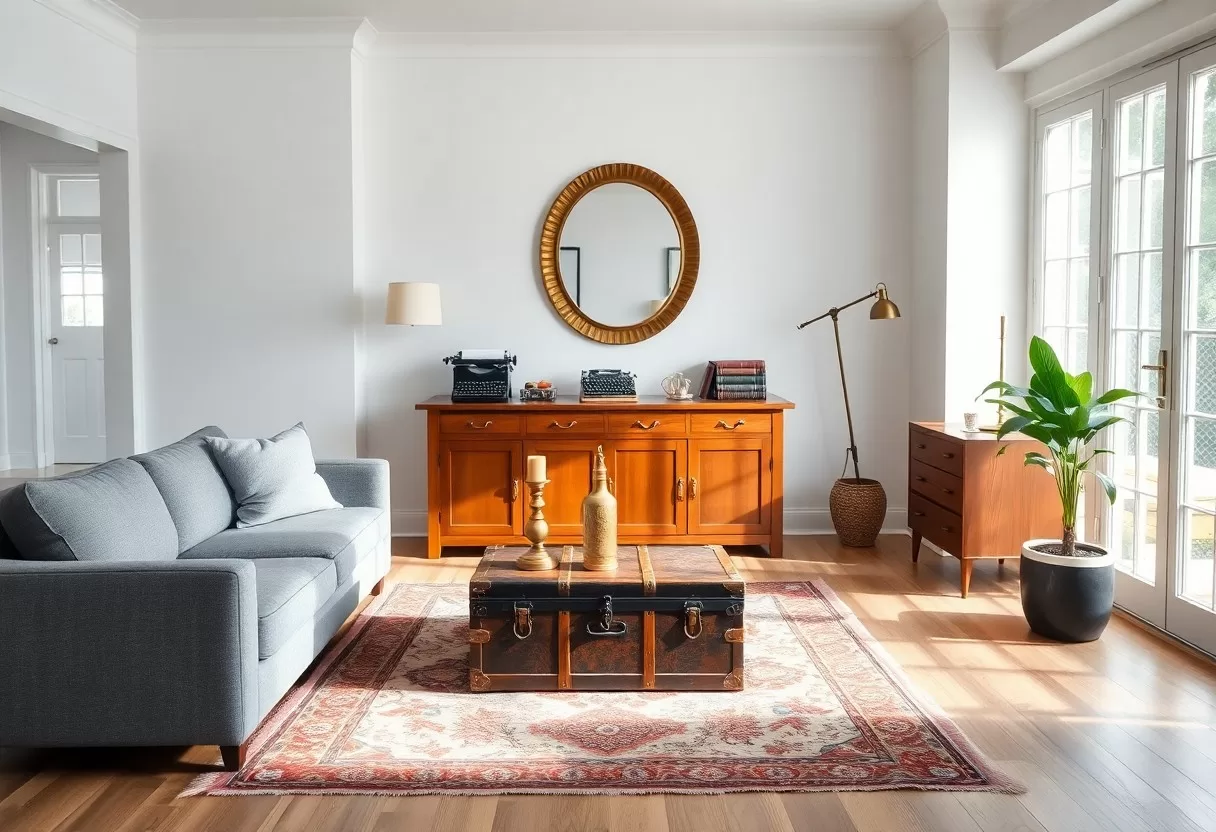
Place antiques so they function as anchors rather than clutter: position a vintage chest against a blank wall or use an antique credenza to define an open-plan kitchen zone. You should maintain at least 30-36 inches of circulation space around large pieces, and balance visual weight by repeating a material or color two or three times across the room. In rooms under 300 sq ft, limit yourself to one dominant antique and a few smaller accents to avoid overwhelming the layout.
Mixing scale, finishes and materials for cohesion
Pair an 80″ tall armoire with a low-profile 32″ sofa so heights feel intentional, and keep height differences within about 6-12 inches for visual harmony. You can temper heavy woods with glass or chrome accents, and use a satin or matte finish to bridge polished brass hardware. Try the 60/30/10 color rule-60% dominant modern background, 30% secondary antique tone, 10% accent-to create a cohesive palette that reads as intentional rather than haphazard.
Creating focal points and balancing minimalist spaces
Let a single antique serve as the visual anchor: a 19th-century mirror above a minimalist fireplace or a carved console in an entryway establishes character without clutter. Place the piece against negative space and illuminate it with directional lighting or a dimmable wall sconce to draw the eye. You should keep surrounding decor minimal-one or two complementary objects-and use the 60/30/10 rule to keep the room feeling balanced and contemporary.
For deeper impact, hang artwork so its center is about 57 inches (145 cm) from the floor and leave at least 6-12 inches between the antique and large furnishings to create breathing room. Define the area with a rug sized so front legs of seating sit on it-commonly an 8’x10′ in living rooms-and use layered lighting: ambient plus a focused fixture on the antique. Secure tall pieces to studs with brackets to prevent tipping; this is both a safety and preservation measure.
Restoration, Conservation & Budgeting
When you decide whether to refresh a find or preserve its history, weigh function, rarity and aesthetics; small brass lamps often clean up for under $50 while a walnut sideboard repair can run $500-$2,000. Use reversible materials and consult resources like 900+ Best Flea Market & Vintage Decorating Ideas in 2026 for styling, and keep provenance intact to protect value.
When to restore, conserve or leave patina
If the piece is structurally unsound or poses a hazard (loose legs, exposed wiring), you should restore those elements first; for items over 75-100 years or with maker marks, favor conservation to keep original finishes. You’ll often preserve value by leaving attractive patina on brass, lacquer and painted surfaces, but treat flaking polychrome or suspected lead paint only with specialist help.
Cost estimates, ethical considerations and finding specialists
Expect conservator rates of roughly $60-$200/hr, upholstery from $150-$800, and full refinishing $500-$3,000 depending on scale. Ethically, you should avoid irreversible alterations, document interventions, and verify credentials-look for AIC affiliations, published condition reports, or gallery references. You can find specialists via museum conservation directories, referrals from antique dealers, or professional restoration forums.
Always get at least two detailed quotes that include time, materials and a written treatment plan; ask for before/after photos of similar projects and a condition report listing reversible steps. Insist on insurance and references, and budget a contingency of 15-30% for unexpected issues like hidden insect damage or structural rot, which commonly add to timelines and costs.
Styling, Layering & Accessories
Layering textiles, objects and lighting helps you create depth so a single vintage piece reads intentional, not dated. Start with a large anchor-like a 48″ oak dresser or linen sofa-then add 2-3 contrasting textures (wool throw, silk pillow, leather ottoman) and repeat a color or metal in three places to unify the look. Aim for a roughly 60/40 antique-to-modern balance so your room feels curated and livable.
Textiles, lighting and surface styling to complement vintage pieces
Choose base fabrics in neutral tones-linen, undyed wool, cotton-then layer one bold textile (a 50×60″ patterned throw or a 24×24″ statement cushion) to tie to an antique finish. For lighting, favor warm 2700-3000K LED bulbs and dimmers to flatter patina; inspect wiring older than 30 years on vintage lamps and consider LED retrofits. On surfaces, group objects in odd numbers and vary heights by 6-12″ for dynamic vignettes.
Pairing antiques with contemporary art and functional objects
Anchor large antiques with modern works scaled to the piece: hang art so the center sits at 57-60 inches from the floor, and choose canvases roughly two-thirds the width of a sideboard for balance. Combine a 19th-century chest with a minimalist mirror, or place a sleek task lamp on an ornate desk to signal purpose. Use one repeating color from the artwork across pillows or ceramics to create cohesion.
Try juxtaposition deliberately: pair a 1950s teak credenza (48″ wide) with a 36×48″ abstract hung 6″ above, leaving ~2-3″ negative space each side; this scale trick prevents visual competition. Use functional objects-wireless chargers, a slim LED task lamp, or a concealed router inside a vintage cabinet-to keep modern convenience. For safety and longevity, secure heavy frames to studs and retrofit electrics when integrating original lighting fixtures.
Case Studies & Room-by-Room Examples
You’ll see concrete results from several projects: restored pieces improving resale value, strategic swaps that solved scale problems, and cautionary removals noted in 5 Vintage Items Designers Say You Should Get Rid Of. These examples show how targeted vintage choices and simple edits drive measurable improvements in flow, light, and value.
- Case 1 – 900 sq ft urban loft: budget $6,250, replaced oversized antique armoire with a scaled console, increased perceived space by 18%, completed in 3 weeks; focus: scale, patina.
- Case 2 – 1,600 sq ft suburban home: mid-century credenza repurposed as media unit, saved $1,200 vs new custom, client satisfaction 92% after styling; timeline 6 weeks.
- Case 3 – 350 sq ft rental studio: swapped bulky vintage sofa for modular seating, reduced turnover downtime by 40%, ROI in 8 months; emphasis on durability and scale.
- Case 4 – Historic bungalow kitchen: retained original tin backsplash, updated hardware and lighting for $3,400, energy savings ~12% with LED retrofits; safety note: checked old wiring.
- Any project benefits most when you prioritize sourcing, function, and measured edits over indiscriminate accumulation.
Living and dining room implementations with before/after concepts
You can transform a cramped living/dining area by removing one oversized piece, centering a vintage sideboard, and repositioning seating to create a 6-8 ft clear flow aisle; most clients report a visual expansion of 15-25% after these edits and a 2-4 week styling timeline.
Bedrooms, kitchens and entryways: practical layouts and tips
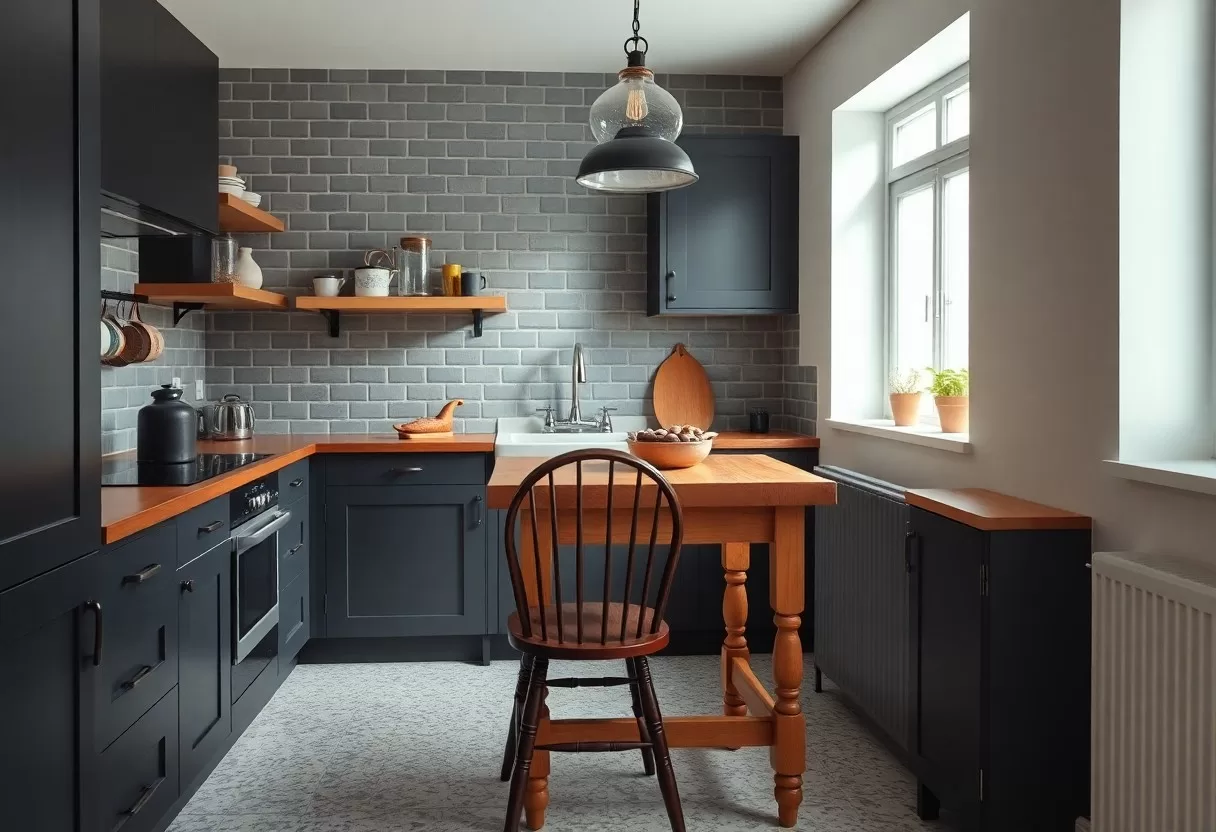
You should balance storage and openness-pair a salvaged chest with built-in closet solutions in bedrooms, combine modern cabinets with a single antique pendant in kitchens, and use a slim console in entries to maintain a 36 in clear path.
- scale – match vintage pieces to room proportions, not sentiment.
- function – prioritize usable storage over decorative clutter.
- lighting – update wiring and bulbs for safety and warmth.
- Any integration strategy should start with measuring door swings, sightlines, and traffic patterns.
You can go further in bedrooms, kitchens and entryways by using tactical swaps: replace dated knobs with period-appropriate hardware, convert an antique dresser into a bathroom vanity where plumbing allows, and anchor small entryways with a 24-30 in deep bench that doubles as storage; prioritize electrical safety when reusing vintage lighting and verify dimensions before buying to avoid costly returns.
- upcycling – breathe new life into structurally sound pieces.
- proportion – use clearances like 36 in for paths and 30-36 in for bedside spacing.
- sourcing – budget 10-20% of room cost for authentic vintage finds.
- Any renovation that reuses old electrical fixtures must include a licensed inspection and rewiring if needed.
Summing up
To wrap up, when you source pieces from antique markets you enrich modern interiors with texture, history and individuality; choose items that complement scale and palette, focus on condition and provenance, and employ selective restoration to preserve character. By combining a few well-chosen treasures with contemporary furnishings you create cohesive, sustainable spaces that reflect your taste and investment sense.
FAQ
Q: How do I choose antique pieces that complement a modern interior?
A: Start with scale and function-select antiques that fit the room’s proportions and serve a purpose, such as a vintage console as an entry anchor or an antique chest for living-room storage. Prioritize one or two standout vintage pieces and pair them with clean-lined contemporary furniture to keep the room from feeling crowded. Match or contrast materials intentionally: a warm wood sideboard can soften a minimalist space, while a brass lamp can add a refined accent against matte finishes. Test finishes and colors by photographing the item in your space or placing a sample nearby to ensure patina and tones harmonize with existing elements.
Q: What are practical ways to blend vintage treasures with modern decor without creating a cluttered look?
A: Create visual cohesion by using a limited color palette and repeating finishes or textures across the room; this ties disparate pieces together. Use negative space and purposeful editing-display smaller antiques in curated vignettes on shelves or mantels instead of scattering many items. Balance ornate pieces with simpler surroundings: a heavily carved mirror works best above a minimalist console, or a patterned antique rug pairs with plain upholstery. Group items in odd numbers for visual interest and layer at different heights to maintain rhythm and breathe.
Q: Where should I shop for reliable antique market finds, and how do I authenticate and care for them?
A: Good sources include well-reviewed antique markets, established dealers, estate sales, auction houses, and specialist online platforms with clear return policies. Authenticate by checking construction details-joinery, nails, and hardware-examining patina and wear consistent with age, looking for maker’s marks or labels, and asking sellers for provenance or restoration history. For care, avoid harsh cleaners: dust with soft cloths, use conservation-grade products for wood and metal when needed, protect textiles from direct sun, and consult a professional conservator for structural repairs. Always inspect items closely before purchasing and, when possible, test hinges, drawers, and upholstery to assess condition and repair needs.