
Cultural Hybrids – Blending Local Traditions With Global Design
Over time, you may find that cultural hybrids emerge as societies blend local traditions with global design trends. This fusion can create unique expressions of identity and artistry, enriching your understanding of both traditional and contemporary aesthetics. As you explore how different cultures influence one another, appreciate the positive impact of these collaborations, while also acknowledging the risks of diluting local heritage. Embracing this hybridity allows you to experience a vibrant tapestry of creative possibilities that honors both the past and the present.
Key Takeaways:
- Cultural hybrids merge local traditions with global design elements to create unique and innovative expressions.
- This blending enhances cultural identity while promoting diversity and inclusivity in design practices.
- Successful cultural hybrids are context-sensitive, respecting local customs while embracing modern influences.
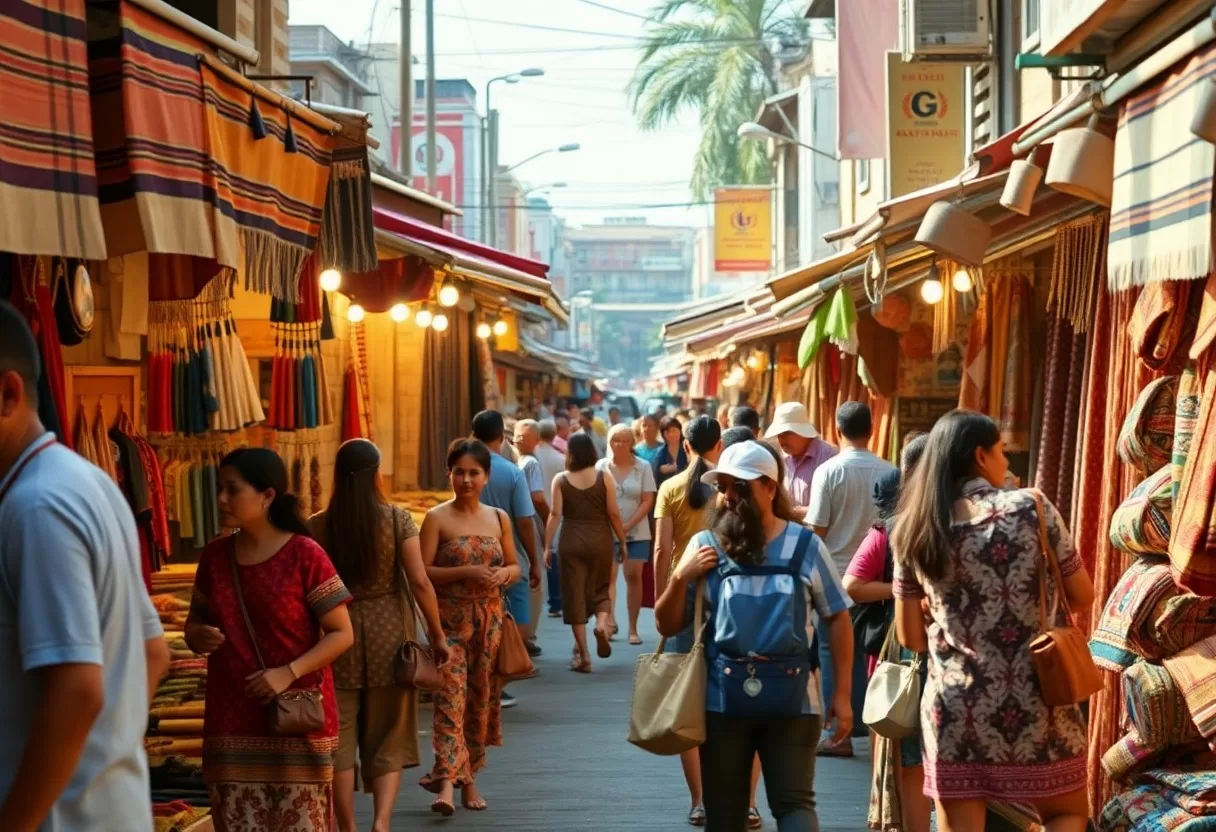
The Art of Blend: Defining Cultural Hybridity
Understanding cultural hybridity involves recognizing how different cultural elements fuse to create something uniquely innovative. This blend isn’t just about superficial mixes; it speaks to deeper interactions and adaptations within communities. You might see this in cuisine, where traditional recipes incorporate global flavors, or in architecture, where local styles adapt to international trends. Each hybrid expression reflects a dynamic dialog and negotiation of identities, providing insights into how diverse influences shape your environment and experiences.
Key Characteristics of Cultural Hybrids
Cultural hybrids exhibit distinct patterns, including adaptability and diversity. You’ll notice the combination of local customs and global influences, resulting in unique expressions that transcend traditional barriers. They often foster innovation, as new forms emerge from the fusion, reflecting a blend of values and aesthetics. Moreover, these hybrids resonate with cross-cultural interactions, making them resonate more deeply within multicultural societies.
Historical Context and Evolution of Hybridity
The concept of cultural hybridity traces back through colonial exchanges and trade routes, where societies interacted and influenced one another. From the spread of spices along the Silk Road to the mixing of European and Indigenous practices in the Americas, cultural exchanges crystallized into distinct hybrid forms. Globalization has intensified these interactions, accelerating the evolution of cultural hybrids in contemporary society. Today, you see this in art, music, and fashion as diverse influences merge, creating vibrant, contemporary interpretations.
The historical trajectory of cultural hybridity is rooted in moments of colonization, migration, and trade, illustrating how societies have long engaged with one another. Significant events, such as the Transatlantic Slave Trade and the rise of the British Empire, facilitated the exchange of cultural practices and ideas. These interactions not only shaped the identities of the communities involved but also led to the emergence of new cultural phenomena like Creole languages and fusion cuisine. In the present era, advancements in technology and increased global connectivity allow for an unprecedented pace of cultural blending, resulting in unique expressions that redefine your understanding of tradition and modernity.
Design Innovations: Merging Global Aesthetics with Local Craftsmanship
Design innovations thrive on the synergy between global aesthetics and local craftsmanship, creating unique products that resonate with diverse audiences. By integrating traditional techniques with contemporary styles, you can produce compelling designs that reflect various cultural heritages while appealing to global tastes. The fusion of materials, colors, and forms brings forth a new design language—one that respects and celebrates local artistry while embracing global trends.
Influential Examples of Hybrid Design
Several influential examples showcase the power of hybrid design. For instance, the luxury brand Hermès has collaborated with artisans worldwide, blending traditional craftsmanship with modern silhouettes. Bhutanese textiles have been integrated into high-fashion garments, creating pieces that tell a story of cultural exchange. These examples highlight how merging local craftsmanship with global aesthetics can redefine contemporary design.
The Role of Technology in Facilitating Cultural Interchange
Technology acts as a catalyst for cultural interchange, enabling designers to share and collaborate across borders more effectively. Geographic boundaries dissolve as online platforms allow artisans and designers from different backgrounds to connect, innovate, and inspire each other. This digital landscape promotes accessibility, ensuring that traditional skills can reach a global audience, thereby preserving and evolving local crafts.
Through technology, you can witness the rise of virtual marketplaces that showcase artisan products, empowering local creators while also providing global consumers with unique, culturally-rich options. Innovations such as augmented reality (AR) allow for immersive cultural experiences, letting you explore traditional designs in modern contexts. Social media has also played a vital role in promoting hybrid products, with designers showcasing their work and attracting a diverse clientele. The ease of communication and collaboration opens doors for co-creation, leading to innovative solutions that respect and elevate cultural narratives in design.
Cultural Spectrums: From Cuisine to Architecture
Cultural spectrums vividly illustrate how diverse traditions coalesce in both culinary and architectural expressions. Global influences permeate local practices, leading to innovative fusions that enrich the aesthetic and experiential fabric of societies. You’ll find a vibrant tapestry of flavors and designs emerging from this interplay, where every dish and structure tells a story of its origins while embracing new narratives and styles. This dynamic dialogue between cultures fosters creativity and opens up new avenues for personal and collective identity.
Gastronomic Fusion: A Taste of Hybrid Cultures
In gastronomy, hybrid cultures manifest through innovative dishes that blend traditional recipes with modern techniques and global ingredients. You may savor how a classic Italian pasta dish intertwines with Japanese umami flavors, producing shoyu-infused spaghetti. Street food stands in multicultural cities serve up creations such as taco sushi, highlighting how culinary boundaries dissolve when you experiment with flavors from around the world. Such gastronomic fusion not only tantalizes your taste buds but also reflects the stories and experiences of diverse communities.
Architectural Marvels: Structures That Tell Hybrid Stories
Architectural marvels epitomize the fusion of cultural elements through design. In cities like Dubai, the stunning Burj Khalifa integrates Islamic architecture with contemporary engineering, symbolizing a blend of heritage and modernity. Structures like the CaixaForum in Madrid, with its refurbished industrial aesthetic fused with sustainable innovations, showcase how revitalized forms preserve history while accommodating future needs. These buildings invite you to explore how space can narrate the complexities of cultural identities shaped by globalization.
Architectural hybrids often emerge from collaborative efforts that transcend geographical boundaries. For instance, the Sydney Opera House combines Indigenous Australian cultural motifs with modernist design, creating a unique landmark that resonates with both local history and international recognition. Innovations like the use of eco-friendly materials in such projects illustrate not only aesthetic choices but also ethical considerations shaped by a global consciousness. These structures stand as testaments to how architecture can convey multicultural narratives, bridging the past and future while enhancing the urban landscape. Such expressions invite you to appreciate the underlying stories of resilience and creativity within hybrid cultures.
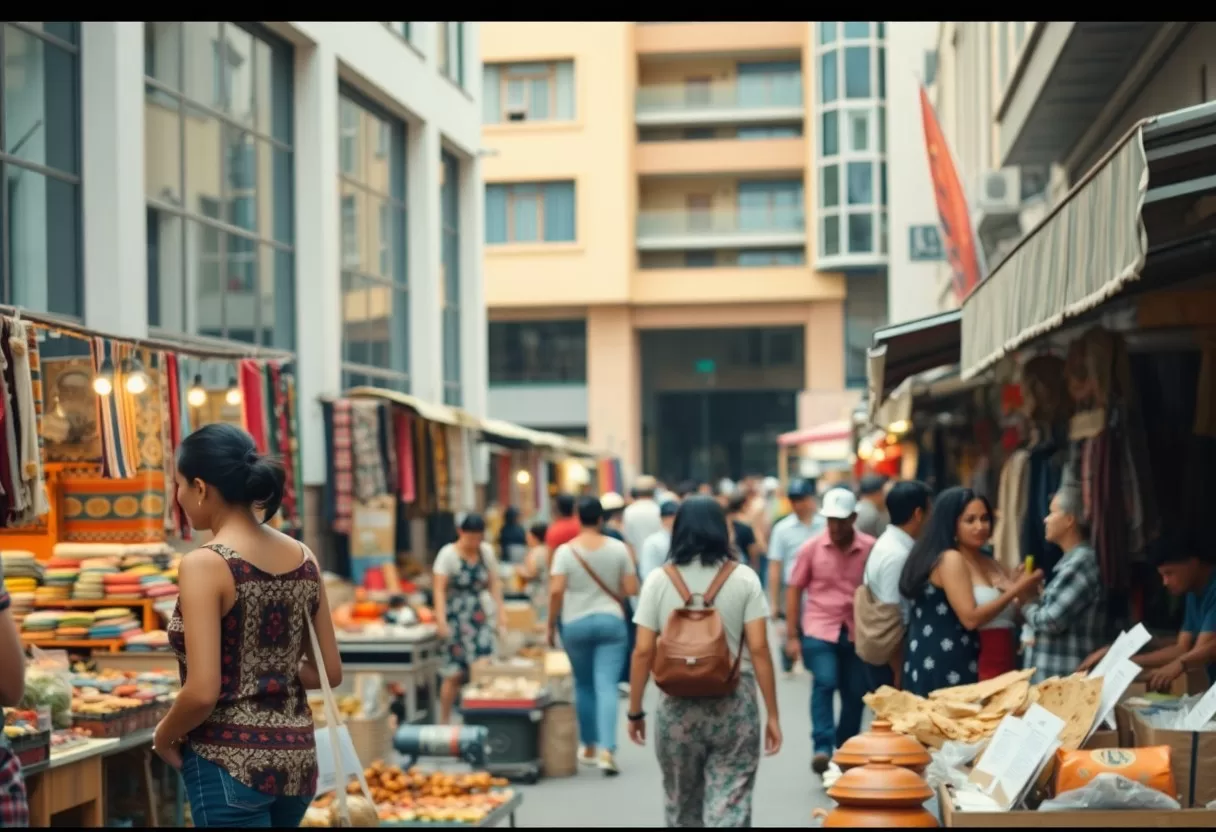
The Social Fabric: Community and Identity in Cultural Hybrids
Cultural hybrids enrich the social fabric by weaving together diverse traditions, creating vibrant communities that reflect both local and global influences. These hybrids foster connections among individuals from varied backgrounds, promoting understanding and collaboration. Unique festivals, mixed culinary traditions, and collaborative art forms emerge as expressions of this collective identity, allowing members to celebrate their roots while also embracing new experiences. This blending of cultures not only strengthens community ties but also enhances the richness of cultural dialogue.
The Role of Cultural Hybrids in Building Inclusive Societies
Cultural hybrids play a significant role in forging inclusive societies by breaking down barriers between different ethnic and social groups. By creating spaces where diverse traditions coexist, cultural hybrids encourage interaction and dialogue, leading to increased empathy and understanding among community members. You see this reflected in shared cultural events like multicultural fairs and fusion cuisine restaurants, which invite participation from all segments of society. Such environments foster a sense of belonging, allowing people to connect over shared experiences while appreciating their differences.
Identity Challenges Faced by Cultural Hybrids
Cultural hybrids often navigate complex identity landscapes, balancing multiple cultural influences while seeking acceptance within their communities. You may struggle with questions of belonging, feeling caught between the expectations of different cultural norms. This multifaceted identity can lead to a crisis when confronted with stereotypes or misunderstandings from others. As you embrace elements from various cultures, the pursuit of a cohesive identity becomes a delicate dance between pride in heritage and the desire to fit in.
These identity challenges can manifest in various ways, such as feeling pressure to conform to one culture while simultaneously cherishing another. For example, first-generation immigrants often grapple with the legacy of their family’s traditions while adapting to the prevailing norms of their new environment. This can create internal conflict, as you might feel disconnected from your roots or judged for your blended identity. Furthermore, societal expectations can impose rigid definitions of belonging, making it difficult for you to navigate the intricate landscape of cultural hybridity without feeling marginalized in either direction. Such experiences highlight the necessity of fostering spaces that validate and celebrate hybrid identities, enabling individuals to embrace their unique backgrounds without compromising their authenticity.
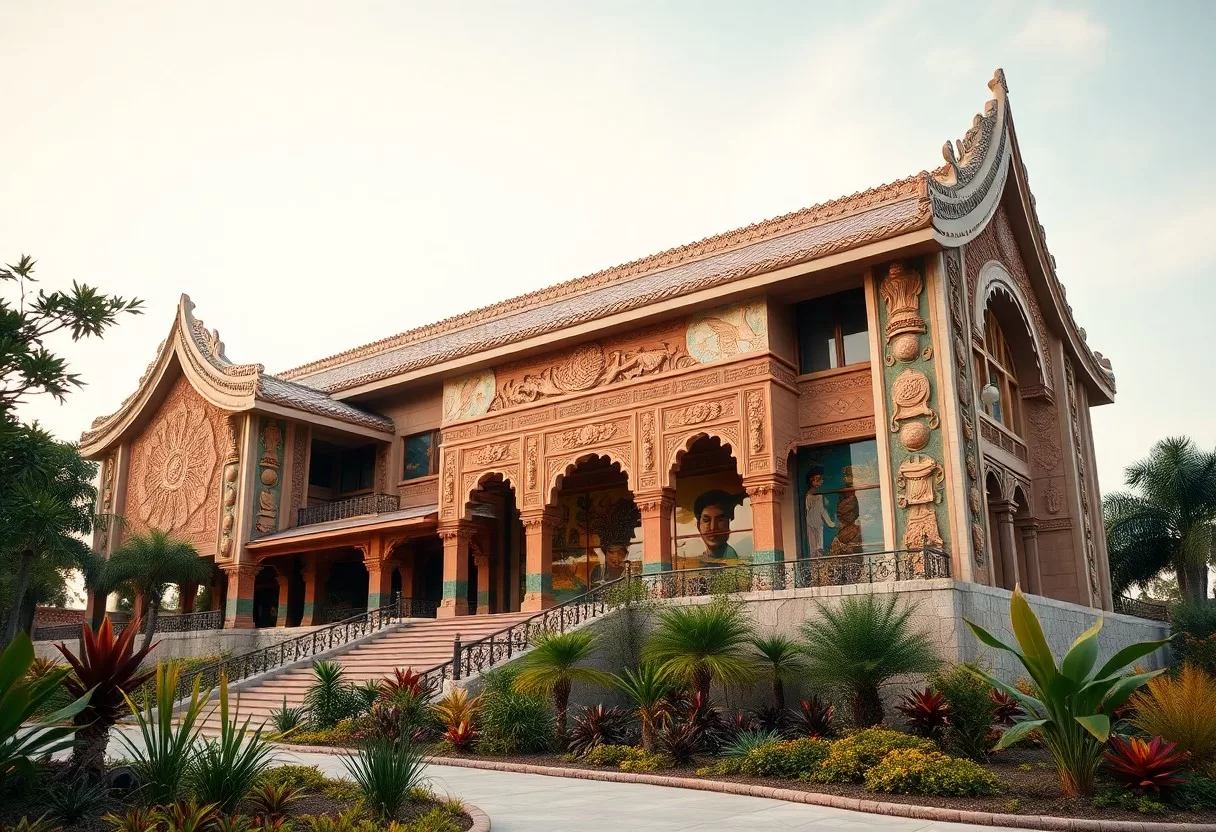
Future Trends: Embracing Diversity in Design
The design landscape is rapidly transforming, driven by a collective appreciation for diversity and the enriching influence of cultural hybrids. As you explore future trends, expect to see designs that not only celebrate global aesthetics but also incorporate local narratives, resulting in spaces and products that resonate on a personal level. This ongoing shift points toward a more inclusive approach, where you can witness a blending of styles, materials, and techniques that reflect the dynamic interplay of cultures.
Sustainability and Hybridity in Modern Design Practices
Sustainable design practices are increasingly intertwined with cultural hybridity, presenting an opportunity to innovate while respecting local traditions. You can see this reflected in architects and designers using locally sourced materials and traditional methods merged with modern technologies. This synthesis not only reduces the environmental footprint but also honors cultural heritage, creating spaces that are both aesthetically appealing and responsible.
Predicting the Next Wave of Cultural Innovations
Anticipating future cultural innovations involves recognizing the ever-evolving dialogues between local and global influences. By prioritizing cross-disciplinary collaboration and engaging diverse voices in design, you position yourself to witness groundbreaking concepts that reshape industries. Emerging technologies combined with rich cultural narratives will drive a new wave of creativity, resulting in products and experiences that cater to a global audience.
As you analyze these forthcoming innovations, pay attention to how cultural narratives influence product development and design aesthetics. For example, the fusion of traditional artisanal techniques with modern manufacturing processes is already creating unique opportunities in sectors like fashion and home decor. Brands that embrace storytelling in their designs, such as those weaving in indigenous craftsmanship with contemporary materials, are not only appealing to conscious consumers but also setting new benchmarks for authenticity and creativity. This trend hints at a future where designs are not merely functional but are also rich in meaning and connection.
Summing up
As a reminder, embracing cultural hybrids allows you to enrich your design work by seamlessly blending local traditions with global influences. This fusion not only enhances creativity but also fosters inclusivity, making your projects resonate with diverse audiences. By thoughtfully integrating these elements, you can create unique and meaningful experiences that celebrate both heritage and modernity. Ultimately, your ability to navigate this cross-cultural landscape will set you apart in a globally interconnected world.
FAQ
Q: What is cultural hybridity in design?
A: Cultural hybridity in design refers to the blending of local traditions, practices, and aesthetics with global design influences. This synthesis creates unique new expressions that honor the origins while incorporating contemporary elements.
Q: How can cultural hybrids benefit local communities?
A: Cultural hybrids can benefit local communities by promoting cultural heritage, supporting local artisans, and attracting tourism. This approach fosters economic growth while preserving and celebrating local identity.
Q: What are some examples of cultural hybrids in design?
A: Examples of cultural hybrids in design include fashion that combines traditional textiles with modern silhouettes, architecture that merges local building techniques with international styles, and home décor that integrates indigenous crafts with contemporary aesthetics.