Cross-Laminated Timber (CLT) – The Material Revolutionizing Sustainable Architecture
There’s a transformative shift happening in sustainable architecture, and you’re at the forefront with Cross-Laminated Timber (CLT). This innovative material not only boasts exceptional strength and durability, but also offers a renewable alternative to traditional construction materials, significantly reducing your carbon footprint. As you explore CLT, you’ll discover how it can enhance your designs while promoting a healthier planet. Embrace this architectural advancement and redefine your approach to building sustainably.
Key Takeaways:
- CLT offers high structural performance while using renewable resources, significantly reducing carbon footprints compared to traditional building materials.
- The versatility of CLT allows for innovative architectural designs, making it suitable for a variety of building types, from residential to commercial structures.
- CLT construction can lead to faster building timelines and reduced labor costs due to its prefabricated nature and lighter weight, streamlining the construction process.
History of Cross-Laminated Timber
Origins and Development
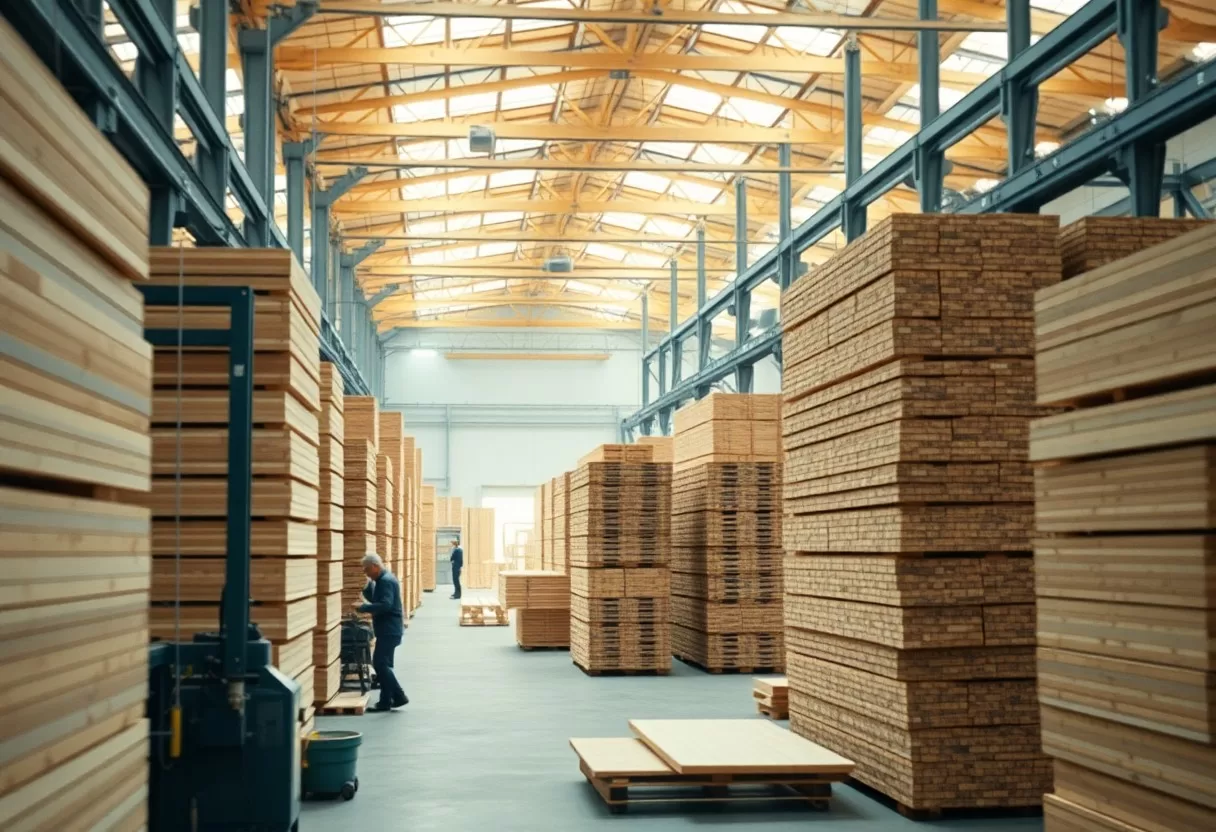
The roots of Cross-Laminated Timber (CLT) trace back to Europe in the early 1990s, particularly in Austria and Germany. You can trace its concept to laminated veneer lumber, but CLT uniquely involves stacking layers of lumber at perpendicular angles, enhancing its strength and stability. This innovation arose from a desire for sustainable building materials that also leverage wood’s natural properties. By combining multiple layers, early pioneers laid the groundwork for CLT’s use in structural applications, setting it apart from traditional timber framing.
Key Milestones in CLT Evolution
Key milestones in CLT’s evolution reflect its growing acceptance and technological advances. You can note significant developments like the first CLT manufacturing facility established in Austria in 1998, followed by various tests confirming its load-bearing capacities and fire resistance. Over the years, projects such as the Brock Commons Tallwood House in Canada in 2016 demonstrated CLT’s potential in high-rise construction, further propelling its popularity worldwide.
In 1998, the establishment of the first CLT factory in Austria represented a landmark moment, prompting rigorous research into its mechanical properties and thermal performance. By 2008, CLT gained acclaim with the opening of the first large-scale building, the ‘Ski Jump’ in the Bavarian Alps, showcasing its aesthetic appeal and structural capabilities. The 2016 completion of the Brock Commons Tallwood House, a remarkable 18-story student residence, marked a significant step for CLT in high-rise construction. As you explore these milestones, it becomes clear that CLT has not only evolved into a viable alternative to concrete and steel but has also become a cornerstone in sustainable architecture.
Benefits of Cross-Laminated Timber
The advantages of using Cross-Laminated Timber (CLT) in construction extend beyond its aesthetic appeal. Integrating CLT leads to enhanced sustainability, improved structural integrity, and faster construction timelines. As you explore the benefits, you’ll discover why this engineered wood product is becoming the material of choice for architects and builders committed to innovation and efficiency.
Environmental Advantages
Utilizing CLT significantly reduces your project’s carbon footprint. This sustainable material is sourced from renewable forests, promotes carbon sequestration, and minimizes energy consumption during production. By opting for CLT, you contribute to lower greenhouse gas emissions and support responsible forest management, making it an eco-friendly choice for modern architecture.
Structural Performance
One key aspect of CLT is its exceptional structural performance. Its laminated design enhances strength while allowing for greater spans, which means you can create more open spaces without the need for excessive support. This not only streamlines your design but also reduces reliance on heavy steel or concrete, leading to lighter structures that are easier to transport and assemble.
In terms of structural integrity, CLT exhibits remarkable durability and resistance to environmental stresses. For example, its fire resistance stems from forming a protective char layer when exposed to flames, while its high stiffness and shear strength allow it to withstand lateral forces such as wind and seismic activity. This combination not only assures stability but also enhances safety in your architectural designs. Additionally, CLT’s dimensional stability minimizes warping and shrinkage, ensuring your structures maintain their intended shapes over time. You can achieve both form and function in your projects with this innovative material, enabling creative architectural possibilities without compromising on safety or performance.
CLT in Modern Architecture
Utilizing Cross-Laminated Timber (CLT) in modern architecture allows for innovative designs that combine function with aesthetics. This eco-friendly material not only reduces carbon footprints but also brings warmth and texture to urban environments. As more architects and builders embrace CLT, they contribute to a sustainable future Cross-Laminated Timber (CLT): Revolutionising ….
Innovative Applications
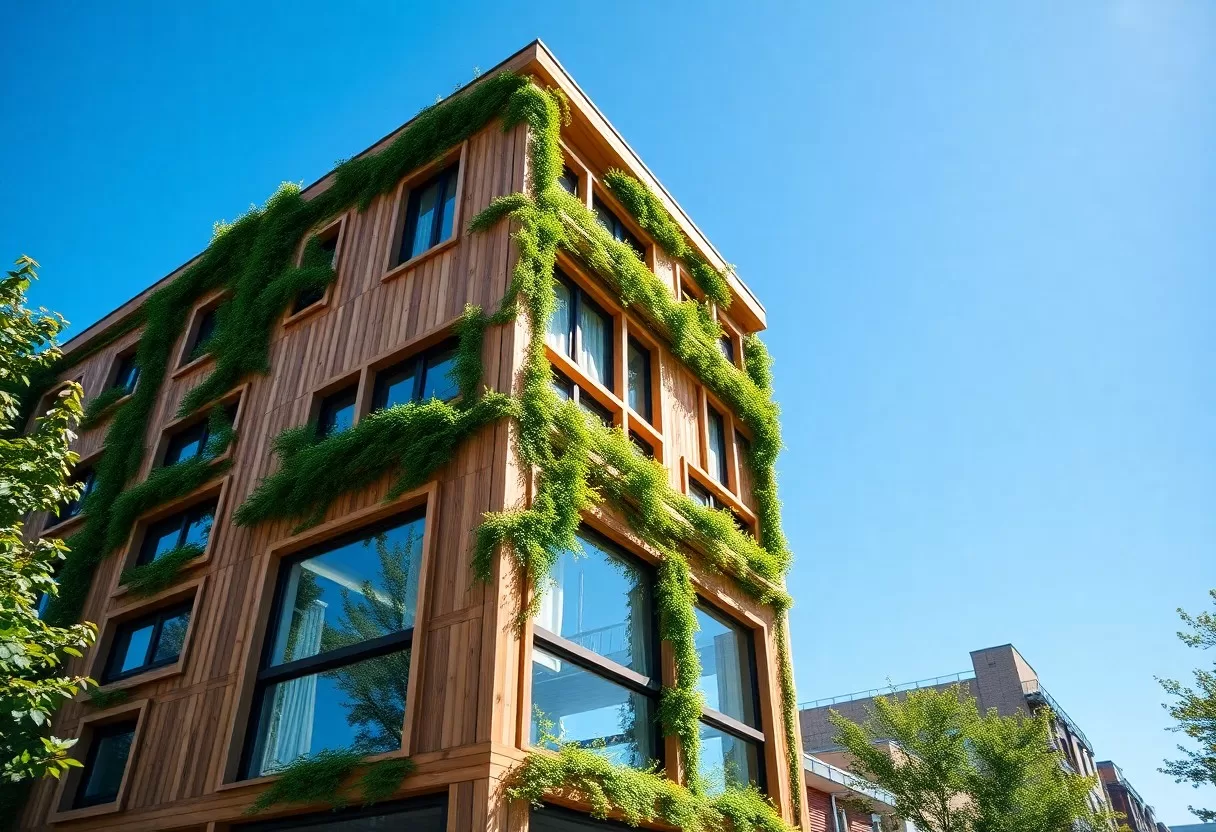
Innovative applications of CLT span diverse structures, from residential buildings to commercial spaces, showcasing its adaptability. Its lightweight nature encourages creativity, allowing architects to explore unique forms, and enhancing design possibilities without compromising structural integrity.
Case Studies of Successful CLT Projects
Examining successful CLT projects provides valuable insights into its impact. These case studies demonstrate the versatility and performance of CLT in diverse climates and building types. Below are notable examples illustrating CLT’s efficacy:
- MOOSHMERE, Norway – 3,600 sqm, completed 2017; energy-positive design with high thermal efficiency.
- Dalston Works, London – 10 stories, 121 residential units, completed 2017; one of the world’s largest CLT buildings.
- University of Massachusets, USA – 6 stories, completed 2019; focuses on educational sustainability.
- Forté, Australia – 10 stories, includes 23 apartments; increases urban density while maintaining green space.
The case studies highlight the range of CLT applications across different settings, emphasizing its adaptability and sustainability. These projects show how Cross-Laminated Timber can significantly reduce environmental impacts while providing modern, aesthetically pleasing structures that meet contemporary needs.
Challenges and Limitations
While Cross-Laminated Timber (CLT) presents numerous advantages, it also faces challenges that can hinder its widespread adoption. These challenges include supply chain issues, regulatory concerns, and potential performance limitations that may affect your project’s viability. Understanding these hurdles is imperative to navigate the transition towards more sustainable construction practices.
Supply Chain Issues
CLT’s growth is often hampered by limited availability of sustainably sourced timber and a lack of established manufacturing facilities. This can lead to delays in project timelines and increased costs, making it imperative for you to assess your local supply conditions and potential sourcing partners early in your planning process.
Regulatory Concerns
Regulatory frameworks around CLT can be inconsistent across regions, potentially complicating approvals for construction. Many building codes do not yet fully accommodate the use of CLT, limiting its application in certain areas. It’s vital for you to engage with local authorities early, ensuring that your projects comply with the specific regulations governing CLT usage.
In addition to compliance, there are often grey areas in codes regarding fire performance and structural safety for CLT. Many jurisdictions are still adjusting their regulations to reflect the growing use of wood-based materials. For instance, some cities may require fire safety measures that align with traditional materials, which could necessitate additional testing or modifications to your designs. Keeping abreast of upcoming regulatory changes and actively participating in discussions can significantly aid in addressing these concerns and facilitating smoother approvals for your projects.
Future of Cross-Laminated Timber
The future of Cross-Laminated Timber (CLT) looks promising as the demand for sustainable building materials rises. Increased awareness and regulations around carbon emissions are driving the construction industry to adopt CLT more broadly. Innovations in manufacturing processes and design flexibility are likely to expand its applications, leading to more efficient and eco-friendly buildings. For a deeper dive, explore The Rise of Cross-laminated Timber (CLT) in Construction.
Trends in Sustainable Design
Your architectural projects can benefit from current trends prioritizing green building practices. With an emphasis on minimizing environmental footprints, CLT enables unique design approaches that incorporate natural aesthetics while promoting energy efficiency and harmonic living spaces. Many urban developers now leverage CLT to meet sustainability certifications, reflecting a growing demand for responsible construction.
Technological Advancements
Recent technological advancements are enhancing the performance and accessibility of CLT. Innovations in computer-aided design and automated manufacturing techniques allow for precise crafting and reduced waste. Moreover, developments in fire resistance treatments and enhanced structural engineering enable taller buildings to be constructed using CLT without compromising safety or durability.
Among the technological breakthroughs, advancements in digital fabrication play a vital role. Tools such as Building Information Modeling (BIM) streamline the design process, facilitating collaboration across various stakeholders. Additionally, the advent of smart materials and eco-friendly adhesives enhances the resilience of CLT, allowing it to compete with traditional materials like steel and concrete. As research continues, expect even more efficient production methods and performance metrics to emerge, solidifying CLT’s status as a cornerstone of sustainable architecture.
To wrap up
Hence, embracing Cross-Laminated Timber (CLT) can significantly enhance your architectural projects while adhering to sustainable practices. By integrating this innovative material, you can reduce carbon footprints and promote energy efficiency, all while achieving stunning designs. As you consider your next building venture, remember that CLT offers strength, versatility, and aesthetic appeal, positioning you at the forefront of a material revolution in sustainable architecture.
FAQ
Q: What are the environmental benefits of using Cross-Laminated Timber (CLT) in construction?
A: CLT is made from sustainably sourced timber, which helps reduce carbon footprints. It sequesters carbon dioxide, contributing to lower greenhouse gas emissions. Furthermore, CLT’s lightweight nature requires less energy for transportation and reduces the need for heavy machinery during installation.
Q: How does Cross-Laminated Timber compare to traditional building materials?
A: Compared to traditional materials like concrete and steel, CLT is lighter, offers better thermal insulation, and has a lower embodied energy. It provides equivalent structural performance while being faster to assemble, which can lead to shorter construction timelines and reduced labor costs.
Q: What are the key design considerations when using CLT in architecture?
A: Architects should consider CLT’s dimensional stability, fire resistance, and acoustics when integrating it into designs. It’s vital to account for moisture management to prevent degradation. Additionally, collaboration with structural engineers is important to optimize its load-bearing capabilities and ensure compliance with building codes.