
Creating Pockets of Calm Within Busy Homes
You can transform your chaotic living space into a serene retreat by establishing pockets of calm in your home. These dedicated areas, free from distractions, can significantly enhance your mental well-being. By incorporating elements like soft lighting, calming colors, and minimal clutter, you can foster tranquility.
Key Takeaways:
- Designate specific areas in the home for relaxation and mindfulness activities.
- Incorporate natural elements, like plants and soft lighting, to enhance tranquility.
- Establish routines that encourage quiet time, helping to balance activity with rest.
Understanding the Need for Calm
Amid bustling family activities and daily responsibilities, the pursuit of calm often takes a backseat, impacting overall well-being. You might notice increased stress levels, reduced focus, and a sense of overwhelm when chaos reigns in your home. Finding moments of tranquility becomes necessary, not only for mental health but also for fostering deeper connections with loved ones. Recognizing this need paves the way for practical strategies that can transform your environment into a soothing sanctuary.
The Impact of a Chaotic Home Environment
A chaotic home environment can lead to heightened anxiety, difficulty concentrating, and strained family dynamics. Clutter, noise, and constant activity create a sensory overload that hampers your ability to relax. Studies indicate that individuals living in disorganized spaces report higher stress levels and lower satisfaction with daily life. When everything feels overwhelming, it becomes harder to reclaim your focus and engage meaningfully with those around you.
Benefits of Creating Calm Spaces
Designing calm spaces within your home offers significant emotional and psychological advantages. Not only do these areas provide a reprieve from daily chaos, but they also promote a sense of safety and comfort. Engaging with calm spaces can enhance your mood, boost creativity, and cultivate mindfulness. Research shows that mindfulness practiced in serene settings can improve emotional regulation and foster better interpersonal relationships. The transformation of even a small corner of your home into a peaceful retreat can significantly impact your quality of life.
Identifying Areas for Pockets of Calm
Transforming your home into a sanctuary involves pinpointing spaces that can effectively foster tranquility. Look for areas that naturally draw you in or feel less chaotic. This could include a quiet corner in your living room, a sunlit nook in your bedroom, or even a spot on your balcony. By identifying these zones, you create opportunities to pause and recharge throughout your busy day.
Assessing Your Home’s Layout
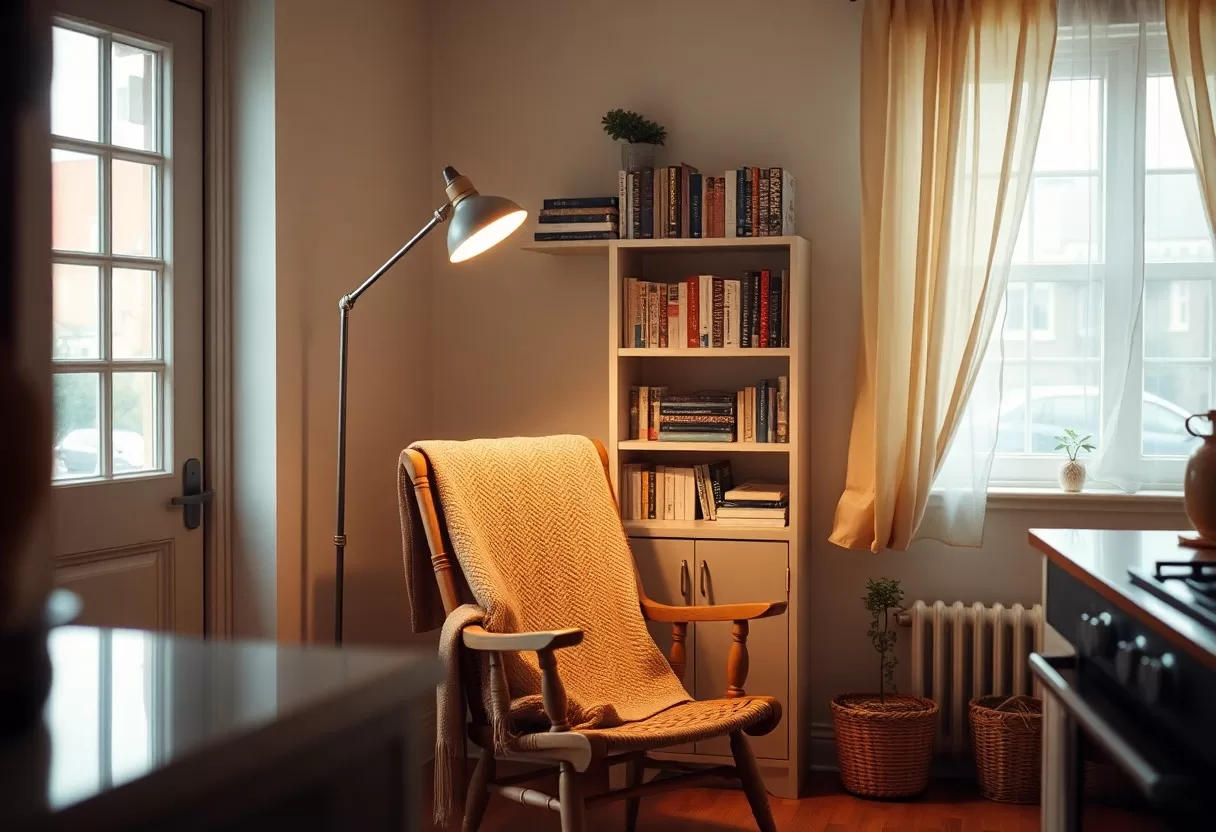
Start by examining your home’s layout to find areas that encourage serenity. Pay attention to rooms with less foot traffic or those that are separated from the noise of daily activities. Consider factors like light, sound, and view. A well-placed chair by a window can become your personal retreat, providing a peaceful view and an escape from the busyness of life.
Choosing the Right Spaces for Tranquility
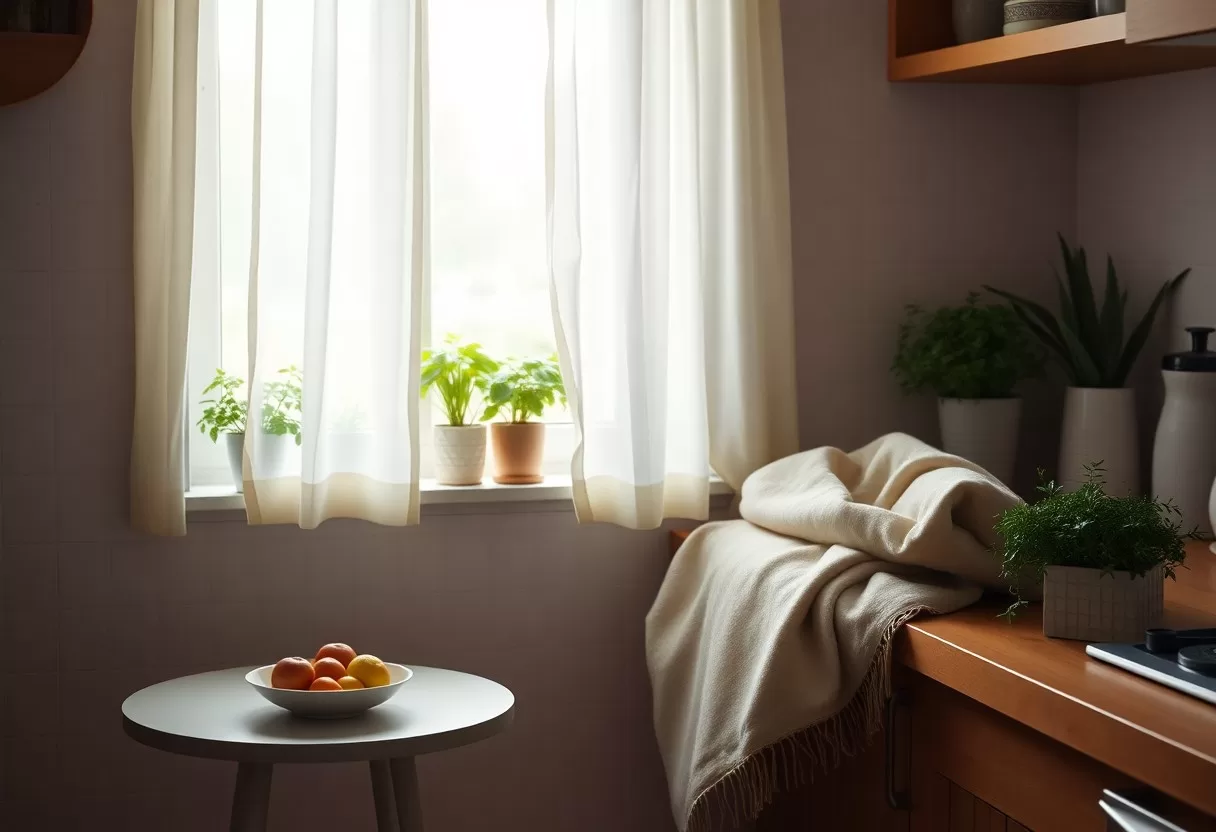
Selecting the right spaces for pockets of calm requires thoughtful consideration of your daily routines and the areas that resonate with you. Spaces that receive natural light, have minimal distractions, or possess comforting elements like plants or art can enhance your ability to relax. It’s beneficial to create zones that are specifically designated for mindfulness practices, whether that be meditation, reading, or simply unwinding with a cup of tea.
Consider integrating cozy, inviting furniture or accessories in these designated spaces. For example, a plush armchair paired with soft blankets and calming colors can encourage relaxation. If you have a busy household, look for corners that are away from common pathways, enabling you to escape the noise. By strategically placing your pocket of calm, you not only enhance your own well-being but also promote a peaceful atmosphere throughout your home.
Practical Tips for Creating Calm Spaces
Creating a peaceful environment in your home requires intentional effort. Here are some effective strategies for integrating calm into your daily life:
- Decluttering regularly to minimize distractions
- Utilizing natural light to enhance mood and productivity
- Incorporating calming colors like blues and greens
- Designating quiet zones for relaxation or meditation
- Adding soft textures through pillows and throws
The key is to establish spaces that foster tranquility.
Decluttering for Serenity
Removing unnecessary items from your living space can significantly enhance your sense of tranquility. Begin with a dedicated decluttering session, focusing on each room individually. Aim to keep only those possessions that truly bring you joy or serve a purpose. Implementing the one-in-one-out rule can help maintain this serene environment over time. The act of letting go of excess can offer mental clarity and reduce visual noise in your home.
Utilizing Natural Elements
Embracing nature within your home can create a soothing atmosphere. Consider incorporating plants, which not only improve air quality but also promote a sense of well-being. A study from NASA suggests that certain plants, such as spider plants and peace lilies, can remove toxins from the air, contributing to a healthier environment. Natural materials like wood and stone add warmth, while elements like water features create calming soundscapes. The inclusion of these elements encourages a deeper connection to your surroundings, helping you cultivate a more tranquil space.
Incorporating Mindful Practices
Mindful practices serve as powerful tools for creating serenity amidst the daily chaos of your home. Integrating these techniques into your routine can lead to improved mental clarity, reduced stress, and a deeper connection to your living space. Explore various methods that resonate with you, and gradually incorporate them to foster a more peaceful atmosphere.
Meditation and Relaxation Techniques
Meditation and relaxation techniques offer a sanctuary for your mind. Even a few minutes of deep breathing or guided meditation can significantly diminish stress. Consider using apps or online resources that provide short sessions tailored to busy schedules. Incorporating these moments into your day can promote a sense of calm and rejuvenation amid the hustle and bustle of everyday life.
Mindfulness in Daily Routines
Infusing mindfulness into your daily routines transforms ordinary tasks into opportunities for meditation. Whether washing dishes or walking the dog, focus on the sensations, sounds, and smells around you. This practice nurtures presence and engagement, helping you to savor life’s simple moments instead of rushing through them.
Engaging in mindful routines can reshape your perception of mundane activities. For example, paying close attention while preparing meals can turn cooking into a sensory experience rather than a chore. This practice not only fosters mindfulness but can also enhance the enjoyment of flavors and textures, making mealtime more gratifying. Implementing this approach consistently can create a ripple effect, encouraging you to savor every activity in your day-to-day life.
Personalizing Your Calm Spaces
Infusing your calm spaces with personal elements enhances your emotional connection to them, making tranquility easier to access. Consider how each item in your sanctuary reflects your journey, interests, and values. Beautiful artwork, sentimental objects, or nature-inspired decorations can transform a simple nook into a deeply peaceful retreat that feels uniquely yours.
Choosing Colors and Textures
Selecting the right colors and textures is fundamental to the ambiance of your calm spaces. Soft hues like pastels or muted tones can promote relaxation, while natural materials like wood and stone create a grounding effect. Incorporating varying textures through textiles and furnishings adds depth, inviting comfort and serenity.
Adding Personal Touches
Your calm space should reflect who you are, so personalize it with items that resonate with you. Include family photos, travel souvenirs, or cherished books that spark joy. These touches create a sense of belonging and remind you of special moments, reinforcing a positive mindset.
Personal touches enhance the emotional resonance of your space, making it truly reflect your identity. For instance, displaying a collection of handmade pottery can evoke memories of a meaningful trip, while a framed photo of loved ones can foster feelings of warmth and connection. Integrating elements that tell your story not only beautifies your environment but also grounds you in your space, reinforcing your ability to find calm amidst any busy home life.
Maintaining Your Calm Environment
Consistency in your calm space enhances its soothing effect. Daily rituals can significantly contribute to maintaining tranquility; consider setting aside just ten minutes each evening to declutter your calm areas. Make it a habit to remove items that don’t belong and refresh your chosen decor. Simple additions like a fresh plant or candles can uplift the ambiance, ensuring these pockets of peace remain inviting and rejuvenating.
Regular Upkeep Strategies
Allocating a few minutes daily for tidy-ups can significantly impact your calm zones. Create a quick checklist of tasks, such as dusting surfaces, rearranging cushions, or replacing wilted flowers. Engage family members in this routine, encouraging shared responsibility. Regular upkeep prevents buildup of clutter and ensures that your space remains an oasis amidst the busyness of life.
Adjusting to Changing Needs
Your calm environment should evolve with your lifestyle. As your family grows or your schedule changes, reassess the functionality of your spaces. An open area conducive to quiet reading can transform into a craft zone for children. Be receptive to these changes, allowing your calming spaces to reflect your current needs while still offering a retreat from daily stresses.
Understanding the dynamics of your household can guide you in making effective adjustments. For instance, with children becoming more independent, you might shift a cozy nook into a homework space. Conversely, as work responsibilities increase, perhaps a corner can be dedicated solely to relaxation. Regularly surveying how these spaces serve your current lifestyle will ensure they remain relevant and effective in providing calm amidst the daily rush.
Final Words
Ultimately, creating pockets of calm within your busy home can significantly enhance your well-being. By intentionally designing quiet spaces, incorporating calming elements, and establishing routines, you can foster an environment that promotes relaxation and mindfulness. Embrace the small changes you can make to your surroundings, ensuring that you prioritize self-care amidst the chaos. With a little effort and creativity, you can cultivate a serene sanctuary that allows you to recharge, focus, and find peace in your daily life.
FAQ
Q: What are effective ways to create pockets of calm in a busy home?
A: Consider designated quiet areas with comfortable seating, incorporate soft lighting, use calming scents, and include elements like plants or water features to foster tranquility.
Q: How can I make my living room a calming space?
A: Use neutral colors, minimize clutter, add cozy textiles, and incorporate soft, ambient music to create a serene atmosphere in the living room.
Q: What role do scents play in creating a calming environment?
A: Scent can greatly influence mood; using crucial oils like lavender or chamomile through diffusers or candles can promote relaxation and a sense of calm.
Q: How can I manage noise levels in a busy household?
A: Utilize soundproofing techniques such as heavy curtains, rugs, and soft furnishings, and establish quiet hours where noise is minimized for peaceful moments.
Q: What activities can enhance a sense of calm in the home?
A: Engage in mindfulness practices, such as meditation or yoga, create a reading nook for quiet time, or encourage family members to participate in calming hobbies together.