
How to Create a Peaceful Bedroom That Helps You Sleep Better
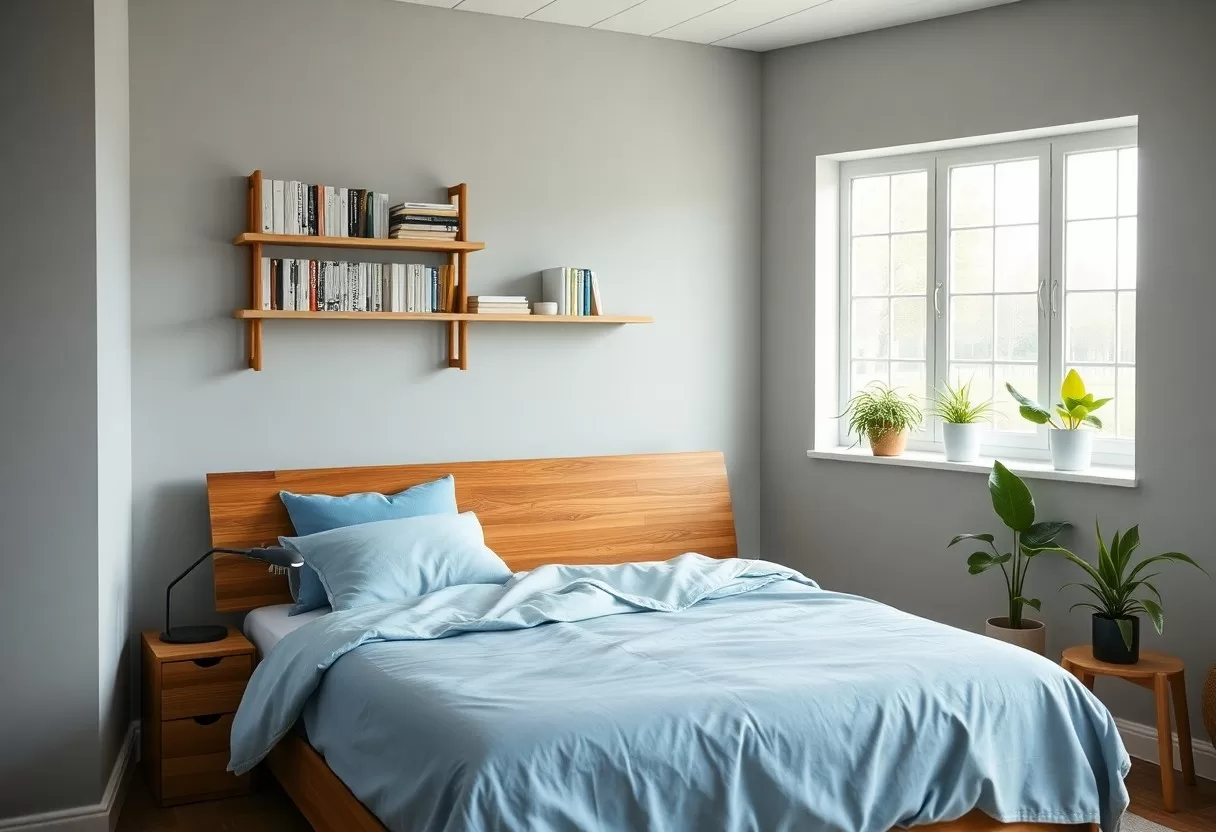
You can transform your bedroom into a serene sanctuary that promotes better sleep by implementing a few key changes. Start by choosing soothing colors for your walls and bedding to create a calm atmosphere. Ensure you have options, incorporating soft, warm lights for relaxation. Declutter your space to reduce distractions and consider adding nature-inspired elements like plants for a touch of tranquility. Finally, invest in comfortable bedding to enhance your sleep quality, fostering an environment that helps you rejuvenate each night.
Key Takeaways:
- Choose calming colors and soft lighting to create a relaxing atmosphere.
- Incorporate comfortable bedding and minimize clutter to enhance sleep quality.
- Limit electronic devices in the bedroom to reduce distractions and promote tranquility.
Understanding Sleep
Sleep is a natural state of rest that is vital for your physical and mental well-being. During sleep, your body undergoes vital processes, including cell repair, memory consolidation, and hormone regulation. Understanding sleep patterns, such as REM and non-REM stages, can help you recognize what constitutes restorative sleep. Quality sleep is not just about duration; it’s about achieving the right stages of sleep necessary for optimal health and functioning.
How Sleep Affects Health
Insufficient sleep can significantly impair your health, leading to issues like weight gain, increased stress levels, and a weakened immune system. Studies show that regularly getting less than seven hours of sleep can increase the risk of chronic conditions such as diabetes and heart disease. Prioritizing quality sleep encourages better mental clarity, enhances mood, and supports overall physical health.
Factors Influencing Sleep Quality
Your sleep quality can be affected by numerous factors, including environment, lifestyle choices, and psychological state. Sleep environment elements, such as noise and light, play a key role in ensuring uninterrupted sleep. Additionally, what you consume, from caffeine to heavy meals, can disrupt your sleep cycle. Any adjustments you make to these factors can lead to significant improvements in your overall sleep experience.
- Sleep environment
- lifestyle choices
- psychological state
- noise
- light
- caffeine
- heavy meals
- sleep cycle
Any change in these areas can yield better sleep quality.
Common environmental factors include temperature regulation, mattress quality, and bedding materials, all of which can enhance or detract from your sleep experience. A dark, cool room may improve melatonin production, while poor mattress support can lead to discomfort and restlessness. Additionally, managing stress and anxiety through techniques like mindfulness can create a more conducive sleeping atmosphere. Any effort you invest in enhancing these aspects can contribute to deeper and more restorative sleep.
- temperature regulation
- mattress quality
- bedding materials
- melatonin production
- discomfort
- restlessness
- mindfulness
Any attention to these details helps ensure better sleep quality.
Choosing the Right Color Scheme
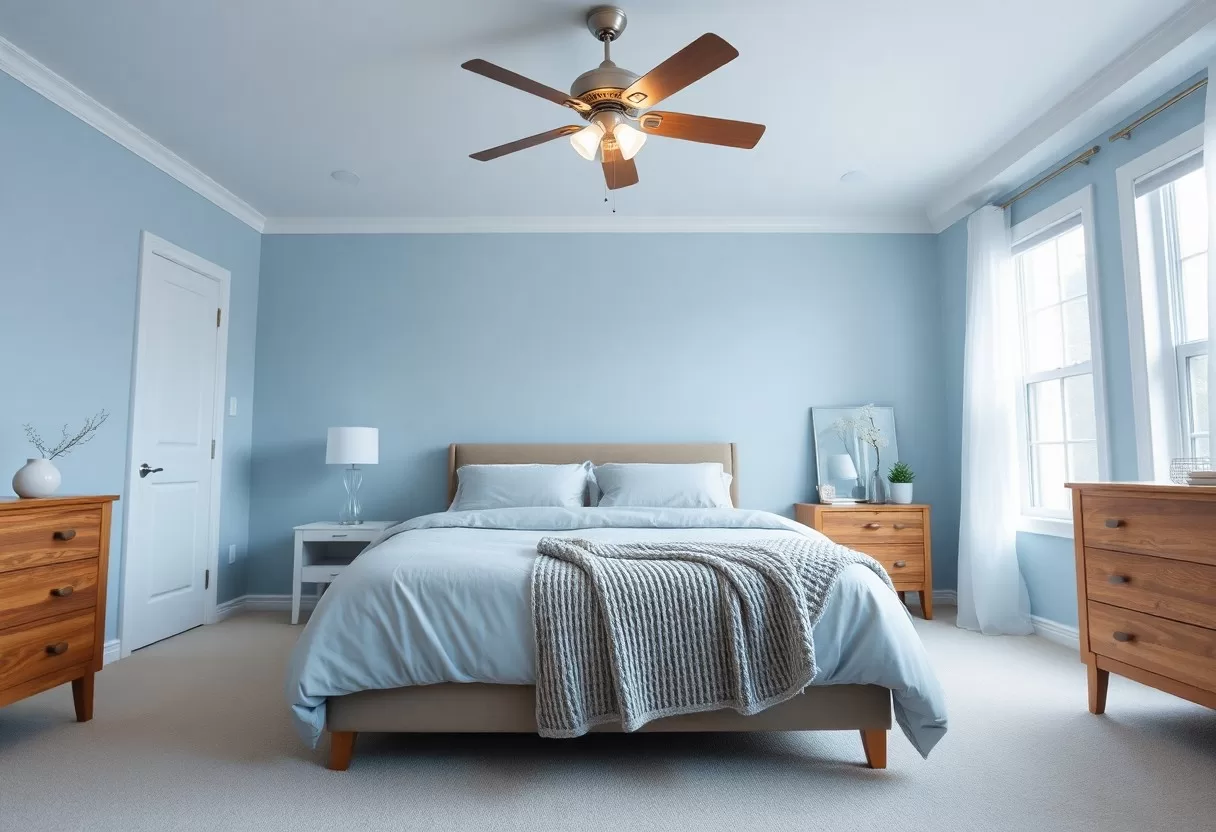
Your color scheme plays a pivotal role in how peaceful your bedroom feels. Soft, muted tones can create a calming atmosphere, while brighter colors can be energizing. Opt for shades that resonate with tranquility, such as pale blues, soft greens, or warm neutrals. These colors not only visually soothe but also contribute to a serene environment that promotes restorative sleep.
Calming Colors for a Peaceful Vibe
Consider incorporating calming colors such as light blue or lavender to enhance relaxation. These hues are often associated with serenity and can mimic the soothing effects of nature. Painting your walls in these colors can immediately evoke a sense of calm, making your bedroom a refuge from daily stressors.
Psychological Effects of Color
The colors you choose can have profound psychological effects on your mood and well-being. For instance, blue hues can lower heart rates and reduce anxiety, while greens promote balance and harmony. Understanding these effects will help you create a bedroom that not only looks peaceful but also feels soothing, enhancing your overall sleep quality.
Color psychology suggests that various shades can elicit specific emotional responses. Research indicates that blue is linked to tranquility, leading to lower blood pressure and decreased anxiety levels. In contrast, colors like yellow and orange can stimulate energy, making them less ideal for a sleeping environment. For a peaceful bedroom, prioritize colors with a soothing effect, allowing you to create a space that genuinely supports relaxation and restorative rest.
Selecting Comfortable Bedding
To enhance your sleep environment, selecting comfortable bedding is important. Prioritize high-quality materials that promote warmth without overheating, such as breathable cotton or linen. Consider investing in a complete bedding set that includes a well-fitted sheet, cozy comforter, and soft pillowcases to create an inviting and restful atmosphere.
The Importance of Quality Mattresses
Your mattress significantly impacts your sleep quality. A quality mattress provides the necessary support for your body, reducing discomfort and promoting proper alignment. Look for options suited to your preferred sleeping position, whether that’s firm or plush, and aim for a lifespan of at least 7-10 years for optimal comfort.
Pillows and Linens that Enhance Comfort
Pillows and linens play a vital role in your overall sleep experience. Choose pillows that cater to your sleeping style—whether you benefit from a memory foam option for neck support or a down alternative for softness. Ensure your linens are soft to the touch, as high thread count can enhance comfort and durability.
When opting for pillows and linens, consider materials that wick away moisture to help you stay cool throughout the night. Hypoallergenic options can reduce allergens and improve air quality, benefiting those with sensitivities. Investing in a variety of pillow types allows you to find the perfect fit, while soft, breathable sheets create a lush sleeping environment, ensuring you drift off peacefully.

Optimizing Bedroom Lighting
The right lighting can significantly enhance your sleep environment. Aim for layers of light, including ambient, task, and accent lighting, to create a flexible atmosphere. Utilize dimmers to adjust brightness levels as needed, allowing you to transition from daytime activities to a more restful night. The goal is to minimize harsh lighting, which can interfere with your ability to unwind and prepare for sleep.
Natural vs. Artificial Light
Natural light serves as a powerful influence on your circadian rhythm, helping your body maintain a healthy sleep-wake cycle. Incorporate as much daylight as possible by using light, airy curtains or leaving windows unobstructed. Conversely, artificial light needs careful consideration; exposure to blue light from screens can disrupt melatonin production, making your bedroom’s atmosphere vital in promoting restful sleep.
Best Lighting for Sleep
To foster a sleep-friendly environment, opt for warm, soft lighting in the evening. Lights with a color temperature of around 2700K are most conducive to relaxation. Consider using lamps with adjustable brightness features so you can dim lights as bedtime approaches, reducing stimulation and signaling to your body that it’s time to unwind. Avoid bright overhead lights, which can be jarring, particularly in the hour leading up to sleep.
Additionally, blackout curtains can help block outside light, creating a darker room that promotes melatonin synthesis. Incorporate bedside lamps or strategically placed floor lights that offer gentle illumination, allowing you to navigate your space without overstimulation. If you find yourself using screens in the evening, consider blue light-blocking glasses. Together, these strategies help you create a bedroom with lighting that supports a healthy, restful transition to sleep.
Minimizing Noise and Distractions
To enhance your sleep quality, eliminating noise and distractions is important. Even subtle sounds can disrupt your rest, making it vital to create an environment that promotes tranquility. Start by pinpointing common sources of noise like traffic, appliances, or even voices from outside. By addressing these disturbances, you’ll foster a more serene atmosphere conducive to restorative sleep.
Soundproofing Techniques
Effective soundproofing can significantly reduce unwanted noise. Consider using acoustic panels on the walls or installing heavy curtains that block sound from windows. Additionally, weather stripping can seal gaps around doors, while rugs or carpets soften sounds on hard floors, enhancing the overall quietude of your bedroom.
Creating a Quiet Atmosphere
To cultivate a peaceful setting, establish a routine that promotes silence. You might choose to use white noise machines or soothing sounds that mask disruptive noise. Additionally, arranging your furniture strategically can help deflect sounds. For instance, placing a bookshelf against a shared wall absorbs vibrations, leading to a more tranquil sleep zone.
Integrating calming elements into your bedroom’s design plays a pivotal role in achieving a quiet atmosphere. Opt for soothing color palettes and limit electronic devices that emit noise or light. Incorporating soft furnishings like cushions and throws can absorb sound, while plants like peace lilies not only enhance aesthetics but also improve air quality. Engage in relaxing activities before bed, such as reading or meditation, to signal your body that it’s time to wind down. An intentional approach to minimizing disturbances will create the sanctuary you need for restorative sleep.
Incorporating Relaxing Scents
Integrating relaxing scents into your bedroom can significantly enhance your ability to unwind and sleep. Fragrance has a powerful impact on mood and well-being, making it an vital element of your peaceful sleep sanctuary. Opt for scents that soothe and calm the mind, allowing you to drift off more easily into a restful sleep.
Fragrances that Promote Relaxation
Scents like lavender, chamomile, and jasmine are widely recognized for their relaxing properties. Studies show that lavender can help lower heart rate and blood pressure, fostering a sense of tranquility. Incorporate these fragrances in your space through candles, diffusers, or vital oils to create a serene atmosphere that lulls you into sleep.
Using Essential Oils Safely
When using vital oils in your bedroom, it is vital to employ them safely to avoid any adverse reactions. Dilution with a carrier oil is recommended to prevent skin irritation, and always do a patch test before applying directly. Ensure your room is well-ventilated, as high concentrations of vital oils can be overwhelming. Additionally, check for sensitivities, particularly if you share the space with others, including pets.
To wrap up
Ultimately, creating a peaceful bedroom that promotes better sleep involves thoughtful choices in color, lighting, and decor, alongside maintaining a clutter-free environment. Prioritize comfort in your bedding and limit noise and light disturbances to enhance your sleep quality. By implementing these strategies, you can transform your space into a serene haven. For more tips, check out 7 Simple Ways to Transform Your Bedroom Into a Restful … for additional insights.
FAQ
Q: What color schemes should I consider for a peaceful bedroom?
A: Soft, muted colors like pastels or neutrals create a calming atmosphere. Consider shades of blue, green, or lavender, as these colors are known to promote relaxation and reduce stress.
Q: How can I eliminate noise in my bedroom for better sleep?
A: To reduce noise, use heavy curtains, soundproofing materials, or a white noise machine. Adding rugs can also help absorb sound. Ideally, choose a room away from street noise to enhance tranquility.
Q: What types of lighting are best for creating a calming environment?
A: Soft, warm lighting is ideal. Use dimmable lamps, string lights, or bedside lamps with warm-toned bulbs to create a cozy ambiance. Avoid harsh, bright lights before bedtime to prepare your body for sleep.