
Range Alcoves – Creating Cozy, Arched Cooking Spaces That Double as Focal Points
Alcoves are a fantastic way to enhance your kitchen’s aesthetic and functionality. By integrating a cozy, arched design, you can transform your cooking space into an inviting area that serves not just as a workspace but also as a striking focal point. Whether you’re entertaining guests or enjoying a quiet evening, a well-designed range alcove adds both practical use and visual appeal to your home.
Key Takeaways:
- Range alcoves enhance kitchen aesthetics by creating visually appealing focal points.
- Arched designs contribute to a cozy atmosphere while maximizing space efficiency.
- Incorporating shelves or decorative elements in alcoves can personalize the cooking area.
Understanding Range Alcoves
Range alcoves are specially designed recesses in kitchen walls that house cooking appliances, enhancing both functionality and aesthetic appeal. By framing your stove or range, these alcoves create a defined space that draws the eye, making it a natural focal point of the kitchen. This design choice not only elevates the overall style of your cooking area but also promotes a more organized culinary experience.
Definition and Purpose
A range alcove serves as a distinctive architectural feature that encapsulates your cooking space, providing a sense of enclosure while allowing for easy access and ventilation. Its primary purpose is to enhance your kitchen’s efficiency and style, encouraging the blending of functionality with aesthetic charm.
Historical Context
Range alcoves have roots in traditional kitchens, with designs dating back to European homes of the 17th and 18th centuries. Originally, these alcoves were crafted to contain large, wood-burning ranges, providing both safety and efficiency as they facilitated better heat distribution. Over time, this feature evolved, becoming a hallmark of sophisticated kitchen design while adapting to modern appliances and cooking styles.
Throughout history, the role of the range alcove has transformed significantly. In early American colonial homes, these spaces were often adorned with functional yet decorative elements like brick or stone, reflecting regional craftsmanship. By the 19th century, the introduction of cast iron and gas stoves led to more refined designs, allowing for enhanced ventilation and user comfort. Modern interpretations focus on clean lines and integrated technology, making these alcoves versatile and appealing to contemporary aesthetics while retaining their historical significance as a culinary gathering point.
Design Elements of Range Alcoves
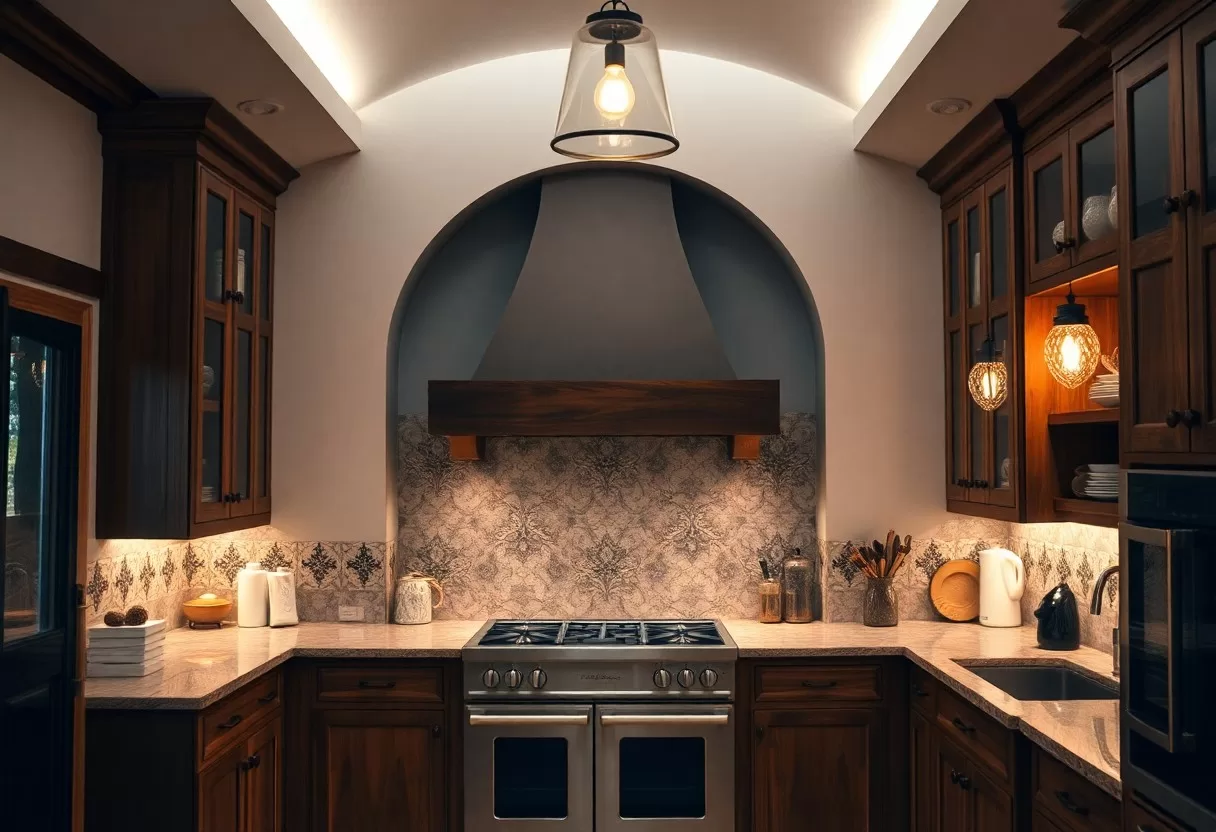
Designing a range alcove involves a blend of aesthetics and functionality, ensuring that your cooking space is as inviting as it is efficient. Key elements to consider include structural shapes, such as arched tops that soften the look, as well as built-in shelving for storage and display. Lighting plays a significant role too; under-cabinet lighting can highlight your alcove, while pendant lights offer elegance and warmth. Integrating these aspects creates a well-rounded, engaging culinary environment that draws attention and invites use.
Material Selection
Your choice of materials significantly influences the overall vibe of the range alcove. Opt for durable options like natural stone, which withstands heat and spills while adding a touch of luxury. Stainless steel offers a modern aesthetic and is easy to clean, while timber accents create warmth. Combining materials, such as pairing a stone backsplash with wooden shelves, elevates the space visually and functionally, ensuring your alcove remains both striking and practical.
Color Schemes and Finishes
The right color scheme can transform your range alcove into a captivating focal point. Consider earthy tones like warm beige or soft grays to create a cozy atmosphere, while bold colors like deep blues or rich greens can add drama and sophistication. Finishes matter too; a matte finish may evoke a rustic feel, whereas glossy surfaces can amplify light and modernity. Harmonizing colors and finishes with the overall kitchen palette will encourage a seamless flow throughout the space.
When selecting colors and finishes for your range alcove, think about how they interact with adjacent areas. For example, if your kitchen features white cabinetry, a vibrant teal for the alcove can provide a striking contrast, drawing the eye without overwhelming the space. Additionally, layering textures—such as a matte wall with a gloss backsplash—adds depth and interest, encouraging a welcoming atmosphere that invites culinary creativity. Use color strategically to enhance mood; warmer tones can bring a sense of comfort, while cooler shades evoke calmness, impacting your cooking experience.
Architectural Considerations
Designing a range alcove involves careful architectural thought to ensure both functionality and visual appeal. The alcove should complement your kitchen’s overall design, harmonizing with cabinetry and countertops while providing ample cooking space. Integrating materials that resonate with your home’s style, such as natural stone or wood, can transform the alcove into a unique centerpiece that enhances your kitchen’s ambiance.
Space Planning
Effective space planning is fundamental to creating an alcove that works for your needs. Position the range centrally within the alcove to optimize accessibility and flow. Ensure there’s enough clearance around the range for ease of movement, ideally maintaining at least 36 inches of counter space on either side. This layout facilitates an efficient cooking experience while enhancing overall functionality.
Structural Support
Addressing structural support is vital in alcove design to ensure safety and stability. The alcove must be adequately engineered to bear the weight of the range, exhaust systems, and any decorative elements. Utilize reinforced framing techniques to provide the necessary support, particularly for arched designs where additional load can occur.
Incorporating structural beams or headers into the alcove design can effectively distribute weight and prevent sagging over time. For arched top designs, consult an engineer to determine the proper materials and depths to maintain integrity. A standard 2×6 framing with proper bracing often suffices for standard ranges, while larger models may require heavier support. Always consider local building codes, which can dictate specific requirements for load-bearing structures to ensure your alcove not only looks stunning but remains safe and durable.
Enhancing Functionality
Functionality in range alcoves can transform your cooking experience. Innovative designs not only optimize space but also serve as a stunning centerpiece. Explore 5 range alcove ideas that turn this awkward feature into… practical and stylish zones where you can unleash your culinary creativity.
Storage Solutions
Maximizing storage in your range alcove is necessary for a tidy kitchen. Custom shelving or integrated cabinetry can elegantly house spices, utensils, and cookbooks within easy reach, effectively decluttering your countertops.
Lighting Options
Strategic lighting elevates the ambiance and functionality of your range alcove. Installing under-cabinet lighting enhances visibility while you cook, and pendant lights over the range impart a touch of sophistication. Choose fixtures with adjustable brightness to set the mood for both cooking and entertaining.
Incorporating layered lighting design not only adds depth to your range alcove but also enhances its usability. Task lighting ensures safety during food preparation, while accent lighting highlights the architectural features of the alcove. Dimmer switches provide versatility, allowing you to switch from bright workspace illumination to soft, inviting light for gatherings.
Style Integration
Integrating your range alcove with the overall kitchen style can transform the space into a harmonious blend of functionality and design. By carefully selecting materials, colors, and textures that align with your chosen aesthetic, you ensure that your cooking area not only serves its purpose but also enhances the visual appeal of the entire room. Whether you lean toward rustic, contemporary, or eclectic styles, cohesive integration maximizes both comfort and beauty.
Traditional vs. Modern Designs
When choosing between traditional and modern designs for your alcove, consider the era’s characteristic elements. Traditional styles often feature ornate moldings, rich woods, and classic tiles, creating a sense of warmth and nostalgia. In contrast, modern designs favor clean lines, minimal ornamentation, and industrial materials, promoting a sleek, uncluttered look. Balancing these styles can provide a unique flair, appealing to a broad range of aesthetic preferences.
Incorporating Personal Style
Your range alcove can become a true reflection of your personality by incorporating personal style elements. Select unique hardware, colorful backsplashes, or custom shelving that showcase your interests, allowing your kitchen to tell a story about who you are. Integrating handcrafted items or heirloom pieces can add character and warmth, making the cooking space a welcoming hub for friends and family.
To further personalize your alcove, think about including accents that resonate with your lifestyle. If you enjoy entertaining, consider open shelves for displaying your favorite cookbooks or decorative dishes. For a more vibrant touch, incorporate colored tiles or even a bold wallpaper on the alcove wall. Using your favorite hues can evoke joy and create a unique visual impact, making the kitchen not just a place for cooking, but a space that embodies your tastes and experiences.
Maintenance and Care
Maintaining the beauty and function of your range alcove involves regular cleaning and preventive measures. Keeping surfaces free from grease and grime not only enhances the aesthetic but also ensures safety during cooking. Utilize gentle cleaners and avoid abrasive materials that can damage the finish. Routine inspections for wear and tear will help you address problems before they escalate.
Best Practices for Upkeep
To ensure longevity, dedicate time each week to clean your alcove, focusing on both the visible surfaces and the areas around the range. Use a soft cloth and a solution of warm water and mild detergent for daily cleanings. For stubborn stains, a mix of baking soda and water can effectively lift marks without scratches, allowing your alcove to remain vibrant and inviting.
Addressing Common Issues
Common issues such as heat discoloration, rust, or residue buildup can arise in range alcoves. For heat discoloration, applying a high-quality touch-up paint can restore the finish. Rust, often appearing in metal components, requires immediate attention; use a rust remover and apply a protective sealant afterward. Residue can be tackled with appropriate cleaning agents tailored to the specific materials of your alcove.
Heat discoloration typically occurs after extended cooking sessions and can be mitigated through proper maintenance. A high-quality touch-up paint specifically designed for high-temperature environments can blend seamlessly, preventing unsightly patches. Rust, frequently a concern for metal parts, should be handled by applying a rust remover and ensuring the area is well-sealed afterward with a protective coat. Residue buildup, particularly around burners, can be minimized by promptly cleaning spills and using hood vents while cooking to reduce grease accumulation. By addressing these common issues promptly, you’ll maintain the functionality and aesthetic of your cozy cooking space.
Summing up
The innovative design of range alcoves not only enhances your cooking space but also transforms it into a captivating focal point in your home. By incorporating arched structures, you add warmth and character to your kitchen, making it an inviting area for family and friends. You can personalize your alcove with thoughtful materials and colors, creating a cohesive look that reflects your style. Ultimately, a well-designed range alcove provides functionality while elevating the aesthetic appeal of your culinary environment.
FAQ
Q: What are range alcoves?
A: Range alcoves are specially designed spaces within a kitchen that house cooking appliances, often featuring an arched design. They create a cozy atmosphere while serving as a visual focal point in the kitchen.
Q: How can I incorporate a range alcove into my kitchen design?
A: To incorporate a range alcove, consider your kitchen’s layout and style. Use materials that match or complement your existing decor, and ensure the alcove is large enough to accommodate your cooking range and any additional features like shelving or decorative elements.
Q: What are the benefits of a range alcove?
A: Range alcoves enhance the aesthetic appeal of your kitchen, provide a designated cooking area, and can improve functionality by offering more space for cooking tools and ingredients. They also add character and charm to the kitchen environment.