
The Comeback of Comfort – Cozy Interiors That Hug You Back
There’s a rising trend focusing on cozy interiors that prioritize your comfort and well-being. As life becomes increasingly hectic, creating a sanctuary at home is imperative for your mental health and relaxation. You can transform your space with soft textiles, warm colors, and inviting furniture that embrace you as you unwind. This guide will explore practical tips and ideas to cultivate a soothing environment that not only looks inviting but also invigorates your spirit and enhances your everyday living.
Nostalgia Meets Modern Design
In today’s design landscape, blending nostalgia with modern elements creates spaces that resonate emotionally while remaining functional. You’ll find that vintage-inspired pieces, like mid-century furniture or retro textiles, can seamlessly integrate with updated materials and technology, evoking cherished memories while providing the comfort and efficiency of contemporary living.
The Appeal of Vintage Elements in Cozy Spaces
Vintage elements infuse character into your cozy interiors, offering a unique story in every piece. Incorporating items like distressed wood furniture or aged leather sofas lends warmth and invites familiarity, creating a sense of belonging that makes your space more inviting and personal.
How Contemporary Comfort Trends Revitalize Classic Aesthetics
Contemporary comfort trends prioritize your well-being while enhancing classic aesthetics. You’ll see designs that embrace soft textiles, ergonomic seating, and warm color palettes, all revitalizing traditional elements. This marriage of old and new shapes environments that stimulate the senses and nurture relaxation.
Combining modern comfort trends with classic styles allows for a compelling exploration of aesthetics. Individuals are increasingly drawn to plush sectionals that channel the essence of vintage couches, or sleek metal accents paired with rustic wood. By emphasizing cozy materials, such as plush throws and tactile cushions, these trends inspire a deeper emotional connection to your space. This revival isn’t just a fleeting phase; it reflects your desire for comfort while honoring cherished design legacies, ensuring that your interiors feel like a personal retreat.
Textures That Transform
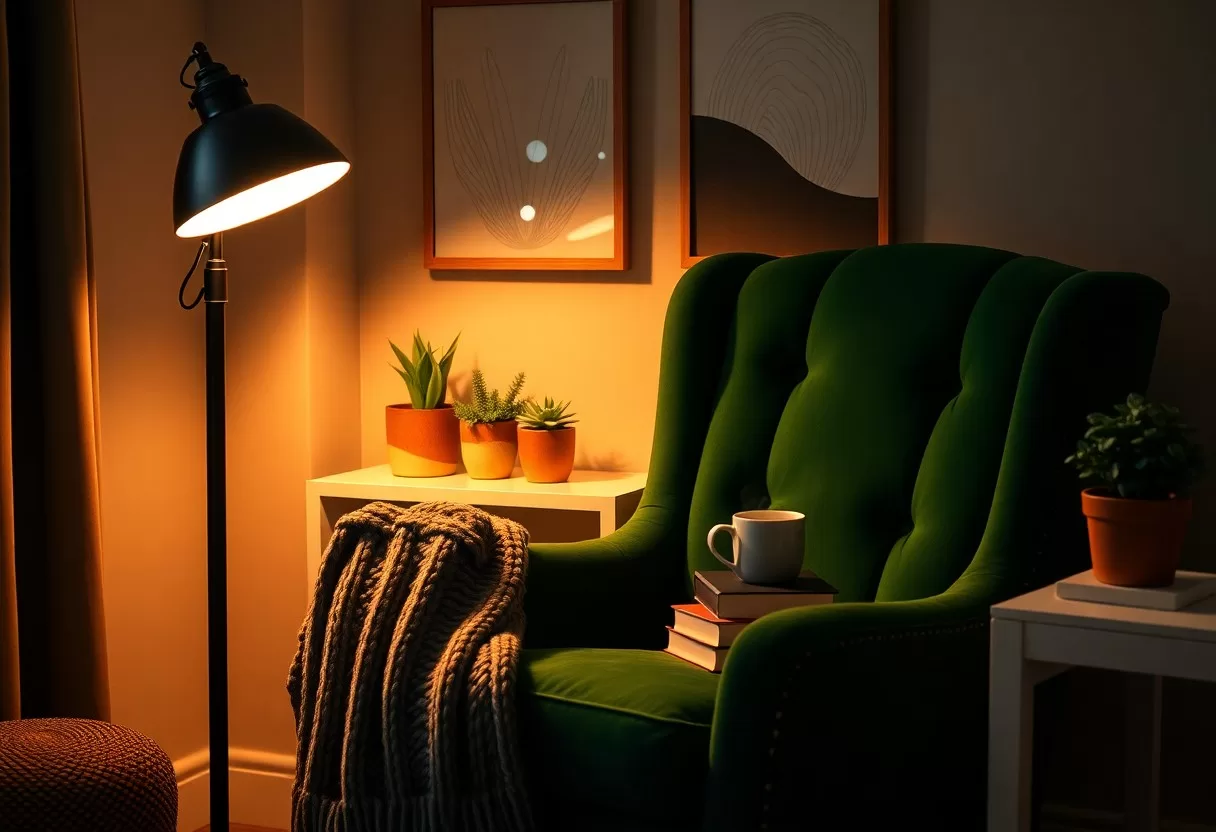
Incorporating varied textures into your home is key to creating a space that feels inviting and warm. Soft textiles, plush rugs, and tactile accessories not only enhance the visual appeal but also play a significant role in delivering an immersive sensory experience. Combining different finishes, like smooth ceramics with fluffy throws or chunky knits, heightens the tactile engagement, making you feel enveloped in comfort and serenity.
The Psychological Impact of Soft Textiles
Soft textiles inherently evoke feelings of safety and calmness. The gentle touch of materials like cotton, wool, and velvet can activate sensory responses that lower stress levels and promote relaxation. This emotional reaction is tied to memories of warmth and security, effectively transforming your space into a personal sanctuary where you can recharge and unwind.
Layering Materials for Maximized Comfort
Layering different materials is a powerful technique to achieve a cozy and inviting atmosphere. By strategically combining items such as thick throws, plush cushions, and textured rugs, you not only enhance visual depth but also provide varied tactile experiences that encourage comfort. This approach invites you to explore and interact with your space, maximizing the feeling of coziness.
Start with a foundation of soft, low-pile rugs for warmth, then introduce chunky knit blankets and an array of cushions in varying sizes and materials. You might add a faux fur throw for visual contrast, while a heavy woven tapestry can enhance the tactile experience on your walls. Mixing natural fibers with synthetic options also boosts comfort, as in breathable linens paired with luxurious velvets. This orchestration of layering materials creates a nest-like environment that not only showcases your style but also wraps you in a sensory embrace.
Color Schemes That Soothe
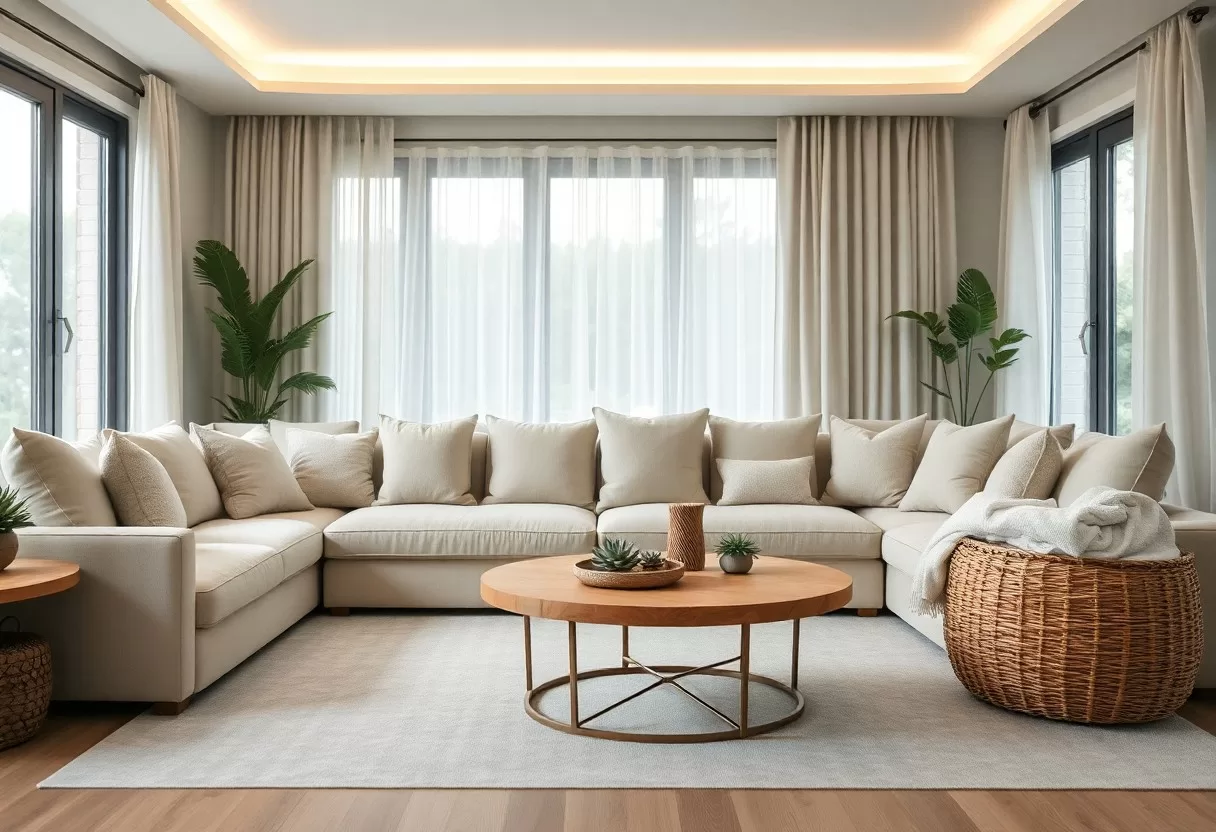
Color schemes play a fundamental role in crafting spaces that feel welcoming and cozy. By choosing shades that resonate with you, your interiors can evoke feelings of warmth or tranquility, creating an environment where you can truly unwind. Soft pastels, muted earth tones, or rich jewel hues can all contribute to a soothing atmosphere, ensuring that your space feels like a warm embrace rather than a sterile living environment.
The Science of Warm vs. Cool Tones in Creating Ambiance
Warm tones, like reds and oranges, stimulate energy and creativity, while cool shades, such as blues and greens, promote calmness and relaxation. Studies suggest that warm colors can increase comfort and intimacy, making them ideal for communal areas. In contrast, cool hues in bedrooms or meditation spaces can significantly lower stress levels, leading to improved sleep and overall well-being. The choice between these palettes can profoundly influence the emotional climate of your home.
Harmonizing Hues: Finding Your Comfort Palette
Creating your comfort palette involves understanding which colors resonate with your emotions and lifestyle. Start by identifying shades that make you feel relaxed or energized, then consider how these can work together. Layering colors using different tones and textures adds depth and personality. You may also experiment with color swatches in natural light to see how they change throughout the day, helping you curate a space that truly reflects your comfort needs.
To refine your comfort palette, consider the psychological effects of each color. For instance, soft greens can evoke feelings of nature and tranquility, while warm neutrals can enhance a sense of grounding. You might explore using a base color—like a soft beige—paired with accent colors that reflect your personality, such as dusty rose or deep teal. This strategy not only creates a cohesive look but also ensures that your environment fills you with the warmth and security you seek.
Functional Furniture for Emotional Well-being
Comfortable interiors prioritize more than aesthetics; they enhance your emotional health through functional furniture. Thoughtfully selected pieces can support your body, encourage relaxation, and foster connection. By integrating multi-functional items such as ergonomic chairs and adaptable tables, you can create spaces that not only look good but also contribute to your overall well-being.
Choosing Versatile Pieces That Feel Good
Opt for furniture that serves multiple purposes and offers tactile comfort. Look for sofas with soft textures that invite you to sink in and tables that can shift between work and leisure. Durable yet cozy materials, like organic cotton and memory foam, ensure your furniture nurtures your body and soul, elevating your living experience.
Creating Adaptive Spaces for Rest and Relaxation
Crafting adaptive spaces revolves around flexibility and personal comfort. Designate areas in your home for specific activities, such as quiet reading nooks with plush cushions or adaptable workspaces with supportive furniture. You can further enhance these spaces with adjustable lighting and calming scents to create a tailored environment that promotes relaxation.
Transforming your home into a sanctuary of rest and relaxation involves strategic placement of furniture that meets your needs. Consider the flow of your space and position items to facilitate ease of movement while maintaining coziness. Incorporate elements like layered textiles for warmth and natural light sources to enhance the overall ambiance. Use modular pieces that can be rearranged depending on your activities, ensuring that every corner feels like a retreat. By prioritizing comfort and utility, you create a refuge that supports both your physical and mental health, making your home a true haven.
Outdoor Influences in Indoor Comfort
Integrating elements from the outdoors into your interior spaces results in a harmonious balance that fosters comfort and tranquility. By blurring the lines between the indoors and outdoors, you can create an atmosphere that breathes life into your home. Incorporate natural materials, such as wood and stone, alongside plants and nature-inspired colors to foster a space that feels connected to nature, enveloping you in warmth and relaxation.
Biophilic Design: Nature’s Role in Cozy Interiors
Biophilic design emphasizes your connection to nature, utilizing organic materials and shapes that evoke the outdoor environment. Incorporating greenery, natural light, and water elements enhances your sense of well-being, turning your space into a calming retreat. By surrounding yourself with these elements, you feel rejuvenated and at peace, fostering a cozy ambiance that nurtures the soul.
Embracing Natural Light for Inviting Atmospheres
Natural light serves as a powerful tool in transforming your living spaces into inviting sanctuaries. Strategically placing mirrors or using sheer window treatments maximizes daylight, creating warmth and openness. The presence of sunlight can elevate your mood, reinforcing a sense of comfort and well-being that permeates throughout your home.
Utilizing natural light goes beyond mere aesthetics; it directly influences your mood and productivity. Studies show that exposure to sunlight can increase energy levels and enhance focus, making it important for cozy interiors. By designing your layout to capture sunlight, you enrich your environment, create inviting atmospheres, and establish a connection to the rhythm of the day, harmonizing your indoor spaces with the living world outside.
Summing up
On the whole, embracing cozy interiors transforms your living space into a haven that nurtures relaxation and comfort. By thoughtfully selecting soft textiles, warm colors, and inviting furnishings, you create an environment that enhances your well-being. These spaces not only reflect your personal style but also provide a retreat from the demands of daily life, allowing you to recharge. As you prioritize comfort in your home, you’ll find that these cozy settings profoundly impact your mood and overall sense of peace, making every moment spent in your sanctuary feel revitalizing.
FAQ
Q: What elements define a cozy interior?
A: Key elements of a cozy interior include warm color palettes, soft textures, layered lighting, and comfortable furniture. Incorporating natural materials, personal decor, and creating intimate arrangements also contributes to a space that feels inviting and snug.
Q: How can I make my space feel more comforting without a complete redesign?
A: Simple changes can enhance comfort, such as adding plush throw pillows, warm blankets, and scented candles. Rearranging furniture to promote conversation and incorporating personal items can make a room feel more personal and cozy.
Q: What role do plants play in creating a cozy atmosphere?
A: Plants add warmth and life to any interior, improving air quality and creating a sense of tranquility. Choosing plants with soft textures or varied colors can enhance the comfort of a space, making it feel more vibrant and welcoming.