
Composting in Small Spaces – Tips for Urban Gardeners
Many urban gardeners struggle with the challenge of limited space for composting, but you can turn even the tiniest balconies or kitchens into effective composting hubs. By employing strategies tailored for small areas, you can create nutrient-rich compost that benefits your plants and reduces waste. This post will guide you through practical tips and systems designed for compact environments, ensuring you can enjoy the environmental and economic benefits of composting without sacrificing valuable space. Let’s get started on transforming your organic waste into garden gold!
Key Takeaways:
- Consider using a compact compost bin or worm bin that fits comfortably in your small space.
- Choose appropriate composting materials, such as kitchen scraps and yard waste, while avoiding meat and dairy to prevent odors.
- Regularly turn or mix the compost to speed up the decomposition process and maintain aeration.
- Utilize corner spaces or vertical gardens to maximize available area for composting and gardening.
- Incorporate composting into your routine by designating a spot in the kitchen for collecting organic waste.
Space-Saving Composting Techniques
In urban environments, maximizing space is necessary for effective composting. Consider compact indoor composters or specialized bins that can fit in tight corners of your kitchen or balcony. You can also explore worm bins, which not only require minimal space but also produce nutrient-rich vermicompost rapidly. These clever solutions allow you to recycle kitchen waste without taking up much real estate, ensuring you can cultivate your urban garden sustainably.
Vertical Composting Solutions
Utilizing vertical composting systems takes advantage of upward space while minimizing ground area usage. A tiered compost tower allows you to layer organic matter while maximizing ventilation and moisture retention. These stacked designs encourage efficient decomposition and are particularly fitting for small patios or balconies, making them an ideal option for urban gardeners.
Utilizing Kitchen Scraps Effectively
Your kitchen is a treasure trove of compostable materials that can significantly reduce waste. Items like fruit and vegetable peels, coffee grounds, and eggshells contribute valuable nutrients to your compost. Even stale bread or leftover grains can break down and enrich your compost mix, turning your culinary scraps into a beneficial resource for your garden.
To utilize kitchen scraps effectively, start by keeping a dedicated compost container in your kitchen. Fill it with organic waste such as vegetable trimmings, fruit cores, and even small amounts of paper towels or napkins. Aim for a balance between nitrogen-rich greens and carbon-rich browns, filling your container layer by layer. Regularly stir the contents to promote aeration and speed up the decomposition process. With proper management, your kitchen refuse transforms into a powerful soil amendment, ensuring your plants thrive even in limited spaces.
Choosing the Right Compost Bin for Urban Environments
Selecting the right compost bin can significantly impact your composting success, especially in limited spaces. Look for options that are both space-efficient and manageable for your lifestyle. Aim for bins that offer easy access, good aeration, and effective odor control, ensuring that composting in your home feels seamless and rewarding.
Factors to Consider When Selecting a Bin
Evaluate various aspects to find the ideal compost bin for your needs. Key factors include:
- Size: Ensure it fits your available space.
- Material: Choose durable materials like plastic or metal.
- Type: Decide between traditional, tumbling, or worm bins.
- Aeration: Look for bins that promote airflow.
- Maintenance: Consider ease of cleaning and managing.
Assume that these aspects will lead to a successful composting experience.
Comparing Different Types of Compost Containers
Explore the various compost container options to determine what best suits your urban environment. Each type has unique features that cater to different needs:
- Traditional Bins: Perfect for outdoor gardens.
- Tumbling Bins: Great for quick composting processes.
- Worm Bins: Ideal for apartments, rich in nutrients.
- Kitchen Compost Pails: Convenient for indoor waste collection.
- Compost Bags: Easy to store and manage in tight spots.
Recognizing your space, composting goals, and the type of materials available will help you make an informed choice.
| Compost Container Type | Benefits |
| Traditional Bin | Good for larger quantities; less maintenance. |
| Tumbling Bin | Fast composting; easy to mix materials. |
| Worm Bin | Compact; produces high-quality compost. |
| Kitchen Pail | Convenient for food scraps; reduces waste. |
| Compost Bag | Flexible options; fits in small areas. |
Understanding the differences between container types can significantly influence your strategy for urban composting. For instance, traditional bins work well for those with outdoor spaces, while worm bins excel in apartments, producing nutrient-rich compost in minimal setups. Each composting solution has its strengths, and tailored choices will yield effective, eco-friendly results in a city environment.
- Traditional Bins: Focus on efficiency and space.
- Tumbling Bins: Provide versatile mixing.
- Worm Bins: Generate nutrient-rich byproducts.
- Kitchen Pails: Contribute to daily composting.
- Compost Bags: Promote ease of storage.
Recognizing these variations allows you to select a container that best fits your composting needs.
| Container Type | Main Characteristics |
| Traditional Bins | Large, stationary, require regular turning. |
| Tumbling Bins | Rotatable design for easy aeration. |
| Worm Bins | Small, indoor-friendly with live worms. |
| Kitchen Pails | Small, portable for food scraps. |
| Compost Bags | Flexible, easy to manage in small areas. |
The Role of Microorganisms in Urban Composting
Microorganisms are the unsung heroes of urban composting, breaking down organic matter into nutrient-rich soil. These tiny decomposers, including bacteria, fungi, and protozoa, work tirelessly to transform your kitchen scraps and yard waste into valuable compost. In a small space, understanding their role is vital, as maintaining a delicate balance of microbes can accelerate the composting process and enhance the quality of your end product.
Understanding the Composting Process
The composting process starts when organic materials are combined in a conducive environment, allowing microorganisms to thrive. As they consume the organic matter, they produce heat, which aids in further decomposition. You can expect a successful composting cycle to take anywhere from weeks to months, depending on factors like temperature, moisture, and aeration.
Best Practices for Maintaining Healthy Microbial Activity
To keep your microbial friends active, provide them with a balanced diet of greens and browns, ensure proper aeration, and maintain optimal moisture levels. Regularly turning your compost pile or mixing contents, if you’re using a bin, reintroduces oxygen crucial for aerobic microorganisms. Aim to keep the compost slightly damp but not soggy, as excess moisture can lead to anaerobic conditions that hinder microbial activity.
In addition to the right mix of materials, you can boost microbial populations by adding a handful of soil or finished compost to your mixture, providing beneficial microorganisms that enhance decomposition. Monitor your compost for any unpleasant odors, which can indicate overloading with high-nitrogen materials or that it needs aeration. By observing these small signs and adjusting your composting practices accordingly, you foster a thriving environment for microorganisms that will enrich your urban garden.
Integrating Composting into Daily Urban Life
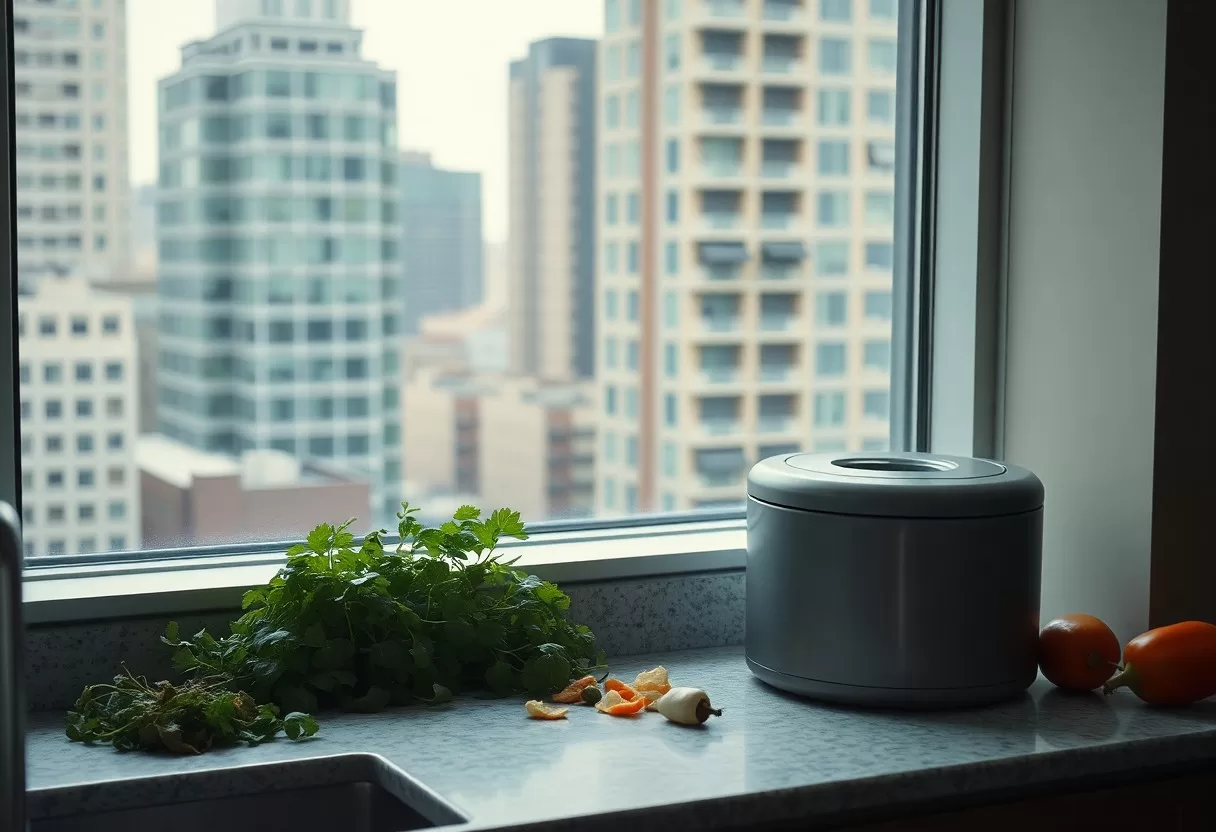
You can make composting a seamless part of your urban lifestyle by establishing routines that incorporate this eco-friendly practice into your daily activities. By seamlessly integrating composting into your routine, not only do you reduce waste, but you also foster a greater connection with nature in the bustling city. Start with simple actions like keeping a designated compost bin in your kitchen or balcony that can hold organic scraps. Over time, you’ll find that composting becomes second nature, enhancing both your garden and your daily life.
Creating a Composting Schedule
Establishing a composting schedule helps you stay organized and ensures that your efforts yield the best results. For example, set designated days for adding food scraps or turning your compost pile, creating a time slot each week, such as Sunday afternoons, to focus solely on compost maintenance. This routine will help you stay committed to the process and keep your compost balanced and active.
Tips for Engaging Neighbors and Building Community Around Composting
Sharing your composting journey with neighbors is a fantastic way to foster community and sustainability. Organize neighborhood composting groups where you can share resources, tips, and even compost materials. Consider hosting a composting workshop in your communal space, inviting others to learn about the merits and benefits of composting. This not only encourages involvement but also strengthens bonds among urban dwellers.
- Organize a community composting group to foster shared learning and connection.
- Host workshops in communal spaces to educate others on the benefits of composting.
- Share compost materials and resources for mutual benefit and collaboration.
- Create incentives for neighbors to participate, such as monthly compost giveaways.
This collective effort not only enhances your composting experience but also contributes to a greener community. When neighbors come together, it builds a sense of belonging and mutual responsibility that enriches everyone’s lives. Forming connections in this way can lead to initiatives such as shared compost bins, bulk purchasing of composting supplies, or even larger community gardens.
- Form connections with neighbors to encourage community-driven sustainable practices.
- Establish shared composting bins or resources for collective use.
- Encourage ongoing discussions about composting techniques and successes.
- Promote sustainability through joint efforts in gardening and food sharing.
This kind of collaboration not only makes composting more enjoyable but also brings about lasting change in your urban environment. The connections formed can lead to new friendships and a stronger, greener community.
Troubleshooting Common Urban Composting Issues
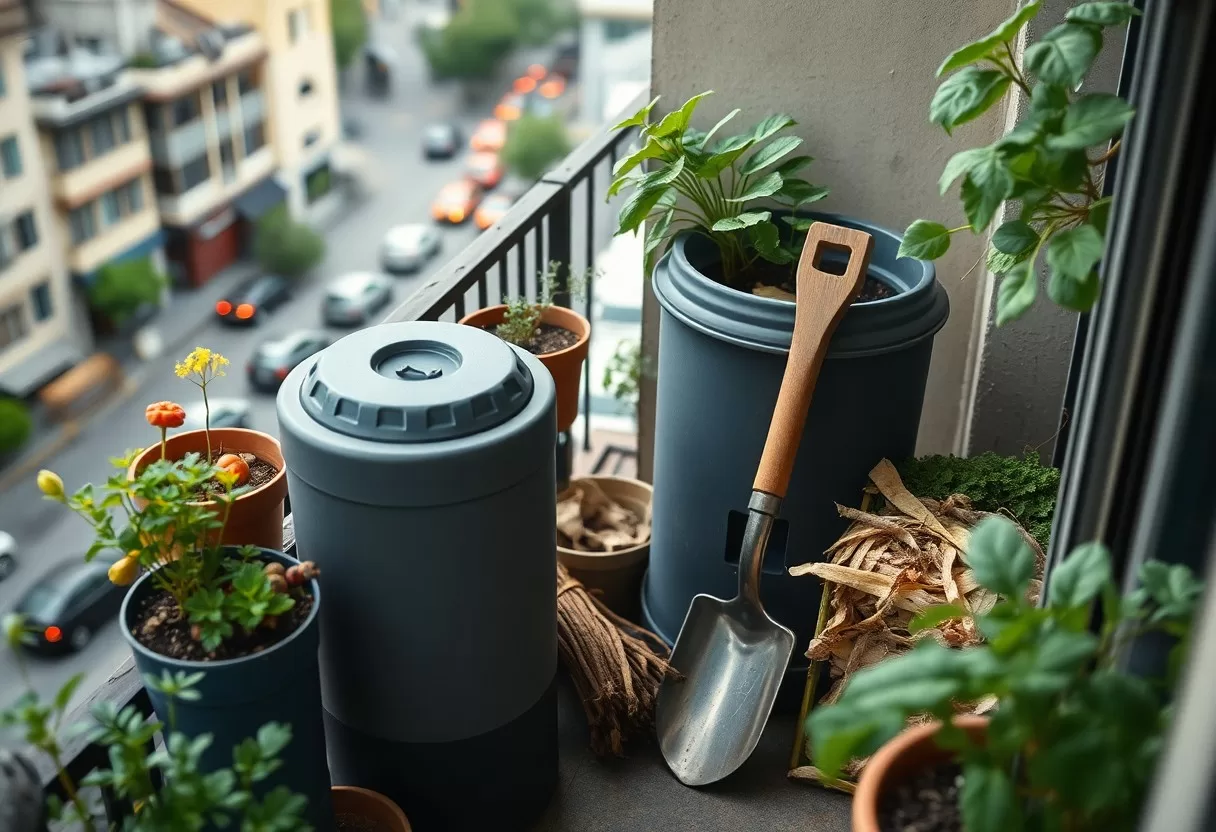
Every urban composter encounters issues along the way, but most problems can be easily fixed with a few adjustments. Pay attention to the signs your compost might be showing. Whether you’re dealing with unpleasant odors or uninvited pests, recognizing these challenges early on can help you maintain a healthy composting environment. Here’s how to address some frequent issues you might face in small-space composting.
Identifying and Solving Smell Problems
Unpleasant odors often stem from an imbalance of green and brown materials in your compost. If your compost smells sour or rotten, it may be too wet or high in nitrogen-rich greens. To correct this, add more carbon-rich materials like dried leaves or straw, and ensure your compost is aerated regularly to promote decomposition and reduce odors.
Dealing with Pests in Small Space Composting
Pests can be a significant concern for urban composters, as fruits and vegetables can attract unwanted visitors like fruit flies or rodents. Sealing your compost container tightly and using the right mix of materials can help deter pests. Additionally, keeping the compost pile properly aerated and layered can minimize odors that attract these critters.
Even the best-managed compost can sometimes attract pests, especially if it contains too many food scraps. To minimize these issues, you can use containers with tight-fitting lids that make it challenging for pests to access the organic matter. Incorporating natural pest deterrents, such as sprinkling diatomaceous earth or using traps, can also help. Regularly inspecting your compost for signs of pests allows you to take action promptly, encouraging a healthy and thriving compost system.
Summing up
Presently, you can transform even the smallest of urban spaces into a thriving composting hub with the right techniques and tools. Embracing methods like vermicomposting or using compost bins designed for limited space allows you to recycle kitchen scraps effectively, enrich your soil, and contribute to sustainability. By implementing these strategies, you enhance your gardening experience while making a positive environmental impact, all from the comfort of your urban home. Start composting today and watch your urban garden flourish!
FAQ
Q: What is composting and why is it beneficial for urban gardening?
A: Composting is the natural process of recycling organic material, such as food scraps and yard waste, into a rich soil amendment known as compost. For urban gardeners, composting can significantly enhance soil quality, improve plant health, and reduce waste sent to landfills. It allows gardeners to create a productive growing environment while minimizing their impact on the local ecosystem.
Q: What are some effective composting methods for small spaces?
A: There are several composting methods suitable for small spaces, including Bokashi composting, vermicomposting (using worms), and using compost bins or tumblers. Bokashi composting involves fermenting kitchen scraps with a special mix of microorganisms, which takes up minimal space. Vermicomposting uses a bin with worms to break down organic waste quickly. Compact compost bins or tumblers can also be placed on balconies or patios, allowing for efficient aeration and decomposition.
Q: What types of materials can be composted in small spaces?
A: In small space composting, you can compost a variety of materials, including vegetable and fruit scraps, coffee grounds, eggshells, grass clippings, and dried leaves. It’s best to balance green materials (rich in nitrogen) like vegetable scraps and coffee grounds with brown materials (rich in carbon) such as shredded paper, cardboard, and dried leaves. Avoid adding meat, dairy products, and oily foods, as these can attract pests and create unpleasant odors.
Q: How can I manage odors and pests in a small composting setup?
A: To manage odors and pests, ensure you maintain a good balance of green and brown materials in your compost. Turning the compost regularly can help aerate it and reduce smells. Keeping the compost bin covered and only adding small amounts of certain materials, like fruits and vegetables, can help deter pests. Additionally, using a well-sealed worm bin can help eliminate odors and prevent infestations.
Q: How long does it take for compost to be ready in a small space?
A: The time it takes for compost to be ready can vary depending on the composting method and conditions. Generally, traditional composting may take anywhere from a few weeks to several months. Bokashi composting can produce compost quickly, often within four to six weeks if followed by a short anaerobic process. Vermicomposting can yield finished compost in about three to six months, depending on the materials used and environmental factors.