
Color Psychology at Home – Shades That Influence Daily Mood
Color plays a significant role in shaping your mood and well-being. Choosing the right hues for your home can lead to enhanced relaxation or boosted creativity, while some shades may even evoke feelings of anxiety or sadness. Understanding the impact of colors like soft blues or vibrant yellows can transform your living space into a sanctuary that promotes positive feelings and influences your daily experience. This post will guide you through the colors that resonate with your emotions and help you create an environment tailored to your needs.
Key Takeaways:
- Warm colors like red and orange can evoke feelings of energy and excitement, while cool colors like blue and green promote calmness and relaxation.
- Neutral shades such as beige and gray create a balanced environment, allowing for versatility in mood enhancement with accent colors.
- Lighting plays a significant role in how colors are perceived, affecting overall ambiance and emotional response in a space.
The Spectrum of Emotion: Colors and Their Psychological Effects
Your environment’s color palette significantly impacts your emotional landscape. Different shades can evoke a myriad of feelings and influence behaviors. This spectrum of emotion ranges from the lively vibrancy of warm tones to the soothing whispers of cool hues, underscoring the profound connection between color and psychological responses. It’s not just decoration; it’s a way to enhance or alter your daily interactions with the world around you.
Warm Colors: Energizing the Space
Warm colors, such as reds, oranges, and yellows, are known for their ability to energize and stimulate a space. These hues can invoke feelings of excitement, warmth, and activity, motivating you to engage in social interactions and creative endeavors. Incorporating warm colors in areas like dining rooms or home offices can foster a lively atmosphere, encouraging productivity and conversation.
Cool Colors: Creating Calm and Serenity
Cool colors, including blues, greens, and purples, promote calmness and tranquility, making them ideal for relaxation spaces such as bedrooms and bathrooms. These shades can lower heart rates and reduce stress, inviting a sense of peace into your home. The serene environment created by cool tones encourages rejuvenation, enhancing your overall mental well-being.
With their ability to mimic nature, cool colors bring an organic touch to your interiors, often associated with elements like water and sky. Blue, for instance, is linked to feelings of trust and peace, while green symbolizes growth and harmony. Consider selecting soft blues or muted greens for your spaces to create an atmosphere conducive to relaxation and mindfulness. Even just a touch of lavender can transform a room from chaotic to serene, making your home a sanctuary away from daily stressors.
The Science Behind Color Choice in Interior Design
Understanding the science behind color choice in interior design can transform your living space into a sanctuary that resonates with your emotional state. The interplay of light, hue, and intensity not only shapes the aesthetic appeal of a room but also influences your psychological well-being. By strategically selecting colors, you can create environments that inspire tranquility, energy, or creativity, enhancing your daily experience.
Psychological Theories Underpinning Color Perception
Your perception of color is guided by various psychological theories, including the Gestalt Principles, which emphasize the human tendency to perceive patterns and wholes. Emotional responses to colors are often rooted in personal experiences and cultural significance, linking specific shades to feelings of happiness, sadness, or nostalgia. This connection can empower you to curate spaces that reflect your desired emotional landscape.
Research Findings on Color and Mood
Numerous studies have demonstrated a strong connection between color and mood. For instance, blue tones promote calmness and reduce anxiety, while yellow hues increase feelings of optimism and energy. Experimental research reveals that participants exposed to different colors report varying emotional responses, indicating that your choice of color can significantly affect your mood throughout the day.
In a study published in the journal *Environment and Behavior*, participants in blue rooms showcased lower heart rates and felt more relaxed, while those in red environments experienced heightened energy levels and enthusiasm. Similarly, research from the University of British Columbia highlighted that warm colors, like oranges and yellows, can stimulate creativity and productivity, making them ideal for workspaces. Conversely, cooler colors are often preferred in bedrooms and relaxation areas to foster peace and restfulness. Embracing this research allows you to tailor your interiors to not only match your style but also to positively influence your emotional state.
Practical Palette Decisions: Choosing Colors for Common Spaces
Selecting colors for common spaces involves understanding how each shade will interact with human emotions and behaviors. Environments such as living rooms, kitchens, and dining areas serve as the backdrop for everyday life, so making thoughtful decisions about your palette can enhance functionality and mood. Focus on balancing aesthetics with the psychological effects of color to create spaces that inspire connection, creativity, and relaxation.
Living Room Blues: Setting the Right Atmosphere
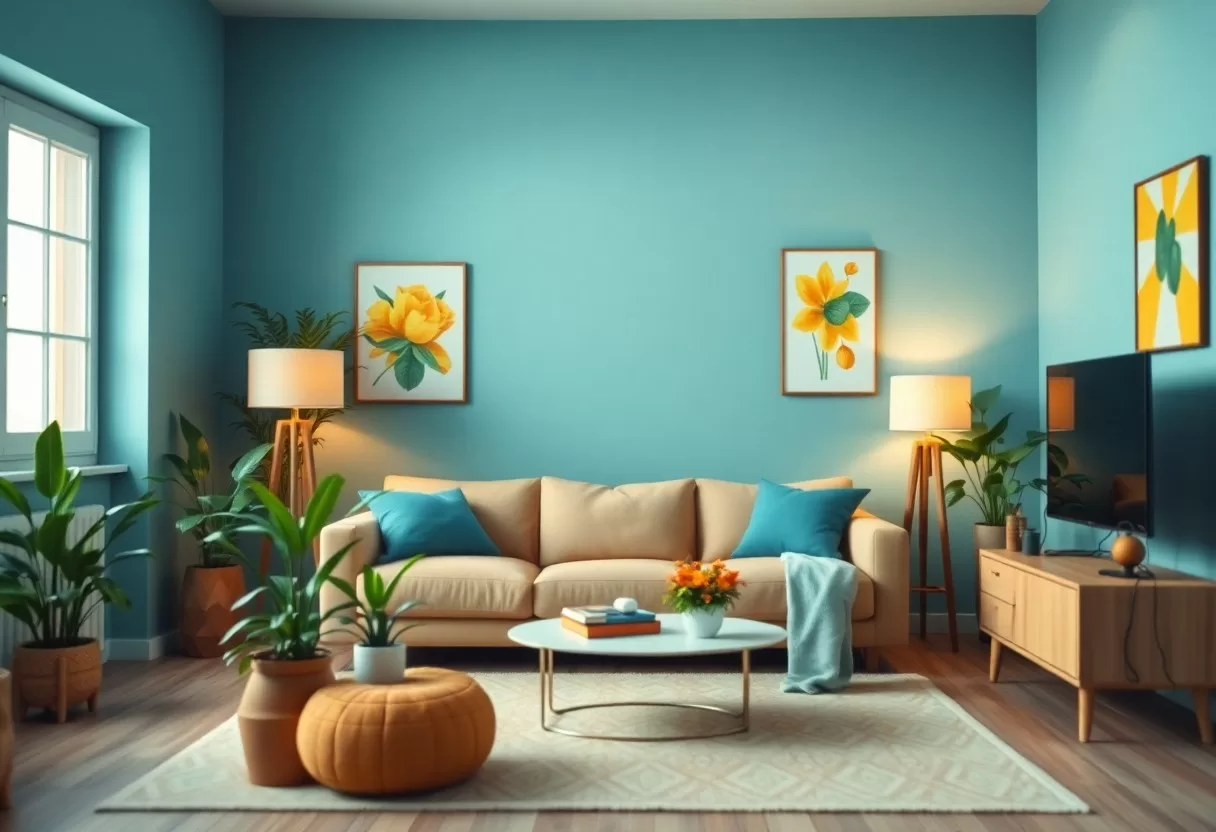
Your living room serves as a gathering space, ideal for both relaxation and socialization. Incorporating shades of blue can cultivate a sense of calm while promoting conversation. Soft blues create a soothing backdrop, while deeper hues can instill a cozy ambiance, enabling you to unwind or engage with guests comfortably.
Kitchen Yellows: Stimulating Creativity and Appetite
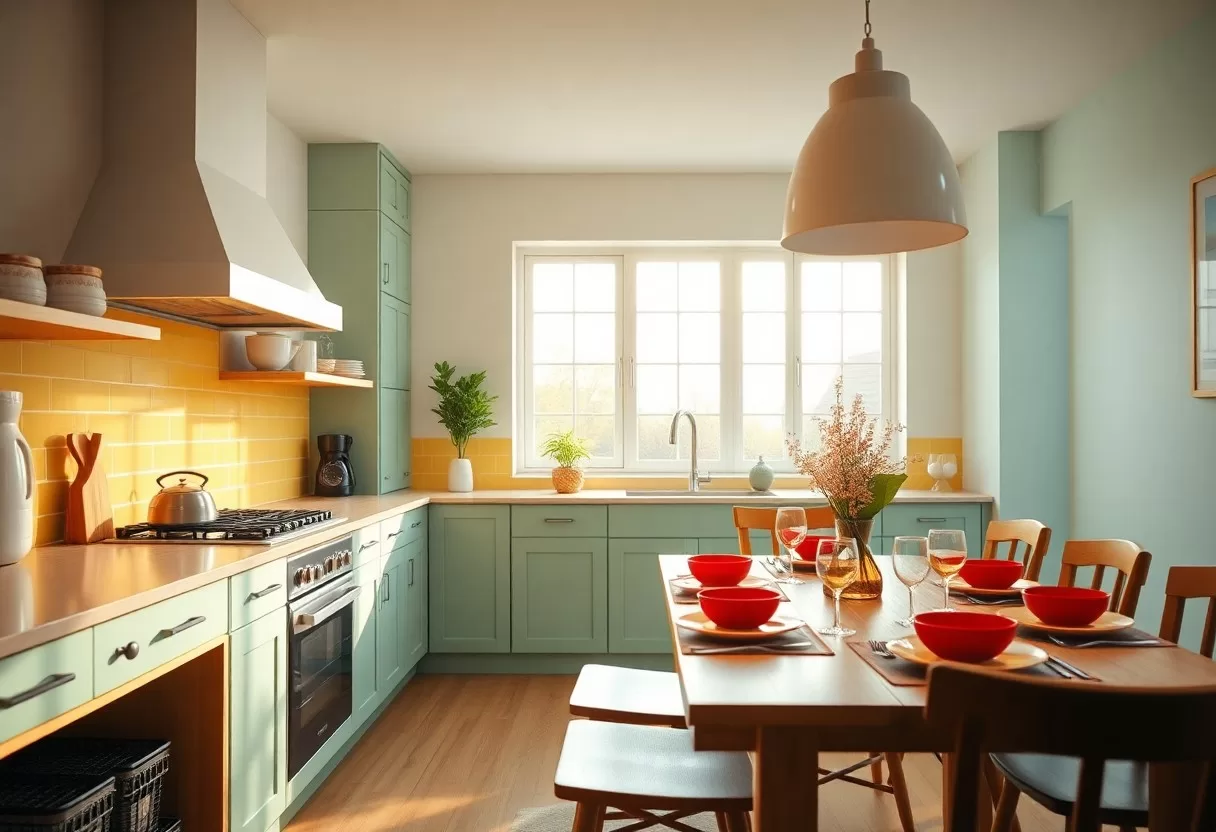
Yellow, known for its cheerful and energetic qualities, can infuse your kitchen with vibrancy. The bright tone stimulates both creativity and appetite, making it an ideal choice for a space where you prepare meals and share culinary experiences with loved ones. It encourages lively interactions and a sense of warmth.
Utilizing yellow in the kitchen can significantly enhance not only the aesthetic appeal but also the atmosphere, supporting positive energy during meal prep and dining. Studies indicate that exposure to yellow can increase levels of serotonin, boosting your mood and inviting enthusiasm into cooking activities. Practical implementations may include yellow accent walls, decor, or even kitchen accessories that harmonize with other colors, creating an inviting focal point that encourages both creativity and a lively appetite among family and guests.
Personalization Through Color: Tailoring Your Environment
Your home reflects who you are, and color is the key to making that reflection resonate. By selecting hues that resonate with your personality and mood preferences, you can create a space that’s uniquely yours. Consider how various shades can enhance the ambiance—whether it’s a vibrant yellow to energize an office or calming blues for a restful bedroom. Personalization through color not only enhances aesthetics but fosters a deeper emotional connection to your environment.
Individual Preferences and Cultural Influences
Colors evoke different emotions and reactions based on individual preferences and cultural backgrounds. For instance, while red signifies love and passion in many Western cultures, it may represent luck and prosperity in China. Understanding your own history with colors and their contextual meanings can help you select a palette that truly speaks to you, bridging personal sentiment with cultural significance.
The Importance of Personal Reflection in Color Selection
Choosing the right colors for your space demands personal reflection, tapping into your emotions, memories, and desires. Consider how specific colors have impacted your mood or productivity in various settings. Allow yourself to think about the experiences associated with particular shades, whether a bright orange reminds you of joyful summers or a soft green evokes the tranquility of nature. This introspective process can guide you in selecting colors that align with your lifestyle and emotional well-being.
Engaging in personal reflection fosters a meaningful connection to your environment. For example, if you recall the calming effect of pastel hues during childhood, you might choose those shades to recreate that serenity in your adult spaces. Conducting a thorough self-assessment by journaling or using color swatches can clarify your emotional responses and preferences. This understanding tailors your color selections to not only enhance beauty but also to create a sanctuary that feels authentic and uplifting to you.
Balancing Color Schemes: Harmony and Contrasts for Mood Maintenance
Striking a balance between harmony and contrast within your color scheme is vital for sustaining a positive atmosphere. A well-thought-out combination of shades can evoke feelings of tranquility while also sparking energy when needed. Combine soft hues with bold accents to maintain a dynamic environment, and consider the emotional responses that different shades elicit to achieve the optimal mood for each room.
Complementary Colors: Creating Visual Appeal
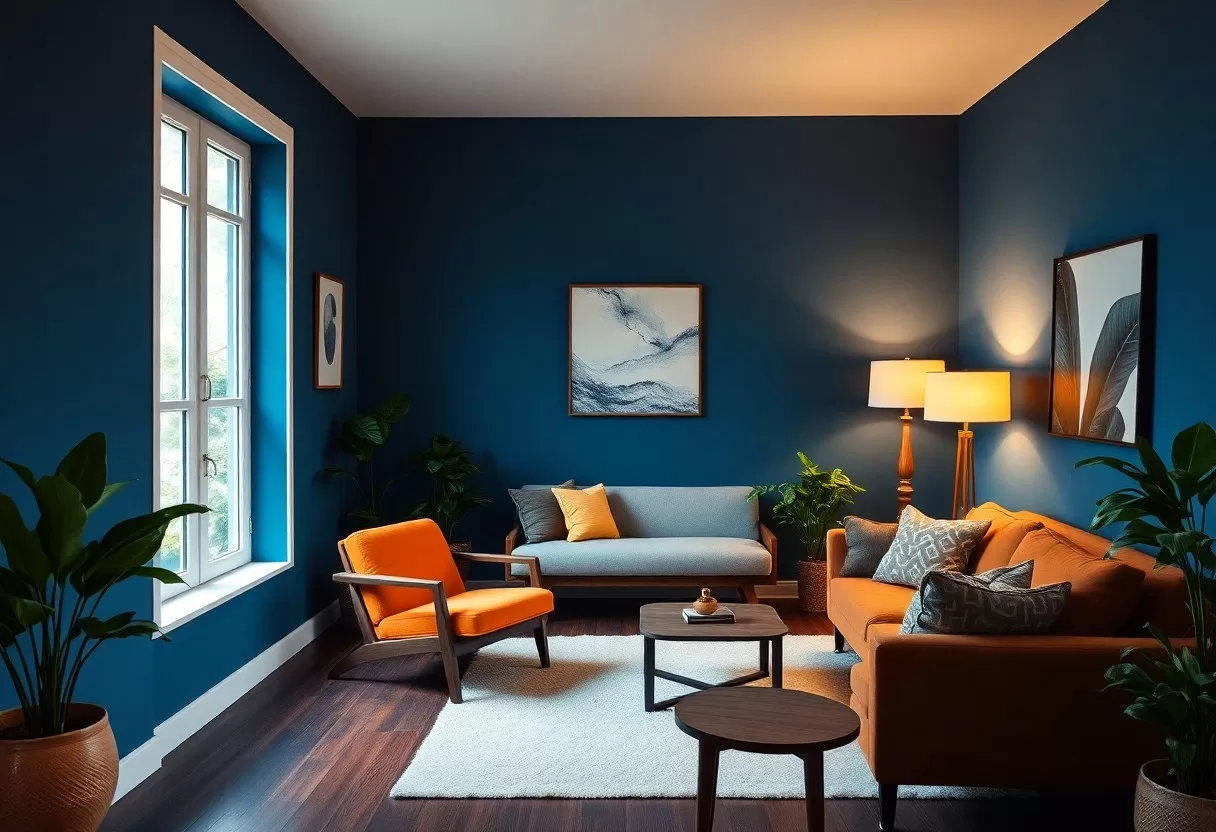
Complementary colors draw on opposite hues on the color wheel to create striking contrasts that energize your space. For example, pairing blue with its complementary orange can provide visual excitement, stimulating creativity and conversation. Use these pairs strategically in accessories or artwork to achieve a lively atmosphere without overwhelming your senses.
The Role of Neutral Shades in Enhancing Mood
Neutral shades serve as an important backdrop, allowing other colors to shine while creating a sense of calm. Shades like beige, gray, and soft whites can effectively anchor more vibrant hues, resulting in an overall balanced palette. Incorporating neutrals not only enhances mood by promoting relaxation but also offers flexibility in future styling or decor changes.
Neutral colors also impact your well-being by providing a serene environment for daily activities. Research shows that these shades can significantly reduce stress levels, making them ideal for spaces designated for rest, such as bedrooms or reading nooks. Additionally, neutrals allow you to play with texture and layering, enriching your home’s aesthetic without overwhelming your senses. This versatility ensures that your living space remains adaptable and inviting, contributing positively to your overall mood.
Summing up
Now that you’ve explored the impact of color psychology at home, consider how different shades can influence your daily mood and well-being. By selecting colors that resonate with your personal preferences and desired atmosphere, you can transform your living space into a haven that enhances tranquility, creativity, or energy. Whether you opt for calming blues or invigorating yellows, your choices shape not only your environment but also your emotional landscape, ultimately enriching your life experience.
FAQ
Q: How does the color blue affect mood in a home environment?
A: Blue is known to promote a sense of calm and relaxation. It can help reduce stress and anxiety, making it a popular choice for bedrooms or relaxation areas. Soft shades of blue can create a tranquil atmosphere, while darker blues can evoke feelings of depth and stability.
Q: What impact does the color yellow have in living spaces?
A: Yellow is associated with positivity and energy. It can stimulate mental activity and increase feelings of happiness. In moderation, yellow can brighten a space and evoke feelings of warmth and cheerfulness, making it a suitable choice for kitchens or family rooms.
Q: Why should I consider using earthy tones in my home decor?
A: Earthy tones, such as browns, greens, and beiges, create a grounding effect. These colors can promote feelings of stability and comfort while connecting individuals to nature. Incorporating earthy shades can enhance relaxation and create a cozy, inviting atmosphere, ideal for living and dining areas.