
Choosing the Right Architectural Style for Your Home – A Step-by-Step Guide
This guide will help you navigate the exciting yet challenging process of choosing the right architectural style for your home. You’ll explore various styles that may resonate with your personal aesthetic, while also considering factors such as location, environment, and budget. By following each step, you can ensure that your home reflects your unique taste and enhances its value. Let’s investigate the vital elements that will lead you to a well-informed decision and the perfect architectural style for your needs.
Key Takeaways:
- Assess your personal preferences and lifestyle needs to determine which architectural styles resonate with you.
- Consider the surrounding environment, including the local climate and neighboring homes, when selecting an architectural style.
- Evaluate the functionality and practicality of different styles to ensure your home will meet your current and future requirements.
- Research various architectural styles for their historical significance and how they align with your vision for your home.
- Consult with professionals or architects to gain insights and guidance on what style may best suit your specific project and budget.
The Cultural Resonance of Architectural Styles
Architectural styles do not merely represent aesthetic choices; they embody the cultural narratives and historical contexts of their times. From the ornate detailing of Baroque architecture reflecting the opulence of its era to the minimalist lines of contemporary styles resonating with modern values, your home’s design can express your cultural identity. Understanding these connections can guide you in selecting an architectural style that resonates not just with you, but also with the community and heritage to which you belong.
How History Shapes Architectural Preferences
Historical events and movements significantly influence architectural choices, molding styles that reflect societal values and technological advancements. For instance, the Industrial Revolution promoted the use of iron and glass, leading to the rise of industrial-style lofts and commercial spaces. You might find that your preferences are impacted by the history of your location or the architectural trends celebrated in your region.
The Influence of Local Climate and Geography
Your surroundings play a vital role in determining the best architectural style for your home. The local climate and geographical landscape directly affect material choices and building designs. For instance, homes in hot, dry areas often feature thick walls and small windows to minimize heat, while those in wet regions may utilize steep roofs to prevent water accumulation.
Consider coastal areas that favor raised structures to mitigate flood risks, often seen in beach homes, while desert regions embrace adobe construction, which regulates temperature. Additionally, the availability of local materials influences design decisions; brick homes are common in areas with abundant clay, while wood is prevalent in forested regions. By acknowledging how climate and geography shape architectural styles, you can opt for a design that not only complements your personal taste but also harmonizes with your environment.
Aligning Your Lifestyle with Architectural Functionality
Finding the perfect architectural style requires a deep understanding of how your home’s layout and design will support your day-to-day life. With a focus on both aesthetics and functionality, you can select a style that enhances your lifestyle, allowing for ease of movement, comfort, and proper use of space. Whether you enjoy entertaining guests, need a quiet home office, or prioritize family interaction, considering how architectural choices align with your lifestyle will help you make informed decisions.
Assessing Space Requirements and Family Dynamics
Your family’s unique dynamics and space requirements play a significant role in choosing the right architectural style. Determine how many bedrooms and bathrooms you need, the importance of common areas versus private spaces, and any future considerations like growing children or accommodating guests. For example, an open-concept layout may better suit a bustling family who values togetherness, while a traditional style with distinct rooms might be ideal for those valuing privacy.
Balancing Personal Aesthetics with Practical Needs
While your personal taste influences your home’s design, practicality must also be factored into your decision. Assess how your lifestyle impacts your design choices—consider the maintenance needs of different materials, the layout’s suitability for various activities, and the adaptation of spaces as your needs evolve. A home that marries your aesthetic desires with functionality will not only look beautiful but also serve as a comfortable and efficient living environment.
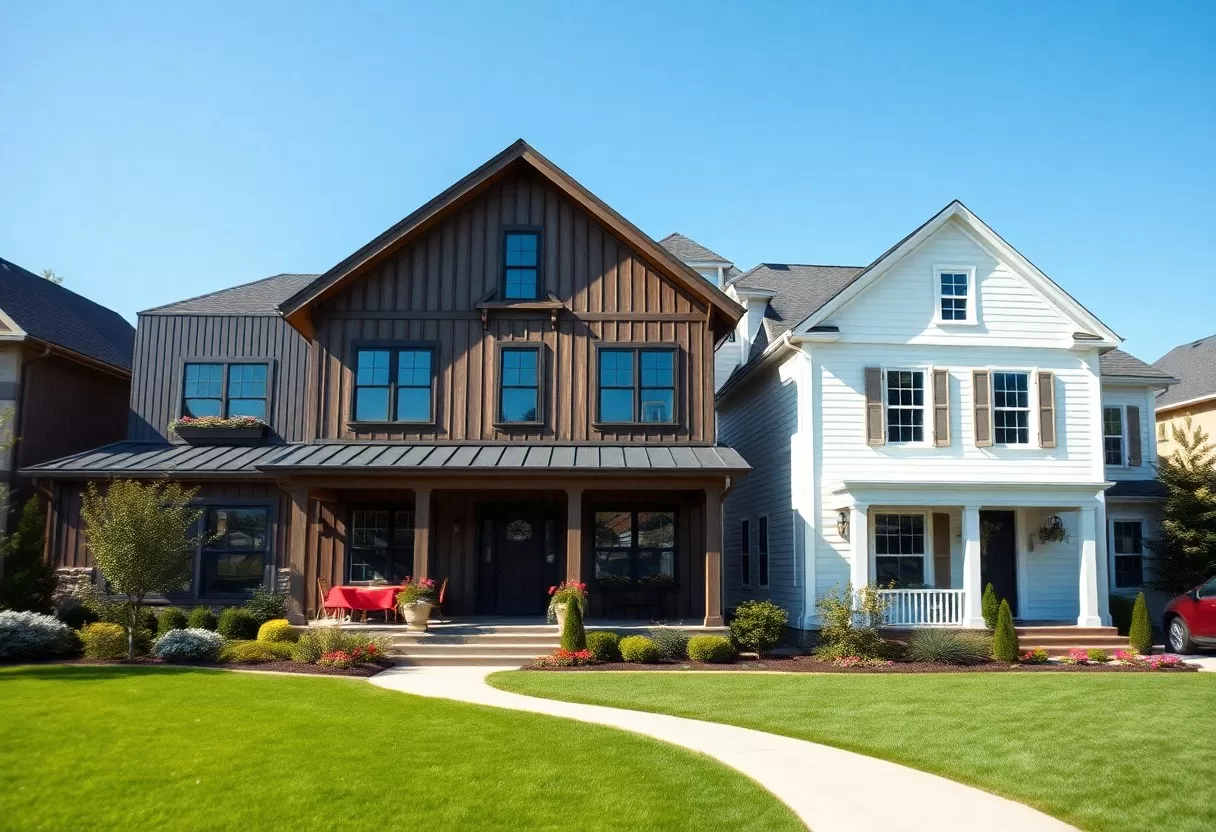
Your aesthetic preferences should not eclipse practicality when selecting an architectural style. For instance, if you adore rustic charm with plenty of wood accents, ensure that it aligns with your requirements for durability and maintenance. Stylish choices can coexist with durability; consider low-maintenance materials that still evoke a desirable aesthetic. Balancing these elements guarantees you not only achieve a home that reflects your personal style but also one that accommodates your lifestyle in the long run. Think about how the design works in harmony with your daily life and allows for adaptability as your family grows or changes over time.
The Emotional Impact of Architectural Design
Every architectural choice you make influences not just the aesthetic appeal of your home, but also the emotional environment it creates. The right design can evoke feelings of warmth, tranquility, or energy, tailoring your living space to fit your lifestyle and emotional needs. Spaces that resonate with your personal style can foster a greater sense of comfort, enhance your well-being, and establish a nurturing backdrop for family interactions. Understanding this emotional connection is key in guiding your architectural selections.
Understanding How Space Affects Mood and Interaction
The layout and proportions of your home significantly impact daily interactions and emotional responsiveness. For instance, an open floor plan can enhance feelings of togetherness, promoting casual family gatherings, while distinct, separated rooms may cater to moments of solitude and focus. Optimal lighting and thoughtful spatial arrangement guide your mood throughout the day, making your home a true reflection of your lifestyle.
Rituals of Home Life: Designing for Daily Habits
Your home plays a pivotal role in shaping daily rituals, from morning routines to evening gatherings. Well-considered architectural elements, such as a welcoming entryway or an inviting kitchen, can support positive habits and foster meaningful connections among family members.
Specific design features can enhance your typical daily activities. For example, a spacious kitchen island not only serves as a cooking area but also as a hub for family conversations over breakfast or homework sessions. Similarly, a cozy reading nook can be an ideal spot for winding down with a book or enjoying quiet reflection. By recognizing how each space functions in your daily life, you can create an environment that not only caters to your practical needs but also promotes emotional well-being and strengthens family bonds. Understanding the rituals that matter most to you will guide the architectural decisions that truly enhance your life.

Navigating Regulations and Practical Constraints
Your vision for a stunning architectural style can quickly collide with regulatory hurdles and practical constraints that must be addressed. As you explore design options, understanding local regulations ensures that your home’s appearance aligns with community standards and restrictions. Familiarizing yourself with zoning regulations, building codes, and neighborhood guidelines can save you time and potential legal issues as you move forward with your project.
Zoning Laws and Building Codes: What You Must Know
Local zoning laws dictate how land can be used and how tall or wide your home can be, impacting not only the architectural style but also the feasibility of your plans. Building codes, on the other hand, ensure your home meets safety and structural guidelines. Ignoring these regulations could lead to fines or project delays, making it important to consult local ordinances before settling on a design.
Budgeting for Your Dream Home: Financial Considerations
Your dream home’s architectural style impacts not just aesthetics but also your overall budget. Costs can vary significantly based on design complexity, materials, and labor. Setting a realistic budget that considers all financial aspects—such as permits, construction, and unexpected expenses—will help you align your vision with what you can afford.
Begin by outlining a budget that includes costs for architectural design consultations, materials, and construction. Be prepared for unexpected expenses, which can often arise during building projects. It’s advisable to allocate around 10-20% of your overall budget for these surprises. Researching materials and methods—such as energy-efficient designs or sustainable materials—can help you manage costs while still achieving your desired style. With careful planning and a solid understanding of your financial limits, you can create a home reflective of your style without breaking the bank.
Visualizing Your Ideal Home: From Concept to Reality
Transforming your vision of the perfect home into a tangible design requires careful consideration and the right tools. Visualizing your ideal architectural style means exploring various elements like materials, textures, and color palettes. From sketches to digital renderings, capturing what resonates with you will help create a cohesive plan that embodies your lifestyle and aspirations.
Tools and Resources for Architectural Visualization
Leverage technology to bring your dream home to life through architectural visualization tools such as 3D modeling software and augmented reality apps. Platforms like SketchUp or Revit allow you to experiment with layouts and styles, while virtual reality can immerse you in a simulated space, giving you a feel for your design before construction even begins.
Collaborating with Architects and Designers: Finding the Right Partner
Building a home is a deeply personal journey, and collaborating with the right architect or designer is important to realizing your vision. Look for professionals whose portfolios reflect your desired style, and ensure they have experience in projects similar to yours. An initial consultation is an excellent opportunity to assess their understanding of your vision.
Finding the right partner in the field of architecture and design involves more than just reviewing portfolios; it requires open communication and a clear understanding of your needs. Schedule meetings with potential architects to discuss their approach and how they plan to incorporate your ideas. Consider client testimonials and ask for references to gauge their professionalism and reliability. Trust your instincts during this process since a strong partnership will significantly impact the project’s outcome, ensuring that your vision is translated into reality with precision and flair. Aim for someone who not only listens to your dreams but also challenges you to rethink possibilities, thus enriching your overall design experience.
Final Words
From above, it’s crucial to understand that selecting the right architectural style for your home is a personalized journey that reflects your tastes and needs. By taking this step-by-step approach, you can confidently evaluate various styles, blend design elements, and ensure your home resonates with your lifestyle and aesthetic preferences. Focus on aligning your decisions with your values and surroundings, and you’ll create a space that not only meets your functional requirements but also becomes a true reflection of who you are.
FAQ
Q: How do I start the process of choosing the right architectural style for my home?
A: Begin by exploring various architectural styles. Research their history, characteristics, and typical features. Create a mood board or collection of images that resonate with you. Consider your personal preferences, lifestyle needs, and the surrounding environment, as these factors will heavily influence your choice.
Q: What factors should I consider when selecting an architectural style?
A: Several factors play a role in your selection process. These include the local climate, neighborhood aesthetics, functionality requirements, and budget constraints. Additionally, think about how the style aligns with your personal tastes and whether it will stand the test of time in terms of design and appeal.
Q: Can I mix different architectural styles, or should I stick to one?
A: Mixing architectural styles is possible and can create a unique look, but it requires careful planning. Aim for a harmonious blend that combines elements from different styles without clashing. Pay attention to key features such as color palettes, materials, and proportions to maintain visual cohesion throughout the home.
Q: How do I ensure that the chosen architectural style suits my property’s location?
A: Analyze the characteristics of your neighborhood and local architectural trends. Styles that are commonly found in your area are typically better suited for integration. Additionally, consider the cultural, historical, and environmental aspects of the location, as these elements can greatly influence how a style will resonate within the community.
Q: Should I consult a professional when choosing an architectural style for my home?
A: Engaging an architect or designer can be beneficial, especially if you seek expert guidance on style, functionality, and construction feasibility. They can help you navigate your options, provide valuable insights, and create a cohesive design that reflects your vision while adhering to building codes and regulations.