
How to Choose Lighting That Instantly Transforms Any Room
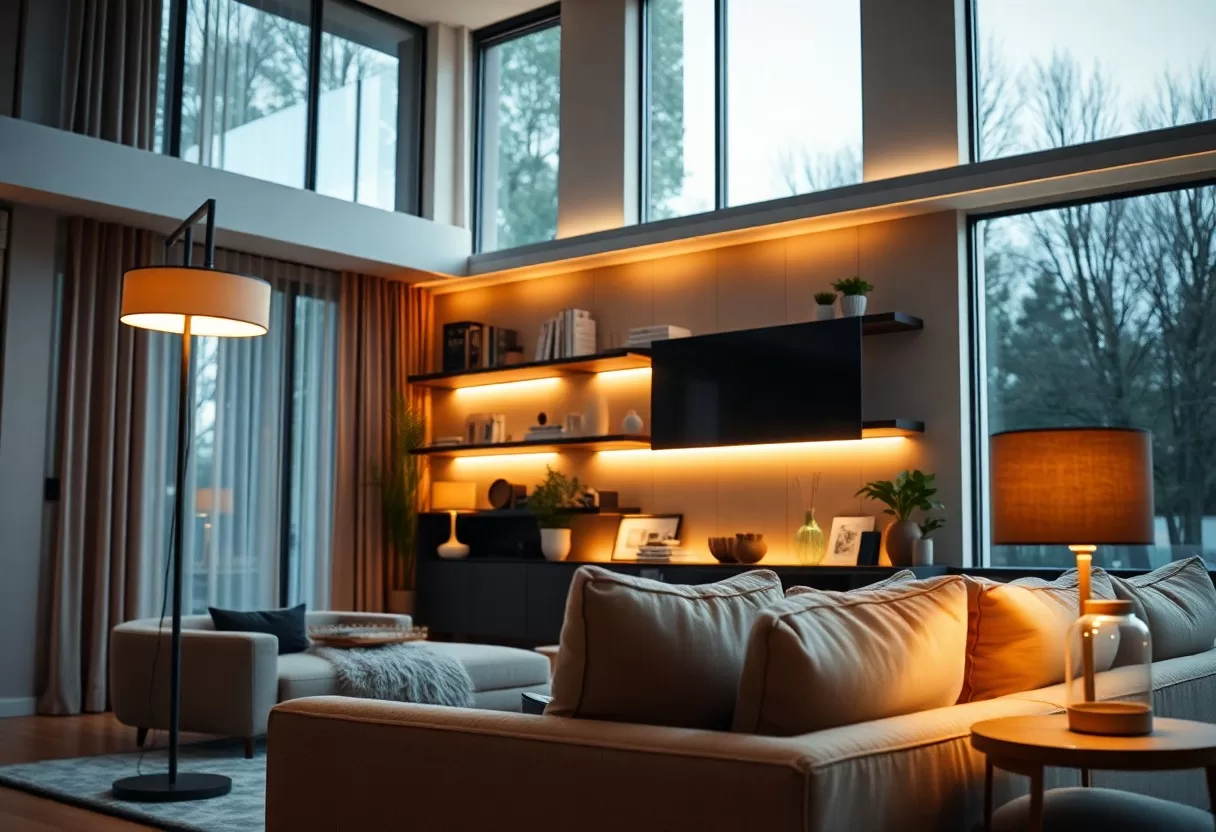
There’s an undeniable impact that effective lighting can have on your space, transforming the atmosphere and enhancing your home’s aesthetics. By understanding different lighting types and how to strategically position them, you can elevate your room’s functionality and appeal. This guide will help you identify your preferred ambiance, select the right fixtures, and achieve a harmonious balance, ensuring that your lighting choices not only serve a practical purpose but also reflect your personal style.
Key Takeaways:
- Consider the room’s function and select lighting that enhances its purpose.
- Layer different types of lighting, such as ambient, task, and accent, for a balanced effect.
- Choose fixtures that complement the room’s decor and add visual interest.
Understanding the Importance of Lighting
Lighting not only illuminates your space but also shapes its character and functionality. It plays a significant role in enhancing aesthetics, affecting how colors appear, and highlighting architectural features. By strategically employing light, you can create visual interest, influence spatial perception, and even enhance productivity, making lighting a vital consideration in your design choices.
How Lighting Affects Mood and Space
The right lighting can evoke specific emotions and set the tone in your room. Warm lights promote a cozy atmosphere, ideal for relaxation in living areas, while bright, cool lights can energize a workspace. Understanding this allows you to tailor your lighting to enhance both mood and functionality, creating an environment that resonates personally with you.
Factors to Consider When Choosing Lighting
When dicking out lighting, several factors come into play to ensure you achieve the desired effect. Consider the size of your room, the ceiling height, and the color scheme. Each element will influence the type of lighting fixtures that best suit your space and style. After evaluating these criteria, you can make informed decisions.
- Size of the room
- Ceiling height for fixture selection
- Color scheme to enhance aesthetics
- Functionality for different spaces
- Style to match your decor
Before purchasing, it’s vital to assess how different lighting types can serve specific purposes. For instance, ambient lighting provides overall illumination, while accent lighting highlights artistic elements. You should also consider the energy efficiency of your choices, as well as the color temperature of bulbs. After making these considerations, your lighting selections will better reflect your needs and style.
- Ambient lighting for overall illumination
- Accent lighting to highlight features
- Energy efficiency to manage costs
- Color temperature to set the room’s mood
- Fixture style for personal taste
Types of Lighting Options
Choosing the right lighting involves understanding the various lighting options available. Each type serves a unique purpose, influencing the mood and functionality of your space. Below is a breakdown of key lighting categories:
| Ambient Lighting | Provides overall illumination, creating a welcoming atmosphere. |
| Task Lighting | Focused light for specific activities such as reading or cooking. |
| Accent Lighting | Highlights architectural features or artwork. |
| Natural Lighting | Uses sunlight to enhance a room’s brightness. |
| Smart Lighting | Controlled via apps for personalized ambiance. |
Perceiving the distinct roles of these types can significantly enhance your illumination strategy.
Ambient Lighting
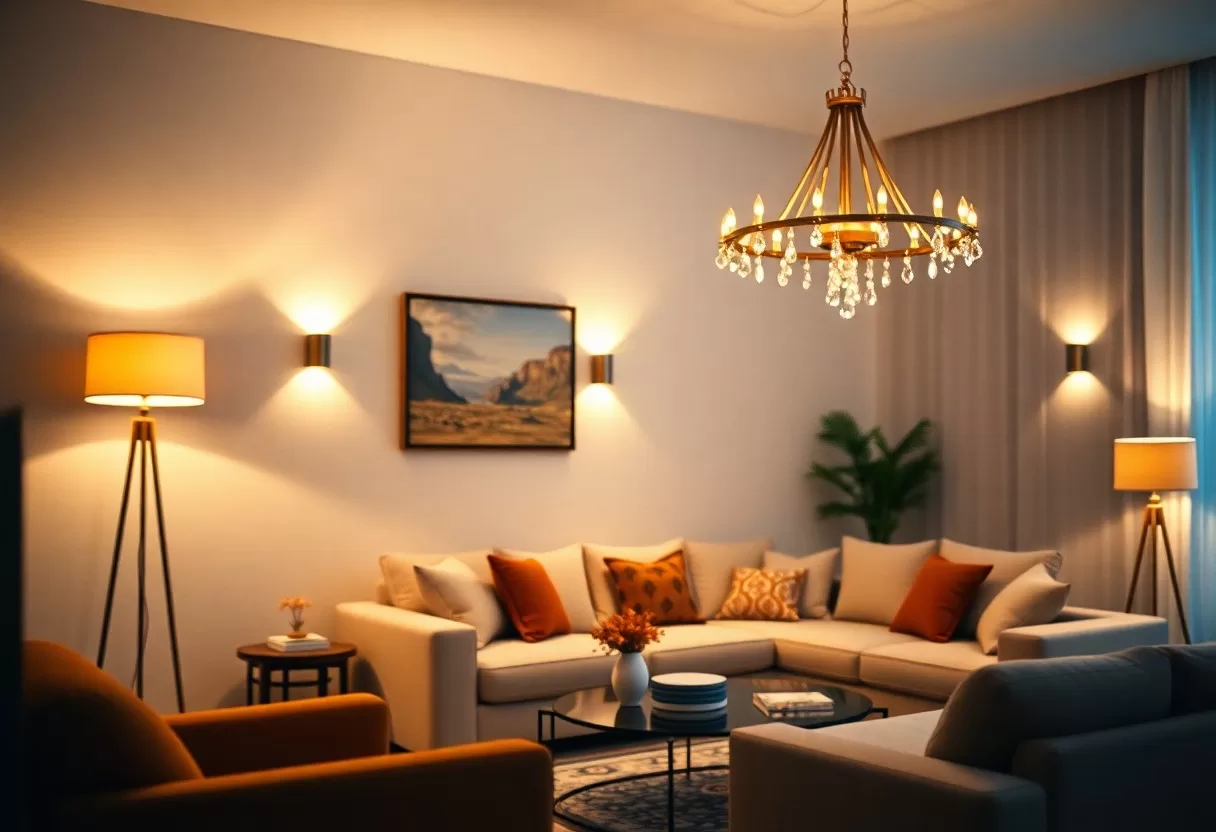
Ambient lighting serves as the foundation of illumination in any room, offering a soft, diffused glow that creates a harmonious atmosphere. Often provided by overhead fixtures or wall sconces, it ensures that the space feels cozy without overwhelming brightness. Ideal products include chandeliers, ceiling lights, and some types of floor lamps.
Task Lighting
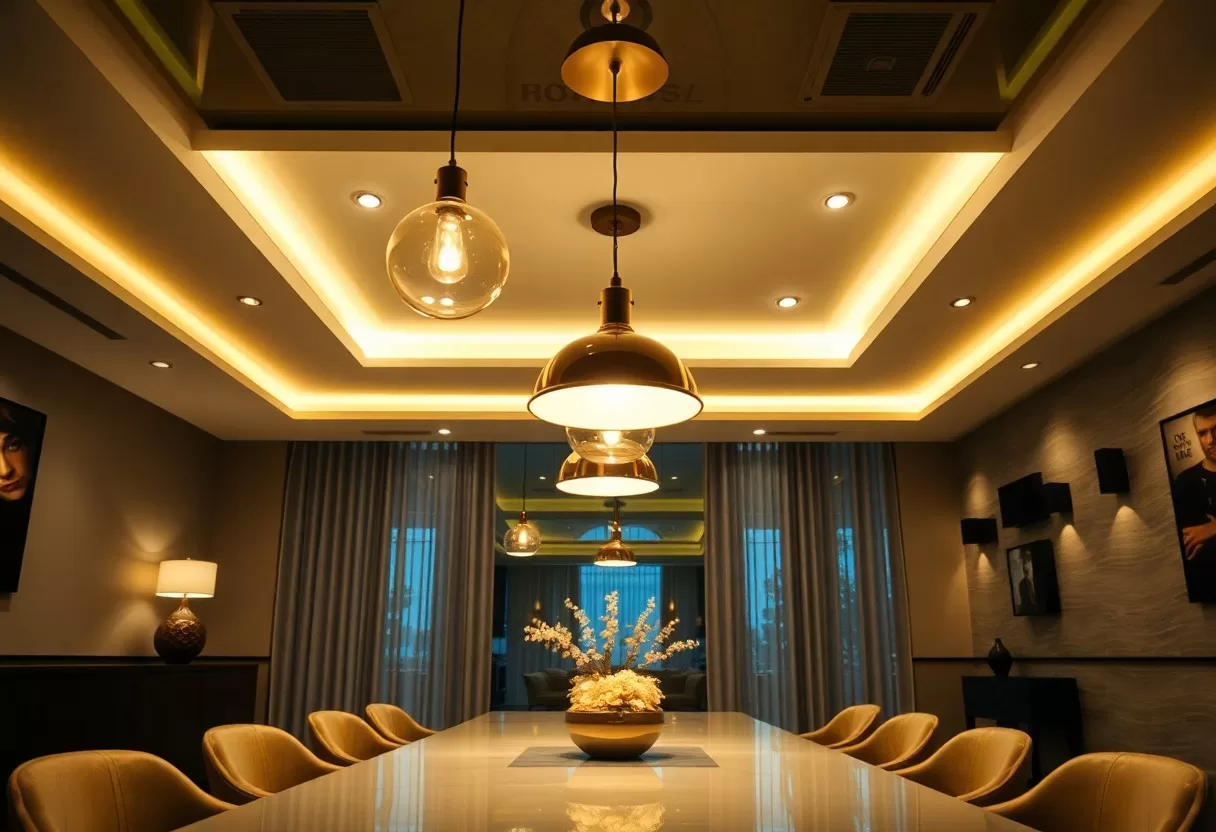
Task lighting is necessary for specific activities, providing concentrated illumination exactly where you need it. Think of table lamps for reading, pendant lights over kitchen islands, and under-cabinet lights that offer clarity while you cook. This targeted lighting is vital in enhancing functionality and reducing eye strain during detailed tasks.
Effective task lighting can dramatically improve your efficiency in everyday activities. For instance, installing adjustable lamps allows you to direct light exactly where it’s needed, while brighter LED fixtures can make precision tasks like sewing or crafting more manageable. By carefully selecting task lighting, you create a productive environment that caters specifically to your personal needs, ensuring you stay focused and engaged.
How to Evaluate Your Space
To effectively choose the right lighting, you must first evaluate your space, focusing on its size, function, and unique features. This assessment allows you to identify the most suitable lighting solutions that complement your room’s aesthetic while fulfilling your practical needs. Take time to analyze how different types of lighting can enhance the ambiance and functionality of your space.
Assessing Room Size and Function
Your room’s size significantly influences the type and amount of lighting you need. In smaller areas, overhead lights paired with wall sconces can create a cozy atmosphere without overwhelming the space. Conversely, larger rooms often require multiple light sources, such as floor lamps and table lamps, to ensure even illumination while accentuating specific areas.
Identifying Architectural Features
Architectural features such as beams, niches, and alcoves can serve as focal points when selecting lighting. Highlighting these features with directed light not only enhances their appeal but also adds depth and character to your room. Consider using track lighting or wall washers to draw attention to your space’s unique elements, creating a sophisticated and tailored look.
Assessing these architectural features lets you enhance the overall design and functionality of your room. For instance, if your space has high ceilings, consider installing pendant lights or chandeliers to draw the eye upwards, creating a feeling of airiness. Alternatively, if there are cozy nooks, soft fixtures focused on those areas can make them inviting. Integrating light sources with these elements ensures your lighting is not just practical but also enhances the visual narrative of your space.
Tips for Selecting Light Fixtures
Choosing the right light fixtures can greatly enhance the overall vibe of your space. Consider these tips for making informed selections:
- Identify the room’s style to ensure fixtures match.
- Select a size that complements your furniture and space.
- Evaluate the functionality of the light source and its intensity.
- Explore materials that enhance aesthetics and durability.
Any choice you make should seamlessly integrate into your environment and elevate its design.
Style and Aesthetics
Your light fixtures should reflect your personal taste and the room’s overall aesthetic. Classic designs may fit traditional spaces while sleek, modern fixtures suit contemporary settings. Mixing styles can also work well—pairing vintage lamps with modern decor can create a unique focal point. Pay attention to colors and textures to ensure that each piece complements your room’s palette.
Energy Efficiency Considerations
Incorporating energy-efficient lighting is vital for both your bills and the environment. Look for LED alternatives that consume less electricity than traditional bulbs while providing the same brightness. Consider fixtures equipped with dimmers or smart controls, allowing you to adjust light levels based on the time of day or activity, further optimizing energy use.
Energy-efficient lighting not only reduces your carbon footprint but also saves you money. For example, switching to LED bulbs can cut your lighting energy consumption by up to 75% compared to incandescent bulbs. Additionally, ENERGY STAR-rated products meet stringent efficiency guidelines, ensuring significantly lower energy costs over time. Investing in energy-efficient fixtures is a sustainable choice that pays off in both economic and environmental benefits.
Layering Your Lighting
To elevate your space, focus on layering your lighting. This technique involves combining ambient, task, and accent lighting, allowing you to create flexibility in mood and functionality. By integrating various types, you can illuminate your room effectively and add visual interest through diverse light sources.
Combining Different Lighting Types
Using different lighting types in deliberate combinations leads to a more dynamic atmosphere. Ambient lighting provides the general glow, while task lighting focuses on specific activities. Accent lighting highlights particular features, enhancing depth and drama. For optimal impact:
- Ambient lighting: Soft overhead fixtures.
- Task lighting: Bright reading lamps.
- Accent lighting: Wall sconces and spotlights.
- Adjustability: Use dimmers for flexibility.
- Balance: Distribute light evenly throughout.
Thou can achieve an inviting ambiance that suits any occasion.
Creating Depth and Warmth
Integrating layered lighting fosters an environment with enhanced depth and warmth. By utilizing varying light intensities and colors, you create contrast and dimension within your space. Incorporate warm LED bulbs and strategically position lighting to cast gentle shadows, making your room feel cozy and inviting.
The interplay of light and shadow can transform a flat, lifeless area into one that feels rich and engaging. For instance, when placing a floor lamp beside a plush chair, you not only provide adequate illumination for reading but also define the space, adding a sense of intimacy. Warm tones in your lighting can evoke a sense of comfort—think soft yellows and oranges—allowing you and your guests to feel completely relaxed and at home. Balancing these layers effectively will always lead to a visually appealing and emotionally comforting environment.
Practical Tips for Implementation
Implementing effective lighting involves thoughtful planning and consideration. Focus on your room’s purpose, layering different types of lighting, and utilizing dimmers for flexibility. Determine your lighting fixtures based on style and functionality, while also considering energy-efficient options. Place your lights to enhance focal points and avoid harsh shadows or glare. Knowing these strategies will help you create a harmonious atmosphere.
Placement Strategies
Strategic placement of lighting fixtures can dramatically enhance your space. Consider using overhead lights for general illumination, table lamps for task lighting, and for accentuating architectural features. Ensure that light sources are at appropriate heights to minimize glare and maximize effectiveness. Experiment with positioning to find the optimal arrangement for your room.
Adjusting Brightness and Color Temperature
To achieve the right ambiance, adjusting brightness and color temperature is necessary. Utilize dimmers to control how bright your space feels and create a comfortable environment for various activities. Consider the color temperature of your bulbs: warmer tones (2700K-3000K) offer a cozy feel, while cooler tones (4000K-5000K) enhance focus. This allows you to tailor your lighting to fit any mood or occasion.
Importance of Brightness and Color Temperature
| Aspect | Benefits |
|---|---|
| Brightness Control | Enhances flexibility for different tasks and moods. |
| Color Temperature | Affects mood and productivity; choose wisely based on activity. |
Understanding how brightness and color temperature influence your space is necessary. For example, bright white lighting can boost concentration in workspaces, while softer, warm tones promote relaxation in living areas. Using a combination of bulbs can allow you to adjust the atmosphere based on time of day or activity, leading to a more versatile and inviting environment.
More on Brightness and Color Temperature
| Lighting Type | Recommended Color Temperature |
|---|---|
| Living Room | 2700K-3000K |
| Kitchen | 3500K-4000K |
| Office | 4000K-5000K |
Conclusion
On the whole, selecting the right lighting can dramatically enhance your space and reflect your personal style. You should consider the mood, functionality, and design of each room when choosing your fixtures. Incorporate various types of lighting, such as ambient, task, and accent, to create depth and interest. For more insights, check out 5 Things You Should Light That Make Your Home Look … to elevate your home lighting strategy effectively.
FAQ
Q: What factors should I consider when selecting lighting for a room?
A: Consider the room’s purpose, size, and natural light availability. Assess the mood you want to create—warm lighting for coziness or bright lighting for functionality. Also, think about the style of fixtures that complement your decor.
Q: How can I use different types of lighting to enhance a space?
A: Utilize ambient lighting for general illumination, task lighting for specific activities, and accent lighting to highlight features or decor. Combining these types effectively can add depth and transform the atmosphere of the room.
Q: What role do light bulbs play in achieving the desired effect?
A: Light bulbs significantly influence the overall ambiance. Choose bulbs with the right color temperature—soft white for warmth, daylight for clarity, and colored bulbs for creativity. Pay attention to brightness levels to ensure they suit the intended purpose and mood of the room.