
How to Choose Houseplants That Actually Survive Indoors
This guide will help you select houseplants that can thrive in your home environment. By considering factors like light availability, humidity levels, and maintenance requirements, you can choose plants that suit your lifestyle. Opt for hardier species if you’re new to plant care, and always assess your space to ensure your plants can flourish. With the right choices, you can enjoy the benefits of greenery without frustration, creating a vibrant and inviting atmosphere in your indoor space.
Key Takeaways:
- Assess light conditions in your home to match with plants’ light requirements.
- Choose low-maintenance plants that are suitable for your experience level and lifestyle.
- Consider humidity and temperature preferences of plants to ensure a suitable environment.
Assessing Your Indoor Environment
Before selecting houseplants, you must evaluate your indoor environment. Factors like light, humidity, and temperature significantly influence plant health. Each plant species has specific needs, so understanding your home’s conditions is key to fostering a thriving indoor garden. Take a close look at where you plan to place your plants and note the prevailing conditions, which will guide you in choosing plants that are most compatible with your living space.
Understanding Light Conditions
Light conditions vary greatly in indoor spaces. Identify whether your area receives direct, indirect, or low light. For instance, succulents thrive in direct sunlight, while ferns prefer lower light settings. Use windowsills or grow lights strategically to provide the right amount of light for your chosen plants.
Evaluating Humidity Levels
Your home’s humidity levels impact plant growth. Most indoor environments have a humidity range of 30% to 50%, which can affect plant transpiration and overall health. Some plants, like peace lilies, flourish in higher humidity, while others, like snake plants, tolerate drier air. Use a hygrometer to measure your levels and adjust as necessary, especially in winter when heating systems can dry the air.
Maintaining appropriate humidity is particularly important for tropical plants that naturally thrive in humid environments. To increase humidity, consider using a humidifier, grouping plants together, or placing a tray of water with pebbles near your plants. Regular misting can also help, but ensure that you’re not over-saturating the leaves, as this can lead to mold or fungal issues. Understanding and managing these factors is vital to determine which plants will flourish in your unique space.
Selecting the Right Houseplants
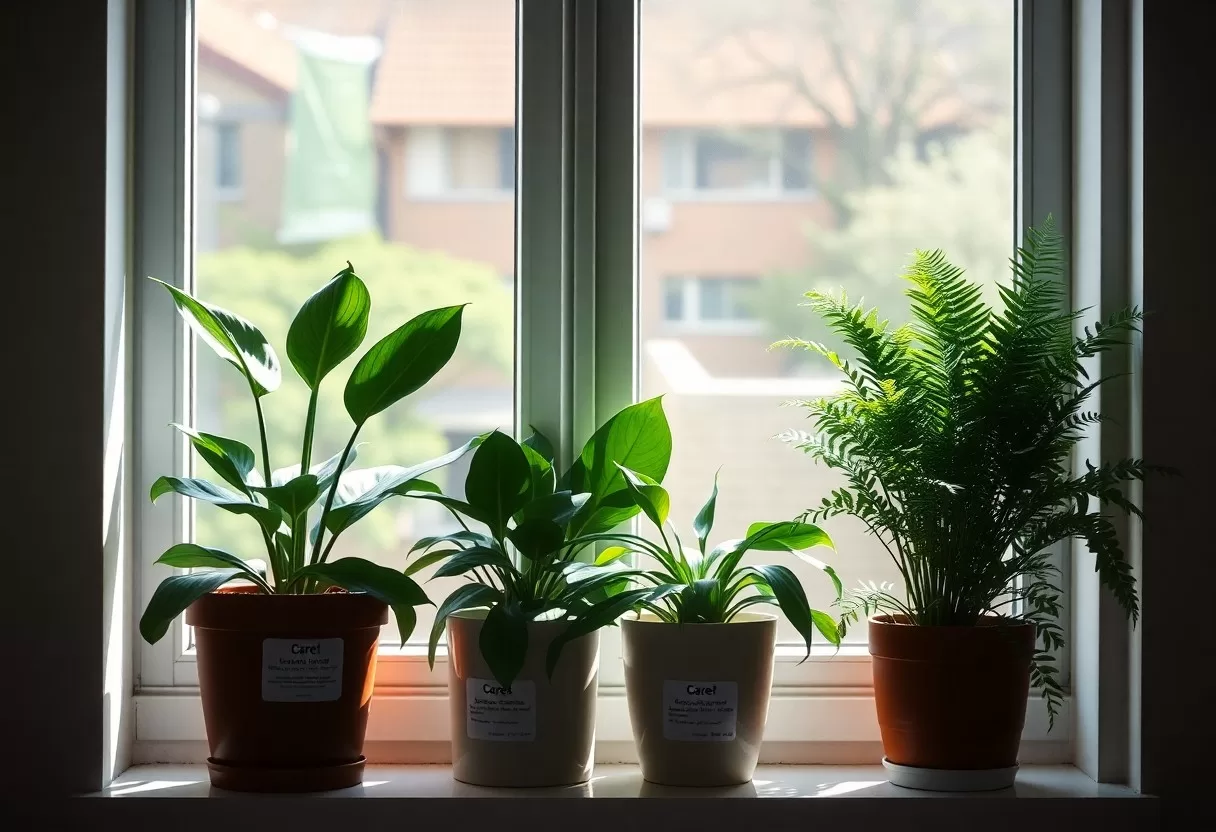
Choosing the right houseplants involves understanding your home’s unique conditions. Factors such as light levels, humidity, and temperature play a significant role in plant selection. You should evaluate the specific environments within your space, including windows, corners, and the overall climate, to ensure your plants will thrive.
Low-Light vs. Bright-Light Plants
Low-light plants, like snake plants and ZZ plants, adapt well to dimly lit areas, making them ideal for rooms with minimal sunlight. In contrast, bright-light plants, such as succulents and bird of paradise, require direct sunlight to flourish. Understanding the light levels in your home will guide you in choosing plants that will survive and thrive.
Drought-Tolerant vs. Moisture-Loving Species
Drought-tolerant plants, such as aloe vera and cacti, thrive with minimal water, making them perfect for forgetful gardeners. In contrast, moisture-loving species like peace lilies and ferns need consistently wet soil to maintain their health. Knowing your watering habits and how often you can tend to your plants will help you select the right types.
For instance, drought-tolerant species generally possess adaptations like thicker leaves and deeper roots that allow them to store water, providing resilience during dry spells. If you travel frequently or have a busy lifestyle, consider these varieties. On the other hand, moisture-loving plants not only require regular watering but thrive in higher humidity, making them suitable for bathrooms or kitchens. Assess your watering routine and consider automatic watering systems if you prefer moisture-loving plants. Each choice influences both the health of your greenery and your involvement in plant care.
Understanding Maintenance Requirements
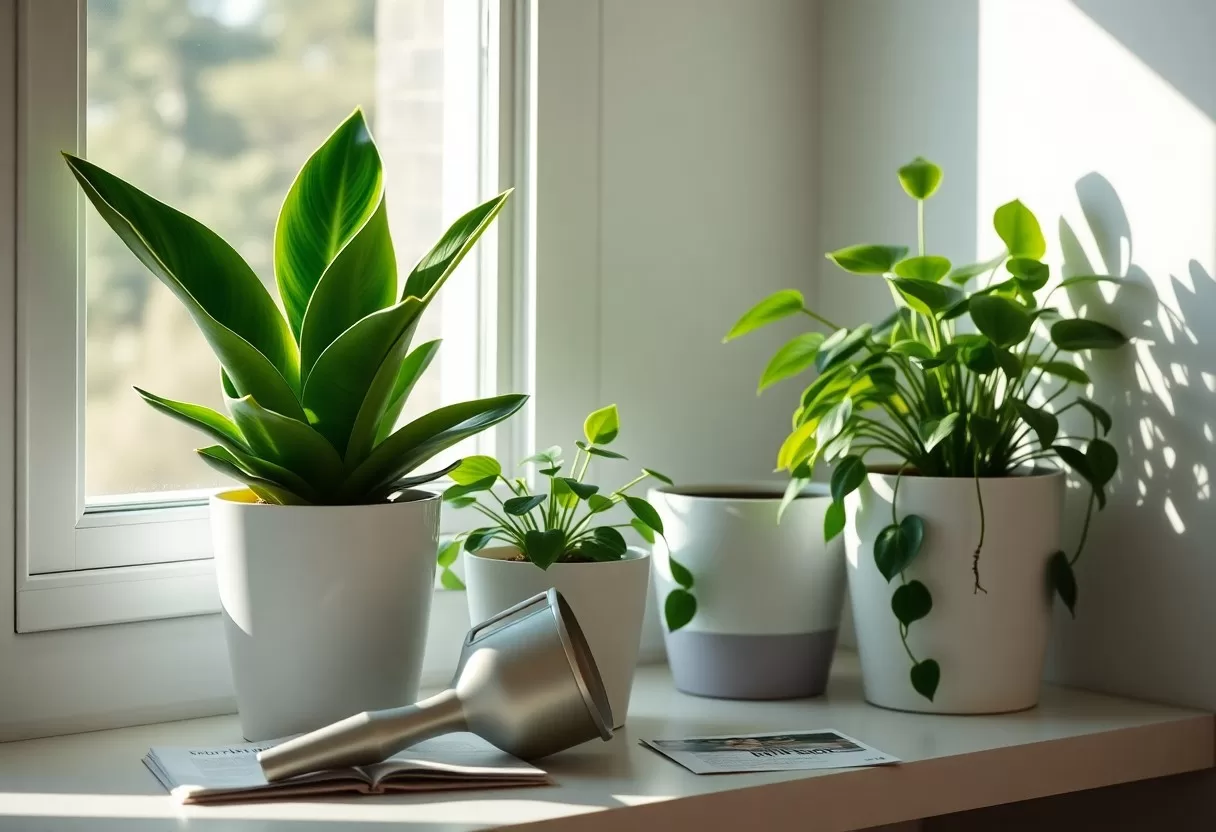
Choosing houseplants not only involves selecting the right types for your space but also understanding their maintenance requirements. Each plant species has distinct needs for water, light, and nutrients, which directly affect its health and longevity. Familiarizing yourself with these requirements helps ensure that your plants thrive rather than just survive, ultimately enhancing your indoor environment.
Watering Needs
Watering needs vary significantly among houseplants; while some thrive in consistently moist soil, others require a period of dryness between waterings. Overwatering is a common mistake that can lead to root rot, while underwatering can cause wilting. Pay close attention to the specific needs of your plants, regularly checking the soil moisture before deciding to water.
Soil and Fertilization
The right soil and fertilization plan is imperative for plant health. Houseplants typically require a well-draining potting mix, as poor drainage can suffocate roots. Optimal soil blends often consist of a mix of organic matter, perlite, and peat moss. Regarding fertilization, use a balanced fertilizer every month during the growing season, adjusting concentrations based on the specific needs of your plants for best results.
For example, succulents and cacti thrive in soil that allows for quick drainage, whereas tropical plants like ferns prefer a moisture-retaining mix. You can enhance soil quality by incorporating compost that provides organic nutrients. Always select fertilizers based on your plant type; some prefer high nitrogen during growth, while others may do better with nutrients higher in phosphorus for flowering. Observing your plants will often reveal their needs over time, guiding your fertilization strategy.
Choosing the Right Size and Placement
Your choice of plant size and placement is imperative for long-term success. Large plants can become overwhelming in small spaces, while tiny plants may get lost in expansive areas. Consider the scale of your room and select plants that complement your furnishings and décor. Additionally, be mindful of light levels in each area; choose plants that thrive in the conditions you can provide, whether it be bright, indirect light or low-light environments.
Scale and Space Considerations
When dicking out houseplants, assess the overall dimensions of your space. A large floor plant can become a stunning focal point in a spacious living room, while small potted plants are perfect for shelves, desks, or window sills. A general rule is to select plants that are roughly one-third the height of your room to maintain balance.
Safety and Accessibility
Your plant selection should also take into account safety and accessibility. Ensure that plants are placed out of reach of children and pets to avoid accidental ingestion of toxic varieties. Additionally, consider your own access for watering and maintenance; plants that are difficult to reach may suffer from neglect.
Evaluate your plant locations for safety, especially if you have pets or young children in your household. Some common houseplants, like philodendrons and pothos, can be toxic if ingested, making placement a key factor in avoiding any health risks. Choose secure spots that are out of reach, or consider non-toxic alternatives like spider plants or Boston ferns that can bring greenery without the worry. Furthermore, ensure that your plants are easily accessible for care; regular watering and pruning should feel convenient, not like a chore, to maintain their health and longevity.
Tips for Plant Health and Longevity
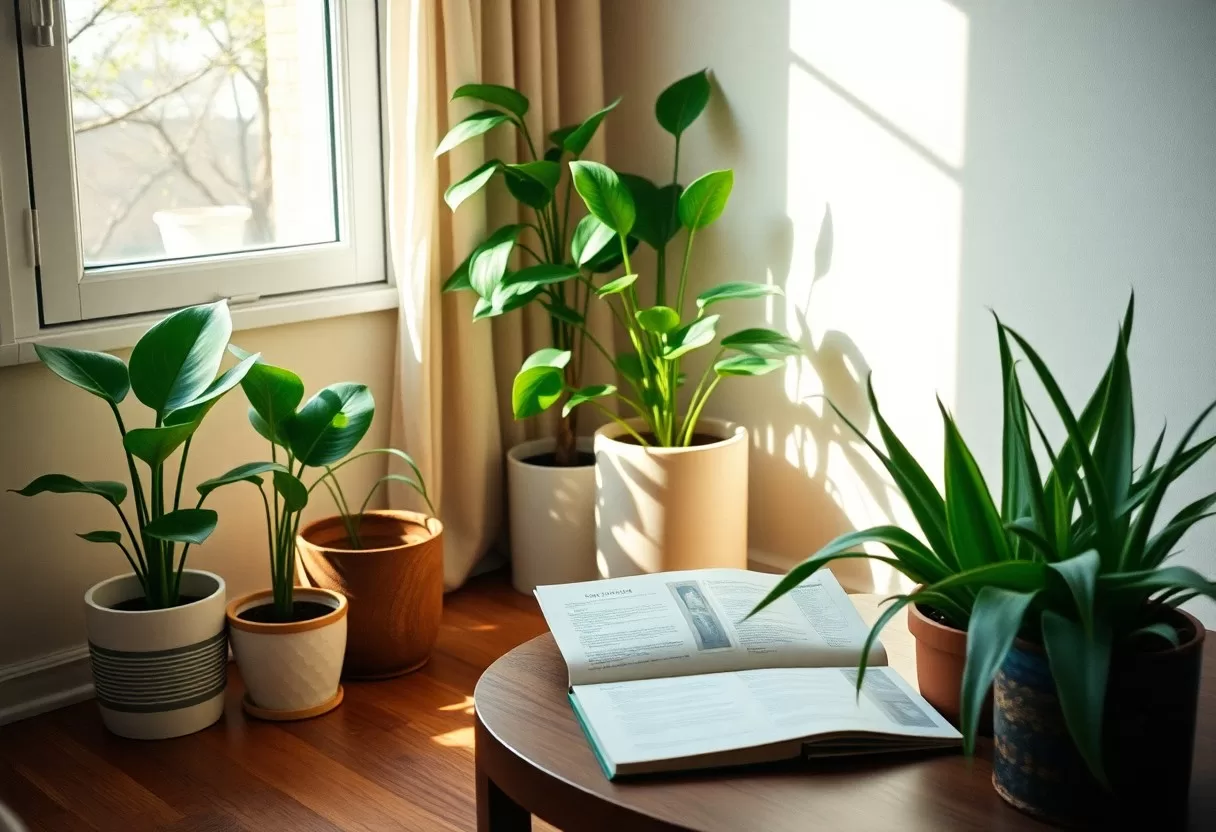
To ensure your houseplants thrive over time, focus on proper care and attention. Key factors include light requirements, water needs, and nutrition. Regularly inspect for pests and diseases, and be proactive in managing your plant’s environment. Maintain an appropriate humidity level and avoid overcrowding plants to promote air circulation. Knowing the specific needs of each plant will greatly enhance its longevity.
Regular Maintenance Routines
Establishing a regular maintenance routine is important for the health of your houseplants. This includes scheduled watering based on the plant’s needs, monthly fertilization during growing seasons, and periodic repotting to provide fresh soil. Additionally, clean the leaves to remove dust and improve photosynthesis. Setting reminders can help you stay consistent with these tasks.
Troubleshooting Common Issues
Identifying and addressing common plant issues can save your houseplants from decline. Look out for yellowing leaves, which may indicate overwatering, or wilting, a sign of underwatering. If leaves drop unexpectedly, check your plant’s environment for temperature fluctuations or drafts. Adjust your care routine based on these indicators.
For instance, if you notice that your plant’s leaves are turning yellow, assess the soil moisture immediately. Use the finger test—insert your finger into the soil; if it’s dry several inches down, your plant likely needs water. Conversely, if the top layer appears consistently wet, reduce your watering frequency. Addressing pests such as spider mites or aphids calls for immediate action; consider using insecticidal soap to treat infested areas. Understanding and swiftly addressing these common problems can significantly enhance your plant’s health and resilience.
Incorporating Houseplants into Your Decor
Incorporating houseplants into your decor can dramatically enhance your space, adding both beauty and life. Consider the style of your home, opting for plants that complement your color scheme and furniture. For instance, a vibrant green monstera can become a stunning focal point in a minimalist room, while dainty succulents can bring charm to rustic decor. Balance and harmony in your arrangements will create a cohesive aesthetic, making your home feel inviting and vibrant.
Aesthetic Considerations
When dicking out plants for aesthetic purposes, consider their texture, color, and shape. Leaf characteristics play a significant role; glossy leaves can add elegance, while matte textures tend to soften a room’s look. Choose plants that either contrast or complement existing decor elements for maximum impact. For example, pairing tall, spiky plants alongside a low, round coffee table can create visual interest.
Pairing Plants with Home Design
Successfully pairing plants with your home design involves understanding both the plants’ characteristics and your interior’s style. For modern spaces, opt for sleek, sculptural plants like snake plants or ZZ plants that align with minimalist design. In contrast, eclectic rooms benefit from a mix of textures and colors, making colorful flowering plants a dynamic choice. Pay attention to your room’s natural light, as it can guide your selection process, ensuring that your plants not only look great but survive well in their designated spots.
To optimize your plant choices, analyze the style of each room. In a beach-themed setting, go for airy succulents or draping philodendrons to evoke a relaxed ambiance. For more traditional spaces, select classic favorites like peace lilies for their elegant blossoms. Mixing pots and planters to match furniture finishes can also enhance overall decor. As a general rule, use plants that share similar care needs together, making maintenance easier while creating a harmonious look throughout your home.
Conclusion
Hence, choosing houseplants that thrive indoors involves understanding your environment and matching it with suitable species. Consider factors such as light, humidity, and your ability to care for them. Selecting plants that are well-suited for your conditions will significantly increase your chances of success. For inspiration, explore 15 Common Houseplants Perfect for Your Home to find options that fit your lifestyle and space.
FAQ
Q: What factors should I consider when choosing houseplants for my indoor space?
A: Evaluate the amount of natural light in your home, humidity levels, and temperature stability. Consider the size of the space and your ability to maintain consistent watering and care routines.
Q: Which houseplants are best for low-light conditions?
A: Snake plants, pothos, and ZZ plants thrive in low-light environments. These plants are resilient and require less frequent watering, making them ideal for indoor settings with limited sunlight.
Q: How do I ensure my houseplants remain healthy and vibrant indoors?
A: Provide appropriate watering based on each plant’s needs, use well-draining soil, and fertilize during the growing season. Regularly check for pests and adjust placement to optimize light exposure.