
Starting a Butterfly Garden – A Guide for Beginners
A butterfly garden needs more than pretty flowers. Butterflies need sun, shelter, nectar plants for adults and host plants for caterpillars. Here is how to choose the right location, select plants and maintain a healthy, pesticide-free space that butterflies return to every year.
Table of Contents
Key Takeaways:
- Choose native plants that feed and shelter your local butterfly species.
- Plant flowers that bloom at different times so nectar is available all season.
- Include host plants for caterpillars, since each species needs specific ones to complete its life cycle.
- Offer water, such as a shallow dish with stones or a damp sandy patch.
- Skip pesticides and chemicals that harm butterflies and other helpful insects.
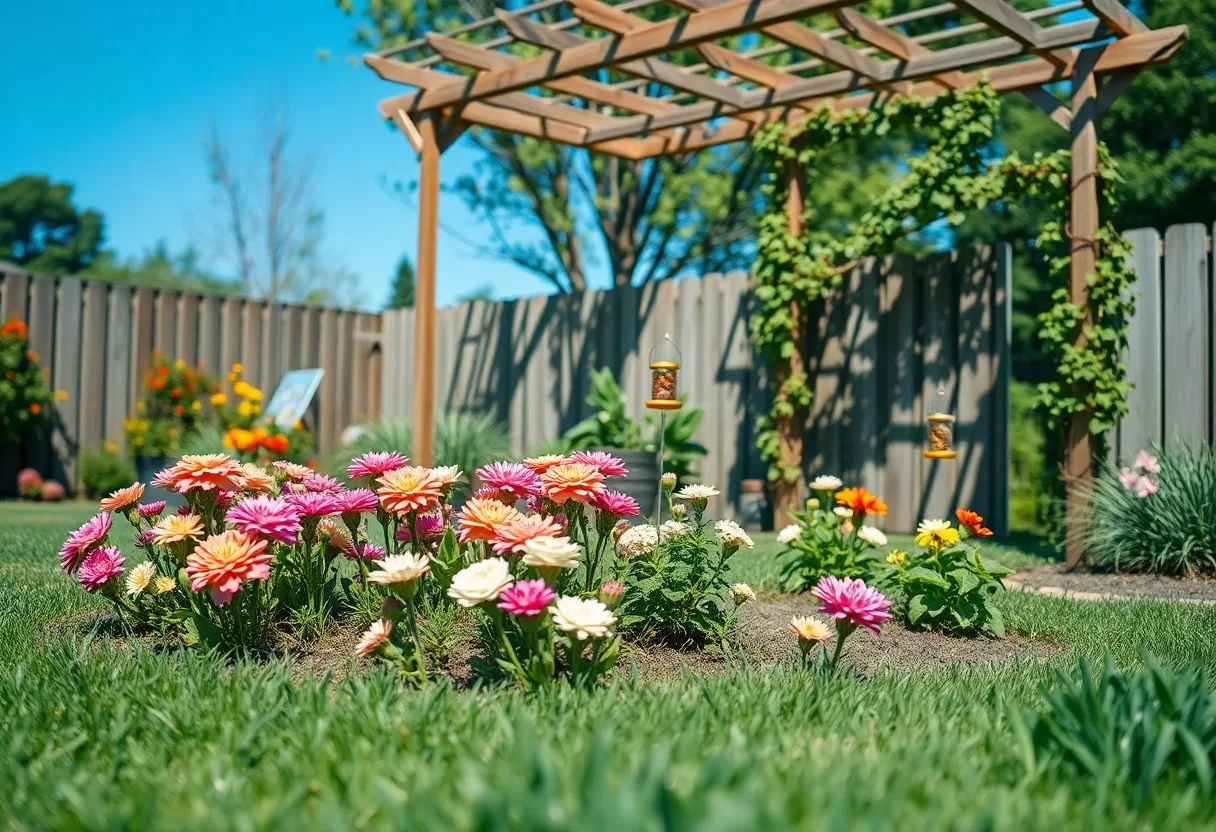
Selecting the Perfect Location for Your Garden
Location matters more than almost anything else when you set up a butterfly garden. Look for a spot that gets plenty of sun but has some protection, such as a fence, hedge or row of shrubs on the windy side. Butterflies struggle to fly and feed in strong wind, so a sheltered pocket of sunshine is ideal. Pick a place you can reach easily with a hose and can see from a window, so you actually get to enjoy the visitors.
Analyzing Sunlight and Shade Patterns
Butterflies are cold-blooded and need warmth to fly, so they gravitate to sunny spots. Choose a site with at least six hours of direct sun a day; most nectar flowers bloom best with that much light too. Watch how sun and shade move across your yard over a day, or jot down notes in the morning, at noon and in late afternoon. Flat stones placed in full sun give butterflies a place to bask on cool mornings.
Considerations for Proximity to Water Sources
Keeping your butterfly garden close to a water source makes it more appealing. Butterflies need moisture, especially on hot days, but they cannot drink from deep water the way birds do. Instead, they sip from wet soil and shallow puddles, a behavior called puddling, which also gives them minerals. If you have a pond or stream nearby, the damp edges already help, and they support other helpful insects as well.
Adding water does not need to be complicated. A shallow dish or saucer filled with pebbles, sand and a little water works well, because butterflies can land on the stones and sip safely. Set it in a sunny spot near your flowers so food and water are close together. Top it up often and replace the water every few days, which keeps it fresh and stops mosquitoes from breeding in it. A pinch of compost mixed into the sand adds the minerals butterflies look for.
Designing a Butterfly-Friendly Landscape
Designing a landscape for butterflies takes a little planning. Sketch your space first and mark the sunny areas where butterflies can bask and the sheltered spots where they can wait out wind and rain. Plant flowers in large clumps of one color rather than single plants dotted around, since butterflies spot big patches more easily. Add flat stones or low perches for resting, and keep a mix of plant types so you can support more species.
Choosing Native Plants and Their Importance
Choosing native plants is one of the best decisions you can make for your butterfly garden. Local butterflies evolved alongside these plants, so they recognize them as food and as places to lay eggs. Natives are also adapted to your climate and soil, which means less watering and fussing once they are established. Your local extension office or native plant society can give you a list suited to your area.
Creating Shelter and Nectar Sources
A butterfly garden needs both nectar sources and shelter. Nectar-rich flowers such as coneflowers and milkweed feed adult butterflies, while dense shrubs and ornamental grasses protect them from predators, wind and rain. Butterflies favor flat or clustered blooms they can stand on while feeding, like asters, zinnias and black-eyed Susans. Brush piles, rock piles or a patch of fallen leaves left in a corner give butterflies and their pupae places to hide and overwinter. Combine food and cover, and butterflies can find what they need at every stage of life.
The Role of Host Plants in Butterfly Lifecycle
Host plants are the plants caterpillars eat, and without them butterflies will visit but not breed. Each species relies on specific host plants for the nutrients it needs to grow and change into an adult. If those plants are missing, caterpillars cannot survive and local butterfly numbers stay low. Add the right host plants and you support the whole life cycle, from egg to caterpillar to chrysalis to adult. Expect some chewed leaves; that is a sign your garden is working.
Identifying Essential Host Plants for Local Butterflies
Start by finding out which butterfly species live in your area and which host plants they need. For example, monarch butterflies depend on milkweed, while black swallowtails often use plants like fennel and dill. Your local extension service, a native plant nursery or a nearby butterfly house can tell you which host plants grow well in your region, so you plant what local butterflies actually use.
Planting Strategies to Encourage Caterpillar Growth
A few planting strategies help caterpillars thrive. Group host plants together so female butterflies find them easily and caterpillars have enough to eat in one place. Plant extra, since caterpillars can strip a plant bare, and a couple of milkweed or dill plants rarely feed a whole brood. Stagger planting times so there is fresh foliage through the growing season. Low shrubs and grasses nearby shield caterpillars from birds and bad weather and give them a safe place to form a chrysalis.
Stick with plants native to your region, because they are more likely to thrive and draw local species to your butterfly garden. Mix plant heights and types to create varied habitat for different species and growth stages. Avoid pesticides entirely, including organic sprays like Bt, which is designed to kill caterpillars. Instead, rely on natural pest control that keeps the whole system in balance.

Maintaining a Healthy Ecosystem
A thriving butterfly garden is more than a bed of pretty flowers. It is a small ecosystem where butterflies and other helpful insects can live and breed. Walk through it every week or so and look for wilting plants, disease or pest outbreaks, so you catch problems early. A layer of mulch holds moisture, homemade compost feeds the soil, and a water source helps all pollinators and wildlife. Keep your touch light and the garden will stay healthy and full of life.
Understanding Pest Management Without Chemicals
Natural pest control is a must in a butterfly-friendly garden. Beneficial insects such as ladybugs and lacewings eat aphids and other pests, so you rarely need chemicals at all. Companion planting can help too; many gardeners grow marigolds or garlic near vulnerable plants to discourage pests. For small problems, hand-pick pests or knock aphids off with a strong spray of water. Check your plants regularly so you can deal with infestations early and organically, and make sure you are not removing caterpillars you want to keep.
Fostering Biodiversity to Attract More Species
More biodiversity in your butterfly garden brings in more butterfly species and makes the garden more resilient. A wide range of native plants keeps something in bloom from spring to fall, giving food and shelter to butterflies at every life stage and to other pollinators. Mix plants of different heights, colors and flowering times to invite more species. Herbs, shrubs and grasses also attract bees, birds and other wildlife, which ties your garden into the wider local ecosystem. A good goal is at least a few plants in bloom in every season.
Plants such as milkweed, coneflowers and bee balm support butterflies while also feeding bees and birds. Because native plants developed alongside local wildlife, they make the garden more resilient. A native flowering shrub, such as buttonbush in eastern North America, paired with clusters of wildflowers creates an inviting spot for many species. Butterfly bush is popular, but it is invasive in some regions and does not feed caterpillars, so check local advice first. Plan for multiple heights and colors to keep the garden attractive and full of life through the growing season and beyond.
Engaging with the Butterfly Community
Connecting with other butterfly gardeners makes the hobby more fun and teaches you a lot. You can swap insights, ask for advice and share sightings with people who care about the same things. Fellow enthusiasts can help you identify new species, point you to conservation efforts and share what works in your local conditions. Local events and online groups are both good places to start, and you will likely make a few friends along the way.
Joining Local Conservation Groups and Networks
Local conservation groups work to protect biodiversity and teach the community about butterflies and their habitats. When you join one, you can attend workshops, volunteer at events and learn practical gardening tips for your area. Many groups also run citizen science programs, such as butterfly counts and monitoring projects, where your observations add to real data. It is an easy way to turn your interest in butterflies into hands-on conservation work.
Sharing Your Garden Journey on Social Media
Documenting your butterfly garden on social media inspires others and connects you with a wider community. Post photos on Instagram or Facebook, share tips and show the species that visit through the season. Hashtags such as #butterflygarden or #butterflywatch help your posts reach other enthusiasts. You will get feedback, swap ideas and may even hear about local butterfly gardening events or plant swaps. Keeping a simple photo log also helps you see which plants draw the most visitors each year.
Companion planting checker
Pick two plants to see if they help each other, compete, or do fine side by side.
To wrap up
Starting a butterfly garden is rewarding and fun, and it makes your yard more lively while supporting local wildlife. Choose the right plants, provide shelter and add a shallow water source, and you create a habitat butterflies will return to. As you watch caterpillars grow and adults visit, you will learn a lot about their life cycles and habits. Enjoy the process, be patient in the first season, and let these beautiful insects bring color and movement to your garden.
FAQ
Q: What is a butterfly garden?
A: A butterfly garden is a specially designed area that provides an inviting habitat for butterflies. It usually contains a variety of nectar-rich flowering plants, host plants for caterpillars, and elements like water sources and shelter. The goal is to attract diverse butterfly species and support their life cycle.
Q: What types of plants should I include in my butterfly garden?
A: A good butterfly garden mixes nectar plants for adults with host plants for caterpillars. Coneflower, zinnia, salvia, asters and butterfly weed are reliable nectar sources. Milkweed is the essential host plant for monarchs, dill, fennel and parsley feed swallowtail caterpillars, and violets host fritillaries. Choose native species where you can, and skip lantana or butterfly bush if they are invasive in your region.
Q: How can I attract butterflies to my garden?
A: Plant a variety of flowers that bloom at different times from spring to fall so there is always nectar available. Choose a sunny spot with some shelter from wind, and add a few flat stones where butterflies can bask. A shallow dish of damp sand or mud gives them a place to sip water and minerals. Avoid pesticides, which harm both butterflies and their caterpillars.
Q: Is there a specific time to start planting a butterfly garden?
A: The best time to start a butterfly garden varies depending on your location, but generally, spring is ideal as temperatures begin to warm up. This timing allows plants to establish roots before the peak butterfly activity in summer. However, you can also plant in early fall in some regions for spring blooms. Always check your local climate for the best planting schedule.
Q: How can I maintain my butterfly garden over time?
A: Water new plants until they are established, mulch to keep moisture in and deadhead flowers to encourage more blooms. Remove diseased plants, but leave some stems and leaf litter over winter, since many butterflies overwinter there as eggs, pupae or adults. Add new nectar and host plants over time, and watch which ones attract the most visitors in your butterfly garden.
Design your butterfly garden layout with the free AI garden and landscape designer.
Related Guides
