
Brutalism Reimagined – Finding Beauty in Concrete Giants
Many urban landscapes are dominated by monolithic structures that embody the essence of Brutalism, often eliciting mixed feelings. This architectural style, characterized by exposed concrete and bold geometric forms, can evoke both admiration and criticism. However, as you explore the intricacies of these concrete giants, you may discover a profound beauty in their raw authenticity and social purpose. By reexamining these formidable buildings, you can appreciate how they challenge conventional aesthetics and inspire modern interpretations in architecture.
The Duality of Brutalism: A Love-Hate Relationship
Brutalism evokes strong emotions, revealing a complex love-hate dynamic. Its stark, raw aesthetic captivates some, while others recoil at its imposing structures. You might admire how these concrete giants challenge conventional beauty, yet feel overwhelmed by their sheer scale and often harsh surroundings. This duality fosters passionate debates about the role of architecture in urban life, illustrating how your perspective shapes the way you interact with these monumental edifices.
Historical Context: The Rise and Fall of Brutalist Architecture
Emerging in the mid-20th century, Brutalism gained prominence in post-war architecture, symbolizing a break from traditional styles. It reflected a desire for functional, cost-effective buildings to address housing shortages. With influential architects like Le Corbusier and Louis Kahn leading the charge, large-scale public institutions and housing complexes flourished. However, by the late 1970s, criticism began to mount as changing tastes and urban decline led to many Brutalist structures facing demolition.
Unpacking the Criticism: Aesthetic Rejection vs. Functional Acknowledgment
Criticism of Brutalism is often polarized, rooted in aesthetic preferences versus functional observations. While many perceive the style as bleak and uninviting, its defenders highlight the practical benefits of its design, such as durability and low maintenance costs. You might recognize that buildings like Boston City Hall, despite their controversial appearance, serve vital roles in urban landscapes. This tension reflects broader societal trends, as cities grapple with the legacy of architectural choices made during a different era.
The aesthetic rejection of Brutalism frequently stems from its departure from organic materials and traditional aesthetics, leading to a perception of coldness and alienation. Despite this, functional acknowledgment reveals how these structures often fulfill significant civic roles, providing shelter and community spaces in an efficient manner. You can see this contradiction play out in examples like the Barbican Centre in London, where harsh concrete meets vibrant cultural activities, demonstrating that the structures, while polarizing, serve a purpose that transcends their exterior appearances.
Finding Beauty in the Monolithic: A New Perspective
You can discover an unexpected beauty in Brutalist architecture by embracing its scale and presence. These concrete giants, often dismissed as cold or oppressive, challenge traditional aesthetic ideals by offering a dominant and powerful presence in your urban environment. Their robustness can evoke feelings of stability and permanence, revealing a striking contrast between their exterior and the life they encapsulate, encouraging you to appreciate the grandeur contained within the seemingly uninviting structures.
The Allure of Textures and Forms: Embracing Imperfection
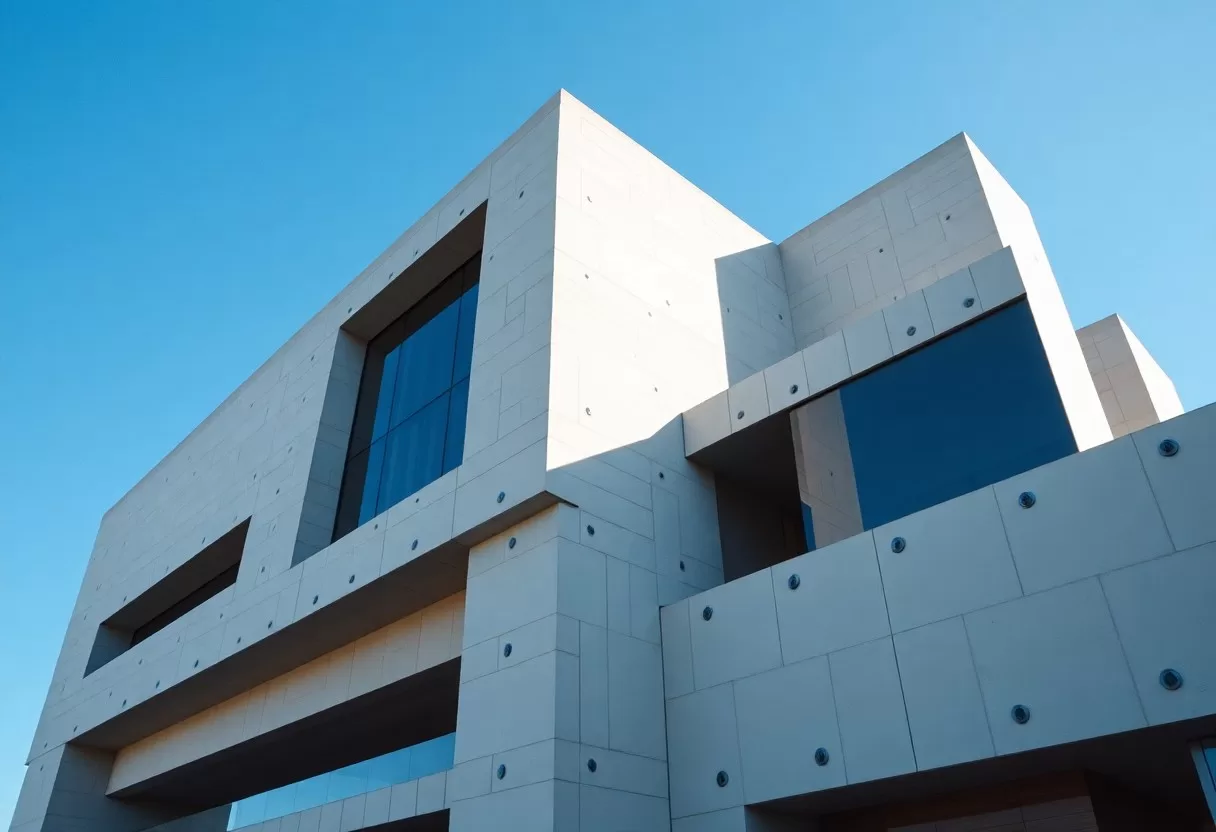
Exploring the tactile qualities of Brutalist buildings uncovers a unique allure that lies in their raw textures and formidable forms. Instead of smooth finishes, you find rough surfaces, bold lines, and intricate details created by the casting process. These imperfections invite you to engage with the structures on a sensory level, allowing you to embrace the beauty of their authenticity and the stories woven into each concrete slab.
Urban Integration: How Brutalist Structures Shape Our Cities
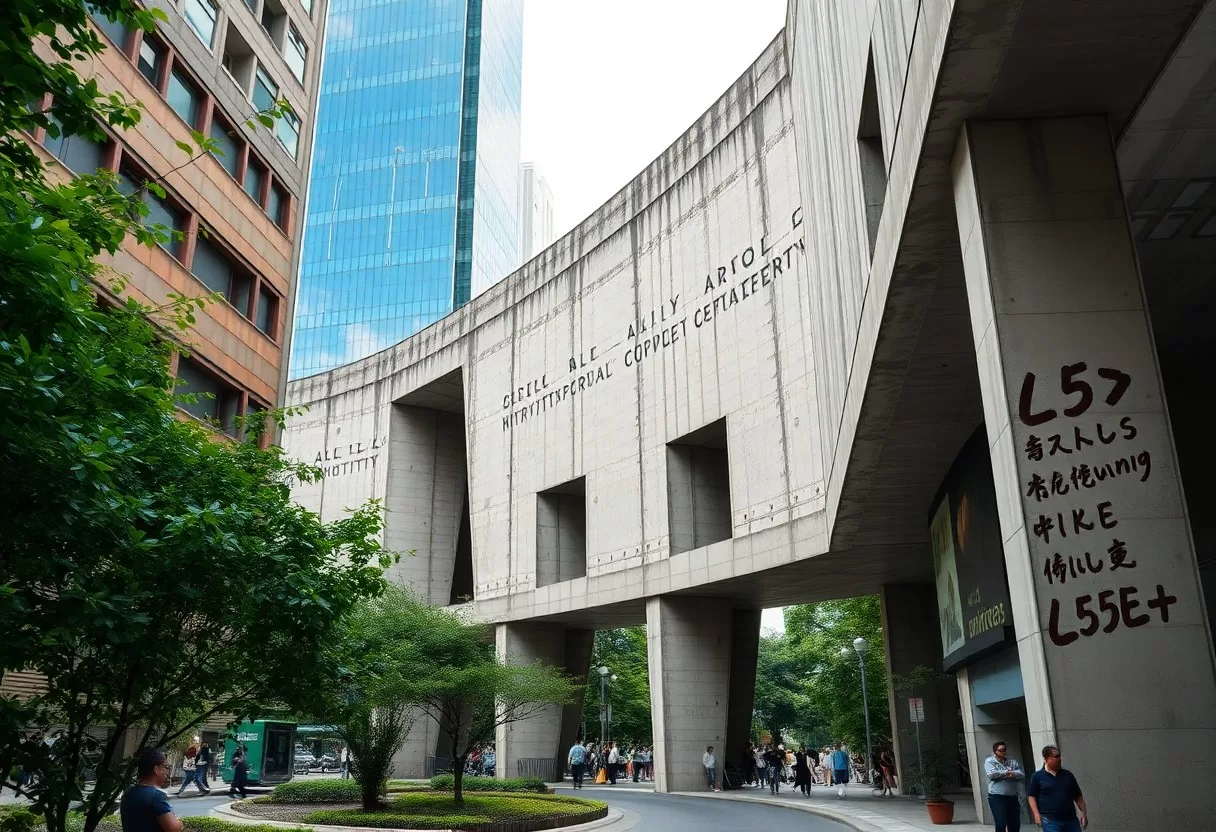
Brutalist architecture fundamentally alters the urban landscape by creating spaces that foster community and redefine city dynamics. With their monumental scale, Brutalist buildings serve as civic landmarks, influencing pedestrian flow and urban design. Cities like Boston and Marseille proudly showcase extensive examples of such structures, harmonizing function with the environment. This architectural style not only provides a backdrop for social interaction but also cultivates an identity that resonates with the inclusivity and resilience of the urban fabric.
Brutalist structures often anchor pedestrian pathways, guiding your movement through cityscapes while offering communal spaces for gathering. For instance, the Boston City Hall’s imposing presence encourages public engagement through its open plaza, fostering interactions among citizens. Brutalism’s integration into urban spaces reflects an inherent adaptability, illustrating a commitment to functionality while simultaneously inspiring admiration and dialogue about architectural heritage and future urban planning. The narrative of how these concrete giants inhabit your city serves as a testament to their lasting impact on architectural discourse.
Revitalizing Concrete: Adaptive Reuse and Modern Interpretations
Adaptive reuse breathes new life into brutalist structures, transforming them from neglected icons into functional, vibrant spaces. This approach honors the original architectural intentions while embracing contemporary needs. By integrating sustainable practices with new design strategies, modern architects are finding innovative pathways to revitalize concrete giants, ensuring they remain relevant in today’s urban landscapes.
Innovative Transformations: Case Studies in Adaptive Reuse
Exploring case studies reveals how adaptive reuse is successfully implemented. Some standout examples include:
- Birmingham’s Central Library transformed into Birmingham’s Library of Birmingham with a $60 million renovation, enhancing public accessibility.
- Boston’s City Hall showcased a $10 million public plaza revitalization, inviting community engagement.
- Toronto’s Ontario Place evolution into a cultural waterfront hub, involving $1.8 billion in infrastructure improvements.
- Brutalist buildings in Paris being repurposed as community centers, attracting local events and activities.
Modern Architects Embracing Brutalism’s Roots with a Twist
Architects today explore brutalism’s bold aesthetic while infusing modern elements, creating dialogue between the past and present. Opting for sleek lines and innovative materials, you see projects that enhance functionality and sustainability. This synthesis results in spaces that retain the original character yet cater to contemporary lifestyles, proving that brutalism can endure and evolve. Architects strategically integrate green technologies and striking design features to attract a new generation, ensuring these concrete giants remain central to urban narratives.
The Role of Brutalism in Sustainable Architecture
Brutalism’s robust aesthetic aligns with the principles of sustainable architecture, emphasizing longevity and resource efficiency. Using raw materials like concrete not only reduces the environmental impact of construction but also promotes a minimalist design that limits waste. By focusing on functional forms and durable structures, brutalist architecture minimizes the need for frequent renovations, reinforcing its role in a sustainable future.
Energy Efficiency and Material Longevity: A Sustainable Approach
Concrete’s mass provides exceptional thermal insulation, significantly lowering energy consumption for heating and cooling. This inherent energy efficiency makes brutalist designs both economically and environmentally sound, as they require less energy to operate over their lifespan. The longevity of concrete structures ensures that fewer resources are expended on replacements, embodying a sustainable ethos through enduring design.
Minimalism and Functionality: Lessons from Brutalism in Design
Brutalism teaches that simplicity in design can enhance functionality. By stripping away unnecessary ornamentation, you discover clarity in purpose, resulting in spaces that cater directly to human needs. This minimalist approach encourages thoughtful consideration of how you interact with your environment.
Focusing on important elements, brutalist design prioritizes the practical over the aesthetic without sacrificing beauty. The integration of open spaces allows for efficient circulation and multifunctional use, fostering adaptability in modern projects. Take, for instance, the Boston City Hall, where raw concrete facilitates a striking simplicity that enhances utility while inspiring innovative spatial arrangements. Learning from this, you can apply the principles of brutalism to create functional, sustainable spaces that resonate with user experiences and environmental considerations alike.
Brutalism’s Cultural Resurgence: A Symbol of Identity
Brutalism has evolved into a powerful symbol of identity for various communities, showcasing resilience and a unique aesthetic that defies convention. As urban environments continue to grapple with rapid change, these concrete giants stand as markers of history, embodying the spirit and struggles of those who inhabit them. This cultural resurgence resonates especially within younger generations, who find in Brutalism an authentic and unrefined beauty that challenges mainstream design norms while fostering a sense of belonging.
Community and Social Spaces: How Brutalism Builds Context
Brutalism fosters a sense of community by creating social spaces that are both functional and inviting. These structures often encourage interaction, transforming harsh materials into environments where people gather, connect, and share experiences. Through adaptable spaces like libraries, community centers, and housing complexes, Brutalism showcases the potential for concrete to nurture relationships and collectively define cultural identity.
The Digital Age’s Influence: Brutalism in Graphic Design and Art
The digital era has breathed new life into Brutalism, particularly in graphic design and art, where its austere, raw aesthetics are celebrated for their striking visual impact. Websites and branding inspired by Brutalist principles intentionally eschew sleek designs in favor of bold typography and rugged textures, reflecting an era characterized by authenticity over polish.
Graphic designers today are increasingly adopting Brutalist styles, prioritizing a return to basic shapes and unrefined elements. You might encounter websites that intentionally keep navigation simple and layouts asymmetrical, creating a sense of raw authenticity that resonates with audiences. This fusion of Brutalism and modern technology connects the past with the present, illustrating how these principles can foster innovation while invoking a sense of historical context in a rapidly changing digital environment.
To wrap up
Ultimately, embracing the aesthetic of Brutalism allows you to see beauty in its raw, unadorned structures. These concrete giants challenge traditional notions of architecture, encouraging you to appreciate the craftsmanship and intention behind their design. By finding elegance in their stark forms, you can broaden your perspective on urban environments, recognizing that every building tells a story worth exploring. Your ability to find beauty in the unexpected transforms how you engage with the spaces around you, inviting a deeper connection to the architecture that shapes your everyday life.
FAQ
Q: What is the main concept behind ‘Brutalism Reimagined – Finding Beauty in Concrete Giants’?
A: The main concept revolves around the exploration and appreciation of Brutalist architecture, emphasizing its aesthetic and cultural significance in modern society. The project aims to uncover the hidden beauty in concrete structures often viewed as harsh or uninviting.
Q: How does the project challenge traditional views of Brutalism?
A: The project challenges traditional views by presenting Brutalism not merely as an architectural style but as a form of artistic expression that reflects the complexities of urban life. It showcases how these structures can embody beauty through their form, texture, and interaction with their environment.
Q: What types of content can participants expect to engage with in this project?
A: Participants can expect a variety of content, including visual art, written essays, photography, and interactive installations that celebrate Brutalist architecture. The project will also feature discussions and workshops focused on architectural critique and community engagement related to these concrete giants.