
Wallpapered Ceilings & Upholstered Walls – Bold Surface Treatments for Dramatic Rooms
Upholstery can transform not just furniture but entire rooms, especially when you explore wallet-friendly trends like wallpapered ceilings and upholstered walls. By choosing these bold surface treatments, you can create dramatic, personalized spaces that resonate with your style. These techniques allow you to mix textures and colors, making your rooms feel more intimate and warm. However, it’s necessary to consider factors such as maintenance and fabric durability to ensure your elegant design stands the test of time.
Key Takeaways:
- Wallpapered ceilings can create an unexpected focal point, adding depth and interest to a room.
- Upholstered walls provide warmth, texture, and sound absorption, enhancing comfort and style.
- Combining bold patterns and colors in surface treatments can dramatically alter the ambiance of a space.
The Art of Wallpapered Ceilings
Embracing a wallpapered ceiling shifts your design perspective, inviting a sense of creativity and whimsy into your space. This design choice allows you to experiment with patterns, colors, and textures that can dramatically alter the atmosphere of a room. From intricate florals to bold geometrics, a ceiling adorned with wallpaper becomes a canvas for artistic expression, making an often-overlooked area a stunning focal point.
Choosing the Right Wallpaper
Selecting the appropriate wallpaper for your ceiling requires attention to pattern scale and color harmony. Light-colored designs can enhance brightness and space perception, while darker tones add intimacy. Choosing a smaller scale pattern typically suits rooms with lower ceilings, whereas larger prints can create an illusion of height in more spacious areas.
Techniques for Application
Proper installation techniques are fundamental to achieving a flawless wallpapered ceiling. Begin by cleaning and priming the surface to ensure adhesion. Utilizing a pasting method, you can apply the wallpaper in sections, making necessary adjustments for alignment. A help from a second pair of hands may simplify the process, especially for larger panels, ensuring crisp edges and a smooth finish.
To further elaborate on application techniques, start with precise measurements to determine the amount of wallpaper needed. Always use a high-quality adhesive suited for ceilings, as gravity can present challenges. Seam alignment plays a critical role; overlapping and relying on the right tools, like a smoothing brush and a straight edge, helps avoid bubbles and creases, yielding a polished final look. This step is often where most DIYers struggle, so taking your time here pays off significantly in the overall appearance.
Upholstered Walls: A Luxurious Touch
Upholstered walls add an unparalleled sense of luxury to any space, enveloping the room in rich textures and colors. This opulent treatment not only enhances aesthetic appeal but also provides sound insulation and a cozy atmosphere. Whether you opt for a sumptuous velvet or a sophisticated linen, the added dimension transforms blank areas into inviting backdrops, increasing the comfort and style of your interiors.
Fabrics and Textures to Consider
Selecting the right fabric is crucial for achieving the desired impact. Consider using materials such as silk, velvet, or canvas for their unique textures and visual allure. For a more relaxed and cozy feel, a tweed or soft cotton could work beautifully. Additionally, you can experiment with patterns, from bold prints to subtle textures, that complement your overall design vision, ensuring an harmonious look.
Installation Methods
Upholstered walls can be installed using various methods, including adhesive, stapling, or building a frame. Each approach offers different advantages in terms of durability and ease of maintenance. Adhesive applications provide a seamless look, while stapling allows for easier fabric replacement and adjustment.
Adhesive installation typically involves applying a special fabric glue directly to the wall surface, ensuring a smooth finish. This method works well for lightweight fabrics and is ideal if you want a clean, polished appearance. On the other hand, stapling requires attaching fabric to a framework or plywood panel secured to the wall, allowing more flexibility in fabric choice. You can easily swap out styles over time, making it easier to refresh your decor. Both methods provide a luxurious end result, enhancing the overall richness of your interiors. Choose the approach that best aligns with your design goals and maintenance preferences.
Color and Pattern Selection
Choosing the right color and pattern is fundamental for achieving striking wallpapered ceilings and upholstered walls. Opt for bold hues that resonate with your design scheme, like deep jewel tones that evoke sophistication, or playful pastels that bring lightness. Patterns can range from intricate florals to geometric shapes, each influencing the ambiance of your space. Additionally, consider the scale of patterns; larger prints can make a statement in expansive areas, while smaller motifs may suit cozier rooms.
Harmonizing with Room Decor
Your selection should seamlessly integrate with existing decor. Look for patterns and colors that echo your furniture, artwork, or architectural elements. For instance, if you have a vintage chandelier, a classic damask pattern on the wallpaper can enhance its elegance. Incorporating colors present in your textiles or accessories ensures a unified and well-balanced aesthetic, transforming your room into a cohesive haven.
Creating Visual Interest
To captivate attention, your choice of color and pattern must offer contrast and diversity. Experiment with textural variation by mixing matte and glossy finishes that reflect light differently. Incorporating multiple patterns can also enrich your space, provided they share a common color palette or style theme. This layered approach generates depth, making your design dynamic and engaging.
Consider using a feature wall with a bold pattern to draw the eye, complemented by subtler designs on adjoining surfaces. For instance, a vibrant botanical wallpaper could be paired with a soft textile or patterned upholstery in similar shades. This not only enhances visual interest but also guides the viewer’s gaze throughout the room, creating a narrative that feels intentional and harmonious.
Maintenance and Care for Dramatic Surfaces
Maintaining wallpapered ceilings and upholstered walls requires regular attention to keep them looking their best. Establishing a routine cleaning and care regimen helps preserve the integrity and aesthetic appeal of these bold surfaces. Both types of treatments benefit from gentle cleaning methods and timely repairs to prevent further damage and prolong their lifespan.
Cleaning Techniques
Dust buildup can diminish the visual impact of your wallpapered ceilings and upholstered walls. Use a soft brush attachment on your vacuum or a microfiber cloth to carefully remove dust and debris. For stains, dab a cloth lightly dampened with a mild soap and water solution, avoiding excessive moisture that can lead to damage. Always test any cleaning solution on a small, inconspicuous area before applying it broadly.
Repairing Damaged Areas
Addressing damage promptly mitigates larger issues down the line. If wallpaper peels or fabric shows signs of wear, catch it early. For wallpaper, simply re-glue the edges with an appropriate adhesive. Upholstered walls may require replacement fabric patches or gentle re-stitching. Having extra fabric saved from the original installation allows for seamless repairs that maintain your room’s striking appearance.
For significant tearing or peeling, you might need to replace panels or sections. When repairing, ensure the new materials match the existing ones for continuity. Consider using a fabric stiffener to reinforce weak areas on upholstered walls, while minor imperfections in wallpaper can often be camouflaged with decorative accents or by strategically covering with artwork. Maintaining a supply of touch-up materials during your initial installation will expedite this process.
Incorporating Lighting for Enhanced Effects
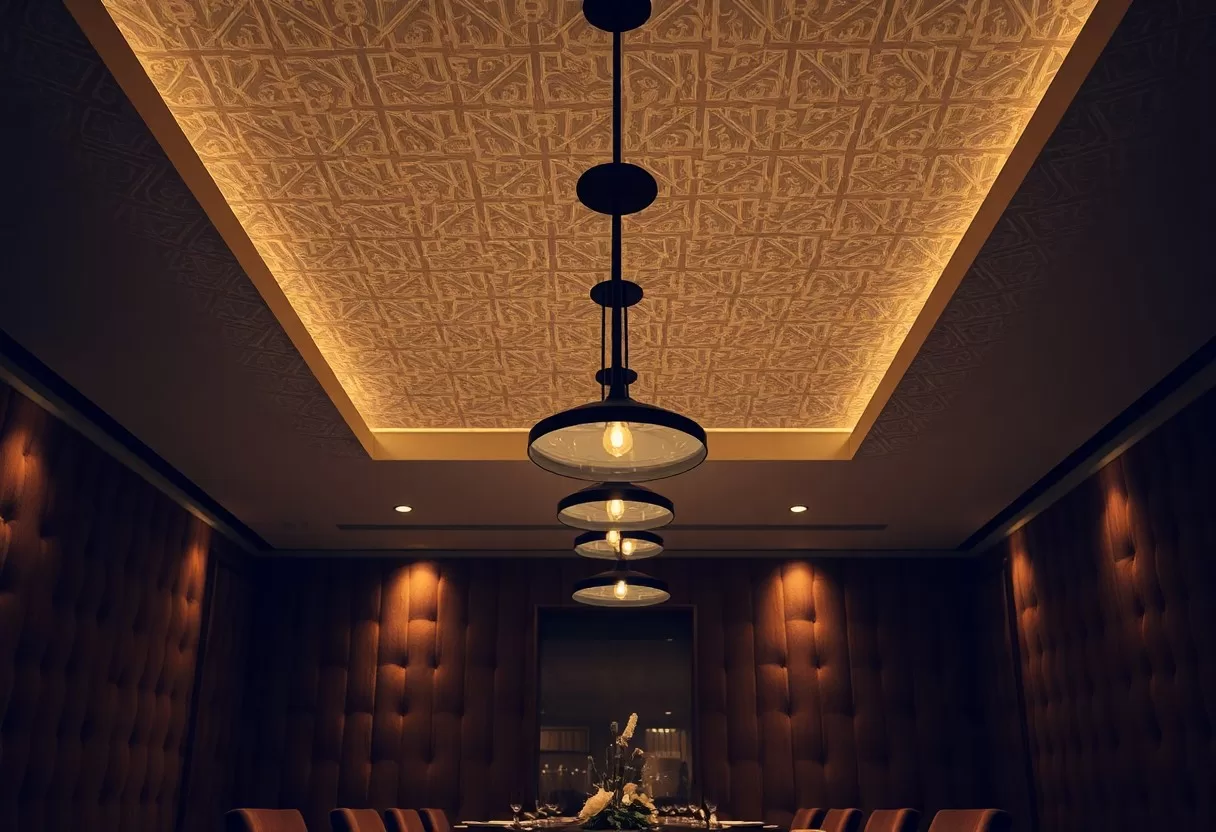
The right lighting can elevate the dramatic impact of your wallpapered ceilings and upholstered walls. By strategically choosing and placing light sources, you can highlight textures and colors, creating dynamic visual interest. Consider layering different types of lighting to enhance the room’s ambiance and draw attention to your bold design choices.
Types of Lighting
Opt for a mix of ambient, task, and accent lighting to create a well-rounded atmosphere that complements your decor.
- Ambient Lighting: General illumination that provides a warm glow.
- Task Lighting: Focused light for reading or work activities.
- Accent Lighting: Highlights specific features like artwork or architectural details.
- Dimmer Switches: Allow for adjustable brightness levels.
- LED Strips: Versatile options for under shelving or coves. Thou should carefully choose lighting to enhance your bold choices.
| Lighting Type | Purpose |
| Ambient | General illumination for the entire space |
| Task | Specific lighting for activities like reading |
| Accent | Highlights art or wallpaper features |
| Dimmer Switches | Adjusts brightness for mood setting |
| LED Strips | Adds subtle lighting effects along edges |
Placement Strategies
Effective placement of lighting enhances your design’s impact. Position ambient lighting centrally to distribute light evenly, while task lighting should be directly above key work areas. Accent lights can be directed at textured walls or ceiling patterns for added emphasis. For a cohesive look, consider integrating fixtures that complement your overall aesthetic and highlight your unique surfaces effectively.
Positioning lighting can significantly change the room’s character. Centrally located ambient fixtures ensure even illumination, while task lighting should be strategically placed where you engage in activities, such as above seating or workspaces. Utilize accent lighting to draw attention to intricate wallpaper designs or upholstered wall textures. Creating visual hierarchies through careful placement not only showcases your bold choice of treatments but also provides functional lighting solutions. Explore different configurations until you achieve the desired ambiance and functionality. Thou will find that correct placement transforms your space dramatically.
Case Studies: Successful Implementations
- Luxury Apartment in New York: A high-end renovation featuring upholstered walls and matching ceiling wallpaper resulted in a 30% increase in property value.
- Café in London: This trendy spot utilized bold wallpapered ceilings to boost patron engagement, resulting in a 20% increase in foot traffic.
- Corporate Office in San Francisco: A suite redesign with textile wall treatments improved employee satisfaction scores by 15%.
Residential Examples
In residential settings, wallpapered ceilings and upholstered walls add a unique flair, enhancing both aesthetic appeal and comfort. One notable case involved a modern penthouse in Miami, where a combination of floral wallpaper on the ceiling and plush fabric walls contributed to a 40% increase in cozy atmosphere ratings among visitors, showing how personal spaces can be transformed dramatically.
Commercial Spaces
Commercial spaces have seen effective applications of these treatments, significantly enhancing user experience. In a boutique hotel in Paris, the use of textured wallpaper on ceilings and plush upholstered walls led to a 25% increase in guest satisfaction scores, proving that bold choices can redefine customer impressions and encourage longer stays.
In commercial environments, the impact of wallpapered ceilings and upholstered walls goes beyond aesthetics. Hotels, restaurants, and retail spaces have successfully integrated these treatments to create immersive atmospheres that draw customers. For instance, a restaurant in Los Angeles reported a 150% return on investment when it revamped its interior with striking ceiling wallpaper and luxurious wall fabrics, enhancing brand identity and customer loyalty. These choices resonate with customers, leaving lasting impressions and fostering repeat visits while also setting industry standards for experiential design.
To wrap up
Drawing together the concepts of wallpapered ceilings and upholstered walls reveals their potential to transform your space dramatically. These bold surface treatments not only enhance the visual appeal of your rooms but also add texture and warmth. By incorporating these elements, you can create a unique atmosphere that reflects your personal style while elevating the overall design. Embrace these innovative techniques to make a striking statement in your home.
FAQ
Q: What are the benefits of wallpapered ceilings?
A: Wallpapered ceilings can add depth and visual interest to a room, making it feel more expansive and unique. They allow for creative expression with various patterns and textures, enhancing the overall aesthetic of the space.
Q: How do upholstered walls differ from traditional wall treatments?
A: Upholstered walls provide a softer, warmer feel compared to paint or wallpaper. They offer sound absorption, reducing noise levels, and add a luxurious, tactile element to rooms, ideal for creating cozy and inviting environments.
Q: Are there specific styles of wallpaper or upholstery that work best for dramatic effects?
A: Bold patterns, rich colors, and textured materials are ideal for creating dramatic effects. Consider geometric designs or large floral prints for wallpaper and use plush fabrics like velvet or silk for upholstery to enhance the room’s impact.