
Biomimicry in Architecture – Lessons from Nature for Energy-Efficient Homes
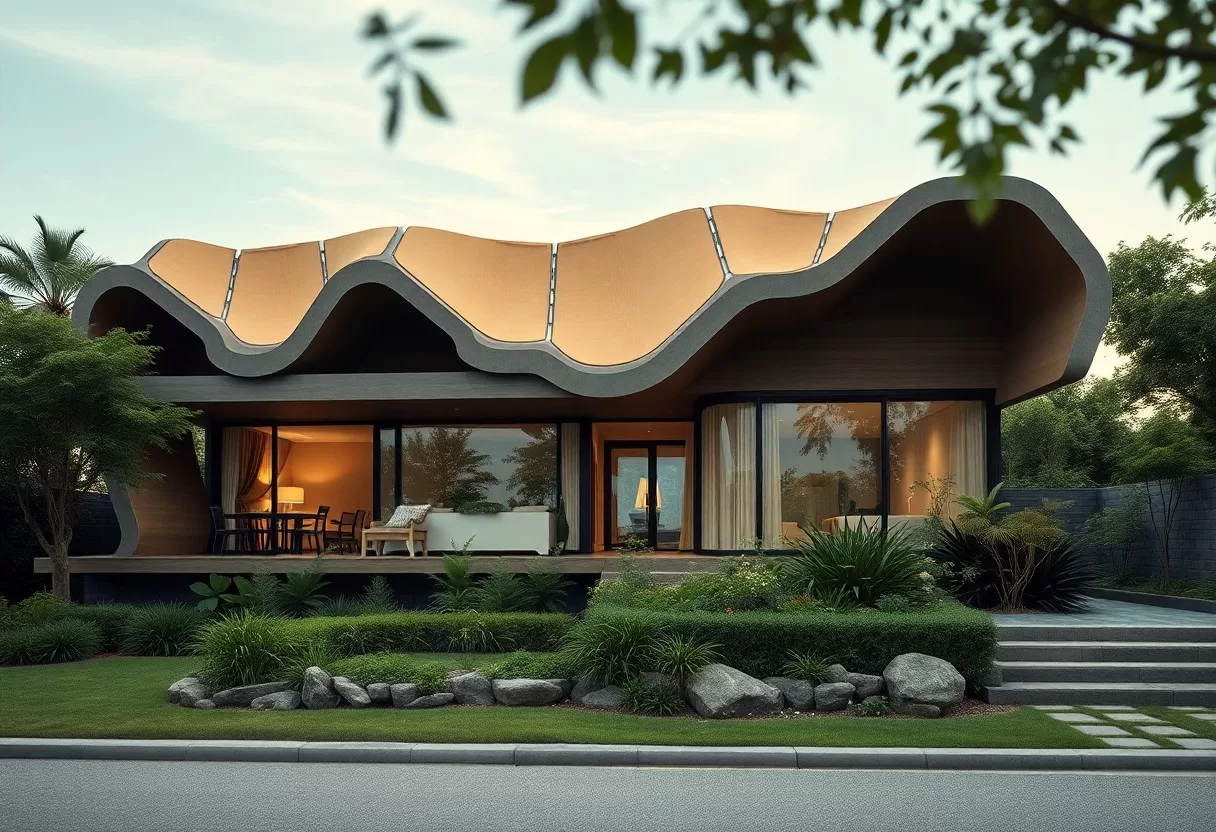
Many architects and builders are turning to biomimicry as a powerful tool for designing energy-efficient homes. By studying and mimicking nature’s time-tested patterns and processes, you can uncover innovative solutions that not only reduce energy consumption but also enhance your home’s resilience. This approach helps you create spaces that are in harmony with their surroundings, significantly lowering environmental impact. In this blog post, explore how nature can guide you toward smarter, more sustainable architectural choices that benefit both you and the planet.
Key Takeaways:
- Nature-inspired designs can significantly enhance energy efficiency in homes by utilizing natural ventilation and daylighting strategies.
- Implementing biomimetic materials and structures can lead to reduced environmental impact and improved durability in residential buildings.
- Studying ecological systems provides valuable insights for optimizing resource use and creating sustainable living spaces.
Nature’s Design Principles
Understanding the design principles of nature offers invaluable insights for energy-efficient architecture. By studying living organisms and their environments, you can derive strategies that promote sustainability and resilience. For instance, natural structures often utilize local materials and adapt to climate conditions, maximizing efficiency and minimizing waste. Emulating these principles can lead to homes that harmonize with their surroundings while significantly reducing their energy consumption.
Adaptation and Resilience
Nature exemplifies adaptation and resilience through species that modify their behavior and structure in response to environmental changes. For your designs, consider integrating features that allow for easy modifications based on seasonal or weather fluctuations. The way desert plants conserve water or how marine animals regulate temperature can inspire systems in your home that enhance comfort while conserving resources.
Systems Thinking
Applying systems thinking in architecture means recognizing that each component of your home is interconnected. This holistic perspective encourages you to design in a way that all elements, from insulation to ventilation, work together to create a cohesive energy-efficient system. For example, consider how a forest functions: trees, soil, and fauna interact seamlessly, each element supporting the health of the ecosystem.
By adopting a systems thinking approach, you enhance your designs’ ecological footprint. This mindset invites you to examine how various systems-energy, water, and waste-interact within your home. For instance, integrating green roofs can improve insulation and manage rainwater runoff, while passive solar design optimizes natural lighting and heating. This interconnectedness not only fosters a more sustainable living environment but also ensures that your home adapts and thrives within its specific context, much like ecosystems in nature. Utilizing this perspective can help you create enduring and efficient spaces that aspire to the adaptability found in nature.
Case Studies in Biomimicry
Examining successful applications of biomimicry in architecture reveals significant advancements in energy efficiency and sustainability. These case studies illustrate how learning from nature can transform building designs through innovative solutions.
- The Eden Project, UK: Utilizes natural ventilation inspired by passive cooling methods seen in termite mounds.
- The Eastgate Centre, Zimbabwe: Mimics termite mounds for temperature regulation, reducing HVAC costs by up to 90%.
- Harvard’s Wyss Institute: Develops materials using the lotus effect, achieving self-cleaning surfaces.
- One Central Park, Australia: Features vertical gardens that enhance air quality while drawing from natural ecosystems.
Termite Mounds as Natural Air Conditioning
Innovations such as the Eastgate Centre demonstrate how architects have emulated termite mounds’ passive cooling systems to maintain stable indoor temperatures. This design allows for airflow management that significantly reduces reliance on mechanical air conditioning, which can consume vast amounts of energy.
Lotus Effect and Self-Cleaning Materials
Inspired by the lotus leaf, innovative self-cleaning materials use microscopic structures to repel dirt and water. This reduces maintenance and the need for harmful cleaning chemicals. Applications of the lotus effect have demonstrated impressive performance, notably in coatings that maintain aesthetics and durability in various environments, enhancing building longevity while minimizing environmental impact.
Materials created using the lotus effect can achieve self-cleaning properties through nanostructures that prevent dirt from adhering to surfaces. This technology has been applied in settings such as facades and windows, significantly reducing cleaning frequency and associated costs. For instance, coatings applied to buildings can reduce the accumulation of grime up to 100% times less compared to traditional surfaces, showcasing a blend of aesthetic appeal and functionality that champions environmental sustainability in architecture.
Energy-Efficient Technologies Inspired by Nature
You can find innovative energy-efficient technologies in nature that can significantly enhance your home’s sustainability. For example, the use of heat-generating materials emulates the structure of termite mounds, which maintain stable temperatures despite extreme external conditions. Implementing these natural designs can lead to residential spaces that require minimal energy for heating and cooling, ultimately reducing your energy bills and carbon footprint.
Solar Energy Solutions
Inspired by nature, you can maximize solar energy through design principles reflecting sunflower tracking systems. Innovative roofing solutions mimicking this natural phenomenon allow solar panels to adjust to the sun’s position, increasing energy capture throughout the day and boosting your home’s overall efficiency.
Natural Ventilation Techniques
Emulating the natural airflow within beehives can help you utilize natural ventilation techniques to enhance air quality in your home. By strategically placing openings, you enable wind currents to flow through your living space, reducing reliance on mechanical cooling systems and improving your home’s energy efficiency.
Implementing natural ventilation techniques involves designing your home to take advantage of the external climate. For instance, placing windows and vents on opposite walls promotes cross-ventilation, allowing cool breezes to flow through. Research shows that effective natural ventilation can reduce indoor temperature by up to 10 degrees Fahrenheit compared to external climates. Additionally, incorporating thermal mass materials, like stone or concrete, helps regulate indoor temperature by absorbing heat during the day and releasing it at night, further enhancing comfort without additional energy use.
Sustainable Materials Derived from Biological Processes
Incorporating sustainable materials into your architectural projects can greatly reduce environmental impact. Materials derived from biological processes not only offer renewability but also improve energy efficiency in your designs. You can explore advancements in biomimetic energy efficient building design that leverage nature’s ingenuity, allowing buildings to harmonize with their environments.
Biodegradable and Renewable Resources
Choosing biodegradable and renewable resources can profoundly impact your building’s lifecycle. Utilizing materials such as bamboo, cork, and reclaimed wood not only minimizes waste but also enhances sustainability. These resources are often easier to source and process, allowing your designs to maintain their aesthetic appeal while being kinder to the planet.
Mycelium and Fungal Architecture
Mycelium, the root structure of fungi, is emerging as a transformative building material that promotes sustainability and offers excellent insulation properties. This organic material can be grown into specific shapes, making it highly customizable for diverse architectural applications. Moreover, mycelium’s growth process emits less carbon than conventional materials, enhancing your project’s ecological footprint.
This innovative material is not only lightweight but also fire-resistant and naturally biodegradable, allowing any structures created with it to return to the earth without causing harm. Research indicates that mycelium can absorb toxins and improve air quality, providing benefits beyond mere construction. As more architects experiment with fungal substrates, you might find unique applications in interiors, insulation, and even load-bearing components, reshaping your approach to eco-friendly building practices.
Integrating Biomimicry into Architectural Design
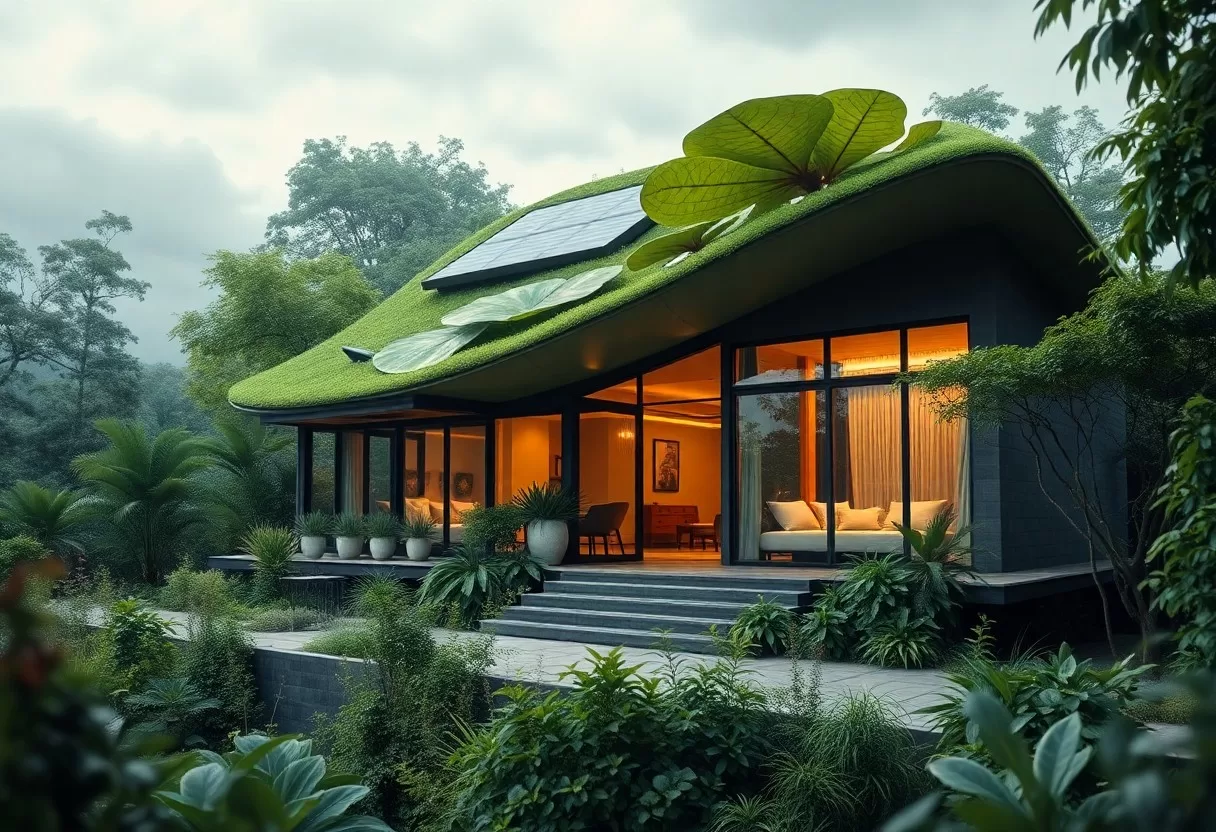
Incorporating biomimicry into architectural design allows you to create structures that are not only aesthetically pleasing but also energy-efficient and sustainable. This approach draws inspiration from natural processes, materials, and ecosystems, leading to innovative solutions such as self-cooling buildings modeled on termite mounds or energy-generating facades based on leaf structures. By observing and analyzing nature, you can implement designs that effectively address environmental challenges while optimizing resource use.
Collaborative Approaches in Design
Fostering collaboration among architects, engineers, biologists, and material scientists is vital for successful biomimetic design. By working together, you can blend diverse perspectives and expertise, ensuring that your projects harness the full potential of nature-inspired solutions. For instance, partnering with ecologists might help incorporate local biodiversity into your designs, promoting ecological resilience while enhancing urban living environments.
Challenges and Opportunities
Integrating biomimicry into architecture presents both challenges and opportunities, often requiring a shift in conventional design paradigms. You may face initial resistance due to perceived complexity or additional costs. However, the long-term benefits, including lower operational costs and enhanced environmental performance, far outweigh initial hurdles. Innovative materials and techniques, regardless of funding, can yield major efficiency gains and redefine sustainable architecture.
Addressing the challenges and seizing the opportunities in biomimicry implementation means navigating a landscape of educational gaps, regulatory hurdles, and material accessibility. Often, your choices may lead to a steep learning curve to comprehend natural systems, but it can result in groundbreaking designs. Manufacturers are beginning to produce biomimetic materials at scale, and as you advocate for their use, you contribute to a growing market that prioritizes sustainability. Ultimately, engaging with community stakeholders can enhance acceptance and encourage broader adoption of these innovative strategies, paving the way for a more sustainable future in architecture.
Future Trends in Biomimetic Architecture
The future of biomimetic architecture is promising, with designs evolving to create Buildings that Breathe and Cities that Regenerate. Expect to see more structures that mirror natural ecosystems, leading to energy-efficient homes that adapt and respond to their environments. This paradigm shift focuses on sustainability, resilience, and harmony with nature, ultimately reshaping urban landscapes into greener, more livable spaces.
Innovations on the Horizon
Innovations in biomimetic architecture are set to redefine the built environment. Techniques such as adaptive facades inspired by honeycombs and ventilation systems mimicking termite mounds will enhance energy efficiency in homes. You’ll also witness increased use of bio-responsive materials that change with environmental conditions, promoting sustainability while improving occupant comfort.
The Role of Technology and Research
Advancements in technology and scientific research are pivotal for the progress of biomimetic architecture. Integrating computational design, artificial intelligence, and material science allows for the innovative replication of natural mechanisms in building designs. These efforts foster collaboration across disciplines, ensuring that architects can create structures that meet the challenges of climate change while enhancing energy efficiency and overall wellbeing.
Summing up
On the whole, integrating biomimicry in architecture allows you to design energy-efficient homes that draw inspiration from nature’s time-tested solutions. By observing how natural systems function, you can create structures that optimize energy use, enhance sustainability, and improve your living environment. Embracing these lessons not only leads to innovative designs but also positions you at the forefront of eco-friendly practices. Ultimately, by applying these principles, you have the opportunity to minimize your ecological footprint while maximizing comfort and efficiency in your home.
Q: How does biomimicry contribute to energy efficiency in architecture?
A: Biomimicry allows architects to mimic natural systems and processes that have evolved over millions of years. This leads to designs that optimize energy use, such as buildings that naturally regulate temperature and lighting, reducing reliance on artificial heating and cooling. For example, structures that emulate termite mounds utilize natural ventilation and thermal mass for temperature control.
Q: What are some specific examples of biomimicry in energy-efficient home designs?
A: Specific examples include the Eden Project in the UK, which uses geodesic dome structures inspired by tree canopies for natural light and ventilation. Additionally, the Bosco Verticale (Vertical Forest) in Milan integrates vegetation to improve air quality and regulate temperature, enhancing energy efficiency through natural insulation.
Q: What role does material selection play in biomimetic architecture?
A: Material selection is vital in biomimetic architecture to ensure the building mimics the efficiency and durability found in nature. Using materials that replicate the properties of natural elements, such as self-healing concrete inspired by bones or phase-changing materials that regulate temperature, can significantly reduce energy consumption and enhance the longevity of structures.