
Attract Pollinators – Best Plants for Your Home Garden
Garden enthusiasts like you play a significant role in supporting local ecosystems by choosing the right plants. By incorporating pollinator-friendly species into your garden, you can create a vibrant sanctuary that not only beautifies your space but also attracts vital insects like bees and butterflies. This informed choice will lead to a healthier garden, resulting in better fruit and vegetable yields. In this post, we’ll explore some of the best plants that will transform your home garden into a pollinator paradise.
Key Takeaways:
- Selecting native plants can significantly boost the population of local pollinators in your garden.
- Opt for a variety of blooms that flower at different times to provide a continuous source of food throughout the growing season.
- Visualize layering plants by height, incorporating taller species in the back and shorter ones in the front to create an inviting habitat.
- Avoid using pesticides, as they can harm beneficial insects; instead, explore organic practices for pest management.
- Creating water sources and shelters, such as bee houses or patches of bare soil, supports pollinators and encourages them to thrive in your garden.
The Power of Native Plants: Why They Matter
Choosing native plants for your garden plays a significant role in supporting local ecosystems. These plants, adapted to your area’s soil, climate, and wildlife, provide necessary habitats and food sources for countless pollinators. By integrating native flora into your landscape, you create an environment where nature thrives. Pollinators, such as bees, butterflies, and hummingbirds, have evolved alongside these species and are naturally drawn to them, fostering a symbiotic relationship that benefits both the plants and pollinators.
The Role of Native Species in Local Ecosystems
Native species form the backbone of local ecosystems, creating interconnections between plants, animals, and soil. They help maintain soil health by preventing erosion and promoting nutrient cycling. Furthermore, these plants support a diverse range of wildlife, offering food and shelter for insects, birds, and mammals. By encouraging populations of native species, you contribute to a balanced ecosystem, which is vital for sustaining the environment around you.
Advantages of Using Native Plants for Pollinator Health
Native plants are invaluable for enhancing pollinator health since they offer the specific nectar and pollen resources that various pollinators have co-evolved with. Unlike non-native plants, which may not provide the correct nutrition, native varieties are tailored to local pollinators’ needs, fostering healthier and more resilient populations. Their natural resilience enables them to thrive with minimal maintenance while attracting a plethora of beneficial insects, creating a harmonious and thriving garden ecosystem.
Emphasizing native plants in your garden not only supports pollinator health but also promotes biodiversity. For instance, a study by the National Wildlife Federation indicated that gardens featuring native plants can attract up to 50% more pollinators compared to traditional gardens. By planting a diverse array of native species, you can cultivate a sustainable environment, decrease unnecessary water usage, and diminish reliance on chemical pesticides. Ultimately, your garden becomes a sanctuary where wildlife can flourish, leading to a healthier ecosystem overall.
Top Plant Choices for Attracting Pollinators
Incorporating the right plants into your garden is a rewarding way to enhance the presence of pollinators. By combining a variety of perennials and annuals, you can create an inviting space that buzzes with life. Focus on species that produce abundant nectar and pollen while ensuring blooms are spread throughout the growing season to keep pollinators engaged. Let’s explore some standout options for your garden.
Perennials that Buzz: Long-Lived Beauties
Perennials are the backbone of any pollinator-friendly garden, providing reliable blooms year after year. Consider planting coneflowers, black-eyed Susans, or bee balm to attract a plethora of pollinators, including bees, butterflies, and hummingbirds. These hardy plants thrive in various conditions and are known for their vibrant colors and fragrance, making them irresistible to garden visitors.
Annuals that Make a Statement: Quick Bloomers
Annuals add an instant splash of color and are perfect for filling in gaps within your garden design. Plants like marigolds, zinnias, and cosmos attract pollinators like bees and butterflies with their bright hues and generous nectar supply. They typically bloom all summer long, ensuring that your garden remains inviting and lively.
Annuals can be particularly rewarding due to their rapid growth and vibrant displays, transforming any patch of soil almost overnight. By sowing seeds directly in your garden or purchasing young plants, you can expect these beauties to flourish within weeks. Zinnias and cosmos, for example, are renowned for their ability to attract a variety of pollinators due to their large, open flowers, which provide easy access to nectar. Pairing these quick bloomers with perennials ensures a continuous food source for your pollinator friends throughout the season.
Seasonal Strategies: Creating Year-Round Habitat
To ensure a thriving environment for pollinators throughout the year, consider a strategic approach that incorporates blossoms at every season. By planting a diverse array of flowering plants that bloom during different times, you can provide a consistent food source for bees, butterflies, and other important pollinators. This thoughtful layering not only enriches your garden’s aesthetic but also contributes significantly to the overall health of local ecosystems.
Spring Bloomers: Kicking Off the Pollinator Season
Spring is the season of renewal, and vibrant blooms like crocuses, hyacinths, and dogwoods awaken pollinators from their winter slumber. These early flowering plants offer vital nectar and pollen, setting the stage for a successful pollination season ahead.
Summer Staples and Fall Favorites: Sustaining the Buzz
During the summer months, plants such as bee balm, coneflowers, and lavender take center stage, providing crucial resources to keep pollinators active and satisfied. As the seasons transition into autumn, asters and sedum ensure that your garden remains a haven for these beneficial creatures, allowing them to gather the nourishment they need before winter approaches.
Summer staples like bee balm (Monarda didyma) are particularly important, attracting a diverse array of pollinators including hummingbirds and various bee species. Known for their vibrant colors and aromatic foliage, these plants flourish in well-drained soil and full sun. As fall sets in, asters and sedum play a pivotal role, extending the blooming period and providing much-needed energy to pollinators preparing for hibernation. With careful planning, your garden can be a continuous source of sustenance for pollinators, fostering a dynamic ecosystem in your backyard.
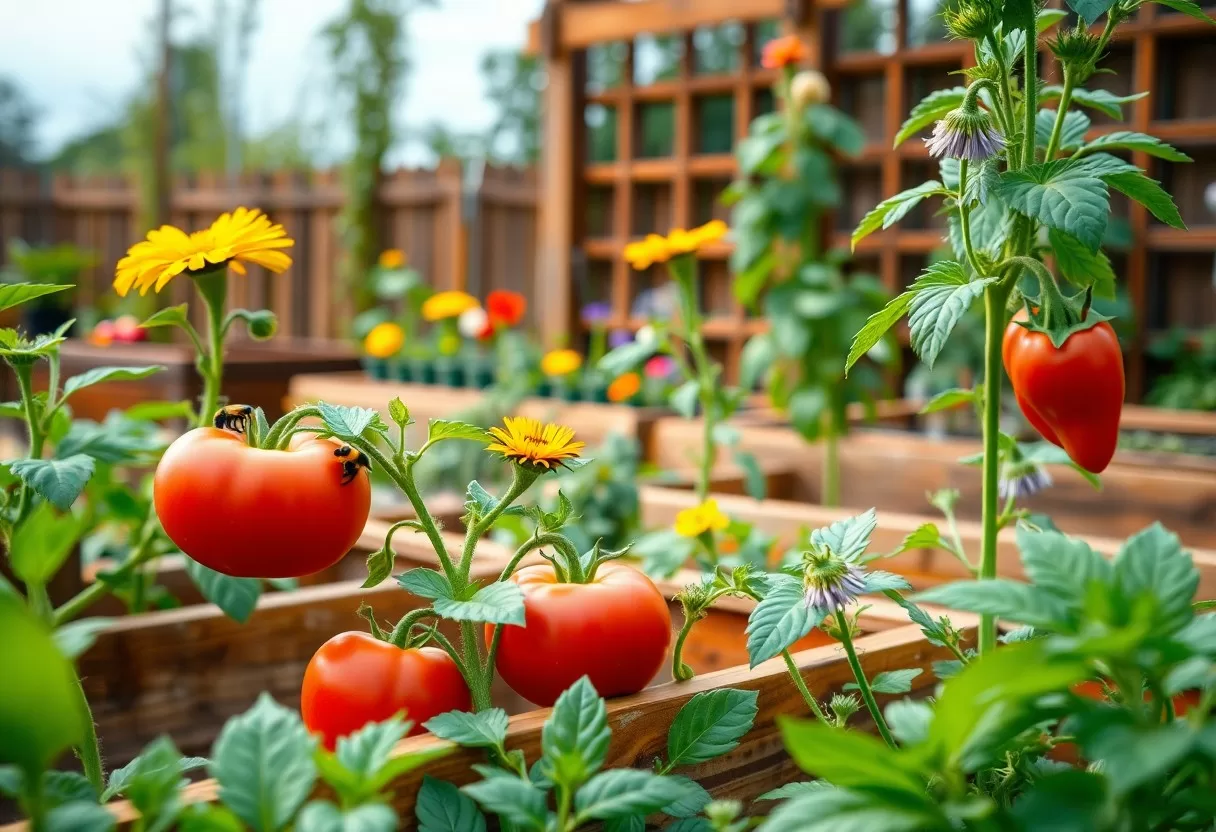
Companion Planting: Maximizing Your Garden’s Impact
Pairing plants together strategically enhances not only their growth but also their ability to attract and support diverse pollinator populations. By cultivating compatible plants, you create a symbiotic environment that encourages beneficial insects to thrive. For example, planting marigolds alongside vegetables can deter pests and invite bees, while herbs like basil and rosemary can boost the aroma and allure of flowering plants nearby, leading to increased pollination. Implementing companion planting can effectively maximize the productivity and biodiversity of your garden.
The Interconnectedness of Plants and Pollinators
Your garden thrives on the delicate relationship between plants and pollinators, which must be understood for optimal growth. Pollinators, such as bees, butterflies, and hummingbirds, rely on flowering plants for nectar and pollen, while plants depend on these creatures for reproduction. By creating a biodiverse environment, you support this interconnectedness, leading to healthier plants and a thriving ecosystem. Each species plays a role in enhancing the overall balance, ensuring that both your plants and pollinators flourish.
Techniques to Boost Pollinator Presence through Plant Selection
Selecting the right plants is vital for maximizing pollinator presence in your garden. Aim for a diverse array of native flowering plants that bloom at different times throughout the growing season. This strategy ensures a continuous food source for pollinators. Choose plants with varying heights, colors, and shapes, which can attract a wider range of pollinators. Additionally, incorporating clusters of the same species can create more accessible foraging spots, improving pollinator visitation rates significantly.
Adding a variety of blooms is key to maintaining a vibrant pollinator presence. For instance, plants like *Echinacea* and *Rudbeckia* provide plentiful pollen throughout summer, while autumn-yielding plants, such as *Asters,* serve as a late-season food source. Grouping plants with similar patterns, colors, or heights significantly attracts more insects, as pollinators are more likely to visit densely packed patches than solitary plants. This approach boosts not only the number of visitors but also the chances of successful fertilization among your plants, encouraging a thriving garden ecosystem.
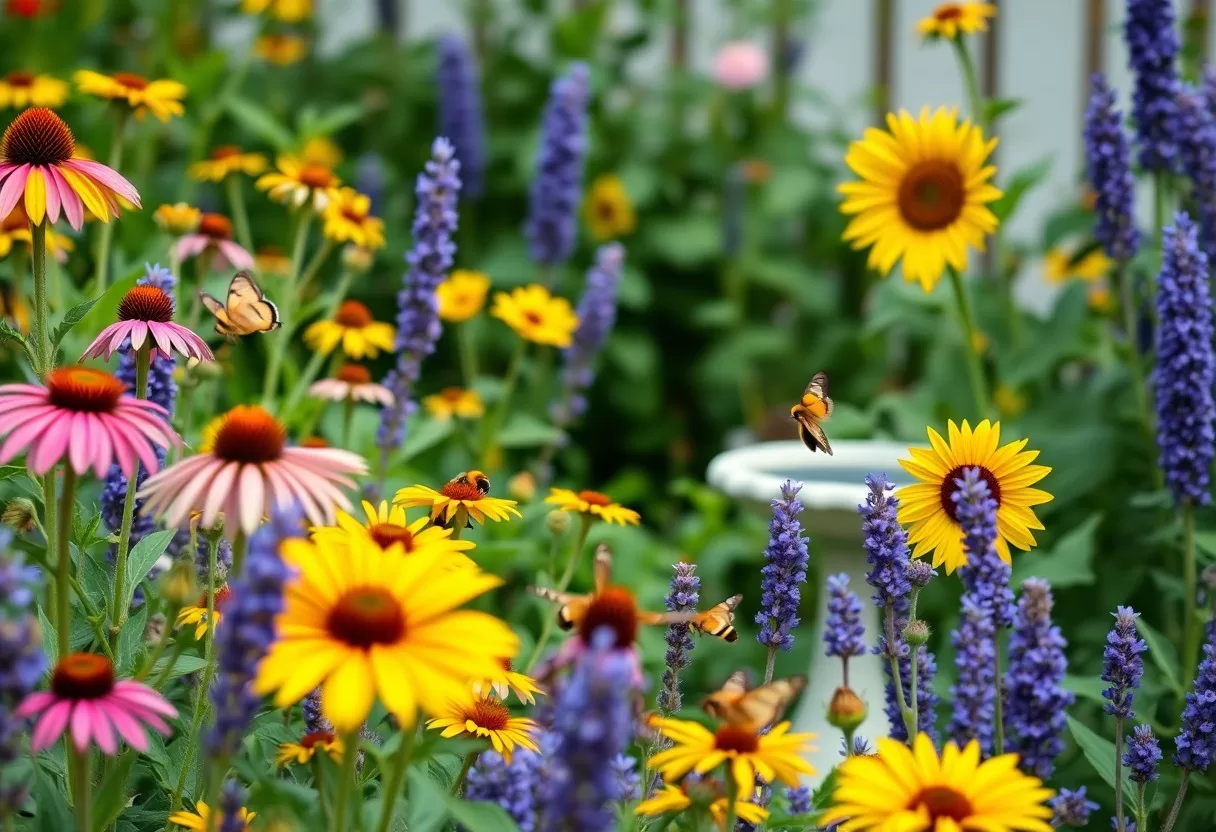
Designing for Diversity: Building a Pollinator-Friendly Garden
Designing a garden that attracts a variety of pollinators enhances the beauty and productivity of your outdoor space. By implementing a diverse selection of plants that bloom at different times, you provide a continuous food source for bees, butterflies, and hummingbirds throughout the growing season. This diversity not only supports pollinator health but also creates a vibrant and engaging landscape, inviting these necessary creatures to thrive in your garden.
Layering & Grouping for Maximum Appeal
By layering different plants and grouping them in clusters, you can maximize the visual impact of your garden while providing pollinators with the strategic foraging opportunities they need. Aim for a combination of tall, medium, and low plants to create a varied habitat, perfect for attracting diverse species. Grouping plants of the same species or color can further entice pollinators, making it easier for them to locate food sources while creating an aesthetically pleasing design.
Creating Shelters and Water Sources: Beyond Just Plants
Pollinator-friendly gardens thrive not only on abundant plants but also on shelters and water sources that provide necessary habitat and hydration. Incorporate elements like insect hotels, birdhouses, or even small rock piles to create safe spaces for pollinators to rest and nest. A shallow water dish or a birdbath with stones can offer much-needed hydration during hot days. By designing your garden with these elements in mind, you’ll foster a welcoming environment that supports pollinator populations effectively.
Adding shelters and water sources significantly enhances your garden’s attractiveness to pollinators. For example, insect hotels can be easily constructed using bamboo tubes or hollow stems, offering nesting spots for solitary bees. Likewise, a consistent water source, such as a small pond or a manageable container, will not only cater to thirsty bees but also draw in butterflies and other beneficial insects. Incorporating these features goes beyond aesthetics, establishing a sustainable ecosystem that ensures your garden becomes a thriving habitat for wildlife.
To wrap up
With these considerations, you can successfully attract a diverse range of pollinators to your home garden. By selecting the best plants that bloom at different times, incorporating native species, and providing a variety of colors and scents, you create an inviting environment. Additionally, minimizing pesticide use and incorporating water sources will further enhance your garden’s appeal to these vital creatures. By implementing these strategies, you’ll not only support pollinators but also enjoy a vibrant, thriving garden that contributes to the ecosystem.
FAQ
Q: What are the best plants to attract pollinators to my home garden?
A: Some of the best plants to attract pollinators include bee balm, lavender, coneflowers, sunflowers, and zinnias. These plants offer nectar and pollen, which are necessary food sources for bees, butterflies, and other pollinating insects. Additionally, native plants tend to attract more local pollinators as they have adapted to the local environment.
Q: How can I create a pollinator-friendly garden layout?
A: To create a pollinator-friendly garden, consider a layout that includes a variety of flowering plants grouped together, ideally in clusters. This arrangement makes it easier for pollinators to find food sources. Incorporate flowers that bloom at different times throughout the growing season to ensure a continuous supply of nectar. Incorporate taller plants at the back and shorter ones in the front to create layers and enhance visibility for pollinators.
Q: Are there specific colors of flowers that are more attractive to pollinators?
A: Yes, pollinators are attracted to certain colors of flowers. Bees, for instance, are particularly drawn to blue and yellow flowers, while butterflies are attracted to red, orange, and purple hues. Creating a diverse color palette in your garden will help attract a wider range of pollinators.
Q: How can I provide additional resources for pollinators in my garden?
A: In addition to planting a variety of flowers, you can provide additional resources for pollinators by including water sources, such as shallow dishes filled with stones and water, and nesting habitats like bee hotels. Leaving some areas of your garden undisturbed, such as patches of bare soil or dead wood, can also benefit ground-nesting bees and other beneficial insects.
Q: Is it necessary to avoid pesticides to support pollinators in my garden?
A: Yes, minimizing or eliminating pesticide use is important for supporting pollinators. Pesticides can have harmful effects on bees and other beneficial insects. If pest control is needed, consider using organic methods or targeted treatments that are less harmful to pollinators. Additionally, applying any necessary treatments in the evening can help reduce exposure to active pollinators during the day.