
The Benefits of Hydroponic Gardening – Embracing the Future of Food Production
Just imagine transforming your living space into a thriving garden without the need for traditional soil. Hydroponic gardening offers you a sustainable and efficient method to grow fresh produce, using significantly less water and space. By embracing this innovative approach, you not only minimize the use of harmful pesticides but also enjoy faster growth rates and increased yields. In this post, you’ll discover how hydroponics can help you enhance your gardening experience, improve your nutrition, and contribute to a more eco-friendly future.
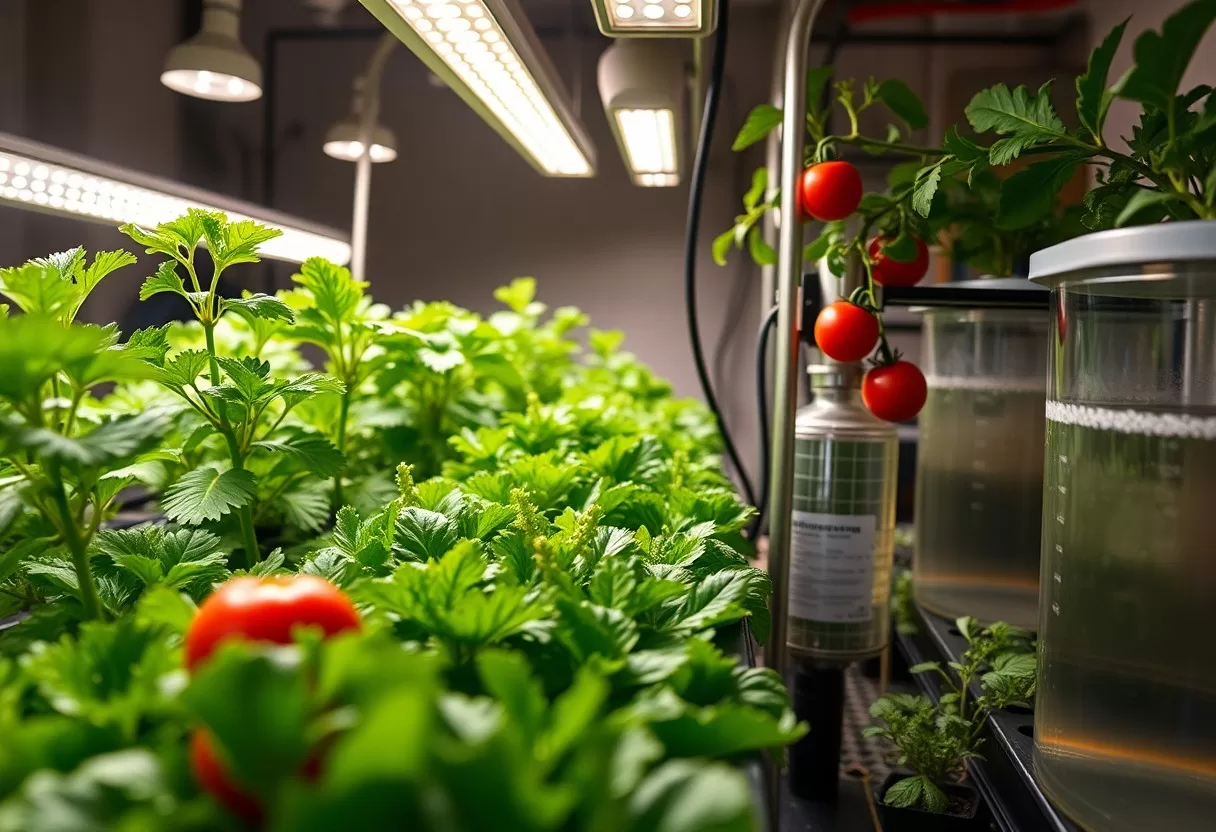
Key Takeaways:
- Hydroponic gardening allows for year-round crop production, eliminating the limitations of traditional seasonal farming, and enhancing food availability.
- This method uses significantly less water than conventional agriculture, promoting sustainability and reducing the environmental impact of food production.
- Hydroponic systems can be implemented in urban areas, enabling local food production and reducing transportation costs and carbon footprints associated with food delivery.
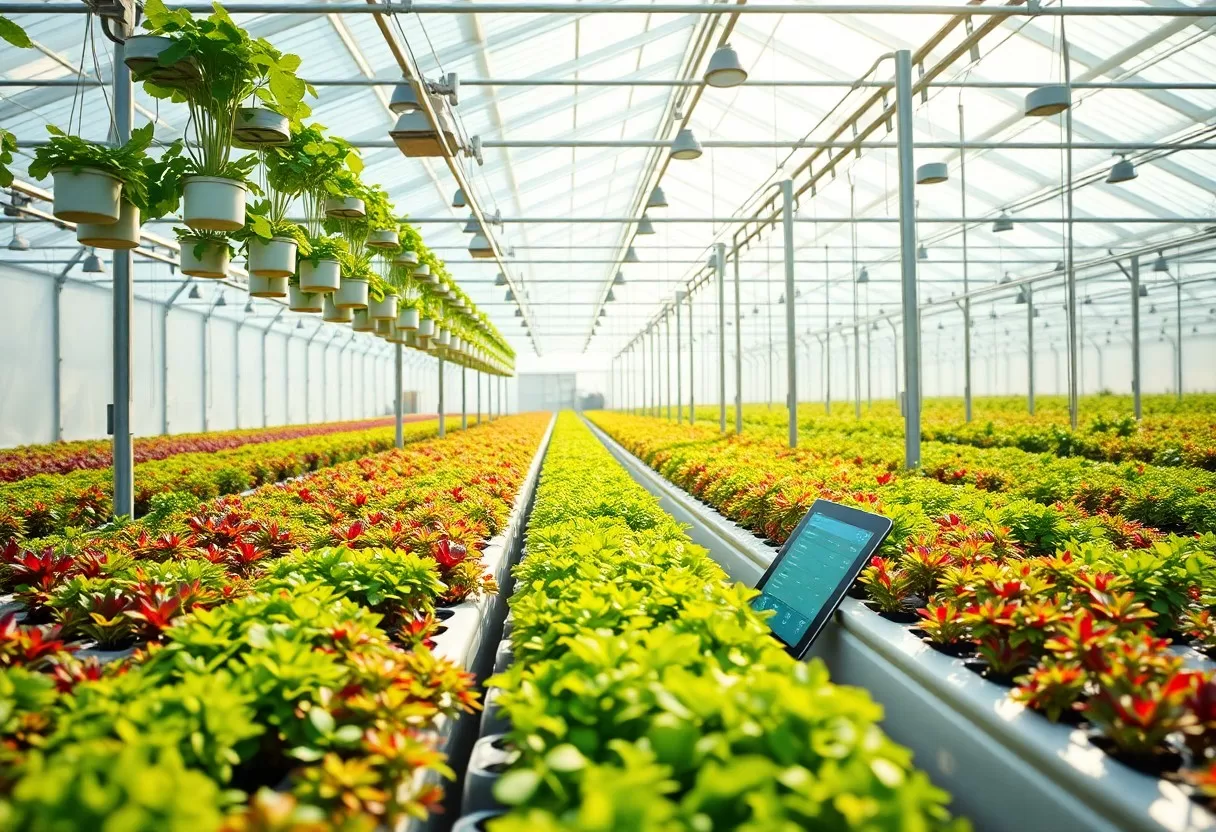
The Soil-less Revolution: How Hydroponic Gardening Works
In hydroponic gardening, plants thrive without traditional soil, obtaining nutrients directly from a nutrient-rich solution. This method maximizes growth and allows for precise control over environmental factors like pH levels, temperature, and light exposure. By eliminating soil, you’ll experience faster growth rates and can grow a wide variety of plants in smaller spaces, making it an ideal choice for urban gardeners or those with limited outdoor area.
The Science Behind Hydroponics
Hydroponics relies on understanding plant biology and nutrient uptake mechanisms. In this system, plants absorb minerals and nutrients dissolved in water rather than relying on soil microbiota for sustenance. Key nutrient elements such as nitrogen, phosphorus, and potassium are perfectly balanced to promote optimal growth conditions and can be adjusted to meet the specific needs of each plant type you choose to cultivate.
Key Components of a Hydroponic System
A hydroponic system consists of several important components, including a nutrient solution, a growing medium, and a delivery system to reach the plants’ roots. Each component plays a vital role in delivering the necessary nutrients and providing a supportive environment for successful plant growth.
The nutrient solution is typically water enriched with a mix of important minerals and trace elements required for optimal plant health. Your choice of growing medium, whether it’s rock wool, coconut coir, or clay pellets, affects factors like aeration and moisture retention. Additionally, effective delivery systems—ranging from drip systems to nutrient film techniques—determine how efficiently your plants receive these nutrients. Embracing these components allows you to create a tailor-made hydroponic environment suited to your gardening ambitions.
Environmental Impact: A Sustainable Approach to Food Production
Hydroponic gardening presents a transformative approach to food production, merging efficiency with sustainability. By adopting these modern techniques, you not only cultivate healthier crops but also contribute positively to the environment. This method minimizes land use and enhances the ability to grow food in urban areas, thus promoting local food systems that reduce the strain on resources and ecosystems.
Reducing Water Usage and Waste
With traditional farming consuming approximately 70% of the world’s freshwater supply, hydroponic systems can use up to 90% less water. This efficiency stems from a closed-loop system, where water is recirculated, significantly decreasing waste and runoff contamination. You can then enjoy fresh produce while actively participating in water conservation efforts.
Lowering Carbon Footprint Through Localized Production
Localized hydroponic production reduces the need for transportation, which is a significant contributor to greenhouse gas emissions. By growing food where it’s consumed, you slash the average food miles, which, in the United States, can exceed 1,500 miles. This means fresher vegetables on your plate and a reduced dependency on fossil fuels for transportation.
Localized production is not only about reducing transportation; it also fosters community resilience. When you grow food in your neighborhood, the reliance on distant agricultural hubs decreases, promoting local economies and sustainable practices. Additionally, hydroponic farms can be set up in urban areas, effectively transforming vacant lots into lush food production sites. As a result, your community benefits from increased access to fresh produce, lower food costs, and a collective effort towards a more sustainable future.
Nutritional Advantages: Why Hydroponics Leads to Healthier Produce
Hydroponic systems significantly enhance the quality and nutritional value of the produce you grow, making it a standout choice for health-conscious consumers. By carefully controlling nutrient delivery and environmental factors, you ensure that your plants receive exactly what they need to thrive. This often results in more vibrant flavors and increased levels of vitamins and minerals compared to traditionally grown counterparts.
Enhanced Nutrient Profiles
The precision in hydroponics allows you to tailor nutrient solutions rich in calcium, potassium, and magnesium, which are necessary for plant growth. As a result, hydroponically grown crops frequently exhibit higher concentrations of beneficial compounds like antioxidants and phytochemicals. This careful nutrient management not only boosts the flavor but also amplifies the health benefits of your produce.
Pesticide-Free Benefits
Choosing hydroponics means you can enjoy truly fresh produce without the worry of harmful pesticide residues. In most hydroponic setups, the absence of soil eliminates the need for chemical pesticides typically used in conventional farming, leading to food that is safer for you and your family. This practice aligns with a growing trend toward holistic health and wellness, emphasizing natural growing methods.
Furthermore, the controlled environment of hydroponic systems minimizes pest infestations, significantly reducing your reliance on pesticides. For instance, studies show that hydroponically grown lettuce contains fewer pesticide residues compared to soil-grown varieties by as much as 70%. Enjoying fresh salads or herbs from your hydroponic garden means you can savor the purity of your food while supporting healthier eating habits around your household.
Economic Viability: Cost-Effective Solutions for Urban Farmers
Embracing hydroponic gardening offers urban farmers a pathway to financial sustainability. With increasing demand for fresh, local produce, hydroponics stands out as an efficient method that significantly reduces reliance on traditional farming inputs and maximizes space utilization. By implementing these innovative systems, you not only contribute to the local economy but also discover a scalable solution to meet today’s agricultural needs.
Start-Up Costs and Long-Term Savings
While initial investment in hydroponic systems can be higher than conventional farming, the long-term savings greatly outweigh the start-up costs. By leveraging energy-efficient technologies and automated nutrient delivery, you reduce labor expenses and minimize waste. Many urban farmers have reported cutting their water usage by up to 90%, translating to substantial savings over time, while also reducing their environmental footprint.
Market Trends Favoring Hydroponic Products
As consumer preferences shift towards sustainable and locally-sourced foods, hydroponic products are rapidly gaining traction in the marketplace. The organic food sector reports annual growth in sales, with hydroponically-grown produce often commanding premium prices due to its perceived freshness and nutritional value.
Market data shows that sales of hydroponically grown produce have grown significantly, with estimates indicating a 20% increase year-over-year. As urban populations continue to rise, the demand for fresh, bioavailable food options increases, further favoring hydroponic cultivation methods. Also, establishments like grocery stores and farmers’ markets frequently prioritize hydroponically grown products, meeting consumer desires for transparency and local sourcing. This trend not only reflects changing eating habits but also underscores the profitability of expanding your hydroponic gardening endeavors to meet burgeoning demand.
Transforming Food Security: Hydroponics and the Future of Urban Agriculture
Urban environments present unprecedented challenges for food production, often leading to significant food insecurity. Hydroponics offers a solution by enabling local food production in densely populated areas, effectively shortening the supply chain and reducing the need for long-distance transportation. With hydroponic systems, you can grow nutritious food right in your backyard or on rooftops, contributing to food sovereignty and increasing access to fresh produce. The potential to transform urban landscapes into vibrant, sustainable food sources becomes a reality as hydroponics gains traction.
Addressing Food Deserts with Innovative Solutions
Food deserts, often characterized by a scarcity of fresh produce and healthy options, can be effectively countered with hydroponic solutions. Innovative projects, such as container farms, utilize minimal space while producing high-yield crops like leafy greens and herbs. By placing these systems in underprivileged neighborhoods, you can directly provide community members with access to fresh food, improving overall health outcomes and combating diet-related illnesses.
Community Engagement and Education
Engaging the community is vital for the success of urban hydroponic initiatives. Workshops and hands-on training programs allow you to gain practical knowledge and skills in hydroponics. Collaborating with local schools can also inspire students and future generations to embrace sustainable practices. Educating individuals about the benefits of hydroponics fosters a sense of involvement and responsibility towards food production and environmental stewardship.
Community partnerships can amplify these efforts, where local organizations and businesses come together to create accessible learning environments. Schools might set up hydroponic systems in their curricula, leading to students understanding food systems comprehensively. Regular workshops can host neighborhood residents to experiment with growing their own food, strengthening both community ties and knowledge sharing. Involving you in these hands-on opportunities not only empowers you but also paves the way for a culture of sustainability and teamwork focused on addressing urban food challenges.
Conclusion
To wrap up, embracing hydroponic gardening offers you a sustainable and efficient way to grow your own food, regardless of space or soil conditions. By adopting this innovative method, you can enjoy fresher produce, reduced resource consumption, and a significantly lower carbon footprint. Investing in hydroponics empowers you to take control of your food production and could be key to addressing the future of sustainable agriculture. Start your journey today and reap the many rewards that come with this modern gardening technique.
FAQ
Q: What is hydroponic gardening and how does it work?
A: Hydroponic gardening is a method of growing plants without soil, instead using nutrient-rich water to provide the necessary minerals and elements for plant growth. In this system, plants are typically supported by an inert medium such as rock wool or clay pellets, and the roots are submerged in a water solution that contains all the important nutrients. This approach allows for more controlled growing conditions and often results in faster growth rates and higher yields compared to traditional soil gardening.
Q: What are the environmental benefits of hydroponic gardening?
A: Hydroponic gardening offers several environmental benefits. Firstly, it uses significantly less water than traditional farming methods, as the water in a hydroponic system is recirculated. This reduces water waste and minimizes the impact on local water resources. Secondly, hydroponic systems can be implemented in urban areas, reducing the transportation footprint associated with food production. They also eliminate the need for chemical pesticides and fertilizers that can harm the environment, leading to a more sustainable approach to growing food.
Q: Can hydroponic gardening be done at home, and what are the benefits of home hydroponics?
A: Yes, hydroponic gardening can easily be done at home, and it offers a variety of benefits. Home hydroponics allows individuals to grow fresh vegetables, herbs, and fruits year-round, regardless of the climate or seasonal changes. This provides access to healthier, organic produce without the need for chemical interventions. Additionally, it can be a rewarding hobby that promotes mindfulness and self-sufficiency. Home systems are available in various sizes and complexities, making it accessible for beginners as well as experienced gardeners.