
Starting a Butterfly Garden – A Guide for Beginners
This guide will help you transform your outdoor space into a vibrant sanctuary for butterflies. By understanding the necessary plants and habitats needed to attract these beautiful creatures, you can create a lush garden that supports their life cycle. Focusing on native plants and proper care techniques will not only enhance your garden’s visual appeal but also contribute to local biodiversity. Follow these steps to cultivate a haven for butterflies, and enjoy the rewards of beautiful pollinators gracing your garden.
Key Takeaways:
- Choose native plants that attract local butterfly species, providing a habitat and food source.
- Incorporate a variety of flowers that bloom at different times to ensure a continuous supply of nectar.
- Include host plants that cater to the larvae of butterflies, as they will be vital for the life cycle of the species.
- Provide sources of water, such as shallow dishes with rocks, to help butterflies stay hydrated.
- Avoid using pesticides and chemicals that can harm butterflies and other beneficial insects in the garden.
Selecting the Perfect Location for Your Garden
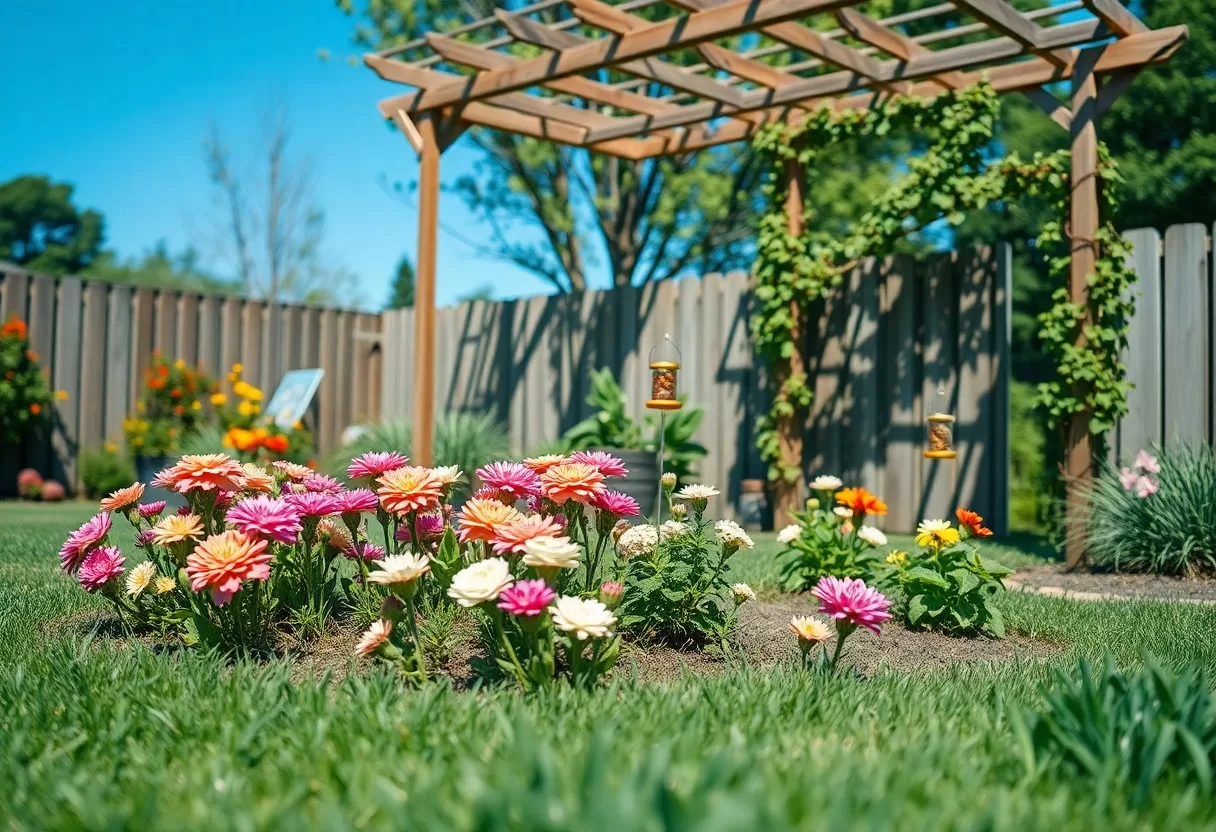
Your garden’s location plays a vital role in attracting butterflies and nurturing their lifecycle. Aim for a spot that offers a combination of sunlight and shelter. Look for areas near flowering plants and shrubs as these will provide both food and a safe haven for butterflies. Ideally, your garden should be sheltered from harsh winds and have easy access for you to maintain and enjoy the space.
Analyzing Sunlight and Shade Patterns
Butterflies thrive in full sun, so selecting a location with at least six hours of direct sunlight each day is beneficial. Observe how sunlight and shade shift throughout the day to avoid places that are too shady. You can try using a sun chart or just take notes during different times of the day to pinpoint the best areas for your plants.
Considerations for Proximity to Water Sources
Having your butterfly garden near a water source can significantly enhance its appeal. Water is crucial for butterflies, especially during hot days when they need to rehydrate. Consider placing a shallow basin or birdbath to provide both hydration and a safe drinking area. Additionally, having nearby natural sources like ponds or streams can foster a healthy ecosystem, attracting more butterflies and other beneficial insects to your garden.
Incorporating a water source doesn’t need to be complicated; even a simple, shallow dish filled with pebbles and water can suffice. This allows butterflies to land safely while sipping. Position your water source in a sunny spot, ideally near your flowers, so butterflies can have easy access to food and hydration simultaneously. Take care to refresh the water frequently to prevent stagnation, and always keep an eye out for any potential mosquito breeding, as standing water can attract unwanted pests.
Designing a Butterfly-Friendly Landscape
Creating a landscape that appeals to butterflies involves careful planning and consideration. Start by mapping out your garden space to ensure it has sun-drenched areas for butterflies to bask in and sheltered spots where they can escape harsh weather. Incorporate winding pathways lined with colorful flowers to entice these winged beauties, while also providing ample perches for them to land and rest. Maintaining a diversity of plants will not only enhance the visual appeal of your garden but also create a rich habitat that supports various butterfly species.
Choosing Native Plants and Their Importance
Opting for native plants is crucial in your butterfly garden, as they have evolved alongside local butterfly species and serve as naturally compatible food sources. These plants tend to require less maintenance, as they are well-adapted to your region’s climate and soil conditions. Moreover, native flora plays a vital role in promoting ecological balance, providing crucial resources for butterflies during their life cycles.
Creating Shelter and Nectar Sources
Integrating both nectar sources and shelter into your butterfly garden is fundamental to attracting and sustaining these pollinators. Nectar-rich flowers, such as coneflowers and milkweed, serve as vital food sources, while dense shrubs and ornamental grasses can offer shelter from predators and harsh weather. To provide a cozy environment, consider including small structures like brush piles or rock formations, which can serve as resting spots and places for butterflies to hide. A well-thought-out arrangement of flora and fauna ensures that butterflies can thrive in various stages of their life cycle, promoting a vibrant garden ecosystem.
The Role of Host Plants in Butterfly Lifecycle
Host plants are important for caterpillars, serving as their primary food source throughout their development. Each butterfly species has specific host plants that provide the necessary nutrients for growth and transformation. Without these plants, caterpillars would struggle to survive, limiting the butterfly population in your garden. By incorporating the right host plants, you create a welcoming environment that supports not just caterpillars but the entire life cycle of butterflies—from egg to chrysalis to adult.
Identifying Essential Host Plants for Local Butterflies
Start by researching the butterfly species native to your area to identify the host plants they require. For example, monarch butterflies are dependent on milkweed, while swallowtails often favor plants like fennel and dill. Local extension services or butterfly gardens can provide valuable insights into which plants thrive in your region, ensuring the sustainability of local butterfly populations.
Planting Strategies to Encourage Caterpillar Growth
Implementing strategic planting methods can enhance your butterfly garden and promote caterpillar growth effectively. Grouping host plants together not only makes it easier for butterflies to find them, but it also creates a more suitable microenvironment. Consider staggering planting times to ensure a continuous food supply throughout the growing season. Providing shelter—such as small bushes or grasses—can shield caterpillars from predators and harsh weather, increasing their chances of survival.
Additionally, ensure you use plants that are native to your region, as they are more likely to thrive and attract butterflies. Mixing plant heights and types can create diverse habitats appealing to various butterfly species, while also aiding caterpillar growth. Avoid using pesticides, as they can be harmful to caterpillars and adult butterflies. Instead, embrace natural methods of pest management, which support a thriving ecosystem in your butterfly garden.

Maintaining a Healthy Ecosystem
Creating a thriving butterfly garden goes beyond just planting beautiful flowers. It involves sustaining a balanced ecosystem where butterflies and other beneficial insects can flourish. Regularly monitoring your garden for signs of distress, such as wilting plants or uninvited pests, helps maintain health without compromising the environment. Incorporating mulch layers, practicing composting, and providing a water source will create a suitable habitat not just for butterflies, but all pollinators and wildlife. This harmonious approach allows you to enjoy a vibrant garden teeming with life.
Understanding Pest Management Without Chemicals
Adopting natural alternatives to combat garden pests is imperative in maintaining a butterfly-friendly environment. Techniques such as introducing beneficial insects like ladybugs and lacewings can effectively reduce pest populations without the use of harmful chemicals. You can also practice companion planting, where certain plants, like marigolds or garlic, deter pests while not harming desirable species. Regularly inspecting your plants for early signs of infestations enables you to manage these challenges organically.
Fostering Biodiversity to Attract More Species
Enhancing biodiversity within your butterfly garden will not only attract more butterfly species but also promote a resilient ecosystem. Planting a diverse array of native flora ensures a continual bloom throughout the seasons, providing necessary food and shelter for various life stages of butterflies and other pollinators. By incorporating plants with differing heights, colors, and flowering times, you invite a wider variety of species. Including herbs, shrubs, and grasses can attract not just butterflies, but bees, birds, and other wildlife, creating a thriving habitat that supports an intimate relationship between your garden and local ecosystems.
You might consider adding plants such as milkweed, coneflowers, and bee balm as they not only support butterflies but also serve as food sources for bees and birds. Native plants evolve with local ecosystems, thus, fostering a resilient garden. For instance, a butterfly bush paired with clusters of wildflowers can create an inviting haven for a diverse array of species. Plan for multiple heights and colors to keep your garden visually appealing while ensuring its ecological function, inviting vibrant life throughout the growing season and beyond.
Engaging with the Butterfly Community
Connecting with the butterfly community enhances your gardening experience, allowing you to share insights, seek advice, and celebrate the beauty of these creatures with others. Engaging with fellow butterfly enthusiasts provides opportunities to learn about new species, conservation efforts, and best practices to maintain your garden’s health. By participating in local events or online platforms, you will form meaningful relationships with others who share your passion for butterflies and nature.
Joining Local Conservation Groups and Networks
Local conservation groups often focus on promoting biodiversity and educating the community about the importance of butterflies and their habitats. By joining these organizations, you can participate in workshops, volunteer for events, and gain valuable knowledge about effective gardening practices. Many groups also organize citizen science initiatives, encouraging you to contribute to butterfly monitoring projects while fostering your passion for conservation.
Sharing Your Garden Journey on Social Media
Documenting and sharing your butterfly garden journey on social media not only inspires others, but also connects you with a broader community of like-minded individuals. Use platforms like Instagram or Facebook to post pictures, share tips, and showcase the variety of butterflies that visit your garden. Engaging with hashtags such as #butterflygarden or #butterflywatch helps you reach a wider audience. You can gain feedback, exchange ideas, and perhaps even discover butterfly gardening events in your area as you connect with fellow enthusiasts, ultimately enriching your experience as a gardener.
To wrap up
The journey of starting a butterfly garden can be both rewarding and enjoyable, enhancing your outdoor space while supporting local ecosystems. By selecting the right plants, providing adequate shelter, and ensuring a water source, you create an inviting habitat for butterflies. As you monitor their activity and growth, you’ll gain valuable insights into their life cycles and behaviors. Embrace the joy of gardening as you nurture these magnificent creatures, and enjoy the vibrant beauty they bring to your environment.
FAQ
Q: What is a butterfly garden?
A: A butterfly garden is a specially designed area that provides an inviting habitat for butterflies. It usually contains a variety of nectar-rich flowering plants, host plants for caterpillars, and elements like water sources and shelter. The goal is to attract diverse butterfly species and support their life cycle.
Q: What types of plants should I include in my butterfly garden?
A: To create a successful butterfly garden, incorporate a mix of nectar plants and host plants. Nectar plants can include species like milkweed, coneflower, and lantana. Host plants, which caterpillars feed on, may include plants like dill or parsley for swallowtails and mustard plants for cabbage whites. Selecting native plants can also enhance your garden’s appeal to local butterfly populations.
Q: How can I attract butterflies to my garden?
A: Attracting butterflies involves several strategies. Plant a variety of flowering plants that bloom at different times throughout the season to ensure a continuous food source. Ensure that the garden receives plenty of sunlight and has sheltered areas for butterflies to rest. You can also include shallow water sources and sandy patches for them to sip and bask in. Avoid using pesticides, as these can harm butterflies and their larvae.
Q: Is there a specific time to start planting a butterfly garden?
A: The best time to start a butterfly garden varies depending on your location, but generally, spring is ideal as temperatures begin to warm up. This timing allows plants to establish roots before the peak butterfly activity in summer. However, you can also plant in early fall in some regions for spring blooms. Always check your local climate for the best planting schedule.
Q: How can I maintain my butterfly garden over time?
A: Ongoing maintenance for a butterfly garden includes regular watering, pruning, and mulching to keep plants healthy. Keep an eye on plant health and remove any dead or diseased specimens. It’s also beneficial to create a diverse environment by adding new plants and ensuring there are ample host plants for caterpillars. Observing butterfly activity can provide insights into which plants are most effective in attracting local species.