
Age‑Friendly Design – Universal Principles for Living in Place
Accessibility is a fundamental aspect of age-friendly design, ensuring that your living space accommodates the needs of individuals of all ages and abilities. Incorporating universal design principles not only enhances your comfort and safety but also fosters independence and dignity. By prioritizing features like easy navigation, effective lighting, and adaptable spaces, you can create an environment where you flourish, regardless of age or mobility challenges. This blog post will explore important strategies to optimize your home for a better quality of life as you age in place.
Key Takeaways:
- Focus on flexibility and adaptability in design to accommodate the changing needs of individuals over time.
- Incorporate features that enhance accessibility, such as wider doorways, ramps, and clear signage to support safer navigation.
- Promote social interaction and community engagement by creating common spaces that encourage connection among residents.
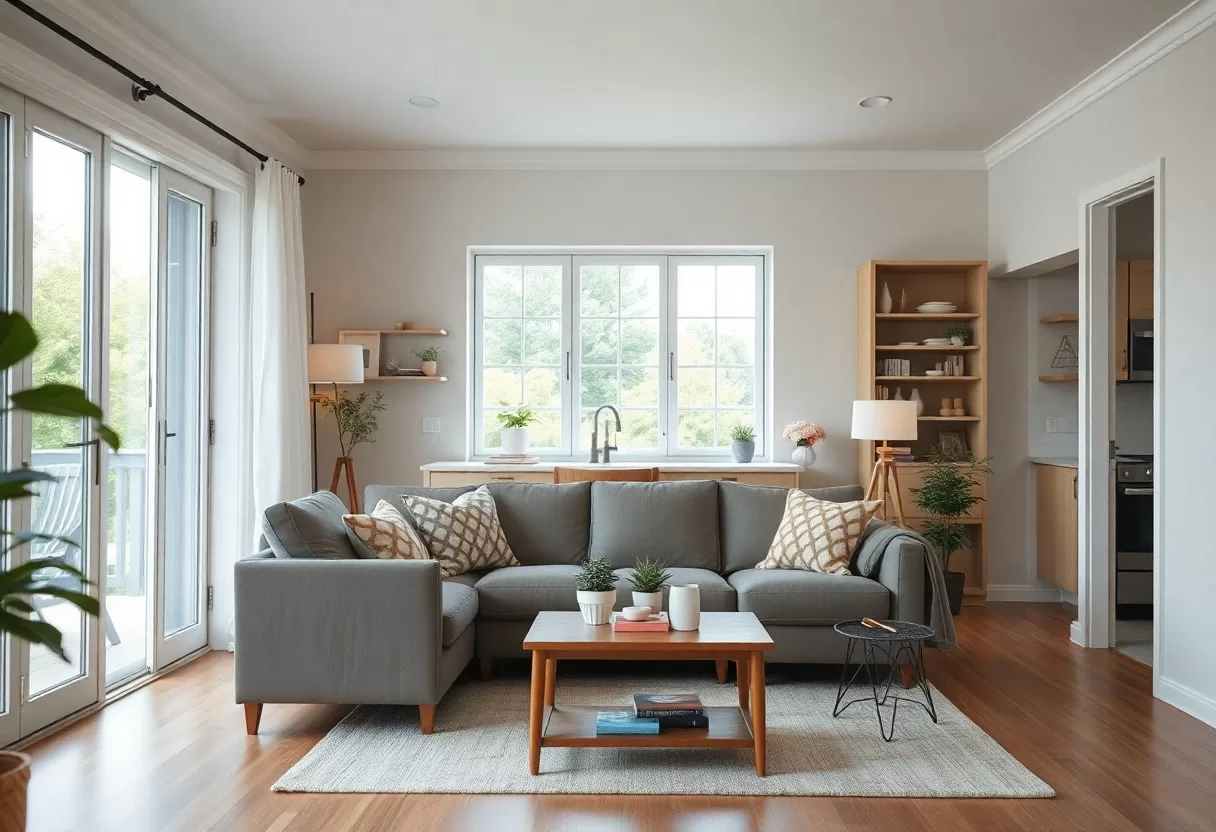
Understanding Age-Friendly Design
Definition and Importance
Age-friendly design focuses on creating environments that accommodate the unique needs of older adults, promoting independence and enhancing quality of life. It ensures that your living space, community infrastructure, and services are accessible, safe, and inclusive, allowing you to engage fully regardless of age or ability. Prioritizing this design approach benefits everyone, as it fosters greater social participation and reduces isolation.
Historical Context and Evolution
Historically, age-friendly design emerged as societies began to recognize the rights and dignity of older individuals. In the 20th century, the shift towards inclusivity gained momentum through various initiatives, such as the United Nations’ (UN) Age-Friendly Cities program, launched in 2006. This initiative encouraged cities to reassess their infrastructures to improve accessibility, participation, and health for older residents. As populations age globally, the principles of age-friendly design have evolved to encompass advances in technology, sustainability, and community engagement, continuously adapting to new challenges and opportunities.
Since the UN’s initiative, more than 1,000 cities across multiple countries have committed to becoming age-friendly, implementing features like low-impact transportation options, community gardens, and easily navigable public spaces. You can observe how innovations like smart home technologies and digital health solutions have emerged as part of this evolution, contributing to your ability to live independently while staying connected to support networks. As more individuals advocate for universal design principles, age-friendly environments will increasingly prioritize your needs and preferences, illustrating a comprehensive approach to support aging populations.
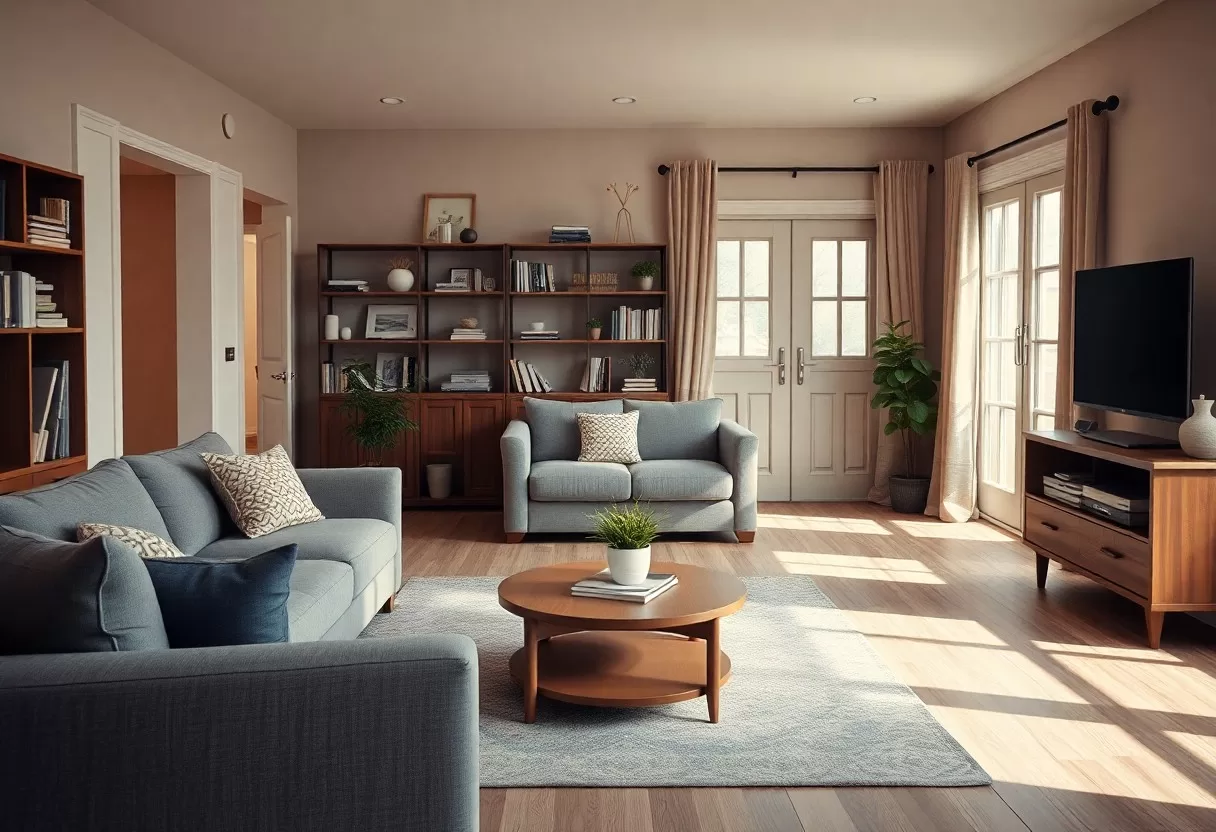
Universal Design Principles
Universal design principles lay the groundwork for environments that cater to diverse populations, especially as they age. These principles ensure that spaces are not only functional but also inviting, allowing you to engage fully in your surroundings. The goal is to create products and environments that are accessible to all, regardless of age, ability, or circumstance.
Accessibility and Mobility
Accessibility and mobility are vital for fostering independence in daily living. You should find pathways, entrances, and interiors designed to accommodate mobility devices while ensuring ease of movement. For instance, curb cuts and wide doorways significantly enhance access for everyone, minimizing barriers that restrict your ability to navigate your community.
Safety and Security
Safety and security are fundamental elements in age-friendly design. You should feel confident that your environment protects you from falls and other accidents. Features like non-slip surfaces, adequate lighting, and clear sightlines play an important role in enhancing your perception of safety in both private spaces and public areas.
Incorporating innovative safety measures can further enhance your living experience. For instance, installing automatic lighting in hallways reduces the risk of falls at night, while security systems can provide peace of mind. Additionally, the use of visual and auditory alarms helps ensure you are aware of emergencies, contributing to a more secure atmosphere. Integrating these elements into your living space fosters well-being, allowing you to focus on daily activities without constant worry.
Flexibility and Adaptability
Flexibility and adaptability in design ensure that your living space can evolve with your changing needs. You might benefit from adjustable furniture, which allows you to modify your surroundings based on your current abilities. Spaces that can be easily reconfigured or expanded cater to different activities and preferences, promoting long-term usability.
As your needs evolve, having adaptable spaces becomes increasingly significant. For instance, adjustable kitchen counters can accommodate both cooking and dining needs at different heights, while modular furniture can shift from an entertainment area to a workspace seamlessly. By prioritizing flexibility in your environment, you enhance your quality of life, making it easier to age in place comfortably and confidently.
Creating Inclusive Communities
Inclusive communities thrive on the principles of universal design that foster accessibility and participation for all ages. By prioritizing shared spaces such as parks, community centers, and local markets, you create environments where everyone feels welcome and valued. These spaces should encourage diverse activities and promote interaction, enhancing the overall quality of life for residents. The aim is to reduce barriers and build a more cohesive society where people of all abilities can contribute and benefit.
Social Engagement and Interaction
Your community should foster strong social ties, which can significantly enhance well-being. Incorporating features like accessible gathering spots and organized group activities encourages residents to connect and interact. Enabling easy participation in events and workshops helps combat isolation, fostering a vibrant, supportive network where everyone can thrive and contribute their unique perspectives.
Supportive Infrastructure
A well-designed infrastructure can transform daily life by ensuring you have access to vital services and social opportunities. Focus on developing reliable public transportation, safe walking paths, and accessible facilities, which all contribute to creating interconnected spaces that encourage movement and engagement across varying lifestyles and abilities.
To illustrate, cities like Portland, Oregon, have implemented comprehensive transit systems that prioritize accessibility, enabling individuals to navigate their neighborhoods effortlessly. Investments in lighting and signage can enhance visibility and safety, especially for older residents. When you design communities with supportive infrastructure in mind, you not only promote independence but also instill a sense of belonging, ultimately leading to healthier, more resilient populations. Well-designed environments encourage frequent interaction, further enriching the social fabric of your community.
Environmental Considerations
Incorporating sustainability in design significantly enhances your living environment, fostering not only comfort but also ecological responsibility. Prioritize energy efficiency, natural lighting, and water conservation in your home. Using technologies such as Universal Design for Aging in Place: The Secret to a Senior … can transform spaces into age-friendly habitats that respect both users and nature.
Sustainable Materials and Practices
Choosing sustainable materials is vital for creating an age-friendly home. Select products such as reclaimed wood and low-VOC paints to improve indoor air quality and environmental impact. Incorporate energy-efficient appliances and ensure that your project uses resources sustainably to reduce waste and promote longevity.
Outdoor Spaces and Green Areas
Designing outdoor spaces effectively enhances your quality of life. Accessible pathways, benches, and gardens cater to your mobility and sensory needs, encouraging daily interaction with nature. These areas can significantly impact your physical and mental well-being, offering opportunities for exercise, relaxation, and socialization.
Incorporating features like raised garden beds allows you to engage in gardening without physical strain, while sensory gardens filled with aromatic plants stimulate your senses. Safe, well-lit paths equipped with seating areas create inclusive environments that invite community interaction. The design of outdoor spaces should prioritize ease of access and safety, fostering environments where you can thrive socially and physically.
Implementation Strategies
Effective implementation of age-friendly design principles requires a structured approach, balancing community needs with available resources. You can tackle challenges by integrating adaptable solutions that promote accessibility and inclusivity. Collaborating with planners, architects, and local organizations ensures that various perspectives are considered, paving the way for sustainable initiatives that genuinely enhance the living experience for older adults.
Policy and Funding Frameworks
Establishing adequate policy and funding frameworks is imperative for age-friendly initiatives. You should advocate for government programs that prioritize funding for community renovations, focusing on accessibility improvements. Allocating resources towards subsidizing retrofits and grants can empower communities to implement necessary changes while fostering a culture of age-friendliness through clear policy directives.
Collaboration Between Stakeholders
Collaboration among diverse stakeholders, including local governments, non-profits, and the community, drives effective age-friendly design. By fostering partnerships, you can amplify resources, share best practices, and strengthen advocacy efforts. Engaging with older adults directly ensures their voices inform the design process, resulting in solutions that meet real community needs.
Building successful collaborations involves creating a shared vision that aligns interests among stakeholders. For instance, a local non-profit can partner with municipal authorities to develop training programs for designers focused on age-friendly principles. By hosting community workshops, you enable dialogue that incorporates feedback from older residents, maximizing engagement and facilitating ongoing support. These partnerships generate innovative funding strategies while promoting community ownership of the age-friendly agenda, increasing overall impact and sustainability for long-term improvements in living environments.
Case Studies and Best Practices
Examining multiple case studies reveals effective applications of age-friendly design principles. Below are significant examples illustrating practical implementations:
- Project A: Renovated 15 home units, incorporating lever door handles and curbless showers, which increased accessibility by 40%.
- Project B: A community center redesigned to include wide pathways and outdoor seating, leading to a 60% increase in elder participation.
- Project C: A successful aging in place initiative added visual contrast elements in 12 homes, significantly reducing falls by 25%.
For more insights, see 5 Design Elements to Help You Age in Place.
Successful Age-Friendly Projects
Several projects exemplified success in implementing age-friendly standards. Projects that focused on lighting enhancements, non-slip surfaces, and smart home technologies reported higher resident satisfaction rates and lower incident reports of accidents.
Lessons Learned from Implementation
Over the course of these implementations, critical lessons surfaced regarding user engagement and adaptability. Flexibility in design allowed for customization based on specific resident feedback and evolving needs.
Further insights reveal the importance of involving the end users in the design process. Engaging residents early facilitated tailored adjustments, improving functionality and emotional connections to their environments. Feedback indicated that individuals valued spaces that echoed their preferences, highlighting a direct correlation between user satisfaction and intentional design choices.
Summing up
From above, you can see that age-friendly design integrates universal principles that empower you to live comfortably and independently in your own space. By embracing these principles, you enhance accessibility, safety, and convenience in your home, which allows you to maintain autonomy as you age. Implementing such practices not only benefits you but also creates a more inclusive environment for everyone. Continuously considering these design elements will ensure that your living space meets your evolving needs while promoting your well-being.
FAQ
Q: What are the core principles of Age-Friendly Design?
A: The core principles include accessibility, adaptability, and safety. These principles aim to create environments that cater to the needs of individuals of all ages and abilities, fostering independence while minimizing risks of injury.
Q: How can Age-Friendly Design enhance community living?
A: Implementing Age-Friendly Design in community spaces promotes social interaction, encourages active lifestyles, and provides necessary services closer to residents. This results in stronger community bonds and improved overall well-being among residents.
Q: What role does technology play in Age-Friendly Design?
A: Technology enhances Age-Friendly Design by offering smart solutions, such as automated lighting, health monitoring systems, and user-friendly interfaces. These innovations contribute to greater autonomy and improve quality of life for older adults and individuals with disabilities.