
Adaptive Reuse – Giving Old Buildings New Purpose
Adaptive reuse allows you to transform underutilized historical structures into modern spaces that serve contemporary needs. By embracing this practice, you can contribute to sustainability by reducing waste and preserving cultural heritage. With that, you also take part in revitalizing communities, attracting new businesses, and fostering local economies. This approach not only honors the past but also pushes for a dynamic future, where old buildings gain fresh significance in your urban landscape.
Key Takeaways:
- Adaptive reuse promotes sustainability by reducing waste and preserving historical architecture.
- It can revitalize communities by transforming underused spaces into functional, vibrant areas.
- Adaptive reuse projects often contribute to economic growth by attracting businesses and tourism.
Uncovering the Value of Historic Structures
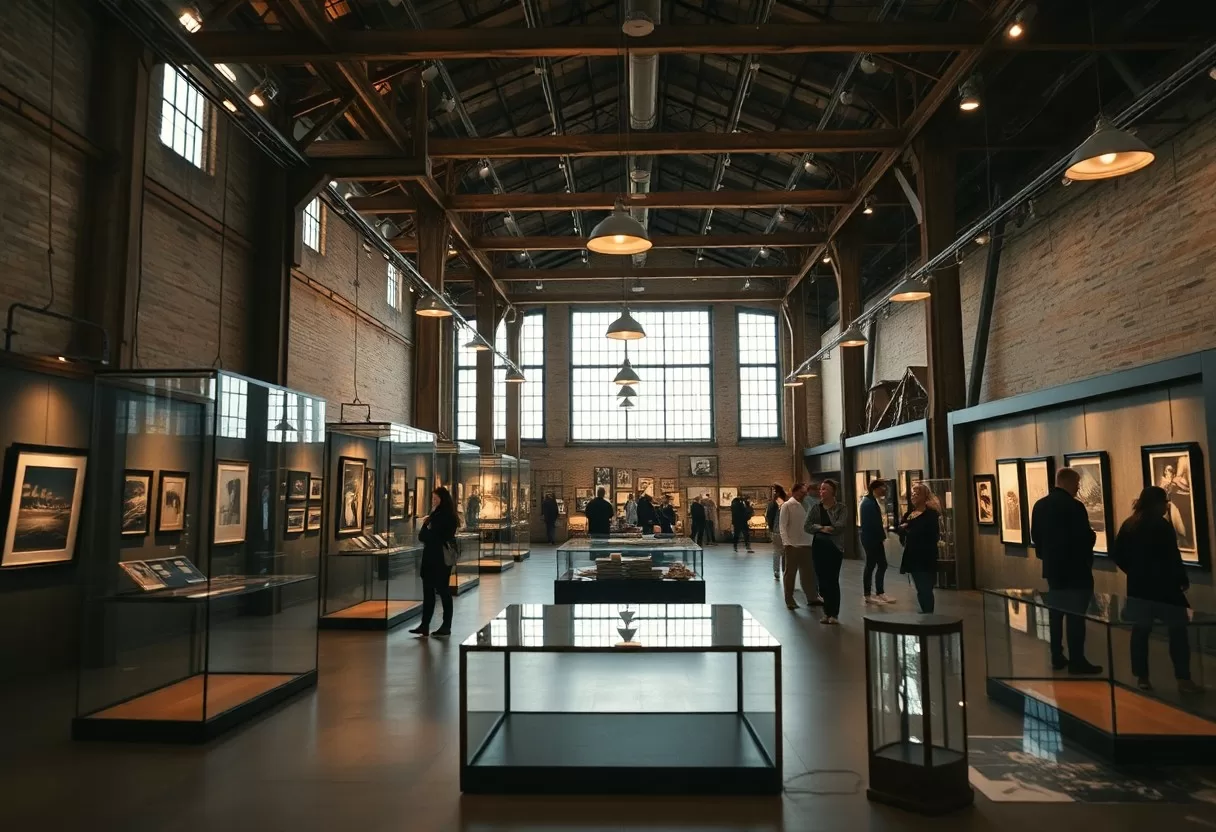
Historic buildings embody your community’s identity, holding stories and memories that connect generations. Preserving these structures not only maintains architectural diversity but also fosters a sense of place. You’ll find that recognizing the cultural heritage inherent in these sites enhances community pride, encourages tourism, and helps keep local traditions alive. Through adaptive reuse, even the most modest buildings can regain their significance, thereby enriching the urban landscape.
The Cultural Significance of Preservation
Preserving historic buildings provides a link to the past, reflecting architectural styles, societal values, and historical events. By maintaining these sites, you not only honor the artistry of previous generations but also create a backdrop for contemporary cultural experiences. Engaging the community in the preservation process reinforces connections to local history, ensuring that stories of the past remain a vibrant part of everyday life.
Economic Benefits of Adaptive Reuse
Adaptive reuse offers substantial economic advantages, often costing less than new construction. By repurposing existing structures, you save on materials, labor, and site preparation. Studies show that areas with adaptive reuse projects frequently see a rise in property values as well as increased foot traffic, leading to thriving local businesses. Additionally, these projects often qualify for tax incentives and grants, providing further financial relief while stimulating the economy.
The financial impact of adaptive reuse projects can be significant. For example, a study conducted by the National Trust for Historic Preservation found that preserved buildings can yield returns of up to 400% on renovation costs. Not only does this strategy save money by maximizing existing resources, but it also creates jobs in construction, design, and tourism. In revitalizing neighborhoods, adaptive reuse can generate millions in tax revenues that benefit local governments, making it a smart choice for both your community and your wallet.
Transforming Spaces: Innovative Examples
Adaptive reuse projects illustrate the creativity and resourcefulness of architects and developers who breathe new life into neglected buildings. From warehouses transformed into boutique hotels to old factories repurposed into community spaces, these innovative examples demonstrate the potential of previously underutilized structures. They not only retain the character of the original design but also introduce modern amenities, enhancing both functionality and aesthetic appeal.
Industrial to Residential: A New Lease on Life
Old warehouses and factories are increasingly being converted into residential units, offering unique living spaces that blend historic charm with modern design. These transformations have turned once-abandoned spaces into vibrant neighborhoods, attracting those who seek distinctive homes with stories to tell. The combination of original architectural features and contemporary finishes makes them particularly appealing.
Schools to Art Studios: Breathing Life into Education
Transforming former schools into art studios revitalizes community engagement and fosters creativity. These spaces provide artists with the room to create while maintaining the building’s educational legacy. Local governments and organizations often support such initiatives, recognizing the potential for cultural enrichment that new art spaces can bring to the area.
Repurposing schools into art studios ensures the preservation of educational values while promoting artistic endeavors. By retaining elements like chalkboards and gymnasiums, these adaptations create unique environments that inspire creativity. For instance, the former Saint Patrick’s School in New Orleans now houses multiple artists’ studios, showcasing local talent and hosting community art events. This not only honors the building’s past but also enriches the neighborhood’s cultural landscape, proving that education and art can coexist and enhance one another.
Environmental Impact: Sustainability in Action
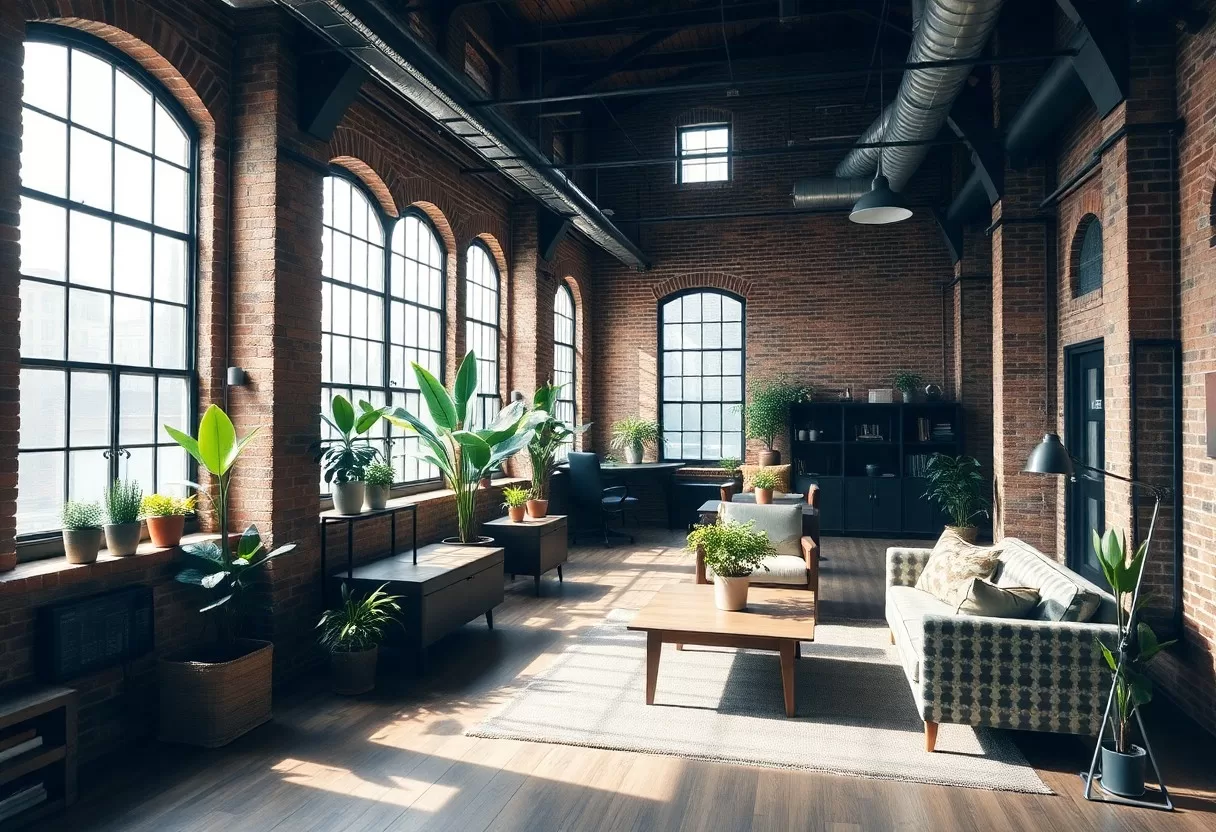
Adaptive reuse actively contributes to sustainability by breathing new life into old structures, reducing the demand for new materials and minimizing environmental degradation. This process not only preserves cultural heritage but also addresses pressing environmental issues such as climate change. By prioritizing the remodel of existing buildings, you can promote more efficient land use and encourage community engagement with historical sites.
Reducing Waste Through Repurposing Materials
Repurposing materials from historic buildings significantly reduces construction waste, diverting substantial amounts from landfills. You can salvage bricks, timber, and fixtures, integrating them into your new design while maintaining the essence of the original structure. This approach supports circular economy principles, minimizes resource consumption, and enhances the uniqueness of your project through authentic materials.
Lowering Carbon Footprint with Existing Structures
Renovating existing buildings inherently lowers your carbon footprint by avoiding the energy-intensive processes associated with new construction. Restoring a structure can save up to 80% of the emissions that would occur if you were to demolish and rebuild. By simply updating systems such as heating and cooling, you can further enhance energy efficiency while preserving valuable materials that have already been produced.
Emphasizing the reuse of existing structures not only represents a sustainable choice but also maximizes your investment. Consider that the embodied energy in older buildings—energy used in their construction and maintenance—remains largely untapped. Studies show that you can achieve energy savings of up to 30% just by retrofitting buildings with modern systems, demonstrating that maintaining and restoring older buildings is not just environmentally sound, but economically advantageous as well.
The Role of Community in Adaptive Reuse
Community involvement is important for successful adaptive reuse projects, often determining their overall acceptance and sustainability. Engaging local residents not only helps identify the needs and desires of the area but also fosters a sense of ownership and pride in the revitalized space. Harnessing the unique perspectives and cultural significance of these structures strengthens community bonds, as you collaboratively shape a space that reflects your shared values and aspirations.
Engaging Local Stakeholders for Support
Involving local stakeholders, such as neighborhood associations, businesses, and government agencies, can significantly enhance the effectiveness of adaptive reuse initiatives. Building relationships with these groups allows for a comprehensive understanding of the community’s needs and generates wider support for projects. By facilitating open dialogue and transparency, you create buy-in that helps secure both funding and resources necessary for successful implementation.
Fostering a Sense of Place Through Collaborative Design
Collaborative design actively influences how adaptive reuse projects resonate within the community. Together with local architects, artists, and residents, you can explore innovative design solutions that honor the building’s history while integrating modern functionality. This collective approach encourages diverse voices, ensuring the end result embodies the collective identity and aspirations of the community.
When you engage in collaborative design processes, the outcomes often reflect a shared vision that resonates emotionally with community members. For example, the transformation of the former *Filene’s Basement* in Boston into a vibrant mixed-use destination involved input from numerous local stakeholders, resulting in a design that maintains the building’s historic charm while offering modern amenities. This synergy not only revitalizes the space but also deepens the community’s connection to its heritage, fostering a unique and meaningful sense of place that transcends mere functionality.
Navigating Challenges: Regulations and Funding
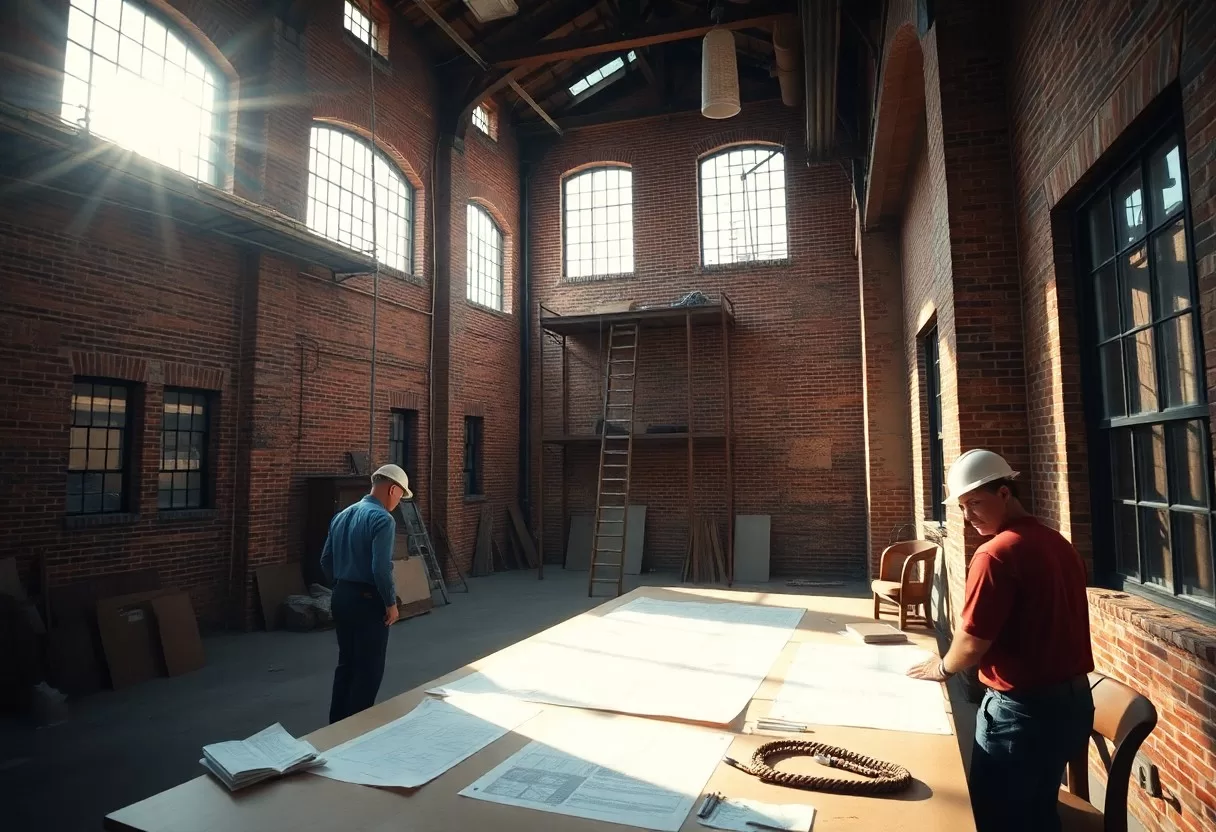
Transforming old buildings into functional, modern spaces often involves wrestling with complex regulations and securing adequate funding. Local, state, and federal laws can dictate how you approach adaptive reuse, influencing everything from design to occupancy. Understanding the intricacies of these regulations and identifying potential financial resources will equip you to successfully navigate this transformative process.
Zoning Laws: Finding Flexibility Amidst Restrictions
Zoning laws frequently pose challenges, often restricting the types of activities that can occur in historic structures. However, many municipalities offer flexibility regarding variances or special use permits that allow for creative adaptations. Engaging with local planning officials early can uncover opportunities to align your project with community goals, ultimately paving the way for innovative solutions while respecting historical significance.
Securing Financial Incentives for Projects
Accessing financial incentives can significantly offset renovation costs, making your adaptive reuse project more viable. Numerous programs, such as historic tax credits, federal and state grants, and low-interest loans, are available to support developers. By leveraging these incentives, you can enhance your project’s feasibility while preserving the architectural heritage of your community.
For example, the Federal Historic Tax Credit allows property owners to deduct 20% of rehabilitation costs from their federal taxes, incentivizing significant investments in historic buildings. Additionally, specific states may offer their own credits or grants targeted at preserving local heritage. Understanding the intricacies of these financial incentives enables you to access vital resources, ensuring your adaptive reuse project not only maintains the building’s historical integrity but also becomes a sustainable and economically viable enterprise.
Final Words
Ultimately, engaging in adaptive reuse allows you to breathe new life into old buildings, preserving their historical essence while meeting contemporary needs. This approach not only enhances your community’s character but also promotes sustainability by reducing waste and energy consumption. By investing in adaptive reuse projects, you contribute to the revitalization of spaces that tell a story, ensuring they remain relevant and functional for future generations. Embracing this innovative practice can transform your perspective on architectural heritage and inspire a deeper appreciation for the places that shape your environment.
Q: What is adaptive reuse?
A: Adaptive reuse is the process of repurposing old buildings for new uses while retaining their historic features. This approach helps preserve cultural heritage and reduces environmental impact by minimizing demolition and waste.
Q: What are the benefits of adaptive reuse?
A: Benefits of adaptive reuse include sustainability through resource conservation, economic advantages by revitalizing neighborhoods, preservation of historical value, and the creation of unique spaces that reflect the community’s character.
Q: What types of buildings can undergo adaptive reuse?
A: Almost any type of building can be adapted for reuse, including factories, warehouses, churches, schools, and historic homes. The key is to find a new purpose that fits the structure’s original character while meeting modern needs.