
Adaptive Reuse – Transforming Old Warehouses and Factories into Stylish Homes
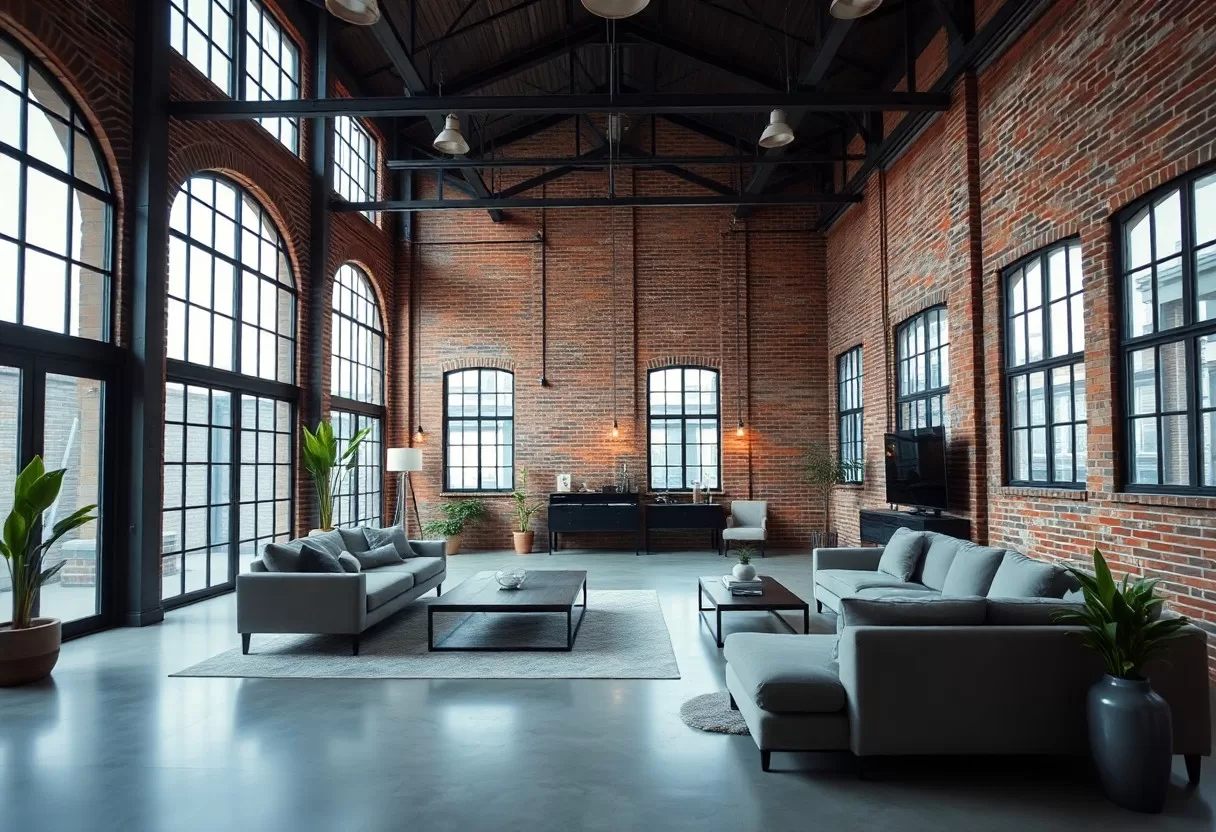
Reuse of old warehouses and factories offers you a unique opportunity to create stylish homes filled with character and history. By embracing adaptive reuse, you can transform abandoned industrial spaces into vibrant living areas that reflect your personal style. This sustainable approach not only preserves architectural heritage but also addresses the growing housing demand, turning unused properties into desirable real estate. You can enjoy the blend of modern amenities with the charm of historical elements, all while contributing to environmental sustainability.
Key Takeaways:
- Adaptive reuse preserves historical architecture while meeting modern housing demands.
- Transforming warehouses and factories can enhance urban aesthetics and promote sustainable living.
- The process often involves innovative design solutions that maintain the building’s original character.
The Concept of Adaptive Reuse
Adaptive reuse represents a sustainable approach to urban development, breathing new life into old structures. By redefining the function of warehouses and factories, it transforms abandoned spaces into livable environments that honor the past while catering to contemporary needs. This strategy not only preserves historical elements but also reduces environmental impact, making it a wise choice for future-oriented housing solutions.
Definition and Purpose
At its core, adaptive reuse involves repurposing existing buildings for new uses while retaining significant features from their original design. This method aims to fulfill modern demands for housing and commercial space, significantly reducing the need for new construction. The purpose is twofold: to revive communities and to promote sustainability by minimizing waste and conserving resources.
Historical Context and Evolution
The concept of adaptive reuse has evolved over time, deeply rooted in the Industrial Revolution when factories began closing due to technological advancements. Since the late 20th century, urban areas have seen a resurgence in interest for these once-neglected spaces, leading to projects that transform them into homes, offices, and cultural centers. Historic warehouses in cities like New York and Chicago serve as prime examples, showcasing how adaptive reuse can revitalize neighborhoods and restore architectural heritage.
The industrial landscape changed dramatically during the late 19th and early 20th centuries, with factories and warehouses dominating urban settings. As industries relocated or closed, these structures fell into disrepair, leading to a significant urban decline. The 1970s and 80s marked a turning point, as preservationists and developers recognized the potential of these buildings. Successful projects like the Chelsea Market in New York and the conversion of the former Biscuit Factory in London illustrate how adaptive reuse can spark economic growth, create vibrant communities, and maintain the architectural narrative of cities.
Benefits of Transforming Industrial Spaces
Transforming old warehouses and factories into stylish homes offers numerous benefits, enhancing urban life and providing unique housing solutions. You gain not only a distinctive aesthetic but also a connection to the historical context of your environment. This approach fosters community revitalization, making previously neglected areas appealing and vibrant once again.
Environmental Impact
By repurposing existing structures, you significantly reduce waste and decrease the demand for new materials. This practice lowers your carbon footprint, preserves natural resources, and minimizes urban sprawl. It’s an effective way to contribute to sustainability while enjoying a one-of-a-kind living space.
Economic Advantages
Investing in adaptive reuse can lead to substantial economic benefits. You often face lower costs compared to ground-up construction, as existing buildings require less raw material and labor. Additionally, revitalized neighborhoods attract new businesses, improving local property values and generating increased tax revenues.
The economic advantages extend beyond initial savings. With the rising trend of urban living, newly transformed residential units in converted industrial spaces often command premium prices, creating lucrative opportunities for developers and homeowners alike. In cities like Detroit, renovated warehouses have seen price increases of up to 50% in just a few years, showcasing the potential for significant appreciation in property value. Furthermore, by participating in these projects, you support job creation within the community, providing a dual benefit of enhanced living conditions and economic growth.
Design Strategies for Stylish Homes
When reimagining old warehouses and factories into stylish homes, employing effective design strategies is important. You can prioritize open floor plans that maximize natural light, creating inviting spaces while accentuating the unique architectural elements. For inspiration, check out Industrial Reuse: 8 Forgotten Factories Repurposed as … to see innovative examples that marry history with contemporary living.
Preserving Historical Features
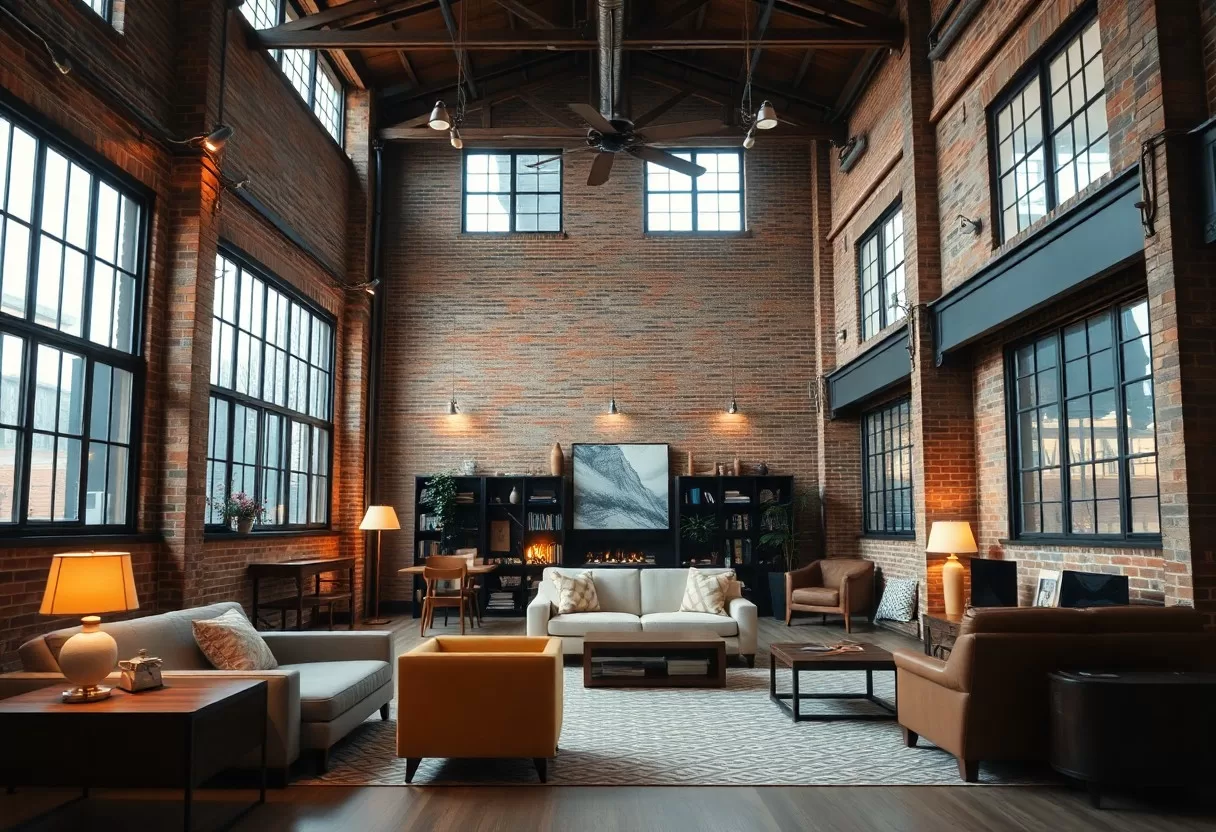
Emphasizing the original structure helps maintain the character of the building. You can integrate rustic beams, exposed brick, and original flooring into your design, allowing you to highlight the building’s rich history while creating a unique aesthetic. Retaining these elements adds value and a sense of narrative to your home.
Modernizing Infrastructure
Adapting old industrial spaces requires a focus on modern infrastructure, ensuring they meet current living standards. Upgrading plumbing, electrical, and HVAC systems is important for comfort and safety. Consider incorporating energy-efficient technology to align with sustainable practices while enhancing your home’s functionality.
Modernizing infrastructure goes beyond mere updates; incorporating smart home technologies can significantly elevate your living experience. You can install advanced heating and cooling systems, energy-efficient windows, and smart lighting to optimize energy consumption and enhance convenience. By focusing on these upgrades, you maintain the building’s charm while ensuring safety, comfort, and efficiency in your stylish home.
Challenges in Adaptive Reuse Projects
Adaptive reuse projects can be rewarding, but they also present a variety of challenges. You may face regulatory hurdles that require navigating complex zoning laws, building codes, and historical preservation regulations. These can significantly impact your project timeline and costs. Additionally, securing the necessary budgeting and funding can be daunting, as renovation of older buildings often exceeds initial estimates, requiring creative financial solutions. For a deeper understanding, explore Heritage Reimagined: Adaptive Reuse in Luxury Architecture.
Regulatory Hurdles
Fulfilling regulatory requirements is often more challenging than anticipated. You must deal with historic preservation guidelines that can restrict modifications, as well as local zoning laws that may not accommodate residential use in industrial areas. Each jurisdiction has its own set of regulations, and you’ll likely need to work closely with city planners and preservationists to streamline the approval process.
Budgeting and Funding Issues
Financial planning for adaptive reuse involves careful budgeting. Anticipate that unexpected costs will arise, often leading to budget overruns. You may need to adjust your financial strategy, exploring options such as grants for historic preservation, public-private partnerships, or low-interest loans to support the financial viability of your project.
Funding adaptive reuse projects often requires innovative financing strategies. While traditional loans might be an option, consider grants and tax incentives aimed at preserving historical properties. Many states offer economic incentives like tax credits, which can offset some of your costs significantly. Moreover, crowdfunding platforms or community investment initiatives could provide additional resources, allowing you to tap into local interest and support for your project, making it financially feasible and beneficial for the community.
Case Studies of Successful Transformations
Examining successful transformations provides valuable insights into the innovative potential of adaptive reuse. These projects demonstrate how old warehouses and factories can be converted into modern, stylish homes while retaining their unique character.
- East Bank Lofts – Chicago, IL: Converted from a 1920s warehouse, this project features 100 luxury apartments. Conversion costs were approximately $25 million, translating to $250,000 per unit.
- Brick Flats – Los Angeles, CA: This former textile factory became 45 condominiums, achieving a 30% increase in property values post-renovation.
- The Factory in West Palm Beach – West Palm Beach, FL: Once a bakery, this site now offers 60 residential units with an average rent increase of 15% after redevelopment.
- Riverside Studios – London, UK: After transforming an old brewery, the development now hosts 80 units, with occupancy rates exceeding 95% shortly after completion.
- Silk Mill Apartments – Nashua, NH: Originally a textile mill, this project includes 150 apartments, contributing nearly $5 million annually to local tax revenue.
Notable Projects Worldwide
Worldwide, several projects have pioneered the concept of adaptive reuse, showcasing diverse architectural styles and catering to various demographics. The conversion of the historic High Line in New York into a park has inspired various residential developments nearby. Similarly, The Tate Modern in London exemplifies how former industrial spaces can host cultural significance while impacting local real estate markets positively.
Lessons Learned from Each Project
Each successful transformation offers lessons that can guide your own adaptive reuse initiatives. These projects highlight the importance of integrating modern amenities while respecting historical significance. They also showcase community involvement in design and planning, enhancing neighborhood acceptance and ensuring long-term sustainability.
Understanding the challenges faced and solutions implemented during these transformations informs better decision-making for future projects. Factors such as zoning regulations, funding sources, and partnerships with local governments are critical. Additionally, engaging with the community throughout the process fosters a positive relationship that benefits both developers and residents. Moreover, environmental considerations like energy efficiency and sustainability practices should be priorities, as they affect both the marketability and livability of the finished product.
Future Trends in Adaptive Reuse
As urban landscapes evolve, the future of adaptive reuse promises exciting transformations. You will observe a greater emphasis on integrating technology into these projects, with smart home features being a staple in newly developed spaces. Striking a balance between maintaining the building’s historical charm and incorporating modern amenities is undoubtedly becoming a design priority.
Emerging Architectural Styles
In adaptive reuse, you will see a rise in eclectic architectural styles blending industrial aesthetics with contemporary designs. Challenges such as preserving original structures while adding innovative features drive architects to experiment with mixed materials, creating spaces that celebrate both history and modernity.
Sustainability and Green Building Practices
Adaptive reuse initiatives are increasingly prioritizing sustainability, focusing on minimizing environmental impact. You can expect more projects to incorporate recycled materials, energy-efficient systems, and eco-friendly landscaping, which all contribute to a reduced carbon footprint.
Building owners and developers are turning to green certifications like LEED to showcase their commitment to sustainability. You’ll often find old factories and warehouses retrofitted with energy-efficient HVAC systems, solar panels, and sustainable insulation materials that not only lower operational costs but also enhance indoor air quality. By using local materials and employing waste reduction strategies, these projects exemplify a practical approach to sustainability, providing you with stylish, environmentally responsible living spaces. Case studies, such as the conversion of the Tate Modern in London, highlight how adaptive reuse can preserve heritage while promoting greener lifestyles.
Summing up
Drawing together insights on adaptive reuse, you can see how transforming old warehouses and factories into stylish homes not only preserves history but also provides unique living spaces tailored to modern lifestyles. This approach offers you the opportunity to create a distinctive environment that marries industrial charm with contemporary design, maximizing the potential of existing structures while minimizing the need for new construction. Embracing this innovative practice enriches your living experience and contributes to sustainable urban development.
FAQ
Q: What is adaptive reuse in the context of old warehouses and factories?
A: Adaptive reuse involves converting old warehouses and factories into residential spaces. This process retains the structural integrity of the original buildings while updating them for modern living. It emphasizes creative design, sustainability, and preserving historical elements.
Q: What are the environmental benefits of transforming warehouses into homes?
A: The adaptive reuse of warehouses reduces waste by repurposing existing structures instead of demolishing them. This practice decreases the need for new materials and construction, thus lowering carbon emissions. It also revitalizes underutilized urban areas, promoting sustainability within communities.
Q: How can homeowners incorporate modern design in adaptive reuse projects?
A: Homeowners can blend modern design with historical features by selecting contemporary finishes, open floor plans, and energy-efficient systems. Utilizing large windows, exposed beams, and original brickwork can create a stylish contrast that respects the building’s heritage while meeting current aesthetic preferences.