
Soundscaping Your Home – Acoustic Design Tips for Quiet and Focused Living
Design your living space to enhance tranquility through effective soundscaping. By implementing acoustic design techniques, you can significantly reduce noise pollution and create an environment that fosters focus and well-being. Simple adjustments such as choosing the right materials, incorporating sound-absorbing elements, and optimizing room layout can transform your home into a peaceful sanctuary. This guide will provide you with practical tips to help you achieve a serene atmosphere that supports your lifestyle and enhances your daily activities.
Key Takeaways:
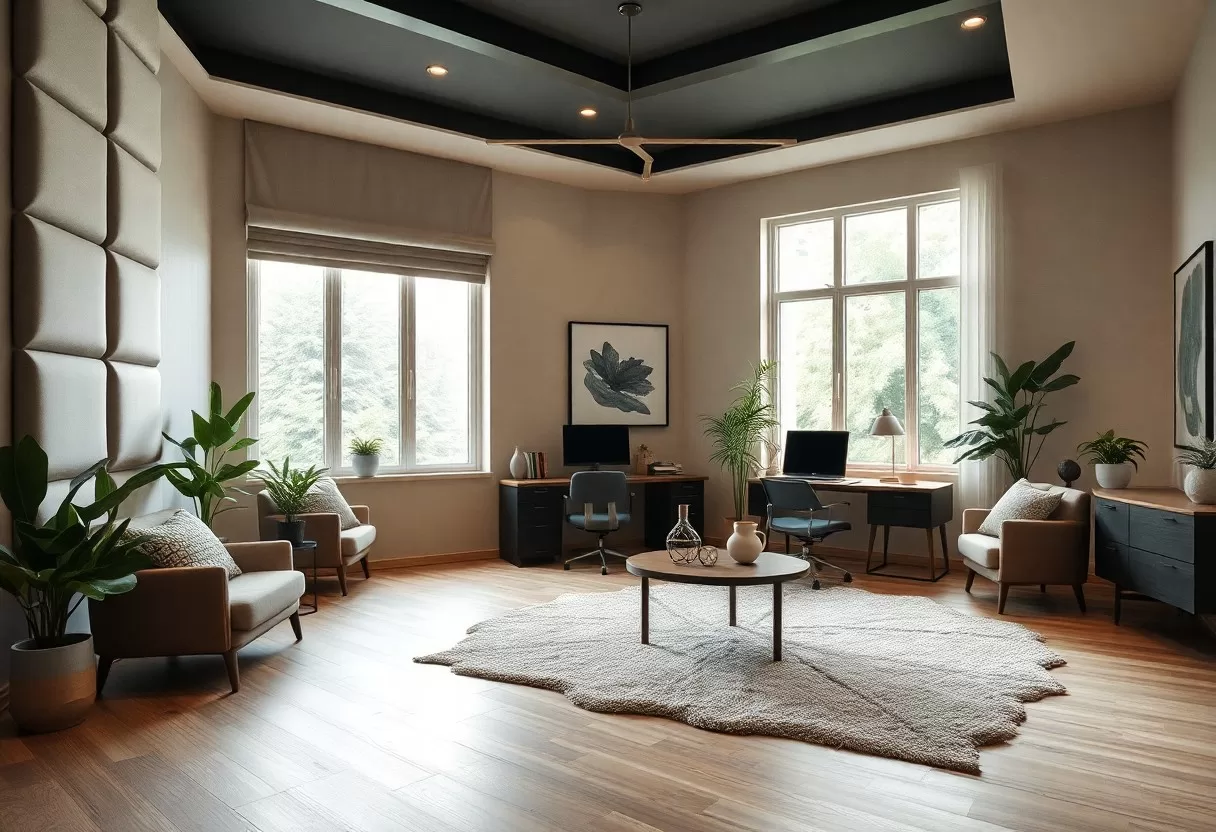
- Incorporate soft furnishings and textiles, such as rugs and curtains, to absorb sound and reduce echo within living spaces.
- Use strategic placement of plants and bookshelves to create natural barriers that help to block and diffuse unwanted noise.
- Consider utilizing sound masking techniques, like white noise machines, to enhance focus and promote a serene environment.
Understanding Acoustic Principles
Grasping the fundamentals of acoustic principles is vital for creating a tranquil environment in your home. The way sound travels, reflects, and absorbs within your space can significantly affect your overall comfort and productivity. By learning how to manipulate these elements, you can enhance sound quality, reduce noise pollution, and foster a more focused living area.
The Science of Sound
Sound travels as vibrations through air, water, and solid materials. These vibrations create different frequencies, influencing how you perceive sound. Lower frequencies produce deeper sounds, while higher frequencies generate sharper tones. Understanding this spectrum allows you to tailor your environment with appropriate materials to absorb or reflect sound effectively.
Key Terms in Acoustic Design
Familiarizing yourself with key acoustic concepts can vastly improve your home design. Important terms include absorption, which refers to materials that soak up sound, and reflection, involving surfaces that bounce sound waves back into the room. Diffusion is another critical element, scattering sound waves to minimize echoes and create a balanced acoustic environment.
In acoustic design, these terms interact to shape your auditory experience. For instance, absorption is achieved through soft furnishings like carpets and curtains, which reduce noise levels. In contrast, hard surfaces such as tiles or glass will increase reflection, potentially leading to echoes unless balanced with soft materials. Diffusion can be achieved using specially designed panels or uneven surfaces to scatter sound waves. By strategically employing these concepts, you can create an acoustically harmonious space tailored to your specific needs.
Assessing Your Space
Before implementing any acoustic design solutions, you need to thoroughly assess your space. Take the time to walk around and listen actively; consider both the layout and materials used in each room. Noting where sound travels freely or is absorbed will help you understand where to focus your efforts for improved acoustics. Utilize a sound meter app to quantify noise levels in various areas, providing a clear picture of where adjustments may be necessary.
Identifying Noise Sources
Begin your assessment by pinpointing noise sources that disrupt your tranquility. Common culprits include traffic sounds, neighboring voices, or appliances like HVAC systems. Identify the most noticeable disturbances throughout your home, taking note of their frequency and intensity. Understanding these factors is imperative for targeting soundproofing solutions effectively.
Evaluating Acoustic Treatment Needs
Next, evaluate your space’s acoustic treatment needs to mitigate identified noise sources. Consider the effectiveness of existing materials in absorbing sound and the potential for adding elements such as wall panels, ceiling tiles, or area rugs. Conduct an inventory of soft furnishings and decor items that could enhance your acoustic environment, while planning for strategically placed solutions that disrupt sound waves.
To ensure a focused living space, analyze your acoustics by considering factors such as room size, shape, and existing furnishings. For instance, in a large, open area, sound can bounce off hard surfaces, creating echoes. In contrast, smaller rooms may require less drastic measures. Choose materials that absorb sound effectively, like heavy curtains or upholstered furniture, and explore options like acoustic panels that blend seamlessly with your décor. Additionally, don’t overlook the impact of carpeting or rugs; they can significantly decrease noise levels while adding style. Your assessment should lead to a tailored plan that enhances both comfort and functionality throughout your home.
Soundproofing Techniques
To effectively achieve a serene and focused living space, integrating soundproofing techniques is crucial. These strategies help mitigate unwanted noise, making your environment more peaceful and conducive to concentration. By exploring various solutions, from insulation to barriers, you can create an oasis of calm that enhances your daily life.
Insulation Solutions
You can significantly reduce sound transmission by selecting the right insulation materials. Dense materials like mineral wool or fiberglass not only provide thermal benefits but also absorb sound waves, minimizing echo and reverberation in your home. Installing insulation in walls, ceilings, and floors will enhance your overall soundproofing strategy.
Use of Solid Barriers
Implementing solid barriers is another effective method for soundproofing your space. Walls, doors, and windows act as the first line of defense against noise intrusion. By utilizing heavy materials such as mass loaded vinyl and solid-core doors, you can substantially decrease noise penetration, ensuring a quieter environment.
Specifically, solid barriers work by increasing the mass and density of structures through which sound travels. For instance, installing a solid-core door can block up to 30% more sound than a hollow-core door, providing a noticeable difference in noise levels. Additionally, sealing gaps around doors and windows with weather stripping or caulk can help contain sound, creating a more peaceful atmosphere. Consider double-glazing your windows; this technique not only adds insulation but also significantly reduces outside noise, making your home feel more secluded and calm.
Sound Absorption Strategies
To achieve a serene environment, implementing sound absorption strategies is crucial. Adding layers of materials that trap sound helps reduce noise levels significantly. Consider integrating The Art of Soundscaping: Designing Homes with Acoustics … practices that can enhance both focus and tranquility. From rugs to curtains, these strategies create a harmonious living space, fostering a productive atmosphere.
Fabrics and Textiles
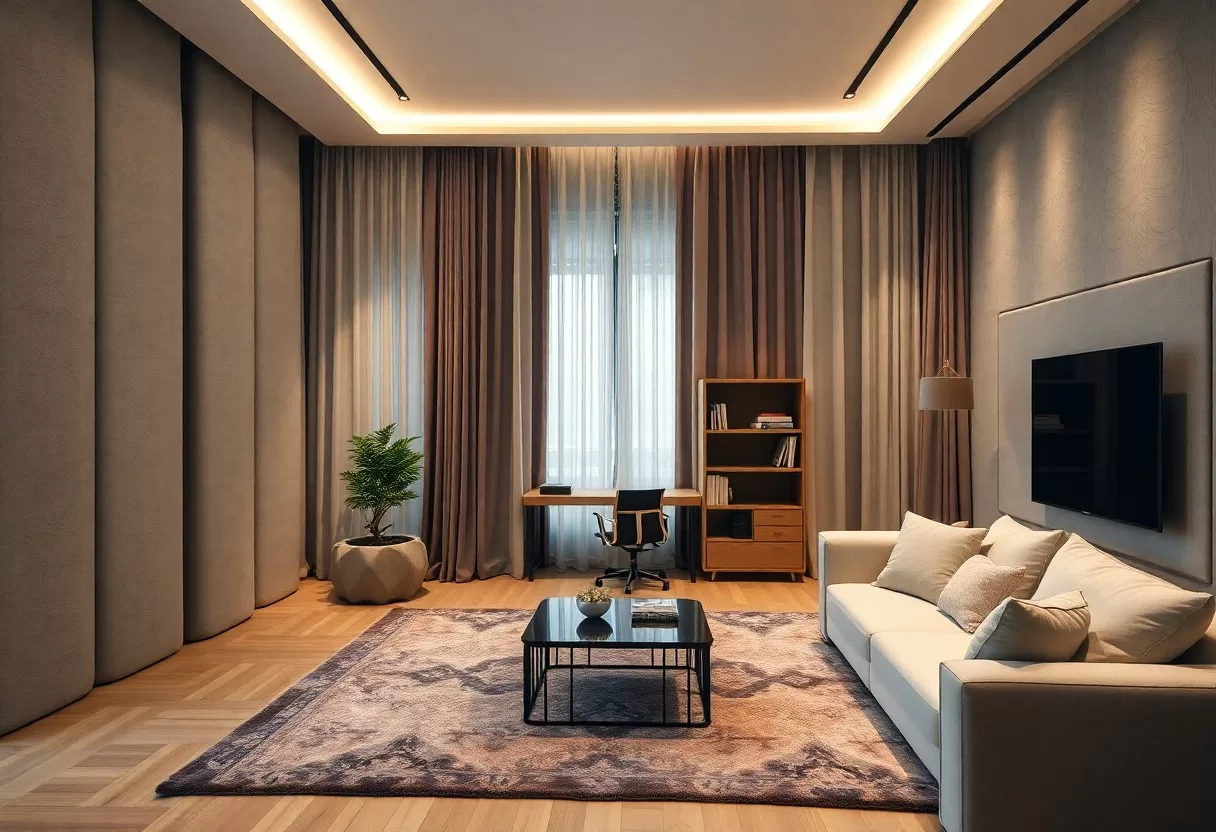
Utilizing various fabrics and textiles is a simple yet effective way to absorb sound. Thick, plush materials such as velvet or wool can help to reduce echo and enhance acoustic comfort in your home. Incorporate items like heavy curtains, upholstered furniture, and area rugs to dampen unwanted noise, turning your living space into a peaceful retreat.
Acoustic Panels and Accessories
Acoustic panels are specifically designed to reduce sound reflections and improve overall acoustics in a room. You can choose from a range of designs and colors to match your decor while ensuring optimal sound absorption. Wall-mounted options made from foam or fabric-wrapped materials can absorb mid to high-frequency sounds effectively. You may also consider adding decorative acoustic tiles that not only serve a functional purpose but also enhance the aesthetic appeal of your space.
Acoustic panels, available in varying dimensions and densities, can be tailored to fit your specific needs. When placed strategically around your space-most commonly on walls and ceilings-they can reduce sound reverberation by up to 50%. For added style, opt for panels with artistic designs that serve dual purposes. These accessories can transform a standard room into a sanctuary, showcasing how aesthetics and functionality can coalesce for an improved sound experience.
Creating a Balanced Sound Environment
A balanced sound environment is key to enhancing your focus and tranquility. Incorporating various elements such as soft furnishings, wall hangings, and strategic sound barriers can make a significant difference. Refer to this Acoustic Room Design Guide for Homes and Offices for detailed insights on how to personalize your acoustic landscape effectively.
Layout and Furniture Arrangement
The placement of furniture significantly impacts sound dynamics within your space. Opt for plush sofas and overstuffed chairs that absorb noise, while strategically positioning bookshelves or wall units can help diffuse sound waves. Avoid hard surfaces that reflect sound; instead, create cozy nooks where you can retreat for focused work or relaxation.
Incorporating Natural Elements
Integrating natural elements into your design can greatly enhance your home’s acoustics. Use indoor plants, wood accents, or stone features to soften sound waves and create a calming atmosphere. These materials not only add aesthetic value but also contribute to better acoustics, as they naturally absorb unwanted noise.
For example, adding large leafy plants like ferns or rubber trees can reduce noise levels while improving air quality. Wooden furniture pieces contribute warmth and can help in sound absorption, especially in larger rooms. Consider incorporating water features as well; the gentle sound of running water can mask disruptive noises, fostering an environment ideal for concentration. Integrating these natural elements allows for a balanced and serene soundscape where you can thrive.
Enhancing Focused Living
Your home can be transformed into a haven of focus by strategically implementing design choices that minimize distractions. Consider how the layout of your spaces encourages productivity; positioning your workspace away from high-traffic areas can significantly reduce interruptions. Integrating natural light and choosing calming colors further supports a mentally invigorating atmosphere that fosters concentration and creativity.
Designating Quiet Zones
Creating designated quiet zones within your home allows you to escape the bustle and focus intently on tasks. Choose spaces with minimal foot traffic, such as a serene nook or a spare room, and configure them with comfortable seating and tools that enhance productivity, like sound-absorbing panels or calming decor. Making these zones consistently free from noise distractions helps cultivate a dedicated environment for deep work and relaxation.
Utilizing Soundscapes for Relaxation
Soundscapes can transform your living environment, promoting relaxation instantaneously. Consider integrating sounds like gentle rain, ocean waves, or soft instrumental music to create a calming backdrop. Research suggests that these soundscapes can lower cortisol levels and enhance tranquility, making them ideal during downtime or meditation sessions. By selecting the right auditory elements, you can shift your mind to a more relaxed state, necessary for overall well-being.
Utilizing soundscapes for relaxation taps into the connection between auditory stimuli and emotional response. For example, a study by the University of Illinois found that participants exposed to natural sounds reported a significant decrease in stress levels compared to those in silence or urban noise. Incorporating sound machines or playlists featuring nature sounds can help drown out disruptive noises, making it easier for you to unwind after a long day. This intentional approach to sound will transform your home into a sanctuary that nurtures peace and clarity.
To wrap up
Presently, implementing effective soundscaping techniques in your home enhances your living environment, promoting tranquility and focus. By strategically selecting materials, arranging furniture thoughtfully, and incorporating soft furnishings, you can significantly reduce noise distractions and create a serene atmosphere. Consider your unique needs and preferences as you apply these acoustic design tips, ensuring that your space supports your lifestyle and productivity. With these methods, you’re better positioned to enjoy a quiet and peaceful living experience.
FAQ
Q: What is soundscaping and how does it benefit my home?
A: Soundscaping refers to the intentional design of sound within a space to enhance comfort and productivity. By reducing unwanted noise and incorporating soothing sounds, soundscaping can create a peaceful environment that promotes relaxation and focus, making it easier to concentrate and unwind.
Q: What materials are effective for acoustic design in my home?
A: Materials such as carpets, heavy curtains, acoustic panels, and upholstered furniture effectively absorb sound and reduce echo. Additionally, using rugs and soft furnishings can help create a warm ambiance while minimizing noise pollution from hard surfaces.
Q: How can I implement soundscaping on a budget?
A: Budget-friendly options include rearranging furniture to create barriers against noise, adding thick rugs and cushions, and using DIY acoustic panels made from foam or fabric-covered wood. Incorporating indoor plants can also help dampen sound while improving air quality and aesthetics.