
5 Easy Ways to Make Your Home More Energy-Efficient Through Architecture
You can significantly reduce your energy consumption and lower utility bills by implementing a few architectural changes in your home. By utilizing natural light, optimizing insulation, and strategically placing windows, you can enhance your home’s energy efficiency. Additionally, incorporating elements like green roofs and utilizing sustainable materials can further boost your home’s performance. Embracing these simple yet effective strategies will not only benefit your finances but also contribute to a healthier environment. In this post, we’ll explore five easy ways to transform your living space into a more energy-efficient abode.
Key Takeaways:
- Incorporate passive solar design by strategically placing windows and overhangs to maximize natural light and heat during winter while minimizing heat in summer.
- Utilize high-performance insulation materials in walls, roofs, and floors to reduce energy loss and maintain comfortable indoor temperatures.
- Opt for energy-efficient appliances and lighting fixtures to decrease energy consumption while enhancing functionality and aesthetics.
- Implement smart home technology that allows for automated control of heating, cooling, and lighting systems to optimize energy use.
- Consider sustainable building materials that provide durability and efficiency, which contribute to the overall energy sustainability of the home.
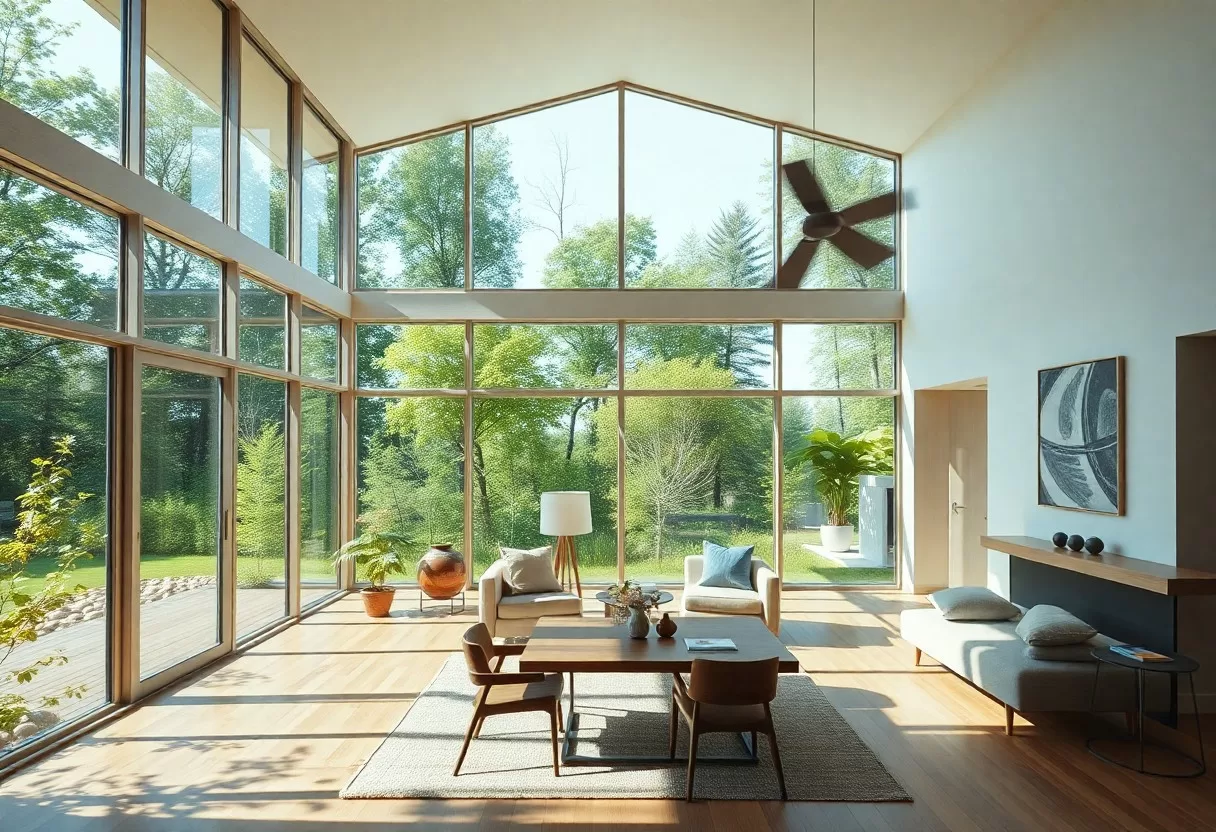
Mastering Natural Light: The Benefits of Strategic Window Placement
Strategically placed windows can transform your home by maximizing natural light, thereby reducing your dependence on artificial lighting. Effective window placement not only enhances aesthetic appeal but also contributes to energy efficiency. Utilizing larger or appropriately sized windows on the south-facing side allows sunlight to warm living spaces during cold months, while well-placed overhangs can prevent overheating in the summer. This harmonious balance not only leads to a more comfortable environment but can lower your energy bills by minimizing the need for heating and cooling.
Enhancing Daylight with Orientation
Window orientation plays a significant role in how much natural light enters your home. By aligning your windows toward the south, you can capture the most sunlight during the day, which is particularly beneficial in cooler climates. In regions with intense sun, consider north-facing windows that diffuse direct sunlight while still brightening your interiors. This thoughtfulness in orientation can lead to a brighter, warmer home during the right seasons, reducing reliance on electric lighting.
The Role of Glazing in Energy Conservation
Glazing choices significantly impact energy conservation in your home. High-performance windows featuring low-emissivity (Low-E) coatings can minimize heat loss by reflecting radiant heat back into your space. These advanced glazing options help maintain your desired indoor temperature, reducing heating and cooling costs significantly—sometimes by up to 25%. By investing in energy-efficient window glazing, you not only enhance your living space but also contribute to a more sustainable future.
For example, double or triple-glazed windows offer improved insulation, preventing heat transfer more effectively than single-pane options. This means in winter, less warmth escapes your home, while in summer, your interiors stay cooler. Look for windows with a high Energy Star rating, ensuring that the investment pays off in the long run through lower energy bills and increased comfort. Ultimately, the right glazing can lead to a more energy-efficient home while enhancing the overall aesthetic with ample natural light.
Sustainable Materials: Building with the Earth in Mind
Prioritizing sustainable materials in your home design not only supports energy efficiency but also minimizes your ecological footprint. By utilizing resources that are renewable, recyclable, and locally sourced, you are fostering a healthier environment both inside and outside your home. The choice of materials significantly affects energy performance, durability, and long-term sustainability, making it a vital component of any energy-efficient architecture approach.
Selecting Eco-Friendly Building Materials
Opt for materials like bamboo, reclaimed wood, and recycled steel to enhance your home’s sustainability profile. These eco-friendly options help reduce waste and lower the demand for virgin materials. Additionally, you can choose low-VOC paints and finishes to improve indoor air quality while creating a healthy living space. Each of these choices contributes not only to energy efficiency but also to a more sustainable building practice that aligns with modern ecological standards.
The Impact of Life Cycle Assessments on Design Choices
Life Cycle Assessments (LCAs) provide crucial insights into the environmental impact of building materials throughout their entire lifespan, from extraction to disposal. Understanding these impacts allows you to make informed decisions that benefit both your project and the planet. Through LCAs, designers can prioritize materials that offer significant energy savings and lower carbon footprints.
By examining factors like energy consumption during production, transportation emissions, and end-of-life disposal options, life cycle assessments offer a comprehensive view of material sustainability. For instance, choosing a locally sourced, durable material minimizes travel emissions and reduces the likelihood of replacement, while materials that can be easily recycled at the end of their life cycle prevent waste buildup in landfills. Incorporating LCAs into your design process not only aids in achieving energy efficiency but also aligns with a broader sustainability strategy that resonates with eco-conscious consumers and future generations.
Smart Designs: Leveraging Passive Solar Principles
Utilizing passive solar principles is an effective way to enhance your home’s energy efficiency while capitalizing on natural resources. By integrating smart architectural designs, you can harness the sun’s energy to regulate indoor temperatures, reducing reliance on heating and cooling systems. Strategies include optimizing window placement, choosing the right materials, and incorporating natural elements to create a comfortable living environment throughout the seasons.
The Science of Thermal Mass and Insulation
Understanding thermal mass and insulation is crucial to leveraging passive solar design. Materials like brick, stone, and concrete can absorb and store heat during the day, slowly releasing it at night. Combine these materials with effective insulation to minimize heat transfer, keeping your home warm in winter and cool during summer. This synergy creates a balanced indoor climate, reducing your energy bills significantly.
Designing Overhangs and Shading Devices for Comfort
Incorporating overhangs and shading devices in your architecture can significantly enhance comfort levels. These structural elements block excessive sunlight during the hot months while allowing it to penetrate indoors during the colder ones, effectively promoting temperature regulation. Overhangs can also help reduce glare and provide outdoor shading, creating a more pleasant experience in outdoor spaces around your home.
For example, a properly designed overhang can extend beyond your home’s facade by a foot or more, casting shade onto windows during peak sun hours while still permitting winter sunlight to warm your interiors. Consider using adjustable shading devices, like awnings or pergolas, to customize sunlight access based on season and preference. Employing these strategies not only increases your home’s energy efficiency but also enhances its aesthetic appeal and outdoor functionality.
Airflow Architecture: Creating Natural Ventilation Systems
Enhancing natural airflow in your home significantly boosts its energy efficiency. By designing spaces that encourage fresh outdoor air to circulate, you reduce reliance on mechanical cooling and heating systems. Utilizing features such as strategically placed windows, doors, and vents allows for optimal airflow, creating a comfortable indoor climate without excessive energy consumption. This can lead to reduced utility bills and a more eco-friendly living environment while ensuring fresh air replaces stagnant indoor air regularly.
Implementing Cross-Ventilation Techniques
Cross-ventilation is a highly effective method for improving indoor air quality by allowing breezes to flow through your home. Positioning windows and vents directly opposite each other enables hot air to escape, pulling in cooler air from outside. This technique is especially effective in warmer climates and can lower indoor temperatures significantly, reducing the need for air conditioning during the hotter months.
The Importance of Stack Ventilation in Multi-Story Homes
Stack ventilation utilizes temperature differences between indoor and outdoor air to promote airflow within multi-story homes. Warm air rises, creating an upward movement that can be harnessed by placing openings at higher levels, allowing stale air to exit while inviting cooler air at lower levels. This method not only enhances comfort but also boosts energy efficiency by minimizing reliance on HVAC systems.
For multi-story homes, stack ventilation can lead to significant energy savings, particularly during summer months. By designing your home with high vents in areas like stairwells or atriums, you encourage thermal buoyancy, allowing trapped heat to escape efficiently. This creates a natural convection cycle that can drop indoor temperatures by several degrees without any mechanical intervention. Implementing stack ventilation increases your home’s comfort while reducing energy costs and enhancing sustainability.
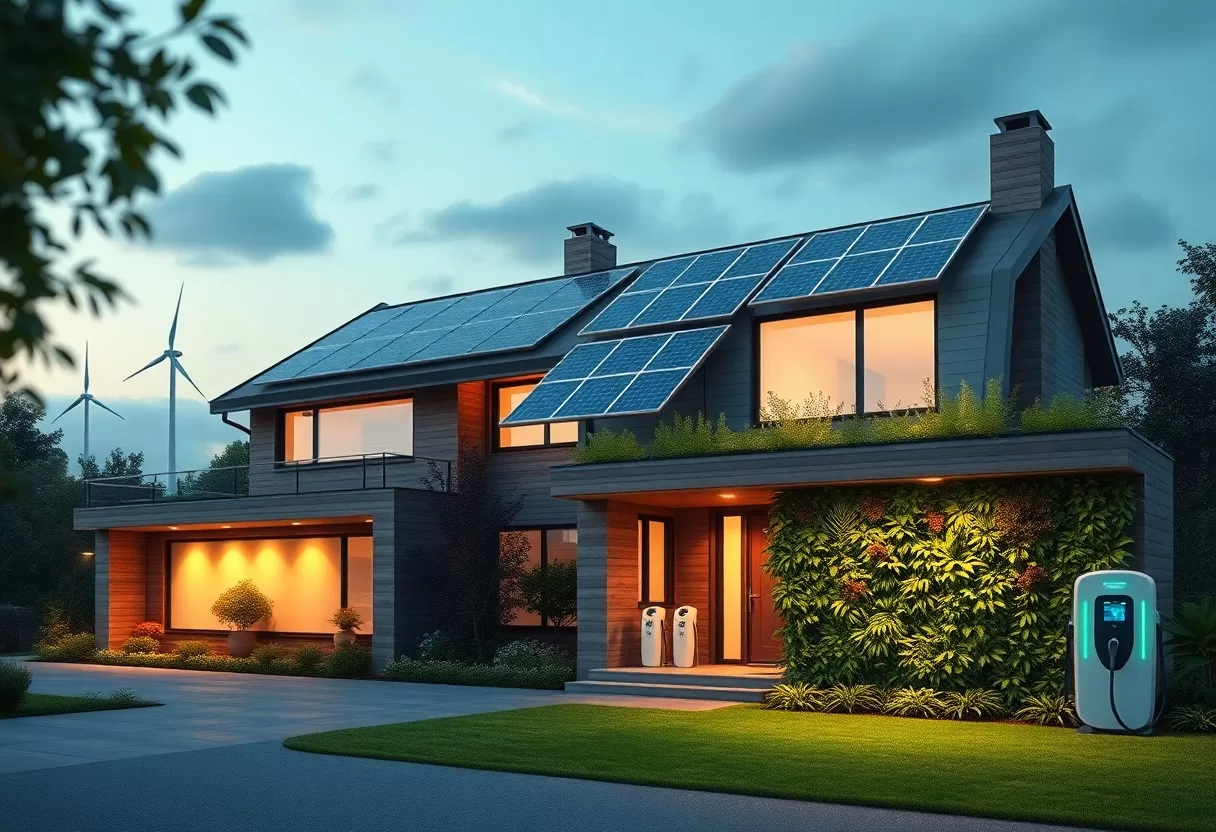
Future-Proofing Your Home: Incorporating Renewable Energy Solutions
As you consider long-term energy efficiency, incorporating renewable energy solutions into your home becomes crucial. These upgrades don’t just reduce your carbon footprint—they can also lead to significant savings over time. By aligning your home’s architecture with sustainable practices, you can enhance its value while contributing to a greener future. Explore the ways to integrate renewable technologies that not only meet your current energy needs but also prepare your home for tomorrow’s challenges.
Integrating Solar Panels and Wind Turbines
Solar panels and wind turbines are excellent sources of renewable energy that can be seamlessly integrated into your home. Installing solar panels on your roof can generate a substantial portion of your electricity, often resulting in savings on your utility bills. In areas with consistent wind patterns, adding a small wind turbine can provide additional energy, especially during the winter months. By combining these technologies, you can achieve a diversified energy portfolio, reducing reliance on traditional energy sources.
Utilizing Smart Home Technology for Energy Management
Smart home technology allows you to optimize energy use with precision. Smart thermostats, lighting systems, and energy monitors enable you to track consumption and adjust settings automatically based on your habits. For example, a smart thermostat can learn your schedule and reduce heating or cooling when you’re away, potentially saving you over 10% on energy costs annually. Integrating these solutions not only increases your convenience but also maximizes your home’s energy efficiency, providing both financial and environmental benefits.
Energy management systems can also connect multiple devices, giving you a centralized platform to control your home’s energy output. You might install sensors that automatically adjust blinds based on sunlight levels, or smart plugs that schedule energy-intensive devices to run during off-peak hours. Consider the case of one family who reduced their energy costs by 30% after implementing smart technologies that tailored their energy consumption patterns. With endless customization options, you can design an energy-efficient environment focused on your unique lifestyle.
Conclusion
With this in mind, enhancing your home’s energy efficiency through thoughtful architectural choices can lead to significant long-term savings and comfort. By implementing strategies such as optimal insulation, strategic window placement, and utilizing sustainable materials, you can create a welcoming space that minimizes energy consumption. These methods not only benefit the environment but also elevate your living experience. Embrace these five easy ways to transform your home into a more energy-efficient haven, ensuring you remain conscious of your ecological footprint while enjoying the many advantages of modern architecture.
FAQ
Q: What are some architectural elements that can enhance energy efficiency in a home?
A: Some key architectural elements include well-insulated walls, energy-efficient windows, and strategic roof overhangs. Incorporating thermal mass materials like concrete or stone can help retain heat in winter and keep homes cool in summer. Additionally, using passive solar design principles can optimize natural lighting and heat from the sun.
Q: How does the orientation of a home impact its energy efficiency?
A: The orientation of your home can significantly affect energy consumption. Positioning the home to maximize southern exposure can harness solar energy for heating in winter while utilizing overhangs or shading devices to minimize solar gain during warmer months. This consideration can lead to reduced reliance on heating and cooling systems.
Q: Can landscaping contribute to a home’s energy efficiency?
A: Yes, landscaping plays an important role in enhancing energy efficiency. Planting trees strategically can provide shade during the summer and act as windbreaks in winter. This natural insulation can help maintain comfortable temperatures indoors and reduce the need for heating and cooling, leading to lower energy bills.
Q: What is the role of ventilation in energy-efficient architecture?
A: Proper ventilation is crucial for energy efficiency as it helps maintain indoor air quality while controlling moisture levels. Implementing energy-efficient ventilation systems, such as whole-house fans or energy recovery ventilators, can circulate fresh air without significantly increasing energy consumption. This balance helps to create a comfortable living environment.
Q: Are there specific materials that promote energy efficiency in home design?
A: Indeed, selecting the right materials is vital for energy-efficient home design. Insulating materials like spray foam, cellulose, or fiberglass can significantly reduce heat transfer. Additionally, using sustainable materials with high thermal performance ratings, such as bamboo or reclaimed wood, can contribute to lower energy usage and a lower carbon footprint.