
10 Garden Design Hacks That Instantly Upgrade Any Outdoor Space
Gardens can transform your outdoor space into a personal sanctuary, and with the right design hacks, you can achieve a stunning environment without breaking the bank. Whether you have a sprawling backyard or a cozy balcony, you’ll discover strategies to enhance your garden’s aesthetics and functionality. From clever plant arrangements to innovative lighting solutions, these 10 garden design hacks will empower you to create a vibrant outdoor retreat that reflects your style and maximizes your enjoyment.
Transformative Planting Techniques
Enhancing your outdoor space can be achieved through transformative planting techniques that create a stunning visual experience. By implementing methods like layered planting and seasonal rotation, you can elevate the aesthetic of your garden while ensuring it remains vibrant throughout the year. These techniques not only enhance the beauty of your surroundings but also foster a thriving ecosystem, bringing joy and life to your outdoor oasis.
Layered Planting for Visual Depth
Layered planting involves positioning plants of varying heights, creating a dynamic and visually engaging garden. By placing taller plants at the back, medium-sized plants in the middle, and shorter ones in the front, you can achieve a three-dimensional garden effect that draws the eye and adds depth to your space. This technique not only maximizes visual interest but also helps you create a sense of cohesion and balance within your garden.
Seasonal Rotation for Continuous Interest
Implementing seasonal rotation in your garden design guarantees that your outdoor space remains appealing all year round. By regularly swapping out plants to align with changing seasons, you can enjoy a diverse range of colors and textures. This approach not only enhances visual interest but also promotes better plant health and resilience against pests, ensuring your garden flourishes.
Consider rotating your plant selections every season based on their unique blooming periods and foliage variations. For instance, you may introduce vibrant spring blooms followed by lush summer perennials, transitioning to autumn’s warm-toned foliage and winter-evergreens. This strategic rotation keeps your garden lively and engaging, which in turn enhances the experience for you and your guests. Incorporate bulbs, annuals, and perennials to create a tapestry of colors and textures, ensuring that your outdoor space always feels fresh and inviting.
Strategic Hardscaping Choices
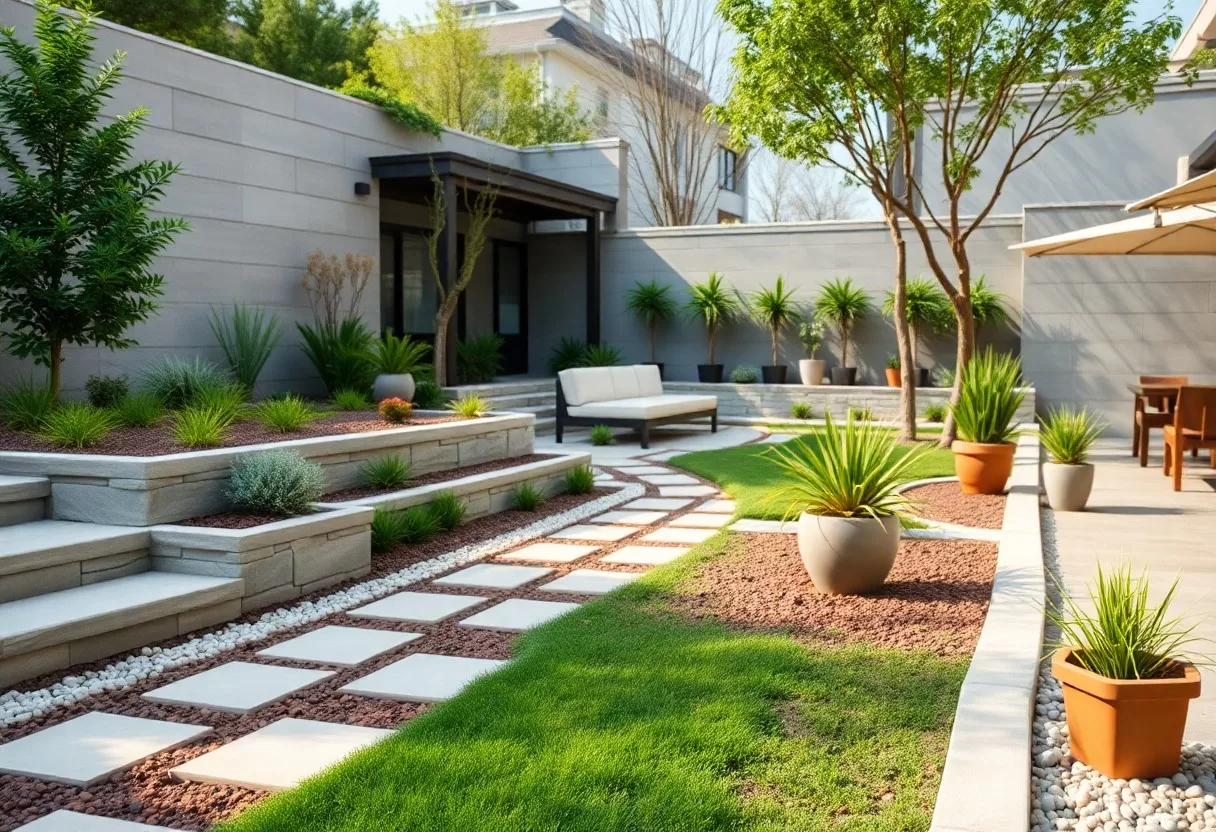
When considering enhancing your outdoor space, hardscaping plays a vital role. Incorporating elements like patios, paths, and walls can define areas and improve functionality, while also adding visual interest. By making smart choices in materials and layout, you can create a cohesive look that complements your garden’s natural beauty and elevates your outdoor experience.
Incorporating Natural Stone for Timeless Elegance
Natural stone is a fantastic option for adding timeless elegance to your garden. With its unique textures and colors, natural stone complements your landscape beautifully while creating a lasting impression. Use stones for walls, walkways, or as accent features to bring a touch of sophistication to any outdoor area.
Smart Pathway Design to Define Spaces
Designing pathways in your garden is an effective way to define spaces and guide visitors through your landscape. A well-thought-out pathway can direct the flow of traffic, creating a sense of organization and enhancing accessibility. You can choose materials that blend seamlessly with your plantings, such as gravel, pavers, or even stepping stones for a more casual look.
The layout of your pathways can also influence the overall ambiance of your garden. Consider creating meandering paths that encourage exploration or straight lines for a more structured approach. Lighting along these pathways not only ensures safety after dark but also adds a magical touch to your outdoor evenings. By integrating this element into your garden design, you highlight focal points and draw attention to the natural beauty around you.
Innovative Furniture Arrangements
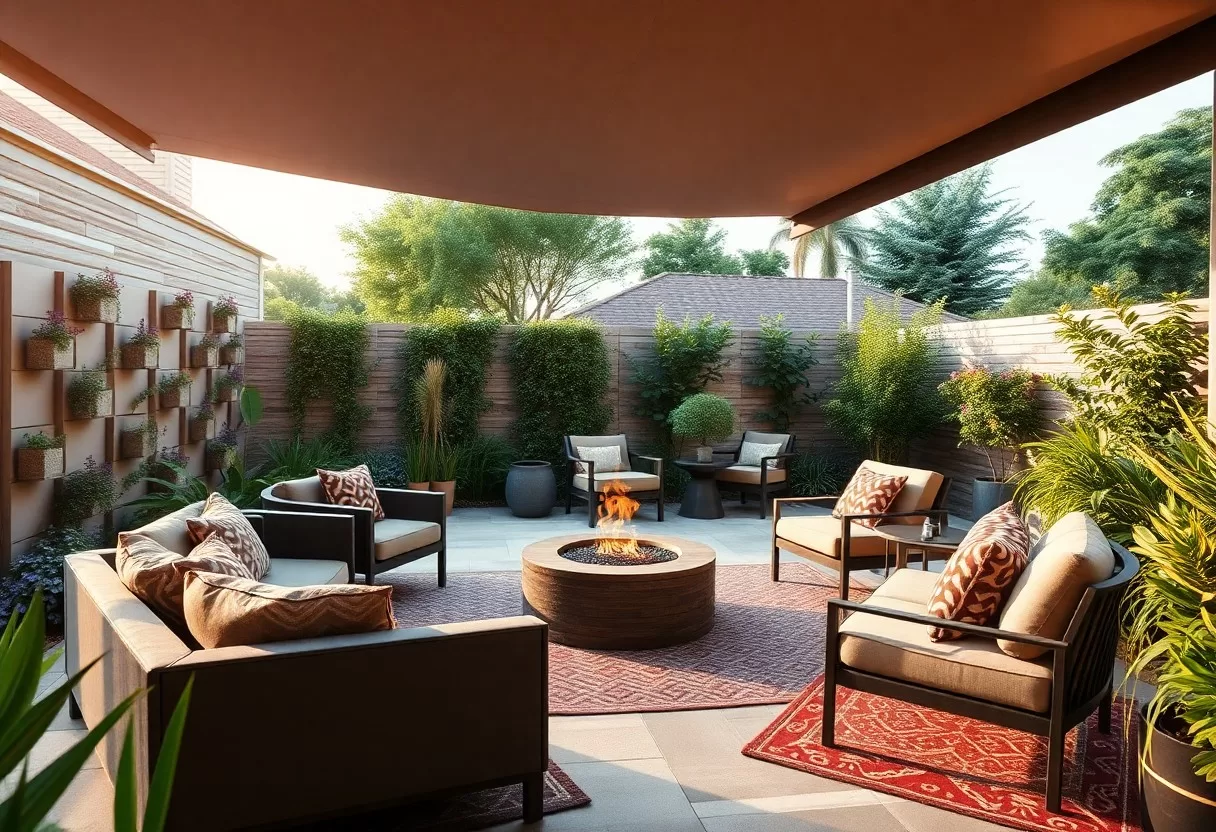
Transforming your outdoor space can be as simple as rearranging your furniture. By experimenting with different layouts, you can optimize flow and create distinct areas for relaxation and entertainment. This not only enhances the aesthetics but also promotes better functionality. Take the time to consider how your furniture interacts with each other and your landscaping, ensuring that you prioritize comfort while amplifying the beauty of your garden.
Multi-Functional Outdoor Furniture for Maximizing Space
To make the most of your outdoor area, invest in multi-functional furniture that serves dual purposes. Items like storage benches, foldable tables, and ottomans that can double as seating are perfect for maximizing utility without sacrificing style. By incorporating these versatile pieces, you ensure your garden remains clutter-free while providing necessary convenience.
Creating Cozy Nooks with Strategic Placement
Creating inviting, well-defined spaces in your garden is simple when you focus on strategic furniture placement. Positioning seating around fire pits, under trees, or near water features invites intimate gatherings and relaxation. By utilizing plants and hardscaping elements to frame these areas, you further enhance the cozy atmosphere while ensuring they feel like an extension of your home. Choose your spots wisely, and don’t hesitate to use barriers like trellises or planters to add a sense of privacy and peace.
Incorporating cozy nooks into your outdoor design is about thoughtful placement and creating a sense of intimacy. By placing your furniture in relation to natural elements—like positioning a chair next to a flower bed or under a pergola—you can create serene spots that beckon for relaxation. Enhancing these nooks with cushions and warm textiles invites comfort, while adding lighting elements, such as string lights or lanterns, creates a magical ambiance for evening enjoyment. Ultimately, these small, intentional spaces help you enjoy and appreciate your outdoor environment even more.
Lighting to Elevate Ambiance
Incorporating lighting into your garden design can completely transform your outdoor space, adding depth and enhancing the overall atmosphere. By strategically placing lights, you create a welcoming environment that encourages relaxation and social interaction after dark. A well-lit garden not only serves functional purposes but also highlights your favorite features, making your landscape look stunning even at night.
The Power of Soft Lighting in Garden Design
Soft lighting can dramatically alter the mood of your garden, offering a soothing and inviting atmosphere. You can use string lights, lanterns, or even solar-powered garden lights to create a warm, enchanting glow that invites you and your guests to enjoy the outdoors even as the sun sets. This type of lighting allows for intimate gatherings and adds a touch of magic to your landscape.
Using Directional Lighting to Highlight Features
Implementing directional lighting is an effective way to showcase specific elements in your garden, such as trees, sculptures, or water features. By placing spotlights or floodlights at strategic angles, you can draw attention to these features, creating visual impact and enhancing the overall aesthetics of your yard. This can transform ordinary aspects into extraordinary focal points.
With directional lighting, you enhance the beauty of your garden while guiding the eye to carefully selected highlights. Consider the placement of lights to cast shadows or illuminate textures; for example, casting light upward on a tree trunk can produce a stunning silhouette. Use warm-toned bulbs to maintain a cohesive look and avoid harsh glares. By selecting adjustable fixtures, you can also have the flexibility to change the focus as your garden evolves over time, ensuring that your design remains versatile and dynamic.
Color Schemes That Captivate
Choosing the right color scheme can fundamentally transform your outdoor space, making it feel more inviting and cohesive. When you think about colors, consider how they interact with both nature and your existing elements. A well-thought-out palette can enhance your garden’s beauty, evoke emotions, and even create different atmospheres, allowing you to craft the perfect retreat in your yard.
Bold Contrasts vs. Harmonious Palettes
When designing your garden, you can either embrace bold contrasts, which create dramatic visual impact, or opt for harmonious palettes, that bring a sense of calm and balance. A striking combination of vibrant colors can energize your space, while softer, coordinated tones foster a tranquil environment. Think about what mood you want to convey to find the perfect balance that speaks to you.
The Importance of Focal Points through Color
Focal points in your garden can be significantly enhanced through color choices. By utilizing vibrant hues or contrasting shades, you can direct attention to key features such as sculptures, flower beds, or seating areas. This not only improves visual interest but also creates pathways for the eye to follow, increasing the overall functionality of your outdoor space.
Establishing focal points using color can dramatically influence how you and your guests perceive your garden. For example, brightly colored flowers or planters can draw attention to specific areas, making them the stars of your outdoor oasis. You can also use unique color combinations to set a mood or emotion, leading to a more engaging experience. By strategically placing these colored elements throughout your garden, you enhance not just aesthetics, but also the way the space makes you feel, inviting exploration and enjoyment.
Eco-Friendly Enhancements
Transforming your garden into an eco-friendly oasis not only enhances its beauty but also supports the environment. By integrating sustainable elements, such as rain gardens and composting systems, you can reduce your ecological footprint. These modifications can improve soil health, conserve water, and create a habitat for local wildlife, ensuring your outdoor space thrives while respecting nature.
Sustainable Practices for Long-Term Impact
Implementing sustainable practices is important for establishing a garden that flourishes over time. You can incorporate rainwater harvesting systems, use organic fertilizers, and practice crop rotation to improve soil quality. These methods not only benefit your plants but also contribute to the long-term health of your garden.
Choosing Native Plants for Easier Maintenance
Opting for native plants significantly enhances your garden’s sustainability and resilience. These plants are adapted to your local climate and soil conditions, requiring less water and maintenance than non-native varieties. By choosing native flora, you promote biodiversity and create a thriving ecosystem while spending less time on upkeep.
Choosing native plants makes your garden not only more appealing but also more environmentally friendly. Since these plants are well adapted to your local ecosystem, they typically require less water, fertilizer, and pest control, which means you can create a vibrant outdoor space with minimal ongoing effort. Additionally, native plants are important for local wildlife, providing important habitats and food sources for birds, bees, and other pollinators. By prioritizing these species, you contribute to a more sustainable and biodiverse environment, ensuring your garden is both beautiful and beneficial.
Conclusion
Conclusively, implementing these 10 garden design hacks can significantly enhance your outdoor space, making it a place of beauty and tranquility. By incorporating elements such as strategic lighting, diverse plant selections, and functional furniture, you can transform your garden into a personal retreat. Take time to consider your personal style and the environment around you, and watch as your outdoor area becomes a true extension of your home, inviting relaxation and creativity into your life.